

Use the unglazed bottom of a ceramic mug to restore a dull blade in minutes. Hold the right angle to fix your edge safely without scratching the steel.
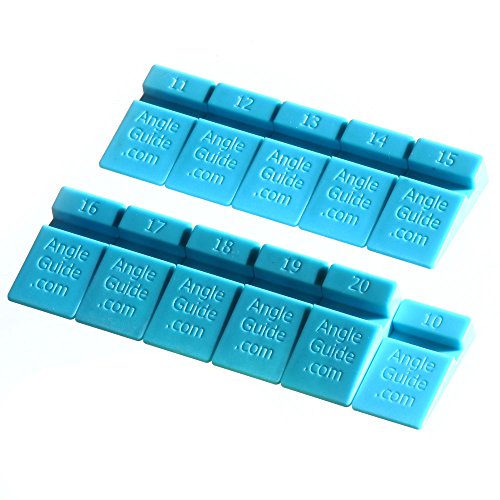
Stop hand wobble from rounding your blade on the stone. Make an accurate angle guide from scrap wood or coins to lock in a steady 15 or 20-degree edge.

Tape the blade edge first, wrap paracord with firm tension through a base loop, and tuck the ends tight so your knife grip never slides under pressure.
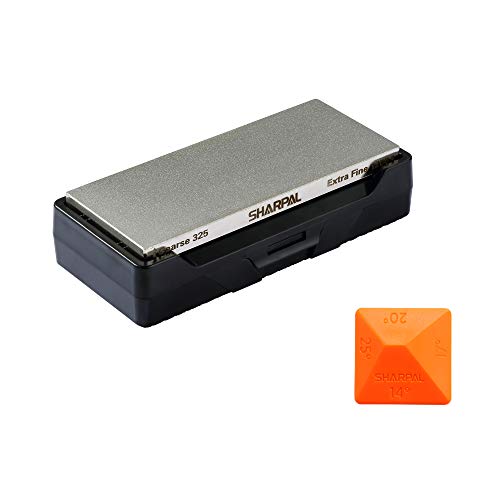
Lock in your angle, sweep heel to tip with light pressure, and check for the burr before flipping. Get a razor-sharp edge without damaging your diamond stone.

Thread paracord through your knife handle, tie a secure snake knot tab, and melt the cut ends flush so your pocket lanyard never slips loose or frays.
Tape the blade for safety, anchor a tight base loop, and wrap bare knife steel so the cord stays locked in place and never slips during heavy cutting.

Clamp a utility blade to a basic soldering iron to slice Styrofoam cleanly without messy beads. Here is how to set it up safely and avoid harsh fumes.

Restore your electric knife when it shreds meat. Hone each saw tooth with a slim round rod on the angled side only so the flat blades stay flush and glide.

Roll tight paper tubes for stiff handles and set loose pivot pins so your butterfly knife swings freely for safe flipping practice without bending.

Fold tight paper strips for a stiff blade and set loose hinge pins so both handles swing freely. Make a durable toy butterfly knife that flips without tearing.

Cut flat steel with basic workshop tools, harden the blade with a handheld torch, and bake it in your kitchen oven so it stays sharp and never cracks.

Lock the blade, hold a steady 20-degree angle, and sweep from heel to tip across the stone to sharpen your pocket knife without slipping or rounding the edge.

Skip the straight knife: slice with a wavy crinkle knife, turn the potato ninety degrees, and keep cuts thin so the ridges cross into real waffle holes.

Stop crushing crusty bread by sharpening each curved tooth with a tapered rod. Work the angled side and smooth the flat back to slice fresh loaves easily.

Line up pin holes cleanly, clamp hardwood slabs with two-part epoxy, and shape a comfortable knife handle that will never split or loosen in your hand.

Craft a durable wooden knife handle at home. Line up pin holes cleanly, glue the wood with epoxy, and shape a comfortable grip that will not crack or loosen.
Soak your stone, hold a steady angle, and sweep the blade until you feel a tiny rough lip. Restore a dull kitchen knife safely without scratching the steel.

Build a sturdy countertop knife block with the right magnet depth to keep heavy blades from slipping, plus a weighted base so the stand never tips forward.

Thread your knife handle, braid a clean cobra knot, and melt the ends flush. Set the right cord length for quick pocket draws without snagging on gear.
Never pull serrated teeth through a regular V-notch. Use a tapered rod or dedicated slot to sharpen each curved dip and restore a clean slicing edge.






