
How to Sharpen a Knife on a Diamond Stone

A chef's knife slides uselessly across the skin of a ripe tomato instead of biting into it. Fixing that dull edge comes down to sweeping the blade heel to tip with feather-light pressure at one steady angle. Diamond stones cut steel much faster than traditional oil stones, so letting the abrasive surface do the work keeps the plate from losing its diamonds.
The exact technique shifts slightly depending on the blade and its current shape. A slender Japanese kitchen knife needs a narrower tilt than a thick outdoor blade, while a badly nicked edge calls for a coarse grit plate (a rougher stone surface) before moving to fine polishing. Adding a quick splash of tap water can also help float away the fine metal dust. Here is how to steady the stone, lock in the right slope, and bring back a clean edge without scratching the steel.
How should you set up and lubricate a diamond stone?
Diamond sharpening stones differ fundamentally from traditional water stones. A diamond stone consists of a rigid steel plate coated with microscopic industrial diamonds bonded in nickel. Because the steel base is solid, the plate remains perfectly flat and never dishes in the center like a clay water stone does.
Safety starts with plate stability. If the stone slides on your counter while you guide a blade, the knife can slip and cut your fingers or damage the bevel (the sloped edge that forms the cutting point). Always set your diamond plate into a non-slip rubber base. If your stone did not come with one, place a damp kitchen towel or silicone mat flat on the counter and set the stone on top. Push the plate with your palm to confirm it will not shift under pressure.
Diamond stones can be used dry, but using liquid yields far better results. As you sharpen, the diamonds grind away tiny metal particles called swarf (fine metal dust created during sharpening). When dry, this swarf packs into the microscopic valleys between the diamond crystals, clogging the plate and slowing down the cut.
Water is the ideal lubricant. Splash a tablespoon of clean tap water across the plate before starting. Adding a single drop of liquid dish soap helps the water spread evenly instead of beading up. This soapy film floats the swarf away, allowing the diamonds to cut steel cleanly. Avoid heavy honing oils on diamond plates. Thick oils trap metal swarf into a sticky sludge that clogs the stone and is difficult to scrub clean.
What angle should you hold your knife against the stone?
Holding a consistent bevel angle is essential for a sharp edge. If you lift the blade too high, you grind away the cutting apex and blunt the edge. If you lay the knife too flat, you scratch the blade face without sharpening the cutting edge.
Most kitchen and utility knives use an angle between 15 and 20 degrees per side. Thin slicing blades, such as those found in high-carbon Japanese chef knife sets, perform best with a steep 15-degree slicing edge per side. This narrow angle delivers clean slicing through soft foods, though the thin edge is delicate. Sturdier kitchen blades, including those in German high-carbon steel premium knife block sets, typically use a 20-degree utility edge per side. Everyday carry pocket knives and hunting blades also favor 20 degrees because the wider shoulder prevents chipping during tough chores.
Simple household items can serve as height guides. Lay the knife flat on the plate with the spine facing you. Slip two standard copper pennies under the spine of an eight-inch kitchen knife to prop the blade up to roughly 15 degrees. Slip three pennies or a cardboard matchbook under the spine for a 20-degree angle. Note that gap, remove the guide, and lock your wrists in that posture.
You can also use a black permanent marker to verify your angle. Color the entire bevel along both sides of the blade with the marker. Place the knife on the diamond stone at your estimated angle and make two light strokes. Inspect the edge under good light. If the ink wore off evenly from shoulder to apex, your angle is correct. If ink remains at the cutting tip, you are holding the knife too flat. If ink remains on the shoulder, you are holding it too steep.
Keep your wrists locked throughout every stroke. Rolling your wrists changes the bevel angle mid-stroke and rounds the cutting edge into a blunt curve instead of a crisp point.
What is the right way to make a sharpening stroke?
Diamond stones cut fast because diamonds are harder than any blade steel. For this reason, you must use a light touch. Pressing down hard can rip diamond crystals out of the nickel bonding layer, permanently ruining the plate. Heavy pressure also flexes the cutting edge, creating deep scratches. Use only the weight of the blade plus very light finger guidance, similar to wiping dust off a smartphone screen.
An edge-leading stroke works best on diamond plates. This means pushing the cutting edge forward across the stone as if shaving a paper-thin layer off the surface. This direction cuts clean steel at the apex without forming a heavy, floppy wire edge. Follow these steps for a clean stroke:
- Position the blade at the heel: Place the heel of the knife across the far end of the stone at your chosen angle. The heel is the rear portion of the edge closest to the handle.
- Set your hand position: Hold the handle firmly in your dominant hand with your index finger on the spine. Rest two fingertips of your other hand flat on the blade face near the edge to steady it.
- Sweep smoothly toward you: Pull the knife toward yourself across the stone in a smooth diagonal path, moving contact from the heel toward the middle belly.
- Raise the handle for the curve: As you reach the curved belly near the tip, lift the handle slightly while keeping your wrist stiff. This lift keeps the curved tip in full contact with the flat plate.
- Finish before the tip slips off: End the stroke just as the tip reaches the near edge of the stone. Never let the tip slide off the side, which rounds off the point.
- Repeat consistently: Return the knife to the far end of the plate and repeat the stroke. Make 10 to 15 light, even passes on this first side.
How do you know when to flip the blade over?
Flip the knife only after you feel a burr. A burr is the microscopic wire edge or curved sliver of metal that forms on the opposite side of the blade during sharpening. As you grind steel on side one, the bevel thins until it meets side two at an apex. The diamond grit then pushes a tiny ridge of excess metal over to the unsharpened side. If you flip the blade before raising a burr, you have not reached the center apex, and the knife will remain dull.
Check for a burr safely without risking a cut:
- Never slide your finger along the edge: Sliding a finger lengthwise along a blade will cut your skin.
- Wipe across the blade from the spine: Place your thumb pad flat on the unsharpened side of the blade and wipe upward from the spine past the cutting edge into the air.
- Feel for a rough catch: A burr feels like a faint wire lip, rough grit, or the sticky edge of tape catching your thumb pad.
- Check the full length: Confirm the burr runs continuously from heel to tip. If the tip lacks a burr, make five more light passes on that section until it appears.
Once you confirm a continuous burr, flip the knife over. Sharpen the second side at the exact same angle using the same number of light strokes until the burr flips to the first side.
After both sides have burred on your coarse plate, rinse the blade and switch to your fine diamond plate (such as a 1000 or 1200 grit stone). Make light, alternating strokes on the fine plate to polish the edge: one stroke on side one, then one stroke on side two. Lighten your pressure on each stroke until the wire edge falls away cleanly, leaving a crisp, razor-sharp edge.
How do you clean and store your diamond stone?
Diamond grit does not rust, but the steel base plate and metal swarf left behind will rust quickly if exposed to moisture. When fine steel powder sits wet on a plate, it oxidizes within hours, creating orange rust stains that clog the abrasive and weaken the nickel bonding.
Clean your stone immediately after every sharpening session. Rinse the plate under running warm tap water. Add a drop of liquid dish soap and scrub the surface with a soft nylon brush, such as an old toothbrush, using circular motions. The bristles sweep trapped swarf out of the tiny pockets between diamond crystals. For stubborn grey streaks, sprinkle a pinch of mild scouring powder on the plate, scrub gently with a sponge, and rinse thoroughly.
Drying the stone completely prevents corrosion. Pat both sides dry with a clean cotton towel. Do not store a damp diamond stone inside an airtight plastic box or closed drawer. Let the stone sit on an open dish rack or towel for at least an hour so all trapped moisture evaporates. Once dry, place the stone in a breathable storage sleeve in a dry room.
What should you look for in a diamond sharpening stone?
Selecting the right diamond stone setup makes edge maintenance straightforward. Look for a double-sided bench stone with two distinct grits on one solid plate. A versatile setup combines a coarse grit (around 300 to 400 grit) for repairing dull bevels with an extra-fine grit (around 1000 to 1200 grit) for honing and finishing.
Size matters for ease of use. Choose a plate measuring at least six to eight inches long and two to three inches wide. This surface area provides ample room for smooth strokes on kitchen cutlery and pocket knives without running out of runway.
A non-slip rubber base is essential. An elevated base keeps the stone secure and lifts it off the counter, giving your knuckles enough clearance during low-angle passes. If you are learning, consider models that include wedge angle guides to help build muscle memory until holding the angle becomes second nature.
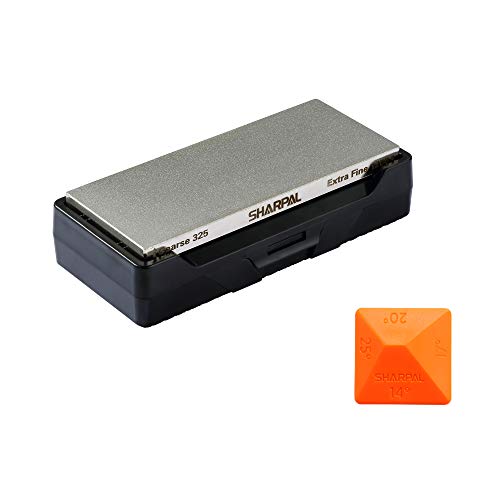
- TAR Score9.4
TAR Score is a ranking system developed by TopAppliancesReviews.com. TAR score has no relationship or impact from any manufacturers or sales agent websites. Learn more
- BrandSHARPAL

- TAR Score9.2
TAR Score is a ranking system developed by TopAppliancesReviews.com. TAR score has no relationship or impact from any manufacturers or sales agent websites. Learn more
- BrandMOLINALIA

- TAR Score9.2
TAR Score is a ranking system developed by TopAppliancesReviews.com. TAR score has no relationship or impact from any manufacturers or sales agent websites. Learn more
- BrandHiramWare
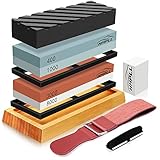
- TAR Score9.0
TAR Score is a ranking system developed by TopAppliancesReviews.com. TAR score has no relationship or impact from any manufacturers or sales agent websites. Learn more
- BrandHMPLL

- TAR Score8.8
TAR Score is a ranking system developed by TopAppliancesReviews.com. TAR score has no relationship or impact from any manufacturers or sales agent websites. Learn more
- Brandlongzon

- TAR Score8.8
TAR Score is a ranking system developed by TopAppliancesReviews.com. TAR score has no relationship or impact from any manufacturers or sales agent websites. Learn more
- BrandParkway Home
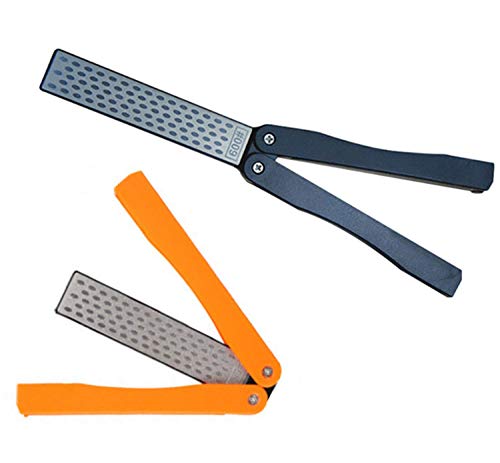
- TAR Score8.8
TAR Score is a ranking system developed by TopAppliancesReviews.com. TAR score has no relationship or impact from any manufacturers or sales agent websites. Learn more
- BrandXILEWHZF

- TAR Score8.8
TAR Score is a ranking system developed by TopAppliancesReviews.com. TAR score has no relationship or impact from any manufacturers or sales agent websites. Learn more
- BrandYRVHCK

- TAR Score8.6
TAR Score is a ranking system developed by TopAppliancesReviews.com. TAR score has no relationship or impact from any manufacturers or sales agent websites. Learn more
- BrandGozantine

- TAR Score8.4
TAR Score is a ranking system developed by TopAppliancesReviews.com. TAR score has no relationship or impact from any manufacturers or sales agent websites. Learn more
- BrandWANTTIK
Last update on 2026-10-03 / Affiliate links / Images, Product Titles, and Product Highlights from Amazon Product Advertising API
FAQs
Can diamond stones damage a knife edge?
Diamond stones can damage a blade if you apply heavy downward pressure or use an overly coarse grit for routine maintenance. Heavy pressure can chip hard high-carbon steel and leave deep scratches that require extensive grinding to fix. Let the diamond abrasive do the cutting with light, smooth strokes.
How long does a diamond sharpening plate usually last?
A quality diamond plate lasts for many years of regular home sharpening when cared for properly. The diamonds do not wear out quickly, but they can be stripped from the nickel base by excessive pressure. Washing away swarf after each use and storing the stone dry will keep it cutting effectively.
Do diamond stones need to be flattened like water stones?
Diamond stones never need flattening because the abrasive is bonded to a solid steel plate. Unlike water stones or oil stones that wear into a hollow dish over time, a diamond plate stays flat for its entire lifespan. This flat surface ensures your sharpening angles remain consistent.
Can you sharpen serrated knives on a flat diamond stone?
A flat diamond stone cannot sharpen the curved gullets of a serrated knife. Rubbing serrations flat against the plate grinds down the protective teeth without sharpening the cutting edges inside. Use a tapered or cylindrical diamond rod that fits inside each individual scallop instead.


Top Rated Best Quality Range Hoods: 2026 Expert Picks

The 12 Best Small Solar Generators 2026

10 Best Quality Semi Automatic Washing Machine of 2026 For Leak-Free Laundry

11 Best Small Washer Machine of 2026 For Everyday Laundry

12 Best Vibration Pads For Washing Machine of 2026 To Stop Walking and Shaking

11 Best Selling Front Load Washing Machine of 2026 For Quiet Odor-Free Laundry

11 Best Washing Machine For King Size Bedding of 2026 To Prevent Cycle Errors

10 Best Small Front Loader Washing Machine of 2026 For Tight Closets






