
How to Safely Sharpen a Knife with Household Items

A ceramic coffee mug works best. Flip the cup upside down, and the rough unglazed circle on the base acts like a fine sharpening stone. Drawing your blade across that ring at a steady angle will restore a clean cutting edge in minutes. Dull blades tend to slip off smooth food and cause hand injuries, so giving the steel a quick touch-up keeps dinner prep safe.
The right method depends on what is in your kitchen and how dull the blade has become. A ceramic mug or a sheet of fine sandpaper removes metal to sharpen a truly blunt knife, while an untreated leather belt simply straightens an edge that has bent out of alignment. Makeshift surfaces can leave small cosmetic scratches, so stick to everyday utility blades rather than prized collector knives. The steps below show how to get a sharp edge safely.
The Short Version
- Use an unglazed ceramic ring: The rough circle on the bottom of an upside-down ceramic mug acts like a fine sharpening stone, cutting away dull steel to restore your edge in minutes.
- Hold a consistent angle: Match the slanted cutting edge (about 20 degrees for Western kitchen knives or 15 degrees for delicate Japanese blades) and pull smoothly from heel to tip.
- Strop away the burr: Pull the blade backward across a plain leather belt or clean cardboard to wipe away the burr (the tiny rough metal lip on the edge).
- Wash before cutting: Clean the knife with warm soapy water to rinse away abrasive ceramic grit and fine metal dust before slicing food.
Which Household Items Work and Which Ones Ruin Blades
A dull kitchen knife is a major safety hazard. When an edge loses its bite, it cannot slice through tough tomato skins, raw onions, or squash. Instead, the blade glances off sideways, sending uncontrolled force toward your fingers. If you do not own a whetstone or sharpening gadget, specific household items can restore a usable edge, while others will ruin your blade permanently.
To sharpen steel safely, an item must be harder than the blade metal while offering a smooth, uniform grit. Several everyday items work well:
- Ceramic coffee mugs: The unglazed ring (the rough circle on the bottom of a mug) exposes bare, kiln-fired ceramic. Ceramic is harder than kitchen knife steel and gently shaves away dull metal just like a fine ceramic sharpening rod.
- Fine automotive sandpaper: Sandpaper rated at 1000-grit or higher works when taped flat over a smooth glass or stone cutting board.
- Leather belts and cardboard: Smooth leather belts and corrugated cardboard do not sharpen dull edges, but they realign bent steel and polish off rough wire edges.
Other surfaces cause severe damage and must be avoided. Concrete sidewalks, patio blocks, and red bricks contain coarse sand that tears deep gouges into the slanted cutting edge (the bevel). Car window edges are slick and round over the cutting apex. Scraping two knife blades together merely dents both tools.
Sturdier blades, like those in German high carbon steel knife sets, handle emergency ceramic mug sharpening nicely, but softer steels require very light pressure to prevent cosmetic scuffs.
How to Sharpen a Blade Using an Upside-Down Coffee Mug
An upside-down ceramic mug is the most dependable emergency sharpener in any kitchen. The bottom foot ring is left unglazed during manufacturing so the cup does not fuse to the kiln shelf. That bare ceramic ring acts as a high-grit abrasive stone. Follow these steps to restore a functional edge:
- Secure the mug: Place a damp kitchen towel flat on a sturdy countertop. Set your ceramic mug upside down on top of the cloth so it cannot slide or wobble. Never do this on a slick, bare counter; a shifting mug can cause the blade to slip toward your fingers.
- Set the bevel angle: Hold the knife handle firmly with your dominant hand. Place the heel of the blade against the rough, unglazed ring. Tilt the blade so the slanted cutting edge sits flush against the ceramic. For most Western kitchen knives, aim for a 20-degree angle per side, about the thickness of a matchbook under the spine. For delicate Japanese blades, lower the angle to a steep 15-degree slicing edge.
- Sweep from heel to tip: Pull the knife toward your body in a steady, sweeping curve from the heel to the pointed tip. Keep your wrist locked and use light, even pressure, about the same weight you use to slice a ripe peach. Avoid pushing down hard, which scratches the blade sides.
- Alternate sides evenly: Make five to eight smooth passes along the first side of the blade. Flip the knife over and repeat the exact same number of strokes on the other side. Faint gray lines will appear on the ceramic, showing microscopic steel dust coming off the blade.
- Feel for the burr: Carefully slide the flat pad of your thumb outward across the blade flat and over the edge, never along the edge length. You should feel a microscopic wire edge or curved sliver of metal on the opposite side. That rough lip is the burr, confirming your new bevels meet cleanly.
- Finish with alternating passes: Make two or three ultra-light strokes per side, alternating with each stroke to center the apex.
How to Smooth the Finished Edge Using a Leather Belt or Cardboard
Grinding a blade against ceramic restores the cutting bevel, but it also leaves a fragile burr clinging to the steel. If you cut food right away, that microscopic wire edge will quickly fold over, leaving the blade dull again within minutes. Stropping removes that burr and polishes the cutting apex so the edge lasts.
Honing and stropping differ from sharpening. Sharpening grinds away steel to create a fresh bevel. Honing means straightening a bent edge without shaving off metal. Stropping uses mild friction against leather or cardboard to align microscopic steel teeth and strip off the wire burr without removing blade stock.
A plain leather work belt is an ideal stropping tool. Lay the belt flat on a sturdy table with the rough, unfinished leather side facing up. Anchor the buckle firmly with your free hand. If you do not have a leather belt, use a flat strip of clean corrugated cardboard cut from a shipping box. Cardboard contains natural wood silicates that polish steel effectively.
Rest the blade flat on the surface, raising the spine slightly to match your sharpening angle. Drag the blade backward across the strap, leading with the spine and trailing the cutting edge. Never push the edge forward. Make ten backward strokes per side, alternating sides with every pass.
How to Check Sharpness Safely and Wash Away Metal Dust
Once you finish stropping, confirm that the blade is truly sharp before tackling dinner prep. You must also clean off abrasive residue to keep metal particles out of your food. Use this checklist to inspect and clean your knife safely:
- Avoid hazardous checks: Never check sharpness by shaving hair off your forearm or running your bare finger down the length of the edge. These habits carry an unnecessary risk of deep cuts if your hand slips.
- The paper slice check: Hold a sheet of printer paper vertically by one corner. Place the heel of the knife against the top edge and push forward and downward gently. A sharp blade glides cleanly through the paper with no tearing. If the blade snags or rips the sheet, the edge still has flat spots or a burr that needs more stropping.
- The tomato skin check: Place a ripe tomato on your cutting board. Rest the edge against the waxy skin and pull the blade backward without pushing down. A sharp knife bites into the skin under its own weight. If the knife squishes the tomato, repeat a few passes on your ceramic mug.
- Wash away abrasive metal dust: Sharpening leaves microscopic steel shavings and ceramic particles on the blade. Wipe the blade clean with a dry paper towel, then wash it with warm water and mild dish soap. Dry the blade completely with a clean towel immediately. Even stainless steel (which is rust-resistant, easy-to-clean metal) can pit if left damp, while high-carbon blades will oxidize quickly without immediate drying.
Common Household Hacks to Avoid
When you are in a rush to prepare food, online advice often suggests aggressive sharpening shortcuts. Most of these hacks cause severe, irreversible blade damage.
Never grind your knives against toilet tank lids, glazed porcelain tiles, or outdoor rocks. While porcelain is hard, toilet lids have wavy, uneven surfaces that hollow out the belly of a blade, leaving a dip that prevents the knife from resting flat on a cutting board. Outdoor river rocks and flagstones contain sharp quartz minerals that tear deep notches into the edge.
Take extra caution with premium kitchen cutlery. High-end blades, including those in Japanese chef knife sets, feature thin profiles made from hard, brittle metal. Makeshift ceramic mug sharpening can easily chip these delicate edges. Reserve household sharpening for basic utility knives and everyday stainless steel knives during genuine kitchen emergencies.
Power tools represent the most dangerous household shortcut. Never run a kitchen knife against a bench grinder or dry sanding disc. High-speed dry grinding creates friction heat that ruins the knife's temper (the precise heat treatment that gives steel its hardness). Once the temper is destroyed, the metal softens permanently and will never hold an edge again.
What to Look for in a Dedicated Sharpener for Long-Term Care
Ceramic mugs and leather belts are practical emergency solutions, but they rely on hand stability. Over time, manual angle variations round the cutting bevel and scratch blade faces. Once your immediate cutting task is finished, choosing a dedicated knife sharpener provides consistent angles and protects your knives.
For quick daily care, multi-stage manual pull-through sharpeners offer simplicity and speed. Look for units equipped with a non-slip rubber base and a comfortable ergonomic handle so the tool stays secure on your countertop. High-quality pull-through sharpeners provide preset angle guides that maintain an exact 15 or 20 degrees on every pass. Many designs feature coarse tungsten carbide or diamond rods to reshape blunt edges, followed by fine ceramic rods to hone and polish the apex without stripping excess steel.
If you prefer total control over blade geometry, a dual-grit whetstone set offers superior precision. Stones with a coarse 400 or 1000 grit let you repair nicked edges, while fine 3000 to 8000 grit sides refine a razor-sharp finish. After sharpening, storing your blades in protective blocks, such as those found in magnetic knife block combos, prevents cutting edges from dulling against other cutlery in a cluttered drawer.

- TAR Score9.4
TAR Score is a ranking system developed by TopAppliancesReviews.com. TAR score has no relationship or impact from any manufacturers or sales agent websites. Learn more
- BrandACCUSHARP

- TAR Score9.2
TAR Score is a ranking system developed by TopAppliancesReviews.com. TAR score has no relationship or impact from any manufacturers or sales agent websites. Learn more
- BrandIntelitopia
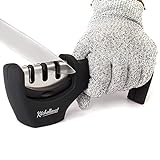
- TAR Score9.0
TAR Score is a ranking system developed by TopAppliancesReviews.com. TAR score has no relationship or impact from any manufacturers or sales agent websites. Learn more
- BrandKITCHELLENCE
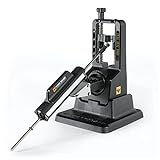
- TAR Score9.0
TAR Score is a ranking system developed by TopAppliancesReviews.com. TAR score has no relationship or impact from any manufacturers or sales agent websites. Learn more
- BrandWORK SHARP

- TAR Score8.8
TAR Score is a ranking system developed by TopAppliancesReviews.com. TAR score has no relationship or impact from any manufacturers or sales agent websites. Learn more
- Brandlongzon

- TAR Score8.8
TAR Score is a ranking system developed by TopAppliancesReviews.com. TAR score has no relationship or impact from any manufacturers or sales agent websites. Learn more
- BrandLUFFEXX
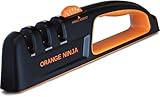
- TAR Score8.8
TAR Score is a ranking system developed by TopAppliancesReviews.com. TAR score has no relationship or impact from any manufacturers or sales agent websites. Learn more
- BrandSharp Pebble

- TAR Score8.6
TAR Score is a ranking system developed by TopAppliancesReviews.com. TAR score has no relationship or impact from any manufacturers or sales agent websites. Learn more
- BrandHOTEC
Last update on 2026-10-03 / Affiliate links / Images, Product Titles, and Product Highlights from Amazon Product Advertising API
FAQs
Can sharpening on a coffee mug scratch the sides of my knife?
Yes, your knife can get scratched if the blade wobbles or tilts too flat against the mug base. To protect the blade face, maintain a steady 15 to 20 degree angle so only the cutting bevel touches the unglazed ceramic ring. Always use light, controlled strokes rather than heavy downward pressure.
How long will a knife sharpened on a ceramic mug stay sharp?
An edge sharpened on a mug generally lasts through several days to a few weeks of regular meal prep, depending on what you cut and your cutting board material. Because ceramic leaves a slightly coarse finish, stropping the blade on cardboard or a leather belt between prep sessions helps prolong the edge.
Can I sharpen a serrated bread knife on an upside-down mug?
No, you should never slide a serrated knife across the flat unglazed ring of a coffee mug. The flat ceramic surface will grind down the pointed teeth and ruin the scalloped edge pattern. Serrated knives require specialized tapered sharpening rods that fit inside each individual serration.
What is the difference between honing on cardboard and sharpening on ceramic?
Sharpening on ceramic actively grinds away dull steel to form a brand-new cutting edge. Honing on cardboard does not shave off metal; instead, it straightens bent steel and wipes away the microscopic wire burr left behind after sharpening. Cardboard will not restore a knife that has already lost its cutting edge.


Top Rated Best Quality Range Hoods: 2026 Expert Picks

The 12 Best Small Solar Generators 2026

10 Best Quality Semi Automatic Washing Machine of 2026 For Leak-Free Laundry

11 Best Small Washer Machine of 2026 For Everyday Laundry

12 Best Vibration Pads For Washing Machine of 2026 To Stop Walking and Shaking

11 Best Selling Front Load Washing Machine of 2026 For Quiet Odor-Free Laundry

11 Best Washing Machine For King Size Bedding of 2026 To Prevent Cycle Errors

10 Best Small Front Loader Washing Machine of 2026 For Tight Closets






