
What Is the Best Washer Dryer to Buy for Your Home?

There’s no need to worry about finding one washer and dryer that suits every home. A one-piece combo makes sense when space is tight, while separate machines are a better fit if you have room and want to wash and dry at the same time.
The right setup also depends on the water, drain and power connections you have, plus how much laundry you wash. Check whether the machine dries clothes on its own and can handle the amount you wash, or whether you’ll need to move clothes by hand. Here’s how to compare the options and check that a setup will work in your home.
How do washer and dryer setups differ?
A washer dryer can mean one appliance that washes and dries clothes, two separate appliances, or a portable washer with a separate spinning basket. Those setups can look similar in a product name, but they don’t all finish a load in the same way. Check the full description and manual before you buy.
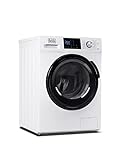
A one-piece washer dryer combo handles washing and drying in the same appliance. You put clothes in once, choose a cycle, and the machine moves through its wash and dry steps. That can save space and avoid carrying wet laundry to another machine. The drying method and the amount of laundry the machine can dry may differ from what you expect, so confirm both.
A separate washer and dryer are two appliances. You move wet clothes from the washer to the dryer, then set the dryer separately. This takes more floor space and involves a transfer, but you can wash another load while the first one dries. Each appliance also has its own capacity and hookup requirements.
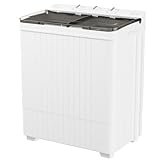
A twin-tub washer has a wash tub where clothes soak and move through soapy water, plus a separate spin basket that removes some of the water. It usually does not wash and dry a load from start to finish by itself. You may need to move each load by hand from the wash tub to the spin basket, then hang the clothes or use another dryer.
Some compact washers are fully automatic, while some portable models require more hands-on work. Don’t assume that “portable” means the machine connects to any faucet or drains into any sink. Look for a clear description of the water supply, drain setup, electrical needs, and the steps you must do between wash and spin.
Which setup fits your space and laundry?
Choose a one-piece combo if you have room for only one appliance and want one machine to handle both jobs. It can suit a small laundry area where there’s no practical place to add a second unit. Before settling on it, confirm that the full dry cycle suits your routine, especially if you regularly wash bulky items or need clothes ready quickly.
A separate pair can work better if you have space for both machines and want to run washing and drying at the same time. Picture a busy laundry day: one load can dry while another washes. You’ll still need to transfer wet clothes, and both appliances must fit and connect safely in the available space.
A compact or portable washer may help if a full-size setup won’t fit or your home has limited laundry connections. But portable models differ. Some need you to attach a hose to a suitable faucet, while others may use a different water supply or drain arrangement. Check whether the actual setup works with your home, not just whether the listing calls it portable.
Consider how laundry works in your household. If you want to start a load and return only when it is finished, look for a fully automatic wash-and-dry process. If you don’t mind transferring clothes, waiting between steps, or hanging them to finish drying, a more manual arrangement may be acceptable.
Think about the items you wash most often. A few shirts and small everyday loads put different demands on a machine than towels, bedding, or several people’s laundry. The load size you can wash may not match the amount the machine can dry in one go, so compare both before deciding.
If long-term dependability is part of your decision, read what to look for in a reliable washing machine. Reliability information won’t tell you whether a unit fits your room or hookups, so treat those as separate checks.
What should you check before buying?
Measure the planned location before ordering. Check the width, depth, and height shown on the product page, then compare them with the clear space in your home. Include room for the door or lid to open and for you to reach hoses, controls, and the power connection.
Leave space behind the machine for hoses and avoid squeezing hoses into a sharp bend. The amount of clearance varies by model, so use the manufacturer’s listed placement guidance rather than guessing. Check narrow doorways, stair turns, and hallways too; a machine that fits its final spot may still be hard to carry there.
Check the water supply next. Confirm whether the washer needs hot and cold water supply hoses, a sink connection, or another arrangement. If it uses a quick-connect sink adapter, look at your faucet: a standard threaded faucet may accept a common connector, but a pull-out spray faucet may need a special adapter or may not suit that setup. Follow the manufacturer’s instructions.
Find out where used water goes. A drain hose carries used water away, but its placement and the machine’s drain method matter. Some machines push water through a built-in drain pump, while others rely on gravity and need the hose to lie flat toward a suitable floor drain. Confirm the allowed drain height and placement in the manual.
Check that the electrical connection matches the machine’s label and instructions. Don’t use an ungrounded two-prong outlet or a lightweight extension cord for a washer. If you’re unsure whether the outlet or circuit is suitable, stop and ask a qualified electrician before connecting the appliance.
Renters should confirm that the landlord allows the needed water and drain connection, and that any required changes can be made. In an RV, check the owner’s guidance for the available connections and power supply. Don’t force a hose onto a faucet or use a connection that leaks; shut off the water and get help if you can’t make a secure, suitable connection.
- Space: Compare the listed dimensions with the room, doorway, and opening path.
- Water: Confirm how the machine receives water and whether your faucet or supply matches.
- Drain: Check where the drain hose must sit and where the used water will go.
- Power: Match the appliance label to a suitable grounded outlet, and ask an electrician if you’re uncertain.
- Routine: Confirm whether you must move clothes, refill water, or hang laundry to finish drying.
What capacity and drying details matter?
Capacity means how much laundry a machine can handle. Compare the listed wash capacity with the kind of loads you actually do, not just the amount you hope to fit into the room. A crowded wash basket can leave clothes with too little room to move, while a machine that’s too small for your usual loads may mean extra cycles.
Check the drying capacity separately. A machine may be able to wash more laundry than it can dry in one load. If the manual says to remove some clothes before drying, that means you’ll need to split the load and run more than one drying cycle. That can be inconvenient if your goal is one uninterrupted wash-and-dry routine.
Ask how the drying method works and what connection it requires. Product descriptions may use “washer dryer” for different designs, so don’t rely on the name alone. Read the manual or product page to confirm whether drying is built into the same appliance, whether a separate dryer is needed, and whether the machine needs a particular vent, drain, or other connection.
Check the drying instructions for towels, bedding, and heavier clothing. A machine’s listed drying capacity may not mean every type of item can dry together in one load. Follow the load limits and fabric guidance in the manual, and leave room to split bulky laundry if the instructions call for it.
Look at the cycle steps, too. Confirm whether the machine rinses and spins automatically before drying, whether you have to select a separate drying cycle, and whether a spin-only setting is available. If you want to leave home while a cycle runs, make sure the manufacturer’s instructions allow the planned use and that the machine is installed as directed.
Don’t judge a machine by a large capacity figure alone. Check what that number describes, how it is stated on the product page, and whether it refers to washing or drying. If the listing is unclear, ask the seller or manufacturer for the exact wash and dry limits before purchasing.
When does a twin-tub washer make sense?
A twin-tub machine may suit you if a compact setup matters more than a hands-off routine. It has a wash tub and a separate spin basket, so you handle the change from washing to spinning yourself. Spinning removes water from clothes, but it does not mean the clothes are fully dry.
With this setup, you may need to move a wet load between tubs, set the wash and spin steps separately, and hang the clothes afterward. That can work for small loads when you’re nearby and don’t mind supervising. It may feel like too much work if you expect to load the machine once and return to dry clothes.
Check how water enters and leaves the machine before buying. Some portable washers need a suitable faucet connection; others may have different instructions. Look for the exact drain arrangement and make sure you have a safe place for used water to flow. Keep the machine stable and use it only as its manual directs.
Don’t treat every twin-tub or portable washer as a full washer dryer. Confirm whether the listing describes a separate spin basket or a true drying cycle. If you need clothes fully dry without hanging them, choose a setup whose instructions clearly explain how it dries them and what limits apply.
What kind of washer dryer should you compare?
Start with the format that matches your room and routine: a one-piece combo for one-appliance convenience, a separate washer and dryer if you have space and want independent cycles, or a twin-tub unit if you accept manual transfers. Before choosing a specific model, verify its dimensions, water supply, drain arrangement, electrical needs, wash capacity, and separate drying capacity. Make sure the listed drying method matches what you mean by “dry,” so you don’t end up with damp clothes and an extra step you didn’t plan for.
- TAR Score9.4
TAR Score is a ranking system developed by TopAppliancesReviews.com. TAR score has no relationship or impact from any manufacturers or sales agent websites. Learn more
- BrandSuperday

- TAR Score9.0
TAR Score is a ranking system developed by TopAppliancesReviews.com. TAR score has no relationship or impact from any manufacturers or sales agent websites. Learn more
- BrandSamsung

- TAR Score8.6
TAR Score is a ranking system developed by TopAppliancesReviews.com. TAR score has no relationship or impact from any manufacturers or sales agent websites. Learn more
- BrandOmelaza

- TAR Score7.5
TAR Score is a ranking system developed by TopAppliancesReviews.com. TAR score has no relationship or impact from any manufacturers or sales agent websites. Learn more
- BrandINTERGREAT
- TAR Score7.1
TAR Score is a ranking system developed by TopAppliancesReviews.com. TAR score has no relationship or impact from any manufacturers or sales agent websites. Learn more
- BrandBLACK+DECKER
Last update on 2026-11-10 / Affiliate links / Images, Product Titles, and Product Highlights from Amazon Product Advertising API
FAQs
Can a washer dryer combo dry a full wash load?
Not necessarily. The amount it can dry may be less than the amount it can wash, so check both limits in the product information and manual. If the dry limit is lower, you may need to remove part of the load before drying.
Do portable washers work with every sink?
No. The faucet shape and the washer’s connection both matter. Check the connection instructions before buying, especially if your faucet has a pull-out spray head or you don’t have a suitable drain nearby.
Does a spin basket dry clothes completely?
No. A spin basket removes some water by spinning clothes, but the clothes may still need to hang dry or go into a separate dryer. Check the machine’s instructions to see exactly what its spin step does.
Should I install a washer myself?
Only connect it yourself if the manual’s instructions match your hookups and you can make each connection safely. Stop if a hose leaks, the outlet doesn’t match the appliance label, or you’re unsure about the drain or electrical setup. Ask a qualified plumber or electrician for help with connections you can’t confirm.
Related guides: what is best washer dryer to buy and what is the best washer and dryer to buy and what is a good washer and dryer to buy.


10 Best Washing Machine For King Size Comforter of 2026 For Bulky Bedding

11 Best Semi Automatic Washing Machine Under 10000 of 2026 For Apartments and RVs

9 Best Compact Refrigerator For Beer Bottles of 2026 For Upright Bottle Fit

10 Best Quality Semi Automatic Washing Machine of 2026 For Leak-Free Laundry

11 Best Small Washer Machine of 2026 For Everyday Laundry

12 Best Vibration Pads For Washing Machine of 2026 To Stop Walking and Shaking

11 Best Selling Front Load Washing Machine of 2026 For Quiet Odor-Free Laundry

11 Best Washing Machine For King Size Bedding of 2026 To Prevent Cycle Errors





