
What Washer and Dryer Should You Buy for Your Home?

Many people assume the best choice is a regular washer and dryer pair. That isn’t true for every home: the right setup is the one that fits your space, hookups, and laundry routine. A single all-in-one machine or a compact setup may suit you better, but each works differently day to day.
Start by checking how much room you have and whether a dryer can vent air outside. Then consider your water, drain, and power connections, along with how much laundry you do and whether you’re willing to move clothes between tubs. A portable setup may also need careful placement to keep water from spilling or draining where it shouldn’t. Here’s how to compare the options and what to confirm before buying.
The Short Version
- Choose separate full-size machines if you have room, suitable hookups, and enough laundry to make washing and drying one load while another waits worthwhile.
- Choose an all-in-one machine if you want one appliance to wash and dry clothes without moving them, and you can accept that laundry may take longer before the load is ready.
- Choose a compact or portable setup when space or a rental situation rules out standard machines, but check the water, drain, and power connections before ordering.
- Choose a twin-tub setup only if you’re comfortable moving wet clothes from the wash tub to a separate spin basket and managing more of the process yourself.
Which Washer and Dryer Setup Fits Your Home?
The right setup depends on more than whether a machine can fit through the doorway. You also need room for the appliance and its hoses, the right connections, and a laundry routine that feels manageable on an ordinary busy day.
Separate machines are a practical fit when you have a dedicated laundry space and compatible washer and dryer connections. You wash clothes in one machine, then move them to the dryer. That extra step lets you start another load while the first one dries.
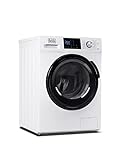
An all-in-one machine washes and dries clothes in one appliance. You don’t need to transfer the load between machines, which can help in a small home without room for a separate pair. You may need to wait for the full wash-and-dry cycle before starting another load, so consider how often you do laundry.
A compact automatic washer and dryer can suit an apartment or other tight laundry area if the available connections match the machine’s requirements. “Compact” doesn’t automatically mean portable or compatible with a kitchen faucet. Check the product page and manual for the exact installation needs.
A portable setup may work for a renter, dorm room, or RV when a permanent laundry connection isn’t available. Some portable washers connect to a faucet and drain into a sink or tub. Others need a different arrangement, so don’t assume you can use one with your existing faucet.
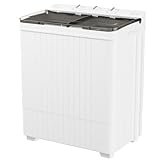
A twin-tub washer has two separate tubs: one for washing and one for spinning water out of the clothes. It can reduce some of the wetness before you hang clothes to dry, but it isn’t the same as an automatic washer and dryer. You move clothes between tubs and manage more of the cycle yourself.
Match the Setup to Your Space, Connections, and Routine
Start with the laundry area, not the product photo. Measure the width, depth, and height of the spot, then check the route the appliance will take through doors, halls, and stairways. Leave room for the door or lid to open and for hoses to sit without being crushed.
Look behind the current machine, if you have one. Note where the water shutoff valves, drain, and power outlet are, and whether the dryer has a vent, an opening or hose that carries dryer air outside. A machine that fits the floor space can still be the wrong choice if its connections don’t reach or its dryer needs an outlet you don’t have.
Think through a normal laundry day. If you wash several loads in a row, separate machines let you move one load to the dryer and start another. If you usually do a small amount of laundry and don’t want to carry wet clothes between machines, an all-in-one may feel simpler.
Before buying, use this checklist:
- Measure the space. Check the listed appliance dimensions and leave room for doors, lids, hoses, and any clearance the manufacturer requires.
- Identify the connections. Confirm the needed water supply, drain setup, and power outlet. Don’t assume a portable washer will fit your faucet.
- Check the dryer arrangement. Confirm whether the dryer needs a vent to the outdoors or has another installation requirement. Follow the product manual rather than guessing.
- Match the laundry amount. Check the listed capacity and consider your largest regular load, such as towels or bedding. A machine that handles daily clothes may not suit bulky items.
- Plan where wet clothes go. If the setup has separate wash and spin tubs, decide whether you’re willing to transfer clothes each time.
If you’re replacing an existing machine, don’t assume the new one uses the same connections just because it looks similar. Compare its installation requirements with the current space, and ask the seller or a qualified installer if anything is unclear.
What Portable and Twin-Tub Laundry Takes Day to Day
Portable machines can solve a space or rental problem, but they may add steps to laundry day. Depending on the design, you may need to attach a hose to a faucet, place a drain hose securely, and put the machine near a sink or drain. A pull-out spray faucet may need a different adapter than a regular threaded faucet, so confirm compatibility before ordering.
Keep the drain hose arranged as the instructions require. Some machines use a built-in drain pump that pushes water into a sink or drain pipe. Others rely on gravity, which means the hose must follow the manufacturer’s directions so water can flow to the drain. A loose or poorly placed hose can spill water onto the floor.
For a twin-tub machine, you put clothes in the wash tub first. After washing, you move them to the separate spin basket, which spins out some water. You may then need to move clothes to a drying rack, clothesline, or separate dryer. If you don’t want to handle wet laundry several times, this arrangement may become frustrating.
Keep portable machines stable and use them only as their instructions allow. Don’t place a washer where a leak could run unnoticed into a lower floor or under cabinets. If you see water near a plug or outlet, don’t touch the wet area or unplug the machine while standing in water. Keep away and contact a qualified professional.
For an RV or other small space, check where the machine can sit during use and how it will be secured or stored. Water movement, limited drainage, and restricted space can make a setup that seems convenient at home unsuitable on the road. Confirm the product’s allowed use and installation needs with the manufacturer.
What to Confirm Before You Order
Read the product page for installation details, not just the name or photos. If a key detail is missing, ask the seller or manufacturer before buying. A clear answer now can prevent a delivery that leaves you with an appliance you can’t connect.
- Dimensions and access: Confirm the listed width, depth, and height. Measure the space and the narrowest doorway or stairway on the delivery route.
- Water connections: Check whether the machine needs hot and cold water supply hoses or connects to a faucet. Confirm that the included or required adapter works with your faucet style.
- Drain: Find out whether the machine pumps water out or needs a gravity drain. Check the permitted drain location and hose arrangement in the manual.
- Power: Confirm the required outlet and electrical connection from the product page or manual. Don’t use a lightweight extension cord or an ungrounded outlet as a substitute for the connection the machine requires.
- Dryer vent: Check whether dryer air must be carried outside and what vent arrangement the manufacturer allows. Don’t block or redirect a vent without confirming it’s permitted.
- Capacity and cycle: Verify the listed capacity and whether the machine washes and dries automatically, requires a transfer, or only spins clothes partly dry.
- Included parts: Confirm whether hoses, faucet adapters, drain parts, or other needed pieces come with the machine. The product name alone doesn’t confirm what’s in the box.
- Installation and returns: Check who handles installation and what the seller’s return rules require if the connections or space don’t work.
If the product page doesn’t explain a connection clearly, pause before ordering. A qualified installer can help confirm whether your water, drain, and power setup can support the appliance. For a rental, ask the landlord before changing plumbing or adding a dryer vent.
When a Full-Size Pair or All-in-One Makes More Sense
A full-size pair is often more convenient when you have a dedicated laundry area, compatible connections, and regular loads to get through. You can wash one load while another dries, which helps when laundry piles up after work or over the weekend. The tradeoff is the floor space and separate connections the pair requires.
An all-in-one is a better fit when you want one appliance and would rather not move clothes from washer to dryer. It can be useful in a home where a separate pair won’t fit. Check the listed capacity and cycle details, and consider whether waiting for a combined cycle fits your household’s laundry pace.
A compact or portable machine is worth considering when a standard setup isn’t practical, but only if its installation matches your home. A portable label doesn’t guarantee that the machine will work with your sink, drain, outlet, or RV. Confirm each connection before you commit.
If reliability is a major concern, compare the maintenance and support information for the specific model you’re considering. The guide to what to look for in a reliable washing machine can help you think through that part of the decision. Whatever style you choose, favor clear installation instructions and a setup that you can use safely every week.
Washer and Dryer Options to Consider
Compare options by the job they need to do in your home, not by the word “combo” in a product name. A separate pair, an all-in-one, and a twin-tub setup involve different connections and different amounts of hands-on laundry.
Before choosing, confirm the actual dimensions, required connections, dryer vent needs, capacity, and whether clothes move between tubs. If any of those details aren’t listed, ask the seller or manufacturer. The options shown after this section can help you compare styles, but only your measurements and connection checks can show whether one will fit your home.
- TAR Score9.4
TAR Score is a ranking system developed by TopAppliancesReviews.com. TAR score has no relationship or impact from any manufacturers or sales agent websites. Learn more
- BrandSuperday

- TAR Score9.0
TAR Score is a ranking system developed by TopAppliancesReviews.com. TAR score has no relationship or impact from any manufacturers or sales agent websites. Learn more
- BrandSamsung

- TAR Score7.6
TAR Score is a ranking system developed by TopAppliancesReviews.com. TAR score has no relationship or impact from any manufacturers or sales agent websites. Learn more
- BrandDOGHLY

- TAR Score7.5
TAR Score is a ranking system developed by TopAppliancesReviews.com. TAR score has no relationship or impact from any manufacturers or sales agent websites. Learn more
- BrandINTERGREAT
- TAR Score7.1
TAR Score is a ranking system developed by TopAppliancesReviews.com. TAR score has no relationship or impact from any manufacturers or sales agent websites. Learn more
- BrandBLACK+DECKER
Last update on 2026-11-10 / Affiliate links / Images, Product Titles, and Product Highlights from Amazon Product Advertising API
FAQs
Do I need separate washer and dryer machines?
No. Separate machines are useful when you have enough room and want to wash one load while another dries. An all-in-one can save space and avoids moving clothes between machines, but check its cycle details and capacity before deciding.
Will a portable washer work with my kitchen faucet?
Not always. Some portable washers use a faucet adapter, but faucet designs differ, and pull-out spray faucets may need a specialized adapter or a separate tap. Check the machine’s instructions and confirm compatibility with the exact faucet you have.
Do twin-tub washers dry clothes completely?
No. The spin basket spins water out, but that doesn’t mean clothes are ready to wear. You may still need to hang them up or use a separate dryer, and you must move the clothes from the wash tub to the spin basket.
What should I do if I can’t confirm the hookups?
Don’t order based on an assumption. Check the product manual or ask the manufacturer or seller about the water, drain, power, and dryer vent requirements. If your home needs plumbing or electrical changes, ask a qualified professional before installation.


10 Best Washing Machine For King Size Comforter of 2026 For Bulky Bedding

11 Best Semi Automatic Washing Machine Under 10000 of 2026 For Apartments and RVs

9 Best Compact Refrigerator For Beer Bottles of 2026 For Upright Bottle Fit

10 Best Quality Semi Automatic Washing Machine of 2026 For Leak-Free Laundry

11 Best Small Washer Machine of 2026 For Everyday Laundry

12 Best Vibration Pads For Washing Machine of 2026 To Stop Walking and Shaking

11 Best Selling Front Load Washing Machine of 2026 For Quiet Odor-Free Laundry

11 Best Washing Machine For King Size Bedding of 2026 To Prevent Cycle Errors





