
What Washer and Dryer Setup Fits Your Home Best?

The laundry corner looks smaller once the old machines are pulled out, and the dryer hose has nowhere easy to go. There isn’t one best washer and dryer setup for every home; the right choice depends on your room, hookups, laundry habits, and how much hands-on work you’re willing to do.
Separate machines can suit a household with room and matching hookups, while an all-in-one can save space but may not fit every routine. A portable twin tub can work where standard hookups aren’t available, but you’ll need to move clothes between tubs yourself. Think about how much laundry piles up, how often you wash, and where hoses and power can safely reach. A few checks before buying can help you avoid a setup that’s awkward to install or use.
Why isn’t one setup right for everyone?
The right washer and dryer setup depends on the room, the water and power connections, and how much work you want to do during laundry. A pair of full-size machines may be convenient in a laundry room, but hard to fit in a small apartment. A compact machine may fit better, yet still need a suitable faucet, drain, and outlet.
Start by picturing an ordinary laundry day. Do you wash several loads in a row, or just a few small loads? Can you move clothes from the washer to a separate dryer, or would you rather have one machine handle both steps? Those answers matter as much as the machine’s listed features.
Be careful with the word “combo.” It can describe one machine that washes and dries clothes inside the same drum, or a set with separate machines. A twin-tub portable washer is different again: it has one tub for washing and a second basket for spinning water out. Check the product description and manual to see which kind you’re considering.
Which setup fits your space and effort level?
Separate machines give you a washer and a dryer with separate spaces for clothes. You move a load from one machine to the other, but you can often start another wash while an earlier load dries. This can suit a busy household with enough room and the right hookups.
Before choosing a pair, check the space where both machines will sit and the path they must travel to get there. A machine can fit through the doorway but still be too deep once hoses and the power cord are in place. Leave room to open doors or lids and to reach the water shutoff valves.
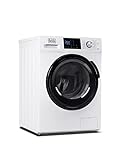
An all-in-one washer and dryer washes and dries clothes in one machine, so you don’t move a load between appliances. It can help when floor space is limited or a separate dryer won’t fit. Check whether the exact model needs special hookups, how its wash and dry cycles work, and whether its listed capacity suits your usual loads.
With one machine doing both jobs, you may need to wait for a load to finish before starting the next one. That can be fine if you do small loads now and then. It may feel limiting if laundry piles up and you depend on running a wash and a dry at the same time.
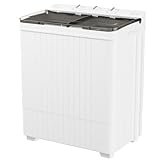
A portable twin-tub washer can suit a small home, a temporary setup, or a space without a standard washer connection, but “portable” doesn’t mean “no setup.” Depending on the model, you may need to attach a hose to a faucet, direct a drain hose into a sink or drain, and manage wash and spin steps yourself. Read the instructions for the exact model before assuming it will work with your sink or room.
A twin tub also asks more of you during each load. You wash clothes in one tub, then move them by hand to the separate spin basket. Spinning removes some water, but don’t assume it dries clothes fully; check the product information to understand what the machine’s spin step does.
How should your laundry habits guide the choice?
Think about the clothes you wash most often, not just the occasional bulky item. A person washing a few shirts and small items may be comfortable with a compact setup. A household that washes bedding, towels, and several loads in a day may want a larger, more convenient arrangement, if the space and connections allow it.
- Choose separate machines if you have room and hookups, wash often, and want to run the washer and dryer as separate steps.
- Consider an all-in-one machine if floor space is tight and you prefer not to transfer clothes between appliances.
- Consider a twin tub if you can handle moving clothes between tubs and can manage its water supply and drain arrangement.
- Pause before buying if you’re unsure how a machine connects, where its water drains, or whether it can handle your usual loads.
Household size alone doesn’t settle the choice. Two people who wash clothes every few days may need a different setup from one person washing work clothes daily. Make a short list of what goes into a typical load, how often you wash, and whether you need to wash another load while one dries.
Also consider the person who will use the machine. If lifting wet clothes or transferring them between tubs would be difficult, a twin-tub setup may create more work than it saves. If you rent, ask the property manager before changing connections or adding equipment that could affect a faucet, drain, or outlet.
What should you check before buying?
Measure the intended space before placing an order. Check the machine’s listed width, depth, and height against the room, doorway, and any narrow hall or stairway on the delivery path. Allow 4 to 6 inches behind the machine for hoses, as the plain-word guidance suggests, and confirm the maker’s own clearance instructions for the exact model.
Next, look at the hookups. Check whether the room has hot and cold water supply hoses, water shutoff valves, a drain, and the kind of outlet the machine calls for. A standard 120-volt, 3-prong grounded wall outlet is not a substitute for a different power requirement; read the product label and manual rather than guessing. Don’t use an ungrounded two-prong plug or a lightweight extension cord for a washer or dryer.
For a portable washer, inspect the faucet before choosing a model. Some use a quick-connect sink adapter that clicks onto a faucet. A standard threaded faucet may accept one, while a pull-out spray faucet may need a special adapter or a dedicated utility sink tap. Confirm that the exact adapter is included or available and fits your faucet.
Check how the machine drains. A built-in drain pump pushes water up into a sink or standpipe, while a gravity drain hose needs a suitable floor drain and must lie so water can flow naturally. Read the instructions for the required drain height and hose position. If your room has nowhere suitable for the water to go, don’t buy first and hope to work it out later.
Check the dryer’s needs separately. A washer and dryer sold as a pair may still require different connections or a particular installation arrangement. Verify the dryer’s power source, venting needs, and clearances on the product page and in the manual. Don’t infer these details from the product name or from the fact that another dryer fits your home.
Finally, compare the machine’s listed capacity with the loads you actually wash. Capacity labels and the way capacity is described can differ between machine types, so follow the exact product listing. If you regularly wash bulky items, confirm that the maker says the machine can handle them; don’t assume an item will fit just because it fits through the lid or door.
What does a twin-tub washer ask you to do?
A twin-tub washer has a wash tub where clothes soak and move through water, plus a separate spin basket that spins damp clothes. You usually add water and detergent, run the wash step, and drain the used water according to the machine’s directions. Then you lift the clothes out of the wash tub and place them in the spin basket.
That transfer is the main tradeoff. A full load of wet laundry can be awkward to lift, and a large garment may need arranging so it sits evenly in the basket. Follow the manual’s load limits and instructions, and keep hands clear of moving parts. Don’t reach into a spinning basket or try to force a lid or cover open while it’s moving.
After spinning, you may need to hang the clothes to finish drying, or move them to a separate dryer if you have one. A spin basket is not the same as a heated dryer. Confirm what the model actually provides before buying, especially if you expect to take clothes out ready to wear.
A twin tub may let you wash one batch while another batch spins, but that means you’re keeping track of the steps and moving items yourself. If you want to press start and return when the whole load is finished, look for a fully automatic machine instead. Check the listed cycle details, because automatic features vary by model.
What kind of washer and dryer should you consider?
Look for a setup that matches your room and your willingness to handle laundry steps. If you need a compact option, compare portable twin-tub machines with all-in-one machines and confirm their water, drain, and power requirements. If you have standard hookups and want less manual work, compare automatic machines or separate appliances that fit the space.
Before buying, confirm the exact machine type, what comes in the box, installation needs, listed capacity, and how the dryer works. For a twin tub, check whether you must move clothes by hand and whether clothes need another drying step. For an all-in-one or separate pair, verify the connections and clearances for every appliance. For help weighing washer dependability, see our guide to what to look for in a reliable washing machine.
- TAR Score9.4
TAR Score is a ranking system developed by TopAppliancesReviews.com. TAR score has no relationship or impact from any manufacturers or sales agent websites. Learn more
- BrandSuperday

- TAR Score9.0
TAR Score is a ranking system developed by TopAppliancesReviews.com. TAR score has no relationship or impact from any manufacturers or sales agent websites. Learn more
- BrandSamsung

- TAR Score9.0
TAR Score is a ranking system developed by TopAppliancesReviews.com. TAR score has no relationship or impact from any manufacturers or sales agent websites. Learn more
- BrandAuertech

- TAR Score8.6
TAR Score is a ranking system developed by TopAppliancesReviews.com. TAR score has no relationship or impact from any manufacturers or sales agent websites. Learn more
- BrandOmelaza
- TAR Score7.1
TAR Score is a ranking system developed by TopAppliancesReviews.com. TAR score has no relationship or impact from any manufacturers or sales agent websites. Learn more
- BrandBLACK+DECKER
Last update on 2026-11-10 / Affiliate links / Images, Product Titles, and Product Highlights from Amazon Product Advertising API
FAQs
Do I need separate washer and dryer machines?
No. An all-in-one machine washes and dries clothes in the same appliance, while a twin tub has separate wash and spin spaces that require you to move clothes by hand. Choose based on your room, hookups, load habits, and how much involvement you want during laundry.
Can a portable washer work without standard hookups?
Some portable models connect to a faucet and drain into a sink, but their needs vary. Check the exact faucet adapter, drain arrangement, and power requirement before buying. A pull-out spray faucet may not fit a basic quick-connect adapter.
How much room should I leave around a washer?
Measure the machine and the full space it needs, including hoses, cords, doors, and access to shutoff valves. Allow 4 to 6 inches behind it for hoses, then follow the model’s manual for its required clearances. Also measure doorways and the delivery path.
When should I call a professional?
Ask a qualified installer or electrician if you’re unsure whether the outlet, water connections, drain, or dryer setup is suitable. Stop if you see water leaking near an outlet, smell burning, or find damaged wiring. Don’t plug in or operate the machine until the concern has been addressed.


10 Best Washing Machine For King Size Comforter of 2026 For Bulky Bedding

11 Best Semi Automatic Washing Machine Under 10000 of 2026 For Apartments and RVs

9 Best Compact Refrigerator For Beer Bottles of 2026 For Upright Bottle Fit

10 Best Quality Semi Automatic Washing Machine of 2026 For Leak-Free Laundry

11 Best Small Washer Machine of 2026 For Everyday Laundry

12 Best Vibration Pads For Washing Machine of 2026 To Stop Walking and Shaking

11 Best Selling Front Load Washing Machine of 2026 For Quiet Odor-Free Laundry

11 Best Washing Machine For King Size Bedding of 2026 To Prevent Cycle Errors





