
What Is the Best Clothes Washer to Buy for Your Home?

Start by measuring the spot where the washer will sit and checking for a nearby water source and drain. The right choice is a full-size washer for standard laundry hookups, or a portable one only when its water and drain setup will work in your home.
Space, laundry size, and the effort you’re willing to put in all matter. A washer may fit the floor but still leave too little room to open doors or connect hoses, and a small machine may mean more loads. Some models handle washing and draining automatically; others require you to move clothes or water by hand. In a rental, check building rules before connecting anything. Start by matching the washer style to your space and routine, then confirm the hookups and steps it requires.
Full-size and portable washers solve different laundry problems
A full-size washer is usually the easier fit for a household that has a dedicated laundry area and the right water and drain connections. You load clothes, choose a cycle, and let the machine handle washing and spinning. The exact setup varies, so confirm the washer’s connection needs and dimensions before you order.
A portable washer is meant for homes where a full-size machine is impractical or unavailable. Some portable models are designed to connect to a sink, while others need a different water and drain setup. “Portable” does not mean that every model works with every faucet, outlet, or drain.
There are also compact machines that still need you to do part of the work. A twin-tub washer has one tub for washing and a separate basket for spinning water out of clothes. You may need to move wet clothes between them by hand, so it can save space but adds steps to each load.
Small hand-operated washers and wash bags are a different tradeoff. They can suit a few light items when a regular washer is not available, but they are not a simple replacement for handling a week’s worth of household laundry. Think about the clothes you wash most often, not just the machine’s footprint.
For example, a small option may be convenient for a couple of delicate items, but it can become frustrating if you routinely wash towels, bedding, or several outfits at once. A larger washer may reduce the number of loads, but only if you have room for the machine and a permitted way to connect and drain it.
Match the washer to your room, hookups, and laundry routine
Start with the space, not the product photo. Measure the spot where the washer would sit, then check the path from the entrance to that spot. Doorways, corners, stairs, and cabinets can make a machine that appears to fit on paper difficult to bring into place.
Leave room for the door or lid to open and for you to reach the controls. Check the product page for the listed width, depth, and height, and allow extra space behind the washer for its hoses if the manufacturer calls for it. A close fit can pinch a hose or leave no room to move the machine for cleaning.
Next, look at the water and drain connections. A standard laundry area may have hot and cold water supply hoses, water shutoff valves, and a nearby drain. A portable washer may connect to a sink, but a pull-out spray faucet can require a special adapter or may not work with the supplied connection. Verify the exact faucet requirements on the product page.
Think through a typical load. If you often wash bulky towels or bedding, check the machine’s listed capacity and whether the manufacturer says those items fit. A load that is too large can crowd clothes together, making it harder for water and detergent to move through them. If the capacity is listed in a way you do not recognize, ask the seller or manufacturer what kind of load it is meant to handle.
Your routine matters just as much. Ask yourself whether you are willing to connect a hose each time, move clothes between tubs, or empty water by hand. If you want to put clothes in and return when the cycle ends, look for a model that clearly lists automatic wash, rinse, and spin operation. If you want more guidance on cost as one part of the decision, see this page on washing machines under $300, then still confirm the machine suits your space and hookups.
Check fit, water, drainage, and power before buying
Confirm the setup before you pay, especially in a rental or a small home. A washer that cannot drain properly may leave water on the floor, and an incompatible faucet connection can turn a quick wash into a frustrating workaround. Use this checklist on the product page and in the room where the washer will go.
- Fit: Measure the available floor space and the route into the room. Compare your measurements with the washer’s listed dimensions, including any clearance the manufacturer requires.
- Water: Check whether the washer needs hot and cold water supply hoses, a sink adapter, or another water source. Confirm that your faucet matches the connection type, especially if it has a pull-out spray head.
- Drain: Find out whether the machine uses a built-in drain pump that pushes water toward a sink or drain, or a gravity drain hose that must sit at an appropriate drain height. Follow the manual’s instructions rather than assuming a hose can reach any nearby sink.
- Power: Check the washer’s electrical requirements and the outlet in the room. Use the outlet type and connection the manufacturer specifies. Do not use an ungrounded plug or a lightweight extension cord to make the washer reach.
- Daily use: Check how much laundry the machine is meant to hold and whether you must move clothes, refill water, or drain it yourself. Picture doing those steps every wash day.
Once installed, watch the first cycle from nearby. Check that the water connection does not drip, the drain carries water where it should, and the machine stays in place during spinning. If water leaks near an outlet, stop using the washer and do not touch standing water around electrical connections. Shut off the water if you can do so safely, then contact your landlord or a qualified repair professional.
If the washer shakes or shifts, stop the cycle rather than letting it keep moving. Check that the floor is stable, the machine is level, and the clothes are not bunched on one side. Use the manual’s instructions for adjusting the leveling legs; if the washer still moves or leaks, arrange qualified help.
Choose automatic cycles or accept manual steps
An automatic washer is the more straightforward choice when you want to load clothes, select a cycle, and let the machine handle the sequence. Check the listed cycles and controls to make sure they cover the laundry you actually do. A delicate or gentle cycle matters if you wash fragile items, while a heavy-duty cycle may be useful for sturdy, dirtier clothes.
A twin-tub washer can suit someone who has limited space and does not mind staying involved. You wash clothes in one tub, then transfer them to the separate spin basket. That transfer takes time, and the spinning step removes water but does not dry clothes, so you still need a place to hang or finish drying them.
Manual machines can suit very small loads or situations where a standard laundry setup is not available. They ask more of you: you may need to add water, move or work the clothes by hand, and empty the water yourself. Before choosing one, check the instructions for how it fills and drains, and consider whether you can do those steps without splashing water onto floors or nearby belongings.
Be realistic about how often you will use the machine. A setup that seems manageable for one small load can feel like a chore when you repeat it several times in a row. If you regularly wash a household’s clothes, prioritize a machine and capacity that fit those loads, rather than expecting a tiny washer to replace a larger one.
Confirm building rules and consider compact options only when they fit
If you rent, ask your landlord or building manager before buying or connecting a washer. Some buildings limit appliances that use sink connections or require approval for changes to water lines, drains, or electrical connections. Get the answer before installation, and ask which connection points you are allowed to use.
Show the manager the washer’s connection requirements and where you plan to place it. Ask whether the intended drain is allowed and whether the floor can support the appliance. If the building’s rules are unclear, do not improvise a connection or run a drain hose across a walkway; contact the manager for instructions.
Compact and manual washers can help when the main issue is limited space or a lack of a dedicated laundry area, but they are not automatically the best choice for every home. The product names available for this page include a hand washer, a twin-tub compact washer, a hand-wash bag and plunger set, a small single-tub washer, and a clothes washer with a time display and cycle signal. Those names alone do not establish which one will work with your faucet, drain, power supply, or laundry load.
Before choosing any compact option, verify its full instructions for water supply, draining, electrical connection, load size, and any hand transfers. Make sure its setup is permitted where you live. If you cannot confirm that the washer will connect safely and drain into an approved place, pause the purchase and ask the manufacturer or building manager.
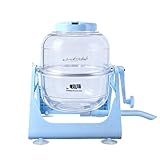
- TAR Score9.3
TAR Score is a ranking system developed by TopAppliancesReviews.com. TAR score has no relationship or impact from any manufacturers or sales agent websites. Learn more
- BrandThe Laundry Alternative

- TAR Score8.2
TAR Score is a ranking system developed by TopAppliancesReviews.com. TAR score has no relationship or impact from any manufacturers or sales agent websites. Learn more
- BrandElevon

- TAR Score8.1
TAR Score is a ranking system developed by TopAppliancesReviews.com. TAR score has no relationship or impact from any manufacturers or sales agent websites. Learn more
- BrandDezitrek
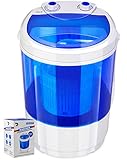
- TAR Score7.4
TAR Score is a ranking system developed by TopAppliancesReviews.com. TAR score has no relationship or impact from any manufacturers or sales agent websites. Learn more
- BrandDensors

- TAR Score7.1
TAR Score is a ranking system developed by TopAppliancesReviews.com. TAR score has no relationship or impact from any manufacturers or sales agent websites. Learn more
- BrandLivingSURE
Last update on 2026-11-08 / Affiliate links / Images, Product Titles, and Product Highlights from Amazon Product Advertising API
FAQs
Can I connect a portable washer to any kitchen faucet?
No. Some faucets, particularly pull-out spray faucets, may need a special adapter or may not suit the washer’s connection. Check the product page and manual for the exact faucet type required before buying.
Will a portable washer replace my regular laundry machine?
That depends on its listed capacity and how much work each load requires. A small or manual washer may handle a few items, but larger household loads can mean repeated cycles, hand transfers, or more draining and filling. Compare the machine’s stated capacity with the clothes you usually wash.
What should I do if I cannot confirm that my washer can drain safely?
Do not run the washer with an improvised drain setup. Check the manual for the required drain location and hose position, then ask the landlord or building manager whether that setup is allowed. If water leaks, the drain backs up, or the hose cannot be secured as instructed, stop using the washer and contact a qualified repair professional.
Related guides: what is the best washer to buy.


10 Best Washing Machine For King Size Comforter of 2026 For Bulky Bedding

11 Best Semi Automatic Washing Machine Under 10000 of 2026 For Apartments and RVs

9 Best Compact Refrigerator For Beer Bottles of 2026 For Upright Bottle Fit

10 Best Quality Semi Automatic Washing Machine of 2026 For Leak-Free Laundry

11 Best Small Washer Machine of 2026 For Everyday Laundry

12 Best Vibration Pads For Washing Machine of 2026 To Stop Walking and Shaking

11 Best Selling Front Load Washing Machine of 2026 For Quiet Odor-Free Laundry

11 Best Washing Machine For King Size Bedding of 2026 To Prevent Cycle Errors





