
Do Washing Machine Vibration Pads Work to Stop Shaking?

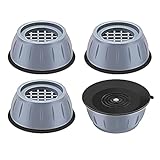
Press down firmly on opposite top corners of the washer to see if the cabinet rocks back and forth. Rubber vibration pads absorb motor hum and stop machines from walking across slick floors, but they only help once all four feet sit completely flat. These thick rubber pucks work by dampening normal spin tremors so rattles do not spread into your walls.
Real results depend heavily on your flooring and the mechanical health of the washer. A solid concrete floor lets pads soak up vibration easily, whereas a flexible wooden subfloor (the wood framing under your finished floor) naturally bounces and transfers heavier thumps. Pads also cannot rescue a washer with snapped suspension rods (the internal shock-absorbing springs) or leftover shipping bolts (the steel pins used during delivery). The steps below help you pinpoint the real cause of the shaking before you spend a dime.
Know What Rubber Pads Can and Cannot Fix Before Spending Money
Rubber vibration pads are thick, molded pucks that sit directly beneath the feet of your washing machine. Most pads use heavy-duty rubber or dense polymer plastic to create a physical buffer between the metal appliance frame and your hard floor. When your washer enters a high-speed spin cycle, the inner wash basket spins up to twelve hundred revolutions per minute. That rapid rotation creates vibrations that travel straight down the legs and into your home structure.
Anti-vibration pads serve two specific jobs. First, they act like rubber sneakers on a slick gym floor, providing high-traction grip that keeps the machine from creeping or walking across smooth tile, polished hardwood, or vinyl planks. Second, they absorb high-frequency humming and buzzing sounds before that energy enters the floorboards. Think of them like placing a thick silicone trivet under an electric blender on your kitchen counter. The motor still makes noise, but the counter stops rattling.
However, vibration pads cannot cure violent thumping, banging, or rocking caused by uneven weight or mechanical trouble. If your washer slams against the side panels like a sledgehammer, the problem is not a lack of floor grip. Rubber pads merely cushion the contact point; they do not remove the unbalanced momentum churning inside the drum. Expecting pads to fix a severely wobbling appliance is like putting cushioned insoles into running shoes to treat a twisted ankle.
Check These Three Mechanical Basics Before Blaming Your Floor
Before you buy any accessories, spend five minutes inspecting your machine. Most washer movement comes from simple setup oversights that pads cannot resolve on their own.
- Level the threaded feet: Walk up to your washer and push firmly against opposite diagonal corners with both hands. If the cabinet rocks back and forth even a fraction of an inch, your leveling legs (the threaded screw feet at the bottom corners) are uneven. Use an open-ended wrench to lower the high foot until all four feet press firmly against the floor. Once the cabinet stops rocking, spin the locking nut upward against the base of the machine to keep the foot from shifting loose during spin cycles.
- Confirm the shipping bolts are out: If you recently moved or installed a new washer, look at the rear cabinet panel. Manufacturers secure the clothes tub during delivery using shipping bolts (temporary metal rods that lock the drum for delivery). If an installer forgot to remove these four or five long bolts, the internal suspension cannot move freely. The washer will violently jump and rattle the entire room during its first spin. Remove them immediately using the wrench supplied in your owner manual packet.
- Distribute your laundry evenly: Washers depend on balanced weight distribution around the center agitator post or flat bottom wash plate. When you wash a single heavy bath mat, a waterlogged winter coat, or thick bedding alone, the fabric bunches into one heavy lump on one side of the stainless steel clothes tub. If you struggle with uneven loads, modern appliances equipped with intelligent load sensing help prevent these cycle disruptions by adjusting tub rotation before the spin cycle ramps up. You can balance an unruly load yourself by pausing the cycle and spreading the wet items evenly around the perimeter of the basket.
Account for Your Floor Structure Before Expecting Miracles
The type of flooring beneath your laundry room dictates how much vibration pads can actually quiet your machine. A pad can only absorb so much kinetic energy before that energy passes into the foundation below.
If your laundry room sits on a solid concrete slab in a basement or ground-floor utility room, rubber vibration pads work exceptionally well. Concrete is rigid, dense, and does not flex. In this environment, the pads dampen the buzz of the motor, stop the legs from scratching floor paint or epoxy, and anchor the feet firmly in place. You will notice an immediate drop in rattling and walking.
The story changes dramatically on an upper floor or over a crawlspace. Here, the washer rests on a subfloor (wooden framing underneath your finished flooring) supported by long wooden floor joists. These wooden joists act like the wooden soundboard of an acoustic guitar. When a heavy front-load washer spins, the rhythmic pulsing can match the natural flex of the joists, turning your whole floor into a vibrating speaker.
Pads placed on a springy second floor will stop the appliance feet from scuffing your flooring, but they will not stop the floor itself from bouncing. To settle a bouncing upper-level floor, you need to add stiffness beneath the washer. Many homeowners place a three-quarter-inch sheet of exterior-grade plywood beneath the entire footprint of the washer and dryer to bridge multiple floor joists, then place anti-vibration pads under each foot on top of that board.
Lift and Position the Pads Safely to Protect Yourself and Your Hoses
Installing vibration pads requires lifting an appliance that often weighs more than two hundred pounds. Rushing the job risks pinched fingers, pulled back muscles, or torn water lines. Follow these steps to position your pads safely:
- Cut the power and secure the utilities: Unplug the power cord from the standard 120-volt 3-prong grounded wall outlet. Turn off both hot and cold water shutoff valves behind the machine. Check that you have four to six inches of rear clearance so the flexible water supply hoses and the corrugated drain hose do not kink or pull tight when you tilt the cabinet.
- Recruit a helper: Never attempt to tilt a full-sized washer with one hand while reaching underneath to position a pad with the other. One slip can trap your fingers beneath the steel foot. One person must tilt and hold the cabinet steady while the second person works at floor level.
- Scrub the floor surface: Pull the washer forward slightly and clean the spots where the feet rest. Dust, lint, and dried laundry detergent form a slick powder that ruins the grip of rubber pads. Wash the floor with warm soapy water, rinse it clean, and wipe it completely dry before putting down the pads.
- Slide the front pads into position: Have your helper stand behind the washer and tilt the top edge backward toward the wall just enough to lift the front feet two inches off the floor. Slide a pad beneath each front foot. Make sure the foot drops directly into the molded center cup of the pad.
- Set the rear pads: Have your helper stand in front of the machine and tilt the cabinet gently forward. Slide the remaining two pads under the rear feet. Lower the machine back down slowly so the feet sit flat inside the pad wells.
- Check your level one final time: Rubber pads can compress slightly under the machine weight. Place a standard bubble level across the top edges of the washer frame from front to back and side to side. If the bubble is off-center, adjust the leveling legs slightly until the frame sits dead flat.
Spot Internal Mechanical Failures Before Adding Accessories
If your washer is perfectly level and your loads are balanced, but the drum still pounds violently, the machine likely has broken internal parts. No rubber pad on the market can silence broken suspension hardware.
In top-load washers, the entire wash tub hangs from the upper cabinet frame on four suspension rods (shock-absorbing springs inside the frame). Over years of regular use, the dampening grease inside these assemblies dries up, or the springs stretch and weaken. When suspension rods fail, the wash tub loses its ability to absorb movement. It swings wildly during the spin cycle and hammers against the outer cabinet walls.
You can check your top-load suspension with a simple push check. Open the washer lid and push down firmly on the bottom wash plate or agitator post, forcing the tub toward the floor. Release it quickly. A healthy suspension will rebound upward once and settle smoothly back to resting height. If the tub bounces up and down three or four times like a child on a pogo stick, your suspension rods are worn out and must be replaced.
Front-load washers rely on heavy concrete balance blocks bolted to the drum, along with piston-style shock struts mounted underneath. If a mounting bolt loosens or a strut leaks its hydraulic dampening fluid, the drum will wobble erratically. If you also hear a deep, roaring metal-on-metal sound during spin cycles, the main rear tub bearings have worn out. When internal struts or bearings fail, turn off the washer and schedule a visit from a qualified appliance repair technician to avoid damaging the motor or surrounding plumbing.
Choose Machines with Dynamic Balance Systems If You Plan to Replace Your Washer
If your current washing machine is old, worn out, or constantly shaking itself across the floor despite leveling and fresh pads, shopping for a replacement machine requires paying attention to cabinet balance technology. Modern laundry designs handle rotational stress far better than older models.
When selecting a new washer, look for direct-drive motors that mount directly to the back of the wash basket instead of using rubber drive belts and pulleys. Direct-drive systems provide precise rotational control, allowing the washer computer to sense unbalances instantly and adjust drum speed before vibrations shake the cabinet. Many modern machines also include built-in liquid balance rings and digital motion sensors that actively redistribute water weight inside the drum walls.
Always verify the overall tub capacity in cubic feet against your household laundry habits. Buying a washer that matches your largest routine loads ensures clothing has enough room to circulate freely, which keeps heavy wet fabrics from bunching into dense, vibration-inducing lumps during the final spin.

- TAR Score9.6
TAR Score is a ranking system developed by TopAppliancesReviews.com. TAR score has no relationship or impact from any manufacturers or sales agent websites. Learn more
- BrandFlux Phenom

- TAR Score9.4
TAR Score is a ranking system developed by TopAppliancesReviews.com. TAR score has no relationship or impact from any manufacturers or sales agent websites. Learn more
- BrandSOCUKE
- TAR Score9.3
TAR Score is a ranking system developed by TopAppliancesReviews.com. TAR score has no relationship or impact from any manufacturers or sales agent websites. Learn more
- Branddadop

- TAR Score8.8
TAR Score is a ranking system developed by TopAppliancesReviews.com. TAR score has no relationship or impact from any manufacturers or sales agent websites. Learn more
- BrandEmpire of Electronics

- TAR Score7.4
TAR Score is a ranking system developed by TopAppliancesReviews.com. TAR score has no relationship or impact from any manufacturers or sales agent websites. Learn more
- BrandLinda's Essentials
Last update on 2026-10-29 / Affiliate links / Images, Product Titles, and Product Highlights from Amazon Product Advertising API
FAQs
Can rubber vibration pads make a washer shake worse?
Yes, vibration pads can make shaking worse if the pads are too soft or if the washer feet were never leveled beforehand. Soft, squishy foam pads allow the entire machine cabinet to sway back and forth like a pendulum, amplifying the drum momentum during high-speed spin cycles. Always choose dense, firm rubber pads, and make sure all four leveling legs sit firmly on the floor before you slide the pads into place.
Do anti-vibration pads damage hardwood or vinyl flooring?
Most quality rubber pads protect floors by preventing the metal leveling feet from scraping or gouging the finish. However, cheap black rubber pads can leach petroleum oils into light-colored vinyl, linoleum, or unfinished wood over time, leaving yellow or dark stains. Look for non-marking rubber pads, or verify with your flooring manufacturer whether raw rubber pads require a protective felt backing on your specific floor.
How long do washing machine vibration pads usually last?
Dense rubber vibration pads typically last between five and ten years under normal laundry room conditions. You only need to replace them if the rubber dries out, cracks, or flattens out under the continuous weight of the machine. Inspect the pads once a year while sweeping behind the appliance to ensure the feet remain centered in the protective wells and that no water or detergent residue has collected beneath the rubber.
Will vibration pads stop a front-load washer from walking during spin cycles?
Vibration pads will stop a front-load washer from walking across the floor as long as the machine is level and its internal shock struts are intact. Walking happens when hard plastic or metal feet lose traction on slick floor tile during rapid rotation. The textured grip on the bottom of a quality rubber pad anchors the appliance to the floor and halts that sideways drift completely.
Related guides: do washing machine vibration mats work.


10 Best Washing Machine For King Size Comforter of 2026 For Bulky Bedding

11 Best Semi Automatic Washing Machine Under 10000 of 2026 For Apartments and RVs

9 Best Compact Refrigerator For Beer Bottles of 2026 For Upright Bottle Fit

10 Best Quality Semi Automatic Washing Machine of 2026 For Leak-Free Laundry

11 Best Small Washer Machine of 2026 For Everyday Laundry

12 Best Vibration Pads For Washing Machine of 2026 To Stop Walking and Shaking

11 Best Selling Front Load Washing Machine of 2026 For Quiet Odor-Free Laundry

11 Best Washing Machine For King Size Bedding of 2026 To Prevent Cycle Errors





