
Why Is Your Washer Stuck on Sensing Mode and How to Fix It?

A full basket of dirty laundry sits waiting while the machine hums, clicks every few seconds, and refuses to fill with water. A washer stays stuck on sensing mode when the control board cannot confirm the lid is locked, detect incoming water, or sense the drum turning. Often, a quick power reset or rearranging an uneven load clears the freeze and gets the wash going again.
What solves the stall depends on what the machine does right before it freezes up. A washer that clicks repeatedly usually struggles to engage its lid lock, the safety switch on the frame. A silent tub often points to stuck water valves, while a faint hum can signal a worn shift actuator, the small motor that shifts between washing and spinning. Finding the true cause takes only a few simple checks before you even think about calling a technician.
Give the sensing cycle a few minutes before assuming it is broken
Modern washing machines do not flood the tub with water the second you press start. Instead, high-efficiency models run a sensing routine to figure out how much laundry you put inside. The computer board needs to calculate the right water level and cycle duration before opening the valves.
During this stage, the machine slowly pulses the motor. The inner wash basket rotates a few inches in one direction, stops, and nudges back in the other direction. If your machine has a center agitator post that twists clothes through the water, you will see it twitch back and forth. If you have a flat bottom wash plate (impeller) that moves laundry using water currents, the whole floor of the tub will spin in brief spurts. This movement lets the motor gauge fabric weight based on how much resistance the dry clothes create.
Under normal conditions, this sensing process takes between two and five minutes. Bulky loads like heavy bedding, dense towels, or thick jackets take longer because the fabric shifts around as the tub attempts to balance itself. If your machine runs on a deep-fill or heavy-duty cycle, the sensing step can occasionally stretch to seven or eight minutes.
A machine is genuinely stuck when the sensing light stays illuminated for ten, fifteen, or thirty minutes with nothing happening. If the tub sits completely motionless, or if you hear the washer clicking repeatedly every few seconds without ever filling with water, the cycle has frozen. Once you confirm the washer is not just finishing a slow sensing routine, you can step in to reset the controls.
Unplug the machine to perform a clean power reset
Modern washers rely on computerized control boards that manage every motor movement, valve opening, and safety check. Just like a home computer or router, these control boards can lock up after a power surge, a cycle cancellation, or a brief dip in household voltage. A simple power reboot is the fastest zero-cost fix to clear a frozen sensing light.
- Press the power button or turn the cycle selector knob to the off position.
- Unplug the power cord directly from the standard 120-volt 3-prong grounded wall outlet. Do not simply turn off a power strip switch. Disconnect the actual plug from the wall.
- Leave the machine completely unplugged for five to ten full minutes. This waiting period allows the electrical capacitors on the main control board to drain their stored charge entirely.
- While the machine is still unplugged, raise and lower the washer lid or door six times within twelve seconds. On many top-loading washers, this manual action forces the computer memory to clear previous motor state errors.
- Plug the power cord directly back into the wall outlet without using an extension cord.
- Close the lid completely, turn the selector dial to a basic cycle such as a quick wash or drain-and-spin, and press start.
Listen closely as the washer starts up. You should hear the lid lock click once firmly. If the control board cleared its memory, the tub will spin briefly and then transition straight from sensing into the water filling stage.
Inspect the lid lock, water valves, and laundry weight
If a hard reset does not solve the problem, a physical bottleneck is stopping the machine from advancing. The washer will refuse to leave sensing mode if its safety switches cannot confirm safe operating conditions. Check these three common culprits before buying any repair parts.
- Check the lid lock: The lid lock is a safety switch that confirms the door is latched shut before the tub can spin at high speeds. If the plastic latch is cracked, bent out of alignment, or blocked by built-up detergent lint, the switch cannot close properly. The washer will pulse the lock mechanism several times, fail to register a solid connection, and stay frozen in sensing mode to prevent injury.
- Check the water supply hoses and valves: The water inlet valve is an electric tap that turns household water flow on and off. If both the hot and cold water shutoff valves behind the machine are not fully open, the washer cannot fill. The control board waits for water pressure that never arrives, leaving the sensing indicator on. Also inspect the inlet screens where the hoses screw into the back of the washer. If you have a high-efficiency top-load washing machine for well water, fine sand, sediment, and mineral scale can choke those tiny mesh screens, blocking water completely.
- Rebalance the laundry load: The off-balance safety sensor pauses spinning and stops cycle progress when bulky towels or blankets bunch up on one side of the tub. If you wash a single heavy bath rug or oversized comforter, the basket cannot distribute the dry weight evenly. When washing large bedding, having a washing machine sized for a family of four or larger gives bulky fabrics enough space to settle properly. Open the lid, spread the clothes evenly around the perimeter of the wash basket, and restart the cycle.
Look beneath the tub for worn shift actuators and motor sensors
When the lid latches tightly, the water lines are clear, and the load is balanced, the fault usually lies in the mechanical parts that tell the computer what the motor is doing. If the computer board asks the motor to turn but receives no speed confirmation back, it stops right in sensing mode to protect the motor from burning out.
The most common culprit on modern top-load washers is a faulty shift actuator. The shift actuator is a small motor that switches the machine between wash and spin. Mounted to the bottom of the outer tub, it uses a small plastic arm to slide a clutch collar up and down. This action locks the wash plate and the wash basket together for spinning, or disconnects them so only the center plate agitates.
Inside that same shift actuator housing is a tiny optical sensor that tracks the rotation speed of the basket. If the small motor inside the actuator burns out, or if laundry oil and moisture cloud the optical eye, the control board never learns whether the machine engaged. You will often hear the washer click three or four times from underneath as the actuator struggles to move, followed by dead silence while the sensing light stays frozen.
On direct-drive washers that do not use belts, a failing rotor position sensor (also known as a Hall sensor) causes an identical sensing stall. This sensor clips directly onto the motor stator and monitors the magnetic pulses of the drive drum. If this sensor cracks or fails electronically, the control board cannot tell that the basket is nudging during the sensing step. It assumes the motor is locked in place and cancels the cycle before any water enters.
Finally, inspect the pressure sensor, which is a switch that measures how full the tub is with water. A small clear plastic hose connects this sensor on the control board to the bottom of the tub. If excess suds from using regular soap instead of low-suds HE (High Efficiency) detergent push up into that tube, the sensor gets blocked. It misreads the air pressure, thinks the tub is already flooded, and prevents the machine from starting its water fill cycle.
Weigh a DIY part swap against hiring a repair technician
Deciding whether to fix a washer yourself or hire a professional comes down to part accessibility, your comfort with basic hand tools, and electrical safety. Many sensing mode failures can be fixed at home for a fraction of the cost of a service call.
Swapping out a broken lid lock or a worn shift actuator is well within reach for most homeowners and renters. A replacement actuator or lid switch is inexpensive and easy to install. The job usually requires just a screwdriver or a small nut driver to remove the protective bottom shroud or top console. You simply unplug the wire harness, remove two mounting screws, slip the new part into position, and plug the harness back in.
Always prioritize your safety before attempting any physical repair. Disconnect the power cord from the wall outlet and turn off both water shutoff valves behind the machine. If you must lean the washing machine back to reach components on the underside, rest the cabinet securely against a sturdy wall or support it with solid wooden blocks. Never place your hands or body beneath a heavy appliance that is balanced loosely on its edge.
You should call a certified appliance technician if simple part swaps do not resolve the issue. If the main electronic control board has scorched spots, if the machine has internal wiring damage, or if the transmission gearcase is leaking dark oil across the floor, professional diagnostics are needed. Calling a pro is also the best move if your washer is still covered by a manufacturer warranty, as disassembling internal drive components on your own can void your remaining protection.
Match the right replacement components to your washer model
If you confirm that a worn component is trapping your washer in sensing mode, getting the exact matching replacement is essential. Installing a component with the wrong electrical connector or an incompatible mounting bracket will leave your machine just as unresponsive as before.
Never rely on the model number printed on the user manual cover, because manufacturers print one manual for an entire series of appliances. Open the washer lid or look at the back upper frame of the cabinet to find the metal identification plate. Write down the complete model and serial number, including any revision numbers at the very end.
When shopping for replacement parts, verify that the replacement part numbers directly match your appliance model. Shifter actuators, motor sensors, and pressure switches may look identical on the outside while operating with entirely different voltages and wiring harnesses. Choosing a part verified to fit your exact machine ensures the control board can communicate properly, ending the sensing freeze and restoring normal wash cycles.
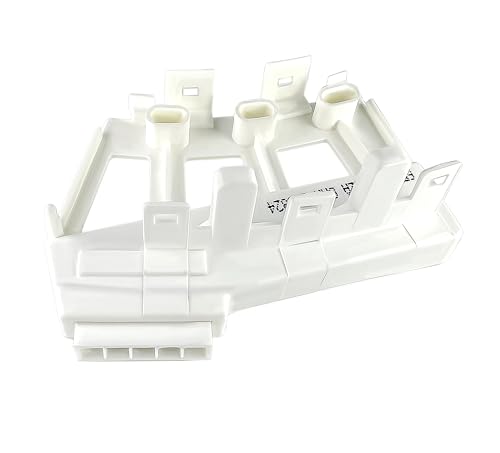
- TAR Score9.4
TAR Score is a ranking system developed by TopAppliancesReviews.com. TAR score has no relationship or impact from any manufacturers or sales agent websites. Learn more
- BrandFOJOO

ZNTVW W10913953 W11481722 49tyz-e120a1 Washer Shifter Actuator Compatible for Whirlpool
View on Amazon- TAR Score9.2
TAR Score is a ranking system developed by TopAppliancesReviews.com. TAR score has no relationship or impact from any manufacturers or sales agent websites. Learn more
- BrandZNTVW

- TAR Score9.2
TAR Score is a ranking system developed by TopAppliancesReviews.com. TAR score has no relationship or impact from any manufacturers or sales agent websites. Learn more
- BrandGYOFFULL
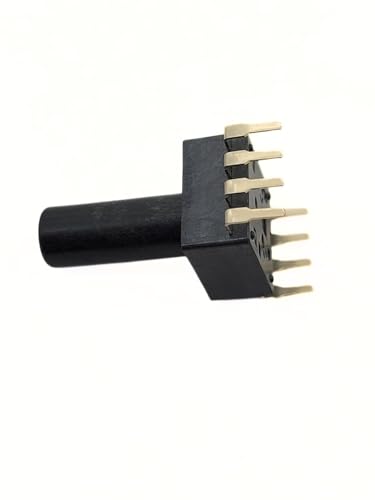
- TAR Score9.2
TAR Score is a ranking system developed by TopAppliancesReviews.com. TAR score has no relationship or impact from any manufacturers or sales agent websites. Learn more
- BrandGeneric

- TAR Score9.2
TAR Score is a ranking system developed by TopAppliancesReviews.com. TAR score has no relationship or impact from any manufacturers or sales agent websites. Learn more
- BrandGREALTH

- TAR Score9.0
TAR Score is a ranking system developed by TopAppliancesReviews.com. TAR score has no relationship or impact from any manufacturers or sales agent websites. Learn more
- BrandZNTVW

- TAR Score8.6
TAR Score is a ranking system developed by TopAppliancesReviews.com. TAR score has no relationship or impact from any manufacturers or sales agent websites. Learn more
- BrandNinayu

- TAR Score8.6
TAR Score is a ranking system developed by TopAppliancesReviews.com. TAR score has no relationship or impact from any manufacturers or sales agent websites. Learn more
- BrandSusavivid

- TAR Score8.4
TAR Score is a ranking system developed by TopAppliancesReviews.com. TAR score has no relationship or impact from any manufacturers or sales agent websites. Learn more
- BrandGE
Last update on 2026-09-30 / Affiliate links / Images, Product Titles, and Product Highlights from Amazon Product Advertising API
FAQs
Why does my washer click several times and then turn off during sensing?
Repeated clicking happens when the control board tries to engage the lid lock or the shift actuator beneath the tub. If the lid latch cannot seat securely, or if the small motor on the shift actuator cannot move the clutch ring into place, the computer attempts the movement three or four times. Once those attempts fail, the machine powers off or flashes an error code to prevent hardware damage.
Can using too much detergent trap a washer in sensing mode?
Yes, excessive soap creates thick suds that back up into the water level pressure hose. This thin air tube measures the water volume in the tub by air compression. When soap residue or suds plug the tube, the sensor misreads the pressure and signals the computer that the tub is improperly filled, freezing the washer before the cycle can advance.
How do I know if my washer shift actuator is bad?
A bad shift actuator frequently causes continuous clicking or grinding noises beneath the tub right after you press start. The washer will fail to switch between spinning and agitating, often leaving clothes soaking wet or stuck entirely on the sensing light. You can visually inspect the actuator underneath the unit to check if the plastic shifting arm is snapped or if the internal motor has burned out.
What should I do if my washer is stuck on sensing with water still inside the tub?
Do not force the locked lid open, as this can break the plastic latch mechanism. Turn the selector knob to the off position, unplug the machine for ten minutes, and plug it back in. Select a manual drain-and-spin or spin-only setting to pump the standing water out through the drain hose before inspecting the internal components.


10 Best Quality Semi Automatic Washing Machine of 2026 For Leak-Free Laundry

11 Best Small Washer Machine of 2026 For Everyday Laundry

12 Best Vibration Pads For Washing Machine of 2026 To Stop Walking and Shaking

11 Best Selling Front Load Washing Machine of 2026 For Quiet Odor-Free Laundry

11 Best Washing Machine For King Size Bedding of 2026 To Prevent Cycle Errors

10 Best Small Front Loader Washing Machine of 2026 For Tight Closets

12 Best Side Load Washing Machine of 2026 For Low Vibration

11 Best Single Tub Washing Machine of 2026 For Apartments Without Hookups






