
Why Is Your Washer Not Draining and How to Fix It?

A washing machine usually stops draining because of a clogged drain filter or a twisted hose. What changes the situation is whether the pump makes a low humming sound or stays completely silent. Stray items like pocket change, hairpins, and baby socks easily slip past the drum, choking the water flow and leaving soggy laundry trapped in standing water.
How you clear the water also depends on the design of the appliance. Front-load washers feature an easy access door near the floor for quick cleaning, while top-loaders often house the drain parts underneath the cabinet. A pinched hose behind the machine or a backed-up wall pipe can also trap dirty water. Checking a few basic spots will pinpoint the issue and help empty the drum without soaking the laundry room floor.
Simple jams and tangled clothes often stop the drain cycle
A washer full of standing, soapy water and soggy laundry looks like an expensive breakdown. But before you pull out tools or pay for a service call, check for simple snags that halt the machine mid-cycle. Modern washers rely on safety sensors and balanced weight to advance between cycles, and a minor issue can pause the drain sequence entirely.
Start by checking the door or lid latch. Washers use an automatic lid lock, which is a safety sensor that confirms the door is shut before the tub spins and drains. If a stray clothing item pinches in the door frame, or if dried soap residue coats the latch, the machine stops. Open the lid, wipe the latch, and press the door shut until it clicks into place.
Next, check the load balance inside the clothes tub. When heavy items like bath towels or thick blankets bunch up on one side, the off-balance safety sensor halts the spin cycle to stop violent shaking. If you often wash bulky bedding for a large household, choosing a machine with the right drum volume helps prevent this; see our guide on washers to fit bulky bedding for a family of four. Untangle the wet laundry and distribute it evenly around the center agitator post or bottom wash plate.
Also, check detergent use and hose clearance. Non-HE soap creates excessive suds that trap air in the pump and confuse water-level sensors. Let thick suds settle for an hour so the pump can grab water. Finally, check behind the washer. Vibrations can push the machine back, crushing the flexible plastic drain hose against the wall. Pull the machine forward so the hose stays unbent.
Empty sitting water slowly to clear the lower drain filter
When quick visual checks do not solve the problem, the blockage is usually in the drain pump filter, often called the coin catcher or lint trap. This screen catches loose items before they reach the pump motor. Clearing it requires opening the lower housing, so you must remove the sitting water first to avoid flooding your floor.
- Disconnect power to the machine. Unplug the power cord from the standard 120-volt 3-prong grounded wall outlet. Never work around standing water or internal appliance parts with power connected.
- Scoop water from the top basket. Use a plastic pitcher or small bucket to scoop standing water from the inner wash basket. Removing a few gallons from the top reduces water pressure at the bottom filter.
- Set down towels and a shallow tray. Place old bath towels and a low-profile baking dish directly beneath the small filter access door at the bottom front corner of your front-load washer.
- Drain the emergency tube. Open the access door to find the small rubber tube next to the round filter knob. Pull the tube out over your tray, remove the end plug, and let the water flow. Empty the tray into a bucket as needed until drainage stops, then push the plug firmly back in.
- Unscrew the coin catcher. Slowly turn the round filter cap counterclockwise. A small amount of remaining water will spill onto your towels. Unscrew the cap completely and pull the filter out.
- Remove trapped objects and lint. Clear away any coins, hairpins, bra wires, or small baby socks trapped in the filter screen. Rinse the filter clean under warm tap water.
- Check the impeller wheel. Shine a flashlight into the filter chamber to locate the impeller, the small spinning wheel inside the pump. Turn the plastic blades gently with your finger to confirm they turn freely without catching on stray debris.
- Reinstall the filter. Insert the clean filter and turn it clockwise until snug. If loose, water will leak during the next cycle. Clip the drain tube back into place and close the access door.
Check the drain hose and wall standpipe for trapped buildup
If the pump filter was clear but water still sits in the tub, the blockage sits further down the line. Water must travel through the discharge hose and out through your home plumbing. A restriction anywhere along this route stops the flow.
- Examine the discharge hose. Move the washer forward to allow 4 to 6 inches of rear clearance. Inspect the corrugated plastic hose for tight kinks, crushed sections, or sharp bends. Squeeze the hose along its length; a hard spot points to an internal plug of lint or a trapped sock.
- Pull the hose from the standpipe. The standpipe is the open wall pipe where the drain hose hooks in. Lift the curved hose hook out of the pipe and place the end into a five-gallon bucket on the floor.
- Confirm house plumbing drainage. Pour a bucket of water directly into the open wall standpipe. If water drains away immediately, your household plumbing is clear. But if water bubbles up and spills out of the top, the standpipe is clogged and requires a plumber or drain snake.
- Verify hose insertion depth. Shoving the drain hose too far down the standpipe can push the end into the water trap below. This creates a siphon effect that pulls dirty water back into the tub. Only insert the hose 6 to 8 inches, and keep an open air gap around it. If you manage laundry in a compact apartment, reviewing how lines connect on portable washers with built-in drain pumps will help you set the proper hose height.
- Flush the hose clean. If the home pipe drains freely but the washer hose remains plugged, disconnect the hose clamp at the machine. Take the hose to a sink or outdoors and flush it through with a garden hose to clear stubborn debris.
Unusual pump sounds tell you if the motor is jammed
Listening closely during a drain cycle helps you diagnose the pump motor without taking the washer apart. Plug the machine back into the wall outlet, select a spin-only or drain-only setting, and listen near the bottom of the cabinet.
A low humming or buzzing noise means the pump motor is receiving electrical power and trying to turn. But a physical obstruction, like a coin or hairpin jammed against the small spinning wheel inside the pump (impeller), is holding the motor stuck. Do not let the washer hum for long. Running a locked motor causes the electrical coils to overheat and burn out.
Complete silence means the motor is not receiving electricity or its internal wiring has burned out. First check the lid switch or door lock. Washers use safety sensors that cut power to the pump and spinning tub if the door switch does not confirm closure. If the latch locks firmly but the pump makes zero sound, the motor or electronic control board has likely failed.
A loud grinding, rattling, or whining noise signals mechanical damage. Hard objects bouncing in the pump chamber can snap off the plastic impeller blades. When the blades break, the motor spins freely but cannot push water up the hose and into the standpipe. On front-load washers, this pump sits right behind the front lower access door. On top-load machines with a center agitator post or wash plate, the pump is mounted underneath the wash tub, where a worn bearing produces a loud screech during the drain phase.
Cracked parts and electrical failures require repair or replacement
Clearing trapped lint, coins, or hose kinks resolves most drainage problems. However, physical wear and electrical component failures require new parts or professional service.
- Active leaks from the pump body: If water seeps from the pump housing seams or around the motor shaft, internal seals have failed. Tape will not hold under water pressure; install a new pump.
- Motor hums despite a free impeller: If the impeller blades turn smoothly by hand but the motor only hums and stalls under water weight, the motor windings have lost starting torque.
- Persistent drain error codes: Modern front-loaders show a digital error, like OE on an LG front-load washing machine, when water fails to drain within a set time. If the code returns after you clear the filter and hoses, the pump motor or pressure switch has failed.
- Burnt electrical odors: A sharp plastic or ozone smell near the cabinet base indicates scorched motor wiring. Unplug the washer immediately to eliminate safety risks.
- Cracked plastic hoses: Stiff, aged discharge hoses develop hairline splits around clamps. Replace brittle hoses before they burst during a cycle.
If reaching the pump requires tipping a heavy top-loader tub or checking internal wiring, contact a qualified repair technician. Working around pooled water and high voltage carries shock hazards, and a professional can safely inspect wiring and electrical controls.
Choosing reliable replacement parts or a new washer saves money
When a broken component causes your drainage failure, swapping that single part is far cheaper than replacing the entire appliance. Inexpensive replacement drain pumps, fresh discharge hoses, and silicone standpipe seals resolve most common hardware failures.
Before buying replacement parts, verify your appliance model number on the metal label inside the door rim or behind the cabinet. Manufacturers change pump brackets, electrical plug connectors, and hose diameters across different production runs. Matching the exact model number prevents purchasing incompatible parts that leak or fail to connect.
Older top-load washers often feature direct-drive drain pumps that clip right onto the main motor shaft, making replacement quick with basic hand tools. Modern front-loaders use dedicated electric pump motors attached to the coin catcher housing. If your washer is over ten years old and facing multiple motor or control board issues, consider upgrading to a modern machine. New models offer accessible front clean-out doors, self-draining pump traps, and balance sensors that stop drainage failures before they flood your room.

- TAR Score9.4
TAR Score is a ranking system developed by TopAppliancesReviews.com. TAR score has no relationship or impact from any manufacturers or sales agent websites. Learn more
- BrandSeentech

- TAR Score9.4
TAR Score is a ranking system developed by TopAppliancesReviews.com. TAR score has no relationship or impact from any manufacturers or sales agent websites. Learn more
- BrandRecDec
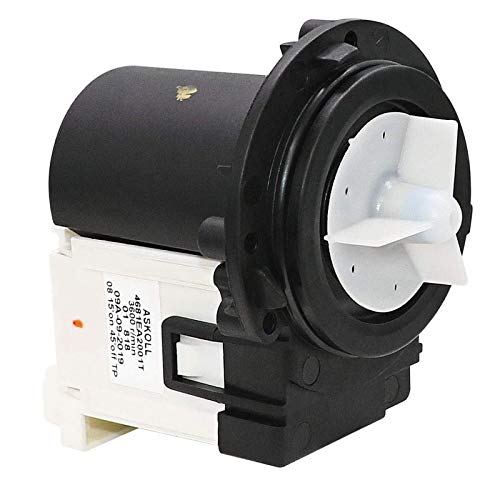
- TAR Score9.2
TAR Score is a ranking system developed by TopAppliancesReviews.com. TAR score has no relationship or impact from any manufacturers or sales agent websites. Learn more
- BrandBeaquicy

- TAR Score9.0
TAR Score is a ranking system developed by TopAppliancesReviews.com. TAR score has no relationship or impact from any manufacturers or sales agent websites. Learn more
- BrandJHBKing

- TAR Score8.2
TAR Score is a ranking system developed by TopAppliancesReviews.com. TAR score has no relationship or impact from any manufacturers or sales agent websites. Learn more
- BrandBraveboy
Last update on 2026-09-30 / Affiliate links / Images, Product Titles, and Product Highlights from Amazon Product Advertising API


10 Best Quality Semi Automatic Washing Machine of 2026 For Leak-Free Laundry

11 Best Small Washer Machine of 2026 For Everyday Laundry

12 Best Vibration Pads For Washing Machine of 2026 To Stop Walking and Shaking

11 Best Selling Front Load Washing Machine of 2026 For Quiet Odor-Free Laundry

11 Best Washing Machine For King Size Bedding of 2026 To Prevent Cycle Errors

10 Best Small Front Loader Washing Machine of 2026 For Tight Closets

12 Best Side Load Washing Machine of 2026 For Low Vibration

11 Best Single Tub Washing Machine of 2026 For Apartments Without Hookups






