
Why Is Your Washer Full of Water?

Finding a drum packed with standing water looks like a disaster, but it rarely means the machine is ruined. Most of the time, the tub stays full because of a simple drain clog or a slow-leaking water valve. A stray sock, a trapped coin, or built-up lint can easily choke the lines and stop the small drain motor from pumping the water away.
What you should do next depends on when that puddle appeared and how clean it is. Murky water left behind mid-cycle usually points to a jammed filter screen, a pinched hose, or a broken lid latch that stopped the spin cycle for safety. Clean water that slowly pools inside an idle machine means the inlet valve behind the back panel is leaking past its seal. Here is how to pinpoint the issue, empty the tub safely, and fix the block.
Notice whether the water appears while running or while sitting idle
Check the color and timing of the water inside your drum before touching any tools. If you open the door to find murky, soapy gray water covering half-washed clothes, your machine stalled mid-cycle because of a drainage failure. Something prevented the appliance from pumping the dirty water out through the drain line before the spin cycle.
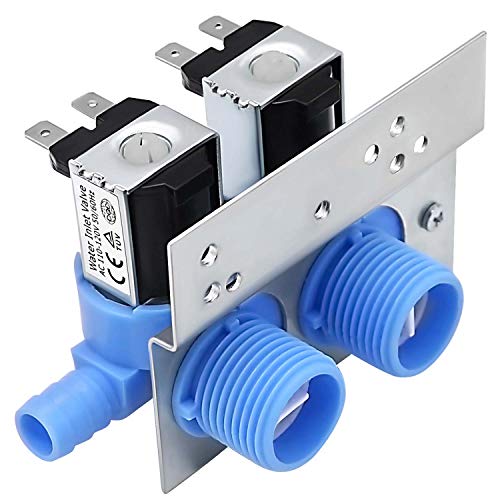
If you discover clean, crystal-clear water filling the drum hours or days after your last wash, you are facing a completely different issue. That problem points to the water inlet valve (the mechanical tap behind the machine that controls incoming water). Household water pipes stay under constant pressure. The inlet valve uses small rubber diaphragms and electrical solenoids to hold that pressure back while the washer is off. Over time, mineral grit can lodge in the valve seat, or internal springs can weaken. Water then trickles past the seal, slowly filling the inner wash basket. If your home has heavy mineral sediment, choosing a washing machine for well water helps keep gritty particles from jamming these delicate intake valves.
Unplug the washer and inspect basic exterior holdups first
Before taking apart hoses or removing panels, check the simple physical problems that stop a cycle. Always unplug the power cord from the standard 120-volt 3-prong grounded wall outlet first. Water and electricity create a severe shock hazard when mixed. Once power is disconnected, walk through these checks:
- The automatic lid lock or door latch: Washers will not run the drain pump or spin cycle if the control board senses an open door. A broken plastic latch or failed microswitch halts the cycle instantly, leaving dirty water trapped inside.
- The off-balance safety sensor: When bulky towels, heavy blankets, or rugs bunch up on one side of the stainless steel clothes tub, the balance switch pauses operation to prevent violent shaking. If the washer cannot balance the load, it stops running with the water still inside.
- The drain hose behind the cabinet: Washers can shift during high-speed spinning and push back against the wall, crushing the corrugated drain line. A flattened or kinked hose blocks water just like a bent garden hose.
- The standpipe height: Make sure the drain hose is not pushed too deep into the standpipe (the open wall drain pipe where the washer hose dumps water). Shoving the hose more than 6 to 8 inches down can cause siphon problems or trap air in the line.
Bail out the standing water before taking apart any hoses
Leaving wet laundry sitting in stagnant water creates sour mildew odors within hours. Emptying the heavy water also allows you to move the appliance safely without damaging internal suspension rods or flooding your floor. Follow these steps to drain the tub cleanly:
- Turn off the hot and cold water shutoff valves on the wall behind the machine to stop any incoming flow.
- Pull the soaked laundry out item by item. Squeeze excess water back into the tub by hand, then place the wet garments into a laundry basket or bathtub.
- Scoop out the standing water using a plastic pitcher or small bowl, dumping each scoop into a five-gallon bucket. Continue until only an inch of water remains below the bottom wash plate or agitator post.
- Drain low water on front loaders using the emergency drain tube. Open the small access door at the bottom front corner, set down old towels, and place a shallow pan underneath. Pull out the small rubber tube, remove the plug, and let the remaining water drain into the pan.
- Use gravity on top-load washers by dropping the main drain hose. Disconnect the drain hose from the wall standpipe and lower the open end into a bucket resting flat on the floor. Gravity will pull the remaining water out of the pump sump.
Clean out the coin trap filter and inspect the drain hose for clogs
Most drainage blocks happen when small pocket items slip past the wash basket. Front-load washers and modern top-loaders include a coin trap (a catch screen that traps loose objects before the pump). When this screen gets choked with lint or small objects, water cannot reach the pump motor. Follow these steps to clear it:
- Keep your shallow pan and towels under the filter door, because a cup of water will spill out when opened.
- Turn the coin trap cap slowly counterclockwise. Loosen it halfway first to let trapped water escape gradually onto your towels.
- Pull the filter screen completely out. Remove coins, hairpins, bra underwires, buttons, and packed lint. Rinse the filter clean under warm tap water with an old brush.
- Inspect the pump cavity with a flashlight. Check the small plastic fan blades inside. Rotate the blades gently with your finger to confirm they turn freely, and snip away any hair or thread wrapped around the spindle.
- Check the corrugated drain line. If the filter was clean, disconnect the drain hose from the machine and blow through it or inspect it under a bright light. Small baby socks and heavy lint clogs often get jammed right at the curved outlet elbow.
Listen closely to diagnose a jammed motor versus a leaking valve
If the filter and drain lines are clear, an internal component has failed. You can identify the faulty part by listening to the sounds the machine makes during a cycle. Plug the washer back into the wall outlet, close the door, and run a short spin-only or drain-only cycle:
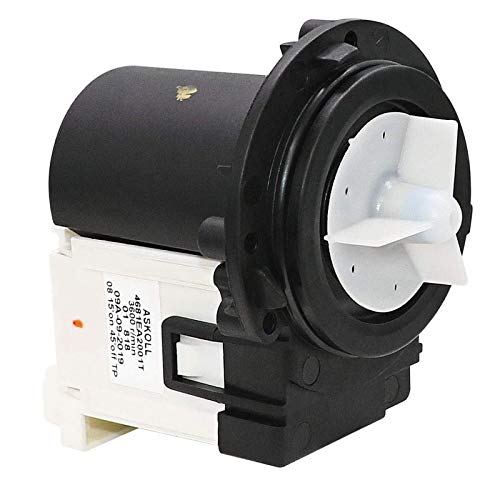
- A steady humming or buzzing sound: This means the drain pump (the small electric motor that pushes water out) is receiving electrical power, but something is stopping the motor shaft from spinning. A hard object like a coin or nail may have bypassed the screen and wedged against the impeller, or the motor bearings have seized.
- Total silence: If the timer counts down on the display but you hear no pump sound at all, the pump motor electrical windings may be burned out. It can also mean a faulty lid lock or broken wire is preventing power from reaching the pump.
- A loud rattling or grinding noise: This usually indicates broken plastic impeller fins inside the pump housing. The motor is running, but the stripped blades cannot build enough pressure to push water up the wall pipe.
- Silent filling while unplugged: If clean water trickles into the tub while the washer is completely powered down, the water inlet valve has suffered a mechanical seal failure and must be replaced.
Decide when to replace internal components or call a licensed plumber
Distinguishing between an appliance issue and a home plumbing backup saves money and gets your laundry room running again faster.
Replace the water inlet valve yourself if water leaks into the tub while the power cord is unplugged. Inlet valves mount directly behind the rear cabinet where your supply hoses connect. Swapping an inlet valve requires basic hand tools like pliers and a screwdriver to release the hose clamps and wire plugs.
Replace the drain pump assembly if the pump motor hums with an unobstructed impeller, rattles violently, or leaks water onto the floor. Most replacement pump motors attach to the base frame with three or four screws and two hose clamps.
Call a licensed plumber if your washing machine pumps water out forcefully, but water suddenly overflows out of the top of the open wall standpipe. That overflow means the appliance pump is working correctly, but your home's waste pipe is blocked downstream by soap scum, lint, or tree roots. A plumber will need to run a motorized drain snake through the wall pipe to clear the household line.
Look for accessible cleanouts and strong pumps when choosing a replacement washer
If frequent clogs and pump breakdowns have made your current appliance unreliable, look for design features that make maintenance simple. Choose machines with a front-accessible coin trap door so you can clean out lint, coins, and debris in minutes without tipping the machine or taking hoses off.
Pumping design also matters depending on your laundry layout. If you live in an apartment or need to pump water into a high utility sink, a portable automatic washing machine with a built-in drain pump ensures dirty wash water is pushed upward reliably rather than relying on gravity. Look for models with digital displays that show clear drain error codes and robust water inlet valves that resist mineral wear over years of daily washing.

- TAR Score9.8
TAR Score is a ranking system developed by TopAppliancesReviews.com. TAR score has no relationship or impact from any manufacturers or sales agent websites. Learn more
- BrandReformation Heritage Books

- TAR Score9.6
TAR Score is a ranking system developed by TopAppliancesReviews.com. TAR score has no relationship or impact from any manufacturers or sales agent websites. Learn more
- BrandReformation Heritage Books

- TAR Score9.4
TAR Score is a ranking system developed by TopAppliancesReviews.com. TAR score has no relationship or impact from any manufacturers or sales agent websites. Learn more
- BrandA.I.FORCE
- TAR Score9.2
TAR Score is a ranking system developed by TopAppliancesReviews.com. TAR score has no relationship or impact from any manufacturers or sales agent websites. Learn more
- BrandBeaquicy

- TAR Score9.2
TAR Score is a ranking system developed by TopAppliancesReviews.com. TAR score has no relationship or impact from any manufacturers or sales agent websites. Learn more
- BrandTOMOON

- TAR Score9.2
TAR Score is a ranking system developed by TopAppliancesReviews.com. TAR score has no relationship or impact from any manufacturers or sales agent websites. Learn more
- BrandBeaquicy

- TAR Score9.2
TAR Score is a ranking system developed by TopAppliancesReviews.com. TAR score has no relationship or impact from any manufacturers or sales agent websites. Learn more
- BrandTOVEN-RV

- TAR Score9.0
TAR Score is a ranking system developed by TopAppliancesReviews.com. TAR score has no relationship or impact from any manufacturers or sales agent websites. Learn more
- BrandOpzour
- TAR Score9.0
TAR Score is a ranking system developed by TopAppliancesReviews.com. TAR score has no relationship or impact from any manufacturers or sales agent websites. Learn more
- BrandAMI PARTS

- TAR Score8.8
TAR Score is a ranking system developed by TopAppliancesReviews.com. TAR score has no relationship or impact from any manufacturers or sales agent websites. Learn more
- BrandCANIPHA

- TAR Score8.6
TAR Score is a ranking system developed by TopAppliancesReviews.com. TAR score has no relationship or impact from any manufacturers or sales agent websites. Learn more
- BrandParts Master

- TAR Score8.0
TAR Score is a ranking system developed by TopAppliancesReviews.com. TAR score has no relationship or impact from any manufacturers or sales agent websites. Learn more
- BrandPhirocay
Last update on 2026-09-30 / Affiliate links / Images, Product Titles, and Product Highlights from Amazon Product Advertising API
FAQs
Why won't my washing machine drain even though the pump is humming?
A humming pump means the motor receives electricity, but the internal impeller blades cannot rotate. A small stray item like a coin, hairpin, or bra underwire has likely slipped past the tub and jammed the plastic fan. Unplug the machine, open the coin trap, and check inside the pump cavity to remove any trapped debris.
Can using too much laundry detergent leave water trapped in the tub?
Yes, excess detergent creates massive amounts of thick foam that causes an airlock inside the drain pump. When air and suds fill the pump housing, the impeller blades spin without catching liquid, preventing water from moving. The extra foam can also confuse the internal pressure sensor, causing the cycle to stall mid-wash.
How long can laundry sit in standing water before it gets ruined?
Wet clothes left sitting in dirty, stagnant water begin developing sour mildew odors within 8 to 12 hours. If left submerged for more than 24 hours, mildew and mold spores can permanently stain fabrics and leave lingering smells that are very difficult to remove. Remove soaked clothes immediately and place them in a tub or sink while fixing the washer.
Why does my washer drum fill with water overnight when turned off?
A washer that fills with water while powered off has a failing water inlet valve at the back of the cabinet. Your household water supply stays under constant pressure, and the valve uses internal rubber seals to hold that pressure back. When those seals crack or get stuck open by mineral sediment, water slowly leaks past into the drum.


10 Best Quality Semi Automatic Washing Machine of 2026 For Leak-Free Laundry

11 Best Small Washer Machine of 2026 For Everyday Laundry

12 Best Vibration Pads For Washing Machine of 2026 To Stop Walking and Shaking

11 Best Selling Front Load Washing Machine of 2026 For Quiet Odor-Free Laundry

11 Best Washing Machine For King Size Bedding of 2026 To Prevent Cycle Errors

10 Best Small Front Loader Washing Machine of 2026 For Tight Closets

12 Best Side Load Washing Machine of 2026 For Low Vibration

11 Best Single Tub Washing Machine of 2026 For Apartments Without Hookups






