
Who Makes the Best Washer and Dryer for Your Home?

There’s no single best maker for everyone. The right choice depends on your home and the washer and dryer setup that fits it. A name you trust won’t help if the machines won’t fit through the doorway or connect to your water, drain, and power.
First decide whether you need two separate machines or one unit that washes and dries. Then check the space and hookups, especially in an apartment or RV, where a drain or power connection may be different from what you expect. Compare how much laundry fits, what care each model needs, and what support the maker offers. These checks can help you choose a setup that works in your home, so let’s start with the main options.
No washer and dryer maker fits every home
A maker’s name can help you narrow your choices, but it cannot tell you whether a machine will fit your laundry area or connect safely to your home. Even machines from the same maker can differ in size, setup, capacity, care needs, and support.
Start with the space and hookups you have, then compare models that match them. A dependable choice is one you can install correctly, use for the loads you wash, and get help with if something goes wrong.
For a broader look at the factors that affect dependability, see what makes a washing machine reliable. Then check the manufacturer’s model details rather than assuming every machine from a familiar name works the same way.
Think about a typical laundry day. If you wash bulky bedding, a small machine may mean more loads. If you rent, an appliance that needs hookups you cannot use may be a poor fit, even if the maker has a strong reputation.
Separate sets suit some homes better than combos
A separate set has one machine for washing and another for drying. You can move a load to the dryer when the wash ends, then start another load in the washer. That can be useful when laundry piles up.
An all-in-one unit washes and dries in one machine. You do not need to move wet clothes between appliances, and one unit may be easier to place where space is tight. But you cannot use that same machine to wash one load while it dries another.
Consider what happens after a normal wash. If you often have another load ready, separate machines may suit your routine better. If you have room for only one appliance, an all-in-one could make more sense, as long as its listed size and connections work in your home.
Do not assume that a compact machine is automatically right for an apartment or RV. “Compact” describes a smaller form, not whether the unit fits a particular doorway, cabinet space, water supply, drain, or power connection.
Also check how much laundry fits and how the machine handles drying. Capacity means how much laundry fits inside, but the amount you can wash and dry in one go may not be the same. Read the model’s instructions so you know what to expect from everyday loads.
Check the space and hookups before choosing
Measure the intended spot before ordering. Measure its width, depth, and height, then compare those measurements with the dimensions listed for the exact model. Leave room for the door or lid to open and for you to reach the controls.
Include space behind the machine for hoses and cords. A guide is to allow about 4 to 6 inches of rear clearance, but check the manufacturer’s directions because needs vary by model. A machine that fits tightly on paper may not fit once its hoses are connected.
- Check the path in. Measure doorways, hallways, turns, and stairs between the delivery point and laundry space. Compare the narrowest point with the appliance’s listed dimensions and delivery instructions.
- Look at the water supply. Find the hot and cold water shutoff valves and confirm the model’s instructions match the connections available. If you rent, ask the landlord before changing plumbing or adding a connection.
- Find the drain. The drain hose carries used water away. Check where the model says it must go and whether your laundry area has that type of drain. Do not assume a sink or floor drain will work just because it is nearby.
- Check the power connection. Confirm the manufacturer’s requirements and the outlet available at the installation spot. Some compact machines call for a standard 120-volt, 3-prong grounded wall outlet; verify the exact model label and instructions. Avoid an ungrounded two-prong plug or a lightweight extension cord.
- Consider the floor and nearby surfaces. Check that the machine can sit level and that a leak would not run into a closet, downstairs ceiling, or RV storage area. Follow the installation instructions for securing and leveling it.
If you are unsure whether the outlet, drain, or water lines match the machine, pause before buying. Ask the manufacturer or a qualified installer to confirm what the model needs. Never force a hose connection or use an improvised drain arrangement; a poor connection can leak and damage the room.
For apartments and RVs, confirm the actual setup rather than relying on a listing that mentions those settings. Check the available water, drain, and power connections, plus the space and route for bringing the unit in. If a change to plumbing or wiring is needed, get permission where required and have qualified help handle the work.
Compare capacity, care, and support
Once a machine fits the space and connections, compare how it handles your laundry. A couple of small loads each week call for different capacity than frequent loads of towels, bedding, or clothes for a busy household.
- Match capacity to your usual loads. Check the capacity listed for the model and compare it with the kinds of laundry you wash. A large blanket may need more room to move than a small load of shirts. Follow the manual’s load guidance instead of packing the tub full.
- Read the care instructions. Check which cycles and fabric types the machine supports. If you regularly wash delicate items, uniforms, or bulky pieces, make sure the instructions explain how to handle those loads. Do not assume a cycle name means the same thing on every model.
- Check cleaning and upkeep needs. Look in the manual for directions on cleaning the washer, clearing lint, and preventing odors. A model that needs a step you are unlikely to keep up with may not suit your household.
- Review the support details. Find the manufacturer’s contact information, warranty terms, and directions for getting service. Check what the warranty covers and what it excludes. Ask how to get help in your area if the machine needs repair.
- Confirm delivery and installation arrangements. Find out whether the seller or manufacturer provides setup, and what must be ready before delivery. Confirm who handles old-appliance removal if you need it.
Support matters most when a machine stops working and you need to know what to do next. Before committing to a model, make sure you can find its instructions and contact the manufacturer. If service access is limited where you live, ask what options are available rather than assuming a repair will be simple.
Do not choose by a feature list alone. A cycle you rarely use will not make up for a machine that cannot connect to your drain. A well-known maker also cannot guarantee that every model will suit your laundry, so compare the exact instructions and support terms for each option.
Choose a maker after checking the model
Pick a maker only after you know which machine style fits your routine and which models match your room and hookups. If two options both fit, compare their capacity, care directions, and support details side by side.
Before ordering, check the listed dimensions against your measurements, confirm the water and drain arrangements, and verify the required outlet. Recheck the delivery path, too. This is especially useful when a machine must pass through a narrow apartment doorway or into a small RV space.
If the model needs a connection you do not have, do not count on an adapter or a quick change to solve it. Confirm compatibility with the manufacturer or ask a qualified installer. The right choice is the one that fits the actual space, can be connected as directed, and handles the laundry you wash.
Compact machines can help when space is tight
A compact washer or washer-dryer combo may suit a small laundry area, but the label alone does not confirm that it will work in your home. Before choosing one, check its listed dimensions, how much laundry it holds, the manufacturer’s water and drain directions, and the outlet it requires.
For a rental or RV, confirm that you are allowed to install and use the machine as directed. Make sure its drain hose can reach the approved drain without kinks, and that the water connection matches the instructions. If any part of the setup is unclear, get confirmation before buying or connecting the appliance.

- TAR Score9.6
TAR Score is a ranking system developed by TopAppliancesReviews.com. TAR score has no relationship or impact from any manufacturers or sales agent websites. Learn more
- BrandHamilton Beach

- TAR Score8.7
TAR Score is a ranking system developed by TopAppliancesReviews.com. TAR score has no relationship or impact from any manufacturers or sales agent websites. Learn more
- BrandKoolMore

- TAR Score8.4
TAR Score is a ranking system developed by TopAppliancesReviews.com. TAR score has no relationship or impact from any manufacturers or sales agent websites. Learn more
- BrandAuertech

- TAR Score8.2
TAR Score is a ranking system developed by TopAppliancesReviews.com. TAR score has no relationship or impact from any manufacturers or sales agent websites. Learn more
- BrandSekido
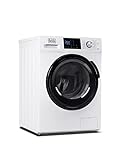
- TAR Score7.1
TAR Score is a ranking system developed by TopAppliancesReviews.com. TAR score has no relationship or impact from any manufacturers or sales agent websites. Learn more
- BrandBLACK+DECKER
Last update on 2026-11-10 / Affiliate links / Images, Product Titles, and Product Highlights from Amazon Product Advertising API

10 Best Washing Machine For King Size Comforter of 2026 For Bulky Bedding

11 Best Semi Automatic Washing Machine Under 10000 of 2026 For Apartments and RVs

9 Best Compact Refrigerator For Beer Bottles of 2026 For Upright Bottle Fit

10 Best Quality Semi Automatic Washing Machine of 2026 For Leak-Free Laundry

11 Best Small Washer Machine of 2026 For Everyday Laundry

12 Best Vibration Pads For Washing Machine of 2026 To Stop Walking and Shaking

11 Best Selling Front Load Washing Machine of 2026 For Quiet Odor-Free Laundry

11 Best Washing Machine For King Size Bedding of 2026 To Prevent Cycle Errors





