
Which Aloe Vera Juice Soothes Your Stomach Safely?

Check the ingredient label right away for organic, inner-fillet juice that is purified to remove aloin. This clear center gel calms an irritated stomach, while the bitter yellow sap near the rind acts as a harsh laxative. The safest choice for gut comfort is an unsweetened bottle carrying an independent purity seal with over 99 percent pure aloe.
The right formula also depends on what your digestive tract needs most. Calming acid reflux calls for pure inner gel, whereas easing occasional constipation often requires a filtered whole-leaf blend. Steer clear of sweet bottles in the snack aisle, since added sugars and flavorings quickly aggravate tender gut linings. A quick check of a few key label terms will help you choose a drink that settles your stomach safely.
Inner Fillet Versus Whole Leaf and the Purity Checks That Protect Your Gut
Walking down the health aisle to calm an irritated stomach can feel confusing. Bottles look almost identical, but what is inside affects your digestion in completely different ways. The most critical choice comes down to which part of the aloe leaf was used: the clear inner gel or the entire leaf.
An aloe leaf has three main parts. The outside is a thick green rind. Directly beneath that skin is a thin layer containing aloin (a bitter yellow sap just under the rind that acts as a harsh laxative). The plant uses this bitter sap to deter animals. In your digestive tract, aloin irritates the colon lining, pulls water into the bowel, and triggers violent abdominal cramping followed by urgent diarrhea.
At the center of the leaf lies the inner fillet, which is the clear, soothing jelly inside the leaf. This clear gel is packed with polysaccharides (natural complex sugars in aloe that help soothe irritated tissue). When stomach acid flares up and burns your esophagus or stomach lining, these plant sugars form a gentle physical barrier. That coating shields raw tissue from acid without disturbing your bowels.
To produce whole-leaf juice, manufacturers grind up the entire leaf, including the rind. Because this mixture contains heavy amounts of bitter sap, it must be decolorized (filtered through charcoal to strip out bitter, irritating compounds). Activated carbon catches the aloin molecules, leaving a milder liquid behind. Even so, for acid reflux and stomach inflammation, inner-fillet juice is the safer option. Inner-fillet processing removes the rind and sap mechanically before pressing, keeping aloin out of the bottle from the start.
Before buying any aloe juice, verify these three essential quality checks on the label:
- The IASC Certification Mark: The IASC seal is an independent purity mark proving the bottle contains real, safe aloe that meets strict industry standards. The International Aloe Science Council verifies that products contain authentic aloe vera and keep aloin below 10 parts per million. That microscopic limit prevents cramping and diarrhea. Without this seal, you have no third-party guarantee that the liquid was purified properly.
- Purity of 99 Percent or Higher: Look for bottles listing 99.5 percent or 99.7 percent certified organic aloe vera. This confirms you are buying real plant liquid rather than reconstituted powder diluted with water. The remaining fraction of a percent should only be a mild stabilizer like citric acid. Learning how to make juice shelf stable explains why a touch of natural acid is needed to keep bottled plant juice safe from spoiling.
- Clear Aloin-Free Claims: Make sure the bottle explicitly says "inner fillet," "aloin-free," or "purified." The ingredient list should be short: organic aloe vera and natural acid buffers. Avoid bottles that mention unpurified whole leaf, artificial sweeteners, or synthetic preservatives.
Functional Dietary Supplements Versus Sweet Grocery Store Drinks
In the refrigerated drink case at most grocery stores, you will see single-serve aloe drinks featuring flavors like peach, mango, or strawberry. They contain clear liquid and soft, chewy pulp cubes. When your stomach burns, grabbing one of these refreshing drinks seems like an easy, natural fix.
These convenience drinks are sugary snack beverages, not digestive aids. The floating cubes are washed pulp pieces stripped of active nutrients and soaked in syrup. A single bottle can pack 20 to 30 grams of added sugar or high-fructose corn syrup, matching the sugar load of a standard soda.
Heavy sugar intake worsens acid reflux. Refined sugar prompts your stomach to pump out extra gastric acid. It also slows gastric emptying, leaving food and acidic fluids sitting in your stomach longer. That delay builds pressure against your lower esophageal sphincter, the muscular valve at the top of your stomach. When that valve is forced open by pressure, acid splashes up into the esophagus, turning mild heartburn into a painful flare-up.
Pure digestive aloe vera juice is sold in the dietary supplement section. It contains zero added sugar and has a distinct flavor that surprises many people. Authentic aloe juice tastes sour, tart, slightly bitter, and astringent, similar to lemon water steeped with cucumber skin. That tartness comes from natural plant acids and the small splash of citric acid added to protect freshness.
If you dislike the tart taste, do not mask it with sugary juice. Instead, dilute your daily portion in four ounces of cool water. You can also mix it into a gentle morning shake. When making a breakfast drink, using a stick blender for smoothies lets you combine aloe juice with soothing ingredients like unsweetened almond milk, ripe banana, and rolled oats in seconds, giving you a smooth drink that stays easy on a tender stomach.
Daily Routine, Safe Dosing, and Who Should Avoid Aloe Juice
Starting an aloe vera routine requires a gradual approach. Pouring a large glass on your first day can upset your stomach, even with purified inner-fillet juice. Follow this simple routine to build a safe habit:
- Start with a Small Starter Serving: Pour 1 fluid ounce (about 2 tablespoons) into a glass on your first morning. Drink it straight or mixed with water, then wait 24 hours to observe how your stomach responds. If you experience no cramping, gas, or loose stools, your gut tolerates the juice well.
- Drink It 15 to 30 Minutes Before Meals: Take your serving on an empty stomach before eating. Taking it 20 minutes before breakfast works well for daytime support, while 20 minutes before dinner helps prevent nighttime reflux. This timing lets the liquid coat your stomach lining before food triggers digestive acid.
- Move to a Regular Maintenance Dose: If 1 ounce feels comfortable, increase your intake to 2 fluid ounces once or twice daily. A common routine for heartburn is 2 ounces before breakfast and 2 ounces before dinner. Avoid drinking more than 8 ounces in a day, as high amounts can loosen the bowels even in purified formulas.
- Refrigerate Immediately After Opening: Pure, organic aloe juices contain no heavy artificial preservatives and spoil quickly at room temperature. Store the bottle in your refrigerator immediately. Shake gently before pouring, and discard any unused juice after 30 to 45 days.
Pay close attention to your body. If you experience sharp abdominal cramps, rumbling, urgent diarrhea, or nausea, stop using the juice immediately. These symptoms mean your intestines are reacting to the plant compounds or that the product contains leftover traces of aloin.
Certain individuals should avoid drinking aloe vera juice completely:
- Pregnant and Breastfeeding Women: Aloe vera compounds can stimulate uterine contractions, raising the risk of pregnancy complications. Active plant compounds also pass into breast milk, causing stomach cramps and diarrhea in nursing infants.
- People Taking Diabetes Medications: Aloe vera can lower blood glucose levels. Taking it alongside insulin or oral diabetes drugs can cause blood sugar to drop dangerously low.
- People on Diuretics or Heart Medications: If unpurified juice causes diarrhea, the body loses potassium rapidly. That drop in potassium can trigger dangerous interactions with heart medications like digoxin.
- Anyone with Severe Bowel Conditions: Those with Crohn's disease, ulcerative colitis, or bowel obstructions should avoid aloe juice unless directed by a doctor, as stimulating compounds can irritate inflamed intestines.
Never blend leaves from a backyard aloe plant to make drinking juice. Home filleting almost always contaminates the clear gel with toxic yellow sap from the rind. Without commercial carbon filtration, raw homemade aloe drinks often cause severe vomiting and painful intestinal spasms. Always rely on certified bottled products.
If your heartburn or stomach burning lasts longer than two weeks despite taking aloe juice, consult a doctor. Ongoing reflux can point to underlying issues like GERD or ulcers that need medical care. If you notice severe abdominal pain, difficulty swallowing, or dark stools, seek professional medical attention right away.
Choosing a Safe Bottled Aloe Vera Juice for Digestion
Selecting a certified commercial aloe vera juice provides a dependable, safe way to soothe digestive discomfort without the hazards of raw home preparation. Clean bottling processes remove irritating rind compounds while preserving the delicate plant sugars that calm irritated tissue.
Focus on inner-fillet juices sourced from certified organic farms. The most reliable products are cold-processed or bottled within hours of harvesting. Rapid processing protects the living plant enzymes and polysaccharides from breaking down due to heat and oxidation.
Check the bottle material before buying. High-grade aloe juices usually arrive in amber glass bottles or thick, opaque plastic jugs. Aloe polysaccharides degrade quickly when exposed to direct light and warmth. Opaque packaging blocks out sunlight, keeping the soothing compounds stable on the shelf.
Always verify that the brand carries an independent purity seal and confirms aloin removal on the label. Choosing an organic, verified inner-fillet juice guarantees you receive clean, gentle digestive support that calms your stomach safely.

- TAR Score9.0
TAR Score is a ranking system developed by TopAppliancesReviews.com. TAR score has no relationship or impact from any manufacturers or sales agent websites. Learn more
- BrandLily Of The Desert

- TAR Score9.0
TAR Score is a ranking system developed by TopAppliancesReviews.com. TAR score has no relationship or impact from any manufacturers or sales agent websites. Learn more
- BrandLily Of The Desert

- TAR Score9.0
TAR Score is a ranking system developed by TopAppliancesReviews.com. TAR score has no relationship or impact from any manufacturers or sales agent websites. Learn more
- BrandLily Of The Desert

- TAR Score8.8
TAR Score is a ranking system developed by TopAppliancesReviews.com. TAR score has no relationship or impact from any manufacturers or sales agent websites. Learn more
- BrandSappe
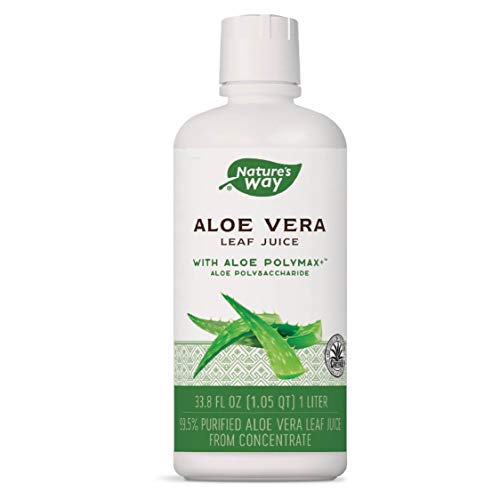
- TAR Score8.8
TAR Score is a ranking system developed by TopAppliancesReviews.com. TAR score has no relationship or impact from any manufacturers or sales agent websites. Learn more
- BrandNature's Way

- TAR Score8.8
TAR Score is a ranking system developed by TopAppliancesReviews.com. TAR score has no relationship or impact from any manufacturers or sales agent websites. Learn more
- BrandLily Of The Desert

- TAR Score8.6
TAR Score is a ranking system developed by TopAppliancesReviews.com. TAR score has no relationship or impact from any manufacturers or sales agent websites. Learn more
- BrandLily Of The Desert

- TAR Score8.6
TAR Score is a ranking system developed by TopAppliancesReviews.com. TAR score has no relationship or impact from any manufacturers or sales agent websites. Learn more
- BrandAloeCure
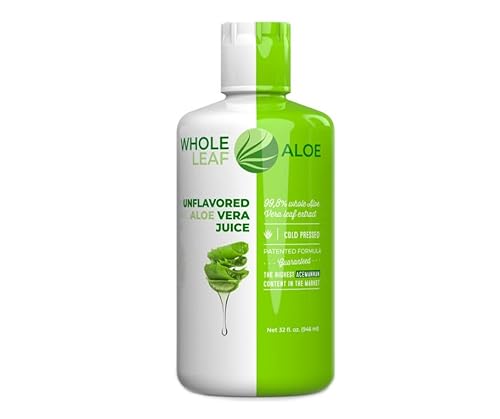
- TAR Score8.2
TAR Score is a ranking system developed by TopAppliancesReviews.com. TAR score has no relationship or impact from any manufacturers or sales agent websites. Learn more
- BrandWhole Leaf Aloe

- TAR Score8.2
TAR Score is a ranking system developed by TopAppliancesReviews.com. TAR score has no relationship or impact from any manufacturers or sales agent websites. Learn more
- BrandNature's Way
Last update on 2026-09-29 / Affiliate links / Images, Product Titles, and Product Highlights from Amazon Product Advertising API
FAQs
Why does pure aloe vera juice taste sour or astringent?
Pure aloe vera juice naturally contains malic acid and other organic plant compounds that give the liquid a tart, slightly bitter flavor. Bottlers also add a small splash of natural citric acid to stabilize the juice and stop bacterial growth. If an aloe drink tastes sweet, it contains added sugar or artificial flavorings that can worsen acid reflux.
Can I drink aloe vera juice every day for acid reflux?
Yes, you can drink pure inner-fillet aloe vera juice daily as long as the product is certified aloin-free. Drinking 1 to 2 ounces about 20 minutes before meals helps coat the stomach lining and reduce acid irritation. If you experience loose stools or abdominal cramps at any point, stop drinking it or lower your daily serving.
Is aloe vera gel the same as aloe vera juice?
Aloe vera juice is a thin, drinkable liquid, while inner-leaf gel is slightly thicker due to natural pulp or vegetable gums. Both forms soothe the stomach effectively if they are certified food-grade and free of aloin. However, you must never swallow cosmetic aloe vera gels made for sunburns, as those topical products contain chemical preservatives, fragrances, and toxic additives.


Best Vitamix Immersion Blender Reviews: Top Choices for 2026

Banish Cramps with Homemade Pickle Juice: A Guide
Unravel the Secrets: How to Make Snake Juice at Home

Pear Juice: Unveiling the Health Benefits

Decoding the Effects: Is Pickle Juice a Laxative?

Unveiling the Truth: Is Cold Pressed Juice Pasteurized?
Is Pickle Juice Good for Plants? Unraveling the Truth

Orange Juice vs. Apple Juice: Uncovering the Better Choice






