
What Makes a Top-Loading Washing Machine Highly Rated?

The highest-rated top-loading washing machine is either a simple model with a center post for scrubbing tough dirt, or an open drum with a flat bottom plate for washing bulky bedding without tangling. The one thing that flips that answer is the kind of laundry your household washes most often. A machine praised for blasting mud out of work clothes can easily twist delicate fabrics or struggle to spin a thick blanket without violently banging against the frame.
Your living space also dictates what works smoothly. A busy household usually needs a large tub with an electric drain pump to power through heavy loads, while a smaller apartment might require a compact washer that rolls to a sink and drains by gravity. Finding the design that actually satisfies you comes down to matching these basic mechanics to your daily routine.
Agitator Posts Scrub Stains While Wash Plates Protect Bedding
When you look at online ratings for top-loading washers, you will quickly notice that the same machine can receive glowing praise from one owner and bitter complaints from another. That split in satisfaction usually traces back to how the machine moves clothes inside the drum. Top-loading washers clean using either a center agitator post or a flat bottom wash plate, and each design handles fabrics differently.
A center agitator post is a tall spindle with plastic fins that stands in the middle of the wash basket. As the machine runs, the post twists back and forth, pulling clothes down and forcing them against each other. This vigorous rubbing action scrubs ground-in mud, grease, and heavy clay from sturdy work clothes. But that same motion can twist pant legs, stretch delicates, or pull on straps.
A wash plate, or impeller, sits flat at the bottom of the stainless steel clothes tub. Instead of grabbing laundry directly, it spins to create water currents that lift and circulate fabrics. This leaves the middle of the drum clear, giving you more usable room inside the drum. It treats everyday shirts, dresses, and knits gently, and allows bulky items like blankets and sleeping bags to move freely without wrapping around a post.
The drawback of a wash plate is cleaning power on caked-on dirt. Heavily soiled garments can float near the surface if you pack the tub too full. For muddy workwear or sports uniforms, an agitator model or a washer with a dedicated soak cycle for stubborn stains gives better results. If your laundry is mostly office wear, casual clothes, and bedsheets, a wash plate drum keeps fabrics in better shape.
Even Tub Loading Stops Violent Shaking And Spin Errors
The most frequent complaint with top-loading washers is violent shaking, loud banging, or spin cycles that stop before clothes are dry. When a washer spins at high speeds to pull water out of fabrics, uneven weight creates heavy vibration. Modern machines include an off-balance safety sensor that pauses spinning and beeps when bulky items bunch up on one side. This safety pause keeps the inner wash basket from hitting the outer frame and damaging internal suspension rods.
Off-balance errors usually trace back to loading mistakes. Dropping clothes in a single heavy pile or wrapping a sheet tightly around the tub causes laundry to shift to one side as water drains. Drop items into the drum in loose, separate handfuls around the outer edge, keeping the center clear. When washing heavy items like bath towels or jeans, wash at least two together on opposite sides to balance the weight.
Tub capacity also affects balance. Tub capacity is measured in cubic feet, which describes the usable room inside the drum, while compact models often list capacity by dry laundry weight in pounds. Packing clothes tightly up to the top metal rim leaves no room for fabrics to tumble. It also presses wet clothes against the upper ring during high-speed rotation. Leave three to four inches of space below the top rim so items distribute naturally.
Solid floor contact is equally vital. If one of the adjustable leveling legs beneath the cabinet sits off the floor, the washer will rock and walk. Place a level across the flat top lid, then turn the threaded leveling legs with a wrench until all four feet rest firmly on the floor. Choosing a model with balanced spin cycles helps the drum detect weight distribution early, preventing spin stops before they happen.
Drain Pumps Lift Water While Gravity Hoses Need Floor Drains
Many low ratings happen because buyers pick the wrong drainage design for their plumbing. Top-loading washers remove dirty water through an electric drain pump or a gravity drain hose. Setting up the wrong style leads to standing water in the tub, foul odors, or water spilling across the floor.
A washer with a built-in drain pump uses an electric motor to push water up through the discharge hose. This pump can lift wastewater three to four feet off the ground into a wall standpipe, kitchen sink, or bathtub. If your drain pipe sits higher than the floor, a built-in drain pump is required.
A gravity drain washer lacks an electric pump. Instead, an internal valve opens and water drains downhill through the hose. For this system to work, the hose must lie completely flat across the floor and lead into a ground-level floor drain. If you hang a gravity drain hose over a sink edge, water stays trapped in the clothes tub because it cannot flow uphill.
To avoid drainage backups and standing water, follow these practical checks:
- Confirm your machine has an electric drain pump if your drain outlet sits above the floor.
- Keep the discharge hose straight without sharp kinks that choke water flow.
- Keep the end of the drain hose above standing water so dirty water cannot siphon back inside.
- Clean the tub lint screen or lower pump filter catch every few months to remove lint and coins that slow draining.
Basic Wash Cycles Deliver Better Cleaning Than Complex Digital Settings
Control panels often feature dozens of buttons, specialty cycles, and flashing digital displays. In daily practice, the best-rated machines earn praise because their core cycles clean well without complicated adjustments. You only need a few reliable wash settings for typical laundry.
A normal cycle handles everyday cottons and shirts by balancing steady agitation with thorough water extraction. A delicate or gentle cycle slows drum movement and uses softer water currents to protect sheer fabrics, lace, and thin athletic tops. A heavy-duty cycle provides longer wash times and stronger agitation for muddy work pants or sturdy towels. A quick wash cycle cleans lightly soiled clothes in less time when you need an outfit quickly. A spin-only setting removes excess water from hand-washed garments or drenched towels before line drying.
Using the right soap is just as important as choosing the right cycle. Modern top loaders use less water than older machines, making low-suds HE (High Efficiency) detergent necessary. Traditional detergents create thick foam that cushions clothes too much, preventing the rubbing action needed to get fabrics clean. Excess soap suds can also confuse water level sensors, cause leaks around the lid, and leave dull soap film on dark clothing.
Trapped moisture inside any washing machine will lead to sour, musty smells. Keep your washer fresh by wiping down the inner rim after laundry day and leaving the lid propped open between loads so the stainless steel clothes tub dries out. Running a monthly tub cleaning cycle to stop sour odors clears away detergent residue before bacteria can build up.
Your Hookup Type Dictates Compact Portable Or Full-Size Machines
Top-loading washers fall into two primary formats: permanent full-size units and compact portable washers. The right choice depends on your floor space, water hookups, and electrical outlets.
Full-size washers belong in a dedicated laundry room or basement. These machines connect to permanent hot and cold water supply hoses linked to threaded wall shutoff valves. They plug into a standard 120-volt 3-prong grounded wall outlet on a dedicated circuit. Never run a washer from an ungrounded two-prong outlet or a lightweight extension cord, because the motor draws a heavy power surge during startup. When measuring your laundry area, add 4 to 6 inches of rear clearance behind the washer to protect hoses from pinching, and check that you have overhead room for the lid to open fully.
Compact portable washers serve apartments, dorms, and small homes without dedicated plumbing lines. These units connect to a standard sink faucet using a quick-connect sink adapter that clicks onto the faucet spout. Standard threaded faucets in most kitchens and bathrooms accept these adapters easily. Faucets with pull-out spray wands or square spouts usually cannot connect without custom hardware. Portable washers feature small wheels or side handles, allowing you to roll them into a closet when wash day ends.
Check these key requirements before settling on a washer style:
- Dedicated hookups: Look for separate hot and cold wall valves and a standpipe for a permanent machine.
- Faucet compatibility: Confirm your faucet has a standard screw-off aerator if you plan to use a sink adapter.
- Power supply: Verify a grounded 3-prong outlet is within reach without using extension cords.
- Clearances: Measure doorways, hallways, and overhead shelves to ensure the cabinet fits and the lid opens fully.
Choosing The Right Top-Loading Washer For Your Daily Laundry Needs
Finding a top-loading washer that truly satisfies you comes down to matching its core design to your specific laundry habits rather than relying on star ratings alone. A machine that receives high marks from an apartment renter who washes light everyday clothes can completely fail a large family dealing with heavy bedding and dirty work uniforms.
Begin by assessing your typical wash loads. If your household regularly washes heavily soiled work clothes, muddy sports uniforms, or sturdy denim, a machine with a center agitator post provides the direct scrubbing action needed to remove deep dirt. If your laundry mainly consists of office wear, delicate fabrics, and bulky comforters, a washer with a flat bottom wash plate will protect garments from wear and provide the open basket room required for larger bedding.
Next, evaluate your plumbing and floor space. If you rent or lack dedicated utility lines, verify that a portable washer includes an electric drain pump and fits your kitchen faucet before buying. If you have a permanent laundry hookup, measure your clearances carefully and ensure your floor is level. Matching these basic mechanical details to your daily living space ensures your top loader delivers quiet, dependable performance load after load.
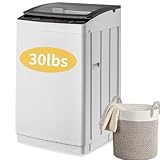
- TAR Score8.9
TAR Score is a ranking system developed by TopAppliancesReviews.com. TAR score has no relationship or impact from any manufacturers or sales agent websites. Learn more
- BrandGODECOR

- TAR Score8.7
TAR Score is a ranking system developed by TopAppliancesReviews.com. TAR score has no relationship or impact from any manufacturers or sales agent websites. Learn more
- BrandCOSTWAY

- TAR Score8.7
TAR Score is a ranking system developed by TopAppliancesReviews.com. TAR score has no relationship or impact from any manufacturers or sales agent websites. Learn more
- BrandAuertech

- TAR Score7.7
TAR Score is a ranking system developed by TopAppliancesReviews.com. TAR score has no relationship or impact from any manufacturers or sales agent websites. Learn more
- BrandBLACK+DECKER

- TAR Score7.1
TAR Score is a ranking system developed by TopAppliancesReviews.com. TAR score has no relationship or impact from any manufacturers or sales agent websites. Learn more
- BrandBonnlo
Last update on 2026-11-16 / Affiliate links / Images, Product Titles, and Product Highlights from Amazon Product Advertising API
Related guides: what is the best rated washing machine.


10 Best Washing Machine For King Size Comforter of 2026 For Bulky Bedding

11 Best Semi Automatic Washing Machine Under 10000 of 2026 For Apartments and RVs

9 Best Compact Refrigerator For Beer Bottles of 2026 For Upright Bottle Fit

10 Best Quality Semi Automatic Washing Machine of 2026 For Leak-Free Laundry

11 Best Small Washer Machine of 2026 For Everyday Laundry

12 Best Vibration Pads For Washing Machine of 2026 To Stop Walking and Shaking

11 Best Selling Front Load Washing Machine of 2026 For Quiet Odor-Free Laundry

11 Best Washing Machine For King Size Bedding of 2026 To Prevent Cycle Errors





