
What Is a Table Knife? Everyday Dining Essential

What is a table knife exactly? At first glance it seems like the most ordinary utensil sitting beside a plate. Yet this small piece of cutlery carries more purpose than people often realize. A table knife helps slice cooked food neatly, spread butter smoothly, and keep meals tidy without the aggressive sharpness of a kitchen blade. Simple tool, sure but one that quietly shapes how comfortable and enjoyable a meal feels.
A classic table knife usually features a rounded tip and a lightly serrated or dull edge. That design matters. Instead of cutting like a chef’s knife, it gently presses and separates foods such as steak, vegetables, bread, or pasta dishes. The blade stays safe enough for everyday dining while still offering enough grip to glide through cooked ingredients. Balance between safety and function makes the table knife a staple on dining tables across homes and restaurants alike.
Dining culture has always leaned on the presence of a table knife. Formal place settings place it to the right of the plate with the blade facing inward a small etiquette detail that reflects centuries of dining traditions. Casual meals follow the same idea, even if nobody pauses to think about it. That little utensil becomes part of the rhythm of eating, helping food move from plate to fork without fuss.
Materials also play a role in how a table knife performs. Stainless steel dominates modern sets because it resists rust and handles daily washing without losing its finish. Some designs add thicker handles for comfort or subtle serrations for tougher foods like grilled meats. These variations might look minor, but they influence grip, control, and overall dining experience.
Another reason the table knife remains essential lies in versatility. It handles butter, spreads soft cheese, cuts pancakes, or separates roasted vegetables with ease. Kitchen knives may handle preparation, but the table knife steps in at the moment food meets the plate. That role bridges cooking and dining, quietly keeping meals neat, controlled, and pleasant.
So while it rarely steals the spotlight, the table knife stands as one of the most practical tools in any place setting. Its design blends safety, convenience, and tradition into a single utensil. Meals feel smoother, cleaner, and more comfortable simply because that small knife sits right where it should be.

- TAR Score9.6
TAR Score is a ranking system developed by TopAppliancesReviews.com. TAR score has no relationship or impact from any manufacturers or sales agent websites. Learn more
- BrandMercer Culinary
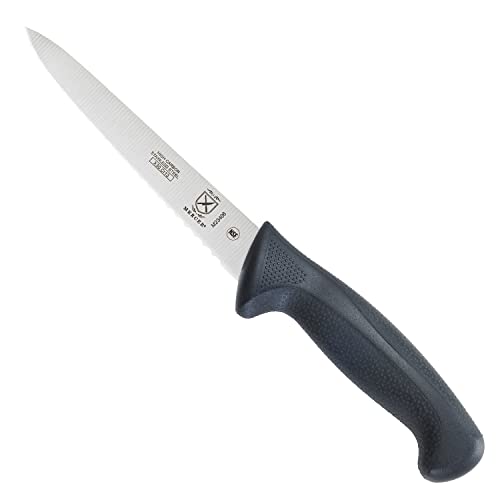
- TAR Score9.6
TAR Score is a ranking system developed by TopAppliancesReviews.com. TAR score has no relationship or impact from any manufacturers or sales agent websites. Learn more
- BrandMercer Culinary

- TAR Score9.4
TAR Score is a ranking system developed by TopAppliancesReviews.com. TAR score has no relationship or impact from any manufacturers or sales agent websites. Learn more
- BrandAmazon Basics

- TAR Score9.2
TAR Score is a ranking system developed by TopAppliancesReviews.com. TAR score has no relationship or impact from any manufacturers or sales agent websites. Learn more
- BrandAebeky
- TAR Score9.2
TAR Score is a ranking system developed by TopAppliancesReviews.com. TAR score has no relationship or impact from any manufacturers or sales agent websites. Learn more
- BrandAebeky

- TAR Score9.2
TAR Score is a ranking system developed by TopAppliancesReviews.com. TAR score has no relationship or impact from any manufacturers or sales agent websites. Learn more
- BrandEmojoy

- TAR Score9.0
TAR Score is a ranking system developed by TopAppliancesReviews.com. TAR score has no relationship or impact from any manufacturers or sales agent websites. Learn more
- BrandOneida

- TAR Score8.6
TAR Score is a ranking system developed by TopAppliancesReviews.com. TAR score has no relationship or impact from any manufacturers or sales agent websites. Learn more
- BrandSenken Knives

- TAR Score8.4
TAR Score is a ranking system developed by TopAppliancesReviews.com. TAR score has no relationship or impact from any manufacturers or sales agent websites. Learn more
- BrandATB
Last update on 2026-03-21 / Affiliate links / Images, Product Titles, and Product Highlights from Amazon Product Advertising API
What Is a Table Knife
Every meal has that moment where utensils either make life smooth or a little messy. Plates of roasted veggies, buttered bread, or tender steak can turn into a struggle if the right tool isn’t at hand. That’s where a table knife shines, blending function and ease in a simple yet elegant design. Its presence on the table isn’t just tradition it’s practical comfort at every bite.
Table Knife Basics
A table knife typically features a rounded tip and a slightly serrated or dull edge, making it safe for daily use while still slicing through most cooked foods with ease. Unlike sharper kitchen knives, it doesn’t tear or overcut, keeping the plate neat. That gentle balance between safety and functionality makes it a quiet hero of dining etiquette.
Most table knives come in stainless steel for durability, resisting rust and maintaining their finish over years of use. Handles vary in thickness and material, providing comfort and grip for prolonged meals. This seemingly minor difference in handle design can significantly improve control while cutting butter or soft meats.
Using a table knife properly means aligning it with etiquette: blade inward, resting beside the plate. That small detail enhances dining organization and contributes to the smooth rhythm of a meal. It’s a subtle yet effective way to merge tradition with practicality.
Functionality extends beyond cutting. A table knife is ideal for spreading, scooping, or gently separating foods without damaging delicate textures. From pancakes to roasted veggies, it provides versatility not easily replaced by sharper kitchen alternatives.
Material and Design Choices
The choice of material directly impacts the table knife’s performance. Stainless steel remains the industry standard, offering corrosion resistance and lasting sharpness. Premium variants may add ergonomic handles to reduce fatigue during longer meals, especially in family or multi-course settings.
Blade design matters more than one might think. A subtle serration enhances slicing cooked meats without tearing, while a smooth edge glides through softer items like butter or pancakes. These design choices highlight the table knife’s versatility and efficiency.
Weighted balance is another key factor. Well-proportioned knives feel natural in the hand, improving cutting precision and comfort. That tactile feedback transforms routine dining into a more controlled and enjoyable experience.
Occasional embellishments, like polished finishes or decorative handles, elevate table presentation without sacrificing function. Even subtle aesthetic upgrades can enhance perceived quality, making meals feel more refined.
Safety Advantages of a Table Knife
Unlike chef knives, a table knife minimizes accidental cuts thanks to its rounded tip and controlled edge. This safety aspect makes it suitable for children or casual settings where a sharper blade would be risky. Meals remain relaxed and controlled without unnecessary hazards.
The gentle edge ensures food is cut without crushing delicate textures, keeping presentation intact. Salads, fish fillets, or tender meats glide under the blade smoothly, preserving the integrity of each dish. That small difference in edge sharpness can prevent frustration and mess.
Another overlooked benefit is its adaptability for multitasking. A table knife spreads butter, separates slices, or even helps scoop soft items. Its safe design means it can be handled confidently by anyone, enhancing meal efficiency.
Durable materials like stainless steel and ergonomic handles further reduce mishaps. Knives that maintain balance and grip decrease slipping, ensuring that the table knife stays functional and safe throughout use.
Role in Dining Etiquette
Placement matters. The table knife is traditionally positioned to the right of the plate, blade inward. That alignment not only respects dining etiquette but also streamlines meal mechanics. It’s a subtle, non-verbal cue that keeps dining organized and graceful.
Formal settings often use a full array of knives, yet even casual meals benefit from a well-placed table knife. Its presence signals readiness and convenience, ensuring guests can slice, spread, or scoop without interruption.
Knowing the purpose of the table knife enhances meal flow. Guests can handle diverse foods without the awkwardness of mismatched tools. This integration of design, function, and placement elevates everyday dining.
Even in minimalist or modern setups, a table knife contributes to the visual harmony of the table. Proper positioning balances aesthetics with utility, blending tradition with modern practicality.
Common Uses Across Meals
The versatility of a table knife becomes apparent across various dishes. From slicing roasted chicken to buttering bread or serving pancakes, it adapts to multiple tasks. Its dull edge protects hands while performing efficiently.
Soft foods benefit from the table knife’s controlled pressure. Spreads, cheese, and soft vegetables are handled delicately without smearing or crushing. This precision reduces waste and keeps meals tidy.
Even tougher cooked foods, like grilled meats, yield easily to subtle serrations. That balance between grip and gentleness underscores the table knife’s design intelligence, allowing users to manage a wide range of foods effortlessly.
For household chefs, incorporating the right table knife enhances overall meal satisfaction. Plates look clean, food is easy to handle, and dining becomes a smoother, more pleasurable experience.
Choosing the Right Table Knife
Selecting the best table knife isn’t just about looks. Blade shape, weight, handle ergonomics, and material all influence meal comfort. A well-chosen knife balances cutting efficiency, spreading capability, and hand feel for lasting convenience.
Blade Type and Edge Design
Smooth edges glide through soft foods, while mild serrations improve grip on firmer items. Knowing which blade fits your typical meals makes a huge difference in ease of use. That subtle design choice can prevent crushed or torn foods, keeping meals neat and satisfying.
Rounded tips enhance safety, especially in family settings. Children or casual diners can slice safely without risk, making the table knife accessible to everyone. Safety integrates seamlessly with daily functionality.
Edge durability also matters. Stainless steel ensures longevity, resisting corrosion even under frequent washing. Investing in high-quality materials prevents dulling and maintains consistent performance over years of use.
Some knives feature coated blades or ergonomic angles to further enhance control. These small innovations improve handling during busy meal times, reducing frustration and increasing satisfaction.
Handle Comfort and Ergonomics
Handles significantly affect cutting comfort. Thick, contoured grips prevent hand fatigue during multi-course meals. Even slight adjustments in shape or texture can improve control and enhance dining ease.
Materials vary from polished stainless steel to textured composites. Each offers different levels of grip and comfort, catering to personal preferences. Choosing the right handle ensures the knife feels natural in hand and minimizes strain.
Weight distribution is equally crucial. Balanced knives allow smooth slicing without awkward hand adjustments. That harmony between blade and handle makes meals more fluid and less tiring.
Custom designs or weighted handles can add flair without sacrificing function. Visual appeal combined with comfort elevates the overall dining experience.
Compatibility With Table Settings
A table knife should complement existing cutlery. Its size, shape, and style affect table aesthetics and usability. Cohesive sets simplify meals and enhance visual appeal while maintaining function.
For mixed settings or informal gatherings, choosing versatile designs ensures the knife handles a variety of foods. It’s less about decoration and more about reliable performance across diverse dishes.
Matching materials and finishes improve harmony at the table, subtly signaling quality. This contributes to an overall pleasant dining atmosphere, where function and style coexist.
Even in compact spaces, selecting knives with ergonomic handles and appropriate length avoids clutter while maintaining usability. The right knife simplifies eating without overwhelming table setup.
Maintenance and Longevity
Keeping a table knife in top shape requires minimal effort but yields long-term benefits. Stainless steel resists rust, while proper washing prevents dulling. Occasional polishing maintains both aesthetic appeal and performance.
Storing knives correctly preserves edge integrity. Drawer organizers or knife blocks reduce wear and prevent accidental damage. Simple precautions extend lifespan and keep the knife reliable.
Routine inspection ensures handles remain secure and blades free from warping. Even minor maintenance improves safety, comfort, and cutting precision, sustaining the knife’s effectiveness over time.
Investing in quality materials and attentive care transforms the table knife from a simple utensil into a lasting companion for everyday meals. The payoff is smoother dining and consistent performance.
Table Knife Etiquette And Meal Flow
Meals feel more seamless when a table knife is used correctly. Its placement, alignment, and interaction with other utensils streamline the dining process. Proper etiquette keeps the rhythm of cutting, spreading, and serving food effortless, ensuring dishes are handled with precision and care.
Placement Strategies
Positioning a table knife correctly blade inward, to the right of the plate enhances both safety and efficiency. It reduces the chance of accidental cuts and keeps the table visually organized. Small adjustments in placement can influence how smoothly meals progress, especially during multi-course dinners.
Using the knife in tandem with forks allows diners to slice without slipping or crushing foods. This coordination preserves both texture and presentation, crucial for formal gatherings or family dinners. A well-balanced setup elevates the meal experience and reduces mealtime stress.
Even casual dining benefits from attention to table knife placement. Plates of bread, cheese, or roasted vegetables become easier to handle when knives are within intuitive reach. Proper setup helps guests manage multiple dishes without disruption.
Pairing knives with complementary utensils ensures a cohesive table environment. The overall arrangement minimizes awkward hand movements and promotes a natural, comfortable meal flow.
Optimizing Table Knife Functionality
The true power of a table knife lies in its versatility. It effortlessly spreads butter, separates slices of cooked meats, and even handles softer items like pancakes. The right knife transforms daily dining into a more organized, enjoyable process.
Subtle serrations on the blade make it suitable for tender meat while maintaining safety for casual users. This feature keeps foods intact and prevents messes, highlighting the knife’s practical design. Comfort, balance, and edge type together create a seamless cutting experience.
Regular usage demonstrates how a table knife reduces effort across a variety of dishes. From thick spreads to flaky breads, its consistent performance keeps meals tidy and stress-free. Even quick family breakfasts benefit from this consistent utility.
Proper knife technique combines slicing, pressing, and gentle scooping to handle diverse foods effectively. Understanding how to leverage these movements maximizes both efficiency and the dining experience.
Table Knife In Modern Kitchens
Modern kitchens emphasize both aesthetics and function, and the table knife plays a subtle but critical role. Sleek stainless steel designs with ergonomic handles integrate effortlessly into contemporary settings. Quality materials ensure longevity and consistent performance over years of use.
For homes exploring culinary gadgets, combining the table knife with tools like best burr coffee grinder under 200 enhances morning routines. The knife’s simplicity complements more complex kitchen appliances, creating a balanced workflow.
Minimalist designs with polished handles contribute to a clean table presentation, while maintaining cutting efficiency. Small enhancements, like weighted blades or smooth edges, elevate both function and aesthetics. These choices impact everyday meals subtly but significantly.
Using the knife alongside contemporary dining tools ensures harmony across utensils and meal prep processes. Integration into modern kitchens keeps dining efficient, stylish, and pleasurable.
Maintenance Tips For Longevity
Maintaining a table knife is simple but essential for lasting performance. Frequent washing, drying immediately, and avoiding harsh detergents prevent corrosion and dulling. A little care extends the knife’s life and keeps it performing consistently.
Regular checks for handle stability and blade alignment help maintain safety and comfort. Even minor wear can affect cutting precision, so routine inspection is crucial. Keeping knives well-cared for ensures reliable performance across meals.
Storing knives in organized drawers or knife blocks prevents damage and keeps edges intact. Proper storage enhances safety and makes utensils easy to access during meals. Thoughtful maintenance preserves both function and appearance.
Pairing quality care with durable materials transforms the table knife from a basic utensil into a dependable kitchen companion. The payoff is smoother dining, fewer accidents, and extended usability.
Creative Uses Beyond Dining
While primarily for meals, the table knife finds practical uses in small kitchen tasks. Gentle slicing of soft fruits or spreading sauces can be accomplished safely. Its dull edge ensures control while preventing accidental damage to surfaces or hands.
For home cooks experimenting with beverages, the knife can assist in prep tasks such as gently cutting garnishes. For instance, slicing apples for a warm drink pairs perfectly with instructions on how to steam apple juice. Small integrations like this showcase the knife’s flexibility beyond standard meals.
Even arts and crafts in culinary settings benefit from a table knife’s precision. Soft doughs, delicate toppings, or butter sculpting become easier when using a controlled, safe blade. Its versatility stretches beyond traditional dining.
Creative adaptation of the knife allows users to leverage its key features in multiple contexts. Safety, control, and durability remain central, whether preparing breakfast, plating meals, or exploring small kitchen experiments.
Selecting Quality Table Knives
Choosing the right table knife is critical for comfort and functionality. Materials, handle design, blade edge, and balance all influence cutting ease and user experience. Investing in quality ensures meals remain neat and dining feels effortless.
Ergonomic handles prevent fatigue, while balanced blades improve control. These features collectively enhance performance across diverse foods, from tender vegetables to slightly firmer cooked meats. Comfort and precision go hand in hand for smooth dining.
High-quality stainless steel resists corrosion and maintains blade integrity. Even after repeated use and washing, knives retain sharpness and aesthetic appeal. Durability is a key factor in sustaining everyday utility.
For versatile kitchens, selecting knives with subtle serrations and rounded tips maximizes functionality and safety. Quality design transforms routine dining tasks into efficient, controlled, and enjoyable experiences.


Top Rated Best Quality Range Hoods: 2026 Expert Picks

The 12 Best Small Solar Generators 2026

10 Best Quality Semi Automatic Washing Machine of 2026 For Leak-Free Laundry

11 Best Small Washer Machine of 2026 For Everyday Laundry

12 Best Vibration Pads For Washing Machine of 2026 To Stop Walking and Shaking

11 Best Selling Front Load Washing Machine of 2026 For Quiet Odor-Free Laundry

11 Best Washing Machine For King Size Bedding of 2026 To Prevent Cycle Errors

10 Best Small Front Loader Washing Machine of 2026 For Tight Closets






