
What Is a Seasoned Cast Iron Skillet?

A home cook unpacks a heavy black frying pan, spots the word "seasoned" on the box, and wonders if the metal came rubbed with spices. In kitchen terms, a seasoned skillet simply has a baked-on shell of cooking oil bonded directly to the iron under high heat. This smooth, dark shield stops bare metal from rusting and creates a naturally slick surface so food releases easily.
How that layer behaves depends on how the pan arrived and how you care for it after dinner. Many skillets come pre-seasoned from the factory and ready to cook, while bare gray iron needs coats baked on at home. Regular cooking with oil strengthens the finish over time, but leaving moisture in the pan can strip it away or cause rust. Here is how that protective coating actually works and how to tell if yours is ready for the stove.
Forget the spice rack and treat seasoning as baked oil
When you see the word seasoned on a skillet box or read it in a recipe, it is easy to picture salt, black pepper, and garlic powder rubbed into the metal. In cast iron cooking, seasoning has nothing to do with food seasonings, barbecue rubs, or pantry spices.
Seasoning is simply cooking oil baked onto iron at high heat until it turns into a hard protective shell. When liquid cooking oil reaches high heat, it stops behaving like slippery grease. The oil molecules bond together into a tough, slick layer that grips directly onto the raw iron underneath. This baked-on oil layer that stops sticking and prevents rust becomes a permanent shield across the metal.
This surface is not chemical paint or a synthetic nonstick coating. It is completely natural, created when everyday cooking oils are heated past the point where they smoke and harden. Because this shield fuses to the iron, it will not peel away like synthetic coatings often do when scratched. If you run a clean, dry fingertip across the pan, your skin comes away clean without smelling spices or feeling wet grease.
Rely on the hardened oil shell to block rust and fight sticking
Cast iron may look dense and smooth from across the kitchen, but up close the metal is rough and full of microscopic pits. Raw cast iron is bare gray metal without protective oil. When bare gray metal meets everyday air and moisture, oxygen attacks the iron and creates reddish-brown rust in minutes.
The baked oil layer acts like an airtight raincoat over the entire skillet. It sinks deep into microscopic valleys, fills the uneven pores, and hardens into a smooth bridge across the flat cooking surface. Water and steam cannot reach the bare iron, which keeps your skillet completely rust-free during daily kitchen use.
This hardened shield also creates natural slickness for your food. When raw meat or batter hits bare, heated iron, the proteins grab onto the rough metal valleys like tiny anchors. When those valleys are filled with a baked oil shield, food cannot sink in and stick. When you sear a steak or fry an egg in a preheated pan with a small splash of cooking fat, the food releases cleanly instead of tearing.
Cast iron also excels at how evenly the metal holds and spreads heat. You get deeply browned crusty bits stuck to the bottom, and releasing browned bits with liquid to make a pan sauce becomes effortless without damaging the protective black coat.
Check the color and feel of the surface before you start cooking
You do not need special tools to evaluate the surface of a cast iron pan. A simple look and a quick touch will tell you whether the pan is ready for dinner.
Start with your eyes. A healthy, ready-to-use pan looks dark bronze, charcoal, or deep satin black. Factory-made skillets often start as a matte charcoal color, while older pans that have seen years of cooking develop a dark, smooth finish built up by cooking, known as a patina. Do not worry if the color is not pitch black or completely uniform across the rim. What matters is that you see no bare, chalky gray patches and no orange spots of rust.
Next, check the surface with your fingertips:
- Feel for dryness: A good layer feels smooth, hard, and totally dry, like a hard enamel countertop rather than a greasy baking sheet.
- Check for stickiness: If the pan feels gummy, tacky, or leaves your fingers wet, someone applied too much oil during baking or took the pan off the heat too early.
- Look for flaking: If your fingers pick up loose black flakes, the pan has built up charred food residue rather than true baked oil. If you inherited an old pan with thick peeling crust or heavy rust, you can learn how to refurbish old cast iron skillet right to strip away the bad layers and start fresh.
Pick factory-treated pans over bare gray metal to save yourself work
Decades ago, buying cast iron meant bringing home raw, silver-gray metal coated in shipping wax. Home cooks had to scrub off the wax and spend an entire weekend baking oil onto the metal several times before making their first meal.
Today, nearly every skillet on store shelves arrives pre-seasoned. Pre-seasoned means the pan was factory-coated with baked oil and ready to use straight out of the box. Manufacturers spray a thin, even coat of vegetable oil over the newly molded iron and send it through industrial ovens heated above 400 degrees.
If you bring home a new pre-seasoned skillet, you do not need to bake oil onto it before cooking dinner. All you need to do is give it a quick wash with warm water and mild soap to remove warehouse dust, dry it on the stove, and start cooking. Cooking real meals with everyday fats like butter, lard, or vegetable oil will naturally add microscopic layers of oil every time the pan gets hot.
Bare raw cast iron is still sold by a few specialty makers, but it requires immediate care. If a bare pan gets wet for even ten minutes, rust spots form. Unless you want the hobby of building your own base layer from bare metal, choosing a pre-seasoned pan gives you an immediate head start.
Wash with gentle soap, dry with heat, and rub a drop of oil after every meal
Caring for your pan sounds intimidating because old kitchen myths claim that a single mistake will ruin the surface. In reality, baked oil is tough and chemically bonded to the metal. Follow these simple steps after each meal to keep the metal protected and slick:
- Wash while the skillet is warm: Let the pan cool down so you can handle it safely, but do not wait until grease hardens. Clean it with warm water, a soft sponge or stiff nylon brush, and a small drop of mild liquid dish soap. Old rules against soap came from days when soap contained lye, which dissolves oil. Modern dish soaps are gentle and will not harm baked oil. For burnt messes, read how to clean a dirty cast iron skillet without scratching the finish. For sticky residues, see how to clean a cast iron skillet with salt using coarse kosher salt to scrub without harming the black coat.
- Never soak the pan or shock hot metal: Never leave your skillet in a sink filled with water, and never run it through a dishwasher. Harsh detergents and wet steam strip the protective oil and cause orange rust. Also, never run cold tap water over a scorching hot pan. Cold water hitting hot metal risks the pan bottom bending or wobbling because cold water hit hot metal, or even cracking the iron.
- Dry completely on a hot burner: Towel drying leaves moisture trapped in microscopic surface pores. Set your washed skillet over medium-low heat on the stovetop for two to three minutes until all damp spots disappear.
- Rub a microscopic layer of fresh oil: While the pan is still warm, drop a pea-sized dab of canola oil or vegetable oil onto the flat cooking surface. Rub it across the entire interior with a paper towel. Then take a clean, dry paper towel and buff the pan until it looks completely dry and matte again. If you leave a visible pool of wet oil, it will turn sticky the next time you heat the pan.
Choose a pre-seasoned pan sized for your everyday cooking
If you want a cast iron skillet that works right away without extra fuss, buying a pre-seasoned model is the smartest move for beginners. A factory-applied coat gives you a ready-made protective barrier that blocks moisture and releases food from your very first meal.
When looking at your options, consider how pan size matches your cooking habits. Pan sizes are measured across the top rim width in inches:
- An 8-inch skillet works well for single servings, individual fried eggs, or melting butter and warming sauces.
- A 10-inch skillet fits two chicken breasts, a small frittata, or side dishes, making it an easy everyday pan for one or two people.
- A 12-inch skillet provides ample room for family meals, four large burgers, or searing multiple steaks without overcrowding the pan.
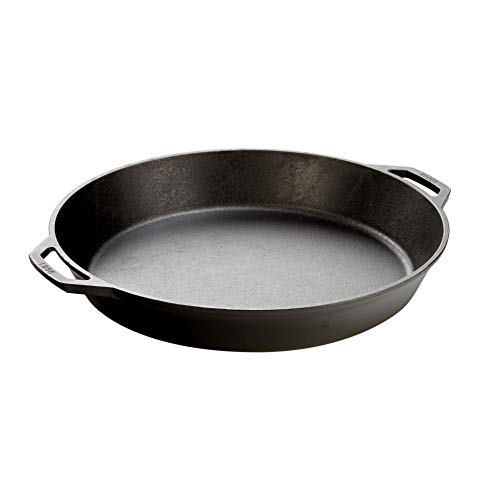
- Extra-large skillets reaching 17 inches can feed a crowd over a campfire, grill, or double stovetop burners, but they require significant storage space and arm strength.
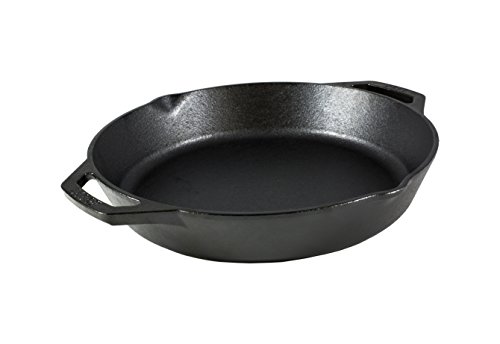
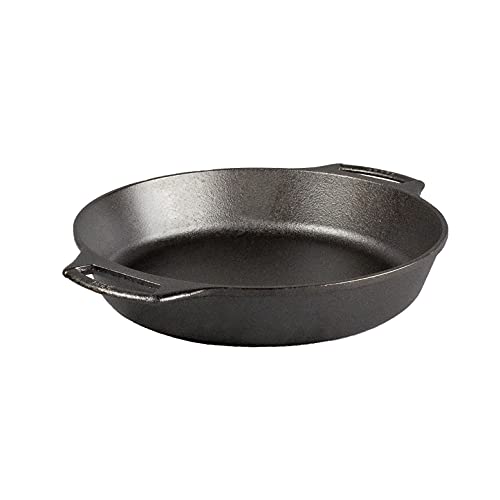
Beyond diameter, check the handle setup. Cast iron handles get just as hot as the cooking surface. Skillets with dual assist handles (small helper loops opposite the main handle) let you lift a heavy pan safely with two oven mitts. Removable silicone handle covers also protect your hands on the stovetop. If you use an induction stove, verify that a magnet sticks firmly to the bottom before buying.
- TAR Score9.6
TAR Score is a ranking system developed by TopAppliancesReviews.com. TAR score has no relationship or impact from any manufacturers or sales agent websites. Learn more
- BrandLodge

- TAR Score9.4
TAR Score is a ranking system developed by TopAppliancesReviews.com. TAR score has no relationship or impact from any manufacturers or sales agent websites. Learn more
- BrandLodge
- TAR Score9.4
TAR Score is a ranking system developed by TopAppliancesReviews.com. TAR score has no relationship or impact from any manufacturers or sales agent websites. Learn more
- BrandLodge
- TAR Score9.4
TAR Score is a ranking system developed by TopAppliancesReviews.com. TAR score has no relationship or impact from any manufacturers or sales agent websites. Learn more
- BrandLodge

- TAR Score9.4
TAR Score is a ranking system developed by TopAppliancesReviews.com. TAR score has no relationship or impact from any manufacturers or sales agent websites. Learn more
- BrandCuisinel

- TAR Score9.2
TAR Score is a ranking system developed by TopAppliancesReviews.com. TAR score has no relationship or impact from any manufacturers or sales agent websites. Learn more
- BrandLodge

- TAR Score9.2
TAR Score is a ranking system developed by TopAppliancesReviews.com. TAR score has no relationship or impact from any manufacturers or sales agent websites. Learn more
- BrandLodge

- TAR Score9.0
TAR Score is a ranking system developed by TopAppliancesReviews.com. TAR score has no relationship or impact from any manufacturers or sales agent websites. Learn more
- BrandUtopia Kitchen

- TAR Score8.6
TAR Score is a ranking system developed by TopAppliancesReviews.com. TAR score has no relationship or impact from any manufacturers or sales agent websites. Learn more
- BrandUtopia Kitchen
Last update on 2026-09-29 / Affiliate links / Images, Product Titles, and Product Highlights from Amazon Product Advertising API
FAQs
Does seasoned cast iron mean the pan has salt and spices on it?
No, seasoning does not involve food spices, salt, or herbs. The word refers exclusively to pure cooking oil baked onto the metal at high heat until it hardens into a smooth, dark protective shell. This shell seals the raw metal, prevents rust, and stops food from sticking during cooking.
Will regular dish soap wash away the seasoning?
Modern dish soap will not strip your seasoning. Decades ago, household soaps contained harsh lye, which broke down oil coatings. Today liquid dish soaps are gentle enough to cut through loose surface grease without damaging the hard, baked-on oil layer underneath.
Why does my seasoned cast iron skillet feel sticky or gummy?
A sticky surface happens when too much oil was applied or the pan was not heated long enough to fully cure the oil. When liquid oil is warmed without reaching its hardening point, it turns into a gummy varnish. You can fix this by washing the pan with warm water and baking it upside down in an oven at 450 degrees Fahrenheit for one hour.
Can you ruin a seasoned cast iron skillet permanently?
It is very difficult to ruin cast iron permanently. Even if your pan develops surface rust, gets washed with harsh cleaners, or suffers from chipped carbon buildup, the underlying iron remains intact. You can easily scrub off the rust and bake on a fresh layer of oil to make the pan cook like new again. The only fatal damage is a structural crack or the pan bottom bending or wobbling because cold water hit hot metal.


Top Rated Best Quality Range Hoods: 2026 Expert Picks

The 12 Best Small Solar Generators 2026

10 Best Quality Semi Automatic Washing Machine of 2026 For Leak-Free Laundry

11 Best Small Washer Machine of 2026 For Everyday Laundry

12 Best Vibration Pads For Washing Machine of 2026 To Stop Walking and Shaking

11 Best Selling Front Load Washing Machine of 2026 For Quiet Odor-Free Laundry

11 Best Washing Machine For King Size Bedding of 2026 To Prevent Cycle Errors

10 Best Small Front Loader Washing Machine of 2026 For Tight Closets






