
What Is a OTF Knife and Why People Carry One

What is a OTF knife? The term pops up everywhere in knife conversations, yet plenty of people pause for a second and wonder what makes it different. A quick glance reveals the trick immediately. The blade slides straight out the front of the handle instead of swinging from the side. That simple motion creates a tool that feels fast, mechanical, and oddly satisfying to operate.
Design plays a huge role in the appeal of an OTF knife. Inside the handle sits a clever spring system paired with a sliding switch. Push the switch forward and the blade shoots out through the top of the handle. Pull the switch back and the blade retracts right inside. That motion feels smooth, controlled, and surprisingly precise, especially compared with many traditional folding knives.
Speed stands out as one of the biggest talking points. A standard pocket knife usually requires two steps pulling the blade out and locking it into place. An automatic out‑the‑front knife cuts that down to a single motion. One thumb push and the blade is ready. That quick deployment explains why people often keep one close for everyday carry tasks.
Practical uses keep the popularity alive. Boxes, rope, zip ties, plastic wrap, and stubborn packaging don't stand a chance against a sharp blade. A good OTF knife handles those small chores with ease. The slim design also fits comfortably in a pocket, which means it’s there when the moment calls for it.
Curiosity also fuels the fascination. The sliding mechanism looks almost futuristic, like a gadget pulled straight from a spy movie. That mechanical snap, the quick extension, the neat engineering inside the handle those little details grab attention instantly. Even someone who has carried knives for years may pause and admire how the mechanism works.
Durability matters as well. Many modern models feature tough steel blades paired with aluminum or reinforced handles. That combination balances strength with lightweight portability. A well‑built OTF knife mechanism also includes safety features that prevent accidental deployment, keeping the tool reliable rather than reckless.
Still, the real charm sits in the balance between convenience and engineering. A solid OTF knife feels like a compact machine built for everyday life. It snaps open quickly, disappears back into the handle just as smoothly, and stays ready for the next small challenge. Simple tool on the outside, clever mechanics on the inside.
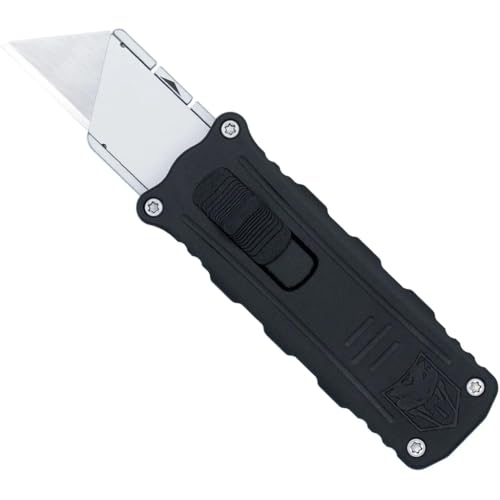
- TAR Score10.0
TAR Score is a ranking system developed by TopAppliancesReviews.com. TAR score has no relationship or impact from any manufacturers or sales agent websites. Learn more
- Brandcobratecknives

- TAR Score10.0
TAR Score is a ranking system developed by TopAppliancesReviews.com. TAR score has no relationship or impact from any manufacturers or sales agent websites. Learn more
- Brandcckk

- TAR Score9.8
TAR Score is a ranking system developed by TopAppliancesReviews.com. TAR score has no relationship or impact from any manufacturers or sales agent websites. Learn more
- BrandXXV

- TAR Score9.2
TAR Score is a ranking system developed by TopAppliancesReviews.com. TAR score has no relationship or impact from any manufacturers or sales agent websites. Learn more
- BrandWildBlade

- TAR Score9.0
TAR Score is a ranking system developed by TopAppliancesReviews.com. TAR score has no relationship or impact from any manufacturers or sales agent websites. Learn more
- BrandCaressolove
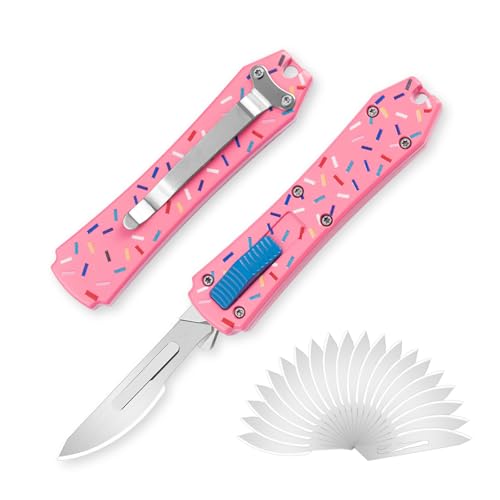
- TAR Score8.8
TAR Score is a ranking system developed by TopAppliancesReviews.com. TAR score has no relationship or impact from any manufacturers or sales agent websites. Learn more
- BrandXXV

- TAR Score8.4
TAR Score is a ranking system developed by TopAppliancesReviews.com. TAR score has no relationship or impact from any manufacturers or sales agent websites. Learn more
- BrandCaressolove
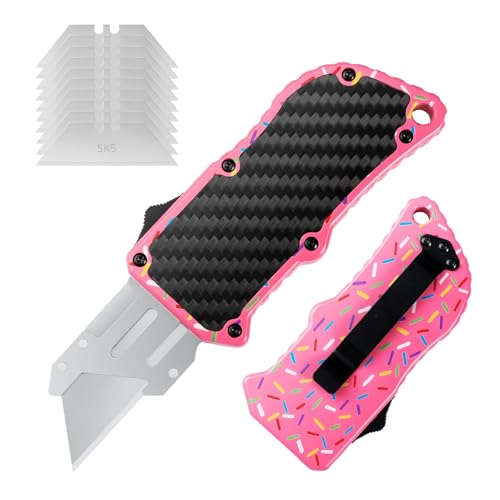
- TAR Score8.4
TAR Score is a ranking system developed by TopAppliancesReviews.com. TAR score has no relationship or impact from any manufacturers or sales agent websites. Learn more
- BrandXXV

- TAR Score8.2
TAR Score is a ranking system developed by TopAppliancesReviews.com. TAR score has no relationship or impact from any manufacturers or sales agent websites. Learn more
- BrandXBOSAI
Last update on 2026-03-20 / Affiliate links / Images, Product Titles, and Product Highlights from Amazon Product Advertising API
What Is A OTF Knife
Small daily tasks rarely warn you ahead of time. A stubborn shipping box shows up at the door, plastic bands grip tight around a package, or rope refuses to give way. Tools sitting nearby suddenly matter a lot. Somewhere along the line, curiosity kicks in about gear that reacts faster and feels smoother in the hand. That curiosity often leads people straight to the question: what is a OTF knife and why does it look so different from the typical pocket blade.
An OTF knife short for out‑the‑front knife pushes the blade straight through the top of the handle using a spring system. A thumb slider moves forward and the blade deploys instantly. Pull the slider back and the blade retracts right into the handle. That one‑hand deployment makes the knife incredibly convenient during everyday tasks.
Mechanical simplicity hides inside a clever design. Springs, rails, and a locking mechanism work together so the blade slides forward smoothly yet stays secure once extended. Many people appreciate that quick action paired with compact carry. It feels less like a gadget and more like a reliable pocket companion ready at a moment’s notice.
Curiosity grows quickly once someone handles one for the first time. The smooth snap of the blade moving out the front feels precise and satisfying. That motion alone explains why the OTF knife mechanism fascinates knife enthusiasts and practical users alike. Speed, reliability, and clever engineering all sit inside a tool small enough to ride comfortably in a pocket.
OTF Knife Basics
An OTF knife operates differently from traditional folding knives. Instead of rotating from the side, the blade travels through the top of the handle along an internal track. A spring and sliding switch drive the motion. That simple movement creates rapid blade deployment without needing two hands.
Most designs rely on a system called double‑action OTF. The same switch that launches the blade forward also pulls it back inside the handle. This design improves control because the user handles both deployment and retraction with the same motion. That level of control adds an extra layer of practical safety.
Materials also influence how these knives perform. Aluminum handles keep the weight low while maintaining strength. Stainless or tool steel blades hold an edge well and resist corrosion. That combination ensures a good balance between durability and portability.
Compact size also matters. Many models fit easily into a pocket clip without adding bulk. This design supports everyday carry convenience for small cutting tasks throughout the day. Boxes, rope, and zip ties rarely stand a chance against a sharp, well‑built blade.
Why People Choose OTF Knives
Convenience drives much of the interest behind OTF knives. A single thumb motion activates the blade instantly. That speed proves useful in moments where the other hand may already be busy. Tasks like opening packages or trimming rope become faster and smoother.
Another strong reason involves precision and control. The sliding mechanism gives the user direct feedback during deployment. Unlike some folding knives that rely on flicking the blade open, the slider feels deliberate and controlled. That sensation adds confidence during use.
Durability also contributes to their popularity. A well‑built OTF knife mechanism includes safety stops and reinforced internal tracks. These components prevent accidental blade release if the knife bumps against something inside a pocket. Reliability becomes a defining trait.
Aesthetic appeal plays a quiet role too. The clean mechanical motion feels almost futuristic. Many people enjoy the clever engineering just as much as the practical function. That combination of engineering precision and daily usefulness keeps OTF knives in high demand.
Key Features That Make OTF Knives Unique
One standout feature is the front‑firing blade system. Traditional folding knives pivot from the side, but an OTF knife launches the blade straight forward. This configuration allows faster deployment and keeps the blade aligned with the handle. The design also simplifies single‑hand use.
The internal track system plays a critical role in stability. Rails guide the blade during extension and retraction. That structure ensures the blade travels smoothly without wobbling. The result is a stable cutting tool that feels precise in the hand.
Modern models also include safety disengagement systems. If the blade hits resistance during deployment, it stops rather than forcing itself open. The user simply resets the slider and the knife returns to normal operation. This mechanism protects both the tool and the user.
Handle ergonomics matter just as much. Many OTF knives feature textured grips and ergonomic shapes. These design choices provide a secure grip during cutting. Comfort, stability, and mechanical efficiency all blend together in a well‑made design.
Common Everyday Uses For OTF Knives
Daily chores often require quick cutting tools. Opening packages remains one of the most common situations. Thick tape, cardboard seams, and plastic wrap fall easily under a sharp blade. A compact OTF knife turns those frustrating moments into quick solutions.
Outdoor tasks also highlight the usefulness of a reliable blade. Rope, fishing line, and stubborn knots sometimes need quick trimming. In those moments, a rapid deployment knife becomes extremely convenient. The tool appears instantly and disappears just as fast.
Hunters and anglers also rely on dependable cutting tools during field preparation. For example, selecting the best knife for skinning deer can simplify processing game after a successful hunt. Precision, edge retention, and grip stability become essential traits in those environments.
Kitchen prep and fishing tasks also demand specialized blades. Preparing fresh catch requires thin, flexible knives designed for delicate work. Many anglers explore the best fillet knife for freshwater fish to achieve clean, precise cuts while processing their catch.
General household use rounds out the list. Cutting twine in the garage, trimming plant ties in the garden, or slicing open feed bags all benefit from a reliable blade. A compact OTF knife fits easily into daily routines.
Mechanical Design Behind OTF Knives
The internal structure of an OTF knife resembles a compact mechanical system. Springs generate the force that pushes the blade forward. The sliding switch connects to a trigger mechanism that releases and resets the spring tension. That design creates the knife’s signature motion.
Blade tracks guide the blade through the handle with precision. These rails reduce friction and keep the blade aligned. The result is a smooth deployment action that feels controlled rather than chaotic. Quality manufacturing plays a huge role here.
Locking systems hold the blade firmly once deployed. Small internal hooks or latches catch the blade base and secure it in position. This prevents accidental retraction during use. That detail adds a layer of cutting stability and safety.
Maintenance keeps the mechanism performing at its best. Occasional cleaning removes dust and debris that may collect inside the handle. A drop of light oil along the blade track restores smooth movement. Proper care ensures long‑term reliability.
Safety And Legal Considerations
Owning an OTF knife requires awareness of local regulations. Laws differ widely between regions regarding automatic knives. Some areas allow them freely, while others place restrictions on carry or blade length. Checking local rules prevents unnecessary trouble.
Responsible handling also matters. Automatic knives deploy quickly, so controlled use is essential. Keeping fingers clear of the blade path ensures safe operation. Simple habits protect both the user and the tool.
Storage habits improve safety as well. Many users keep their knives clipped inside a pocket with the blade facing down. This positioning prevents accidental activation. A well‑designed safety slider also resists unintended movement.
Education plays a big role in preventing misuse. Learning the mechanism and practicing careful handling builds confidence. With proper respect, a well‑built OTF knife becomes a practical everyday tool rather than a risky novelty.
Advanced OTF Knife Uses And Practical Insights
Some tools simply sit in a drawer. Others quietly become part of everyday routines. A sharp blade that deploys quickly often earns that second role, especially once someone experiences the convenience of a fast‑deploy cutting tool. That curiosity circles back to the central idea behind what is a OTF knife and why the design keeps drawing attention.
The appeal rarely starts with technical specs. Most people notice the smooth action first. A thumb slides forward, the blade snaps out, and suddenly the knife feels ready for anything. That instant response highlights the core advantage of an OTF knife: speed paired with simple one‑hand control.
Small daily tasks quickly reveal how helpful that design can be. Opening shipments, slicing twine, trimming packaging straps those moments happen constantly. A well‑built OTF knife mechanism removes friction from those chores. Efficiency becomes the hidden benefit people appreciate most.
Mechanical satisfaction adds another layer of appeal. The sliding motion feels precise, almost like operating a tiny machine. Each deployment reinforces the sense that the tool is built for reliability, quick access, and mechanical efficiency. That combination keeps the design popular among everyday gear enthusiasts.
How OTF Knives Compare To Folding Knives
Traditional folding knives have served people for generations. They rotate open from the side using a hinge near the handle. That design works well, but it often requires two steps to open safely. An OTF knife simplifies the process into a single movement.
The out‑the‑front blade system pushes the blade straight ahead instead of pivoting sideways. This alignment keeps the blade centered with the handle. That structural difference contributes to faster deployment and smoother operation. Many users notice the improvement instantly.
Control also improves during use. A thumb slider allows deliberate movement rather than a quick wrist flick. This mechanism supports precise blade deployment without sudden motions. Stability during opening often translates into greater confidence while cutting.
Portability remains another advantage. Many OTF knives feature slim aluminum handles and pocket clips. These design elements allow comfortable everyday carry without adding noticeable weight. Convenience becomes the deciding factor for many people.
Situations Where OTF Knives Shine
Unexpected moments frequently call for a quick blade. Delivery boxes, packing tape, and plastic straps appear everywhere. A compact OTF knife turns those interruptions into simple tasks. One motion and the job moves forward without delay.
Outdoor activities highlight the knife’s strengths even more. Rope, cordage, and fishing lines often need trimming on short notice. A quick‑deployment blade proves useful in those situations. The knife appears instantly and returns to the handle just as fast.
Food preparation tools follow a similar logic. Many anglers carry specialized blades designed for delicate cutting tasks. Exploring the best fillet knife for freshwater fish often leads to smoother preparation after a successful catch.
Unexpected uses appear in everyday routines too. Cutting garden ties, trimming cardboard for recycling, or slicing plastic packaging all demand a reliable blade. A well‑built OTF knife handles those moments easily while staying compact enough for daily carry.
Strengths That Keep OTF Knives Popular
Speed remains the first benefit people notice. The blade extends instantly with a simple thumb push. That action delivers rapid blade deployment without requiring both hands. In busy situations, that small advantage becomes surprisingly valuable.
Consistency follows closely behind. High‑quality models include reinforced tracks and internal springs designed for repeated use. This engineering supports long‑term mechanical reliability. A dependable tool quickly becomes part of daily routines.
Compact design adds another strong advantage. Slim handles slip easily into a pocket or tool pouch. The knife remains accessible without feeling bulky. That combination creates a balance between portability and cutting performance.
Maintenance requirements stay fairly simple as well. Occasional cleaning removes debris from the blade channel. A small drop of lubricant keeps the sliding mechanism smooth. Basic care preserves the smooth deployment system for years.
Potential Drawbacks Worth Considering
No tool fits every situation perfectly. An OTF knife relies on internal springs and moving tracks, which means more mechanical parts compared with simple folding knives. These components require occasional cleaning to maintain smooth operation. Debris inside the handle can slow the mechanism.
Legal restrictions also appear in certain locations. Some regions regulate automatic knives more strictly than standard folding blades. Checking local rules helps avoid confusion or unexpected trouble. Responsible ownership protects both the user and the tool.
Another consideration involves cost. Quality OTF knives often use precision machining and durable materials. That craftsmanship can raise the price compared with basic pocket knives. Still, many people accept the trade‑off for mechanical precision and convenience.
Maintenance awareness completes the picture. Springs and internal tracks benefit from occasional inspection. Proper care keeps the blade deployment system working reliably. A few minutes of maintenance can extend the knife’s lifespan dramatically.
Choosing A Reliable OTF Knife
Selecting a dependable blade starts with construction quality. Solid aluminum handles and hardened steel blades often signal durability. These materials support long‑term edge retention and resistance to wear. Build quality often determines how the knife performs after years of use.
The slider mechanism deserves attention as well. A well‑designed switch moves smoothly but resists accidental activation. This balance ensures safe blade deployment during normal carry. Precision engineering becomes obvious after only a few uses.
Blade shape influences how the knife performs during everyday tasks. Drop‑point blades offer versatile cutting ability. Tanto shapes emphasize strength at the tip. Each design contributes to specific cutting advantages depending on the situation.
Comfort should never be overlooked. Textured handles and ergonomic curves improve grip stability. A secure hold helps maintain controlled cutting performance even during repetitive tasks. Good design turns a simple tool into a dependable companion.
Unexpected Knife Uses Around Daily Life
Daily routines reveal surprising roles for a sharp blade. Packages arrive with stubborn tape seals that resist fingers alone. A quick slice from an OTF knife resolves the problem immediately. That convenience explains why many people keep one within reach.
Kitchen and food preparation tasks follow a similar pattern. Small cutting tools often speed up quick jobs around the house. Some households even explore items like best skinny coffee syrups while experimenting with drink recipes that benefit from quick package opening and trimming tasks.
Health and nutrition trends sometimes intersect with daily habits as well. Discussions around hydration and food choices occasionally highlight unusual ingredients. Curiosity about topics like pickle juice pregnancy often surfaces during conversations about dietary habits and kitchen routines.
Practical tools quietly support those daily activities. Cutting packaging, opening ingredient containers, and trimming materials all require a reliable blade. A compact OTF knife often ends up handling those small but frequent tasks with ease.
Mechanical Precision Behind The Sliding Blade
Inside the handle, the OTF knife mechanism functions like a miniature machine. Springs store energy while rails guide the blade along a straight path. The slider triggers the release of that stored tension. That sequence produces the knife’s signature motion.
Blade stability depends heavily on the internal track system. These rails prevent sideways movement while the blade extends. Precision machining keeps the blade aligned perfectly. The result is stable cutting performance once the blade locks into place.
Safety mechanisms also play an important role. Many OTF knives include internal stops that halt the blade if it encounters resistance. This feature protects the spring system and reduces accidental damage. It also reinforces responsible blade deployment.
Regular maintenance keeps the system functioning smoothly. Dust, lint, or debris can accumulate inside the blade channel over time. Cleaning the mechanism restores the knife’s original motion. That simple habit preserves consistent blade performance and long‑term reliability.


Top Rated Best Quality Range Hoods: 2026 Expert Picks

The 12 Best Small Solar Generators 2026

10 Best Quality Semi Automatic Washing Machine of 2026 For Leak-Free Laundry

11 Best Small Washer Machine of 2026 For Everyday Laundry

12 Best Vibration Pads For Washing Machine of 2026 To Stop Walking and Shaking

11 Best Selling Front Load Washing Machine of 2026 For Quiet Odor-Free Laundry

11 Best Washing Machine For King Size Bedding of 2026 To Prevent Cycle Errors

10 Best Small Front Loader Washing Machine of 2026 For Tight Closets






