
What Is a Neck Knife and Why People Carry One

What is a neck knife? The name sounds unusual at first, yet the idea behind it is surprisingly simple. A neck knife is a small fixed-blade knife designed to hang from a cord or chain around the neck. Instead of sitting in a pocket or belt sheath, the blade rests inside a lightweight sheath that sits flat against the chest. Pull the knife out, handle a quick task, and slide it right back into place. Simple, practical, and always within reach.
People often gravitate toward a neck knife because of its sheer convenience. Small daily tasks pop up all the time cutting cord, opening packaging, trimming rope, or slicing through stubborn plastic. Digging through pockets or bags can be annoying. A neck knife removes that friction entirely. Hanging quietly under a shirt or jacket, the tool stays ready whenever it’s needed.
The design focuses heavily on portability and accessibility. Most neck knives use compact blades, typically two to three inches long. That size keeps the tool lightweight while still offering enough edge for real cutting work. Many models also use skeletonized handles or slim grips so the knife remains comfortable to carry all day without feeling bulky.
Another key reason the neck knife stands out is discretion. Tucked beneath clothing, it stays almost invisible while remaining instantly accessible. Hikers, campers, and outdoors enthusiasts often appreciate that balance. The knife stays out of the way until a quick cut or small outdoor task pops up.
Comfort also plays a big role. Modern neck knife designs focus on minimal weight and smooth edges on the sheath to prevent irritation while worn. A good setup barely feels noticeable after a few minutes. That subtle carry style explains why the tool has quietly built a strong following among people who prefer compact everyday gear.
Despite the small size, a well-designed neck knife still performs like a capable cutting tool. High-quality steel, solid heat treatment, and a secure sheath all matter here. The result? A tiny blade that punches above its weight. For quick tasks that demand speed and simplicity, few tools feel as natural to grab.
All things considered, the appeal of a neck knife lies in its balance of size, accessibility, and practicality. It’s not meant to replace larger knives. Instead, it fills a niche perfectly those everyday moments where a small blade solves a problem faster than anything else.

- TAR Score9.2
TAR Score is a ranking system developed by TopAppliancesReviews.com. TAR score has no relationship or impact from any manufacturers or sales agent websites. Learn more
- BrandSPITZKANTE
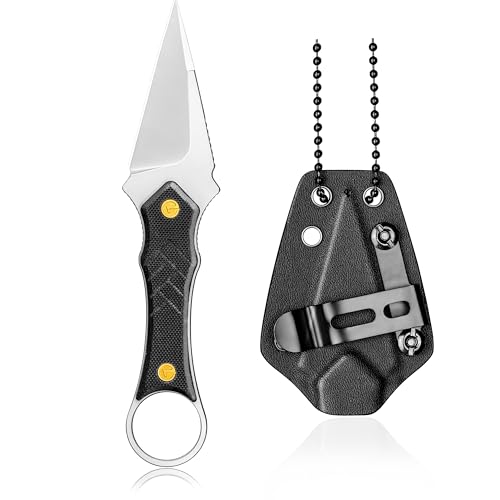
- TAR Score9.2
TAR Score is a ranking system developed by TopAppliancesReviews.com. TAR score has no relationship or impact from any manufacturers or sales agent websites. Learn more
- BrandLOTHAR
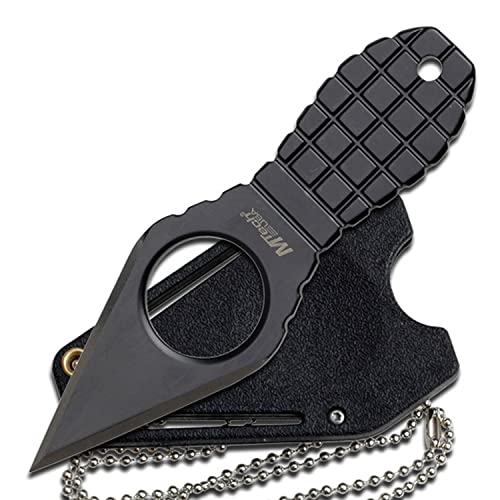
- TAR Score9.0
TAR Score is a ranking system developed by TopAppliancesReviews.com. TAR score has no relationship or impact from any manufacturers or sales agent websites. Learn more
- BrandMTECH USA

- TAR Score9.0
TAR Score is a ranking system developed by TopAppliancesReviews.com. TAR score has no relationship or impact from any manufacturers or sales agent websites. Learn more
- BrandSPITZKANTE

- TAR Score8.8
TAR Score is a ranking system developed by TopAppliancesReviews.com. TAR score has no relationship or impact from any manufacturers or sales agent websites. Learn more
- BrandMTECH USA
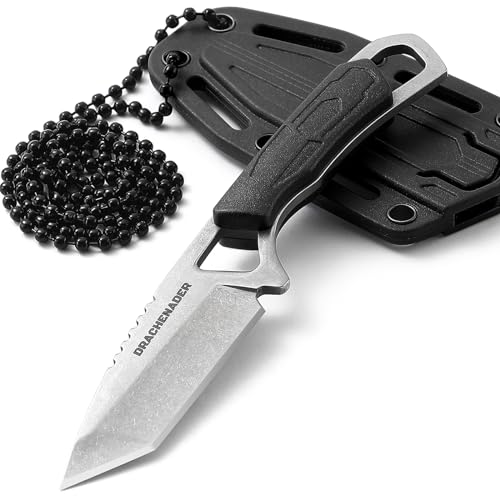
- TAR Score8.8
TAR Score is a ranking system developed by TopAppliancesReviews.com. TAR score has no relationship or impact from any manufacturers or sales agent websites. Learn more
- BrandDRACHENADER

- TAR Score8.8
TAR Score is a ranking system developed by TopAppliancesReviews.com. TAR score has no relationship or impact from any manufacturers or sales agent websites. Learn more
- BrandAZHU

- TAR Score8.8
TAR Score is a ranking system developed by TopAppliancesReviews.com. TAR score has no relationship or impact from any manufacturers or sales agent websites. Learn more
- BrandDRACHENADER

- TAR Score8.2
TAR Score is a ranking system developed by TopAppliancesReviews.com. TAR score has no relationship or impact from any manufacturers or sales agent websites. Learn more
- BrandAZHU
Last update on 2026-03-20 / Affiliate links / Images, Product Titles, and Product Highlights from Amazon Product Advertising API
What Is A Neck Knife
Small everyday problems tend to appear at the worst possible moments. A stubborn package refuses to tear open. A loose cord needs trimming. Rope frays at the campsite. Those little hassles add up fast, and digging through a backpack or toolbox for a blade feels like overkill. That’s exactly where the idea behind a what is a neck knife question starts making sense.
A neck knife is a compact fixed-blade knife designed to hang from a cord or chain around the neck. The blade sits securely inside a lightweight sheath and rests flat against the chest, usually hidden under clothing. This design keeps the tool accessible, discreet, and ready for quick cutting tasks without taking up pocket space.
Many people appreciate the simplicity of this setup. Instead of fumbling through gear, the knife stays right where it can be reached instantly. The appeal revolves around speed, convenience, and minimalist carry, especially for people who prefer lightweight everyday tools.
Also, the design focuses on practicality rather than intimidation. Most neck knives feature short blades, slim handles, and lightweight materials that make them comfortable to carry throughout the day. That balance between portability and usefulness explains why the concept keeps gaining attention.
What Is A Neck Knife
The phrase what is a neck knife refers to a specific style of fixed-blade knife meant to be worn around the neck. Unlike folding knives that rely on hinges, this tool features a solid, non‑folding blade secured in a protective sheath. The sheath typically uses friction or a locking system to keep the knife firmly in place.
Most designs rely on a lightweight cord, paracord, or ball chain to suspend the sheath. That setup allows the knife to hang naturally while staying easy to access. People appreciate the quick draw and quick return that comes with the design, especially for everyday cutting tasks.
Blade sizes usually fall between two and three inches. This compact size keeps the knife lightweight and comfortable without sacrificing real cutting ability. The goal isn’t heavy-duty chopping but rather precision, control, and everyday practicality.
Designers often include skeletonized handles or slim grips to reduce weight. Many models weigh only a few ounces. That means the knife stays almost unnoticeable during daily wear, yet it’s always there when a quick task appears.
Why A Neck Knife Exists In The First Place
Every tool exists to solve a problem, and the neck knife addresses one very specific frustration: accessibility. Small cutting tasks pop up constantly, yet traditional knives often hide inside bags, toolboxes, or deep pockets. A neck knife eliminates that delay with instant reach and quick deployment.
Outdoor environments highlight this advantage quickly. A hiker might need to slice cord, cut tape on gear, or prepare food while standing on uneven terrain. Reaching for a blade hanging from the chest feels faster, safer, and more controlled than digging through equipment.
Minimalism also plays a big role. Plenty of people prefer carrying fewer items while keeping the most useful ones accessible. The compact design and lightweight carry of a neck knife match that philosophy perfectly.
Some professionals rely on the concept too. Emergency responders and field workers often need tools that remain accessible under pressure. A neck knife offers exactly that: simple design, reliable access, and no complicated mechanisms.
Key Features That Define A Neck Knife
Several characteristics make a neck knife different from other blade styles. The first and most obvious feature is the fixed blade construction. Without hinges or moving parts, the knife stays structurally strong and reliable.
The sheath design matters just as much. Most neck knife sheaths use molded plastic materials like Kydex. This allows the sheath to grip the blade securely while still allowing a smooth, one‑handed draw. A dependable sheath prevents accidental slips while moving.
Weight plays a huge role as well. Manufacturers intentionally keep these knives extremely lightweight. Lightweight steel, skeletonized handles, and minimal hardware help reduce neck fatigue during extended wear.
Finally, ergonomics matter more than many people expect. A good neck knife provides comfortable finger placement, strong grip texture, and solid balance. Even though the blade is small, proper design ensures safe and effective cutting.
Advantages Of Carrying A Neck Knife Daily
Convenience stands out as the biggest benefit of a neck knife. Everyday tasks like opening packages, trimming fishing line, or cutting rope become quicker and easier. Instead of searching through gear, the tool remains instantly available.
Discreet carry adds another advantage. Tucked beneath clothing, a neck knife stays out of sight yet ready to use. Many people appreciate this subtle approach compared with belt knives that remain visible.
Comfort surprises many first-time users. Because most neck knives weigh so little, they quickly fade into the background of daily movement. The tool becomes part of a lightweight everyday carry system rather than a bulky accessory.
Reliability also deserves attention. Fixed blades eliminate the mechanical weaknesses that folding knives sometimes face. That means a neck knife offers dependable cutting performance for simple daily tasks.
Common Situations Where Neck Knives Shine
Outdoor environments show the strengths of a neck knife almost immediately. Campers often rely on one for quick tasks like cutting paracord, slicing food, or preparing kindling. The ability to grab the knife instantly makes these jobs faster and less frustrating.
Fishing trips present another common scenario. Anglers regularly need to trim line, cut bait packaging, or slice through small rope segments. A neck knife provides precise control and fast accessibility during those moments.
Daily routines also benefit from compact blades. Opening shipping boxes, trimming zip ties, or slicing plastic wrap becomes easier with a small, sharp tool always within reach.
Kitchen preparation sometimes highlights another angle. Keeping blades sharp matters just as much as choosing the right knife. For anyone maintaining their cooking tools, upgrading equipment with best knife sharpener for kitchen knives helps maintain consistent cutting performance across all blades.
Blade Types Often Used In Neck Knives
Blade shape dramatically influences how a neck knife performs. Many models feature drop point blades because they provide balanced cutting strength and precise tip control. This shape handles everyday slicing tasks easily.
Some designs use tanto-style blades. The angled tip offers excellent piercing capability and reinforced durability. People who prefer tougher tips often gravitate toward this design.
Wharncliffe blades also appear in many neck knives. The straight cutting edge excels at controlled slicing and clean cuts. Box opening, cord trimming, and utility work become easier with this shape.
Steel selection also matters. Quality steel ensures long edge retention, corrosion resistance, and durability. These traits help small blades maintain strong cutting ability even with frequent use.
What Is A Neck Knife In Real Everyday Use
A tiny blade hanging from a cord may look unusual at first glance. Still, practicality tends to win people over pretty quickly. The concept behind what is a neck knife becomes clear the moment quick tasks appear and tools aren’t within reach. A compact blade resting against the chest delivers speed, convenience, and immediate access that many traditional carry methods simply can't match.
Small cutting needs appear constantly throughout daily routines. Packaging tape, fishing line, plastic wrapping, stubborn zip ties each job seems trivial until there’s no blade around. A neck knife solves that problem quietly by staying lightweight, discreet, and instantly available. That blend of accessibility and portability explains its growing popularity.
Comfort also drives interest in this design. Good models stay extremely lightweight and low‑profile, often disappearing beneath clothing after a few minutes of wear. People appreciate gear that works without feeling bulky or inconvenient. A neck knife delivers exactly that kind of effortless carry.
Then there’s reliability. The fixed blade structure removes hinges and moving parts, which means fewer mechanical failures. Simplicity often equals durability, and a neck knife proves that idea every time a quick cut needs to happen fast.
Neck Knife Carry Styles And Positioning
The typical carry position for a neck knife places the sheath directly against the chest using a cord or ball chain. This setup allows the blade to remain stable, balanced, and easy to reach even while moving. A simple downward pull frees the knife from its sheath in one smooth motion.
Some people wear the knife beneath clothing for a discreet carry style. This keeps the tool hidden yet ready for quick use. Outdoor enthusiasts appreciate that balance between accessibility and subtlety.
Others prefer a slightly longer cord so the knife rests lower on the chest. That position reduces movement while walking and keeps the tool comfortable during long activity sessions. Personal comfort plays a big role in deciding the best setup.
Safety matters too. Most neck knife systems use breakaway chains or flexible paracord designed to release under pressure. That feature prevents potential neck strain or accidents while still maintaining reliable carry.
Materials That Make A Neck Knife Reliable
Material selection strongly influences how a neck knife performs in real situations. High-quality stainless steel often leads the pack because it offers excellent corrosion resistance and solid edge retention. Moisture, sweat, and outdoor conditions demand steel that holds up well.
Handle materials also play a role in durability. Many knives use skeletonized handles wrapped in paracord to keep the knife ultra‑lightweight and customizable. Others use textured scales for stronger grip during wet or slippery conditions.
The sheath deserves just as much attention. Molded Kydex remains one of the most popular materials because it provides tight blade retention and smooth draw performance. A secure sheath keeps the blade firmly locked in place until needed.
Hardware quality finishes the package. Durable chains, coated cords, and strong eyelets ensure the knife stays securely mounted and comfortable for long-term carry. Even the smallest components contribute to overall reliability.
How Neck Knives Fit Into Everyday Carry Gear
Many people build their everyday carry setups around tools that remain small yet effective. A neck knife fits perfectly within this philosophy. It provides fast cutting ability without adding weight to pockets already filled with keys, phones, and wallets.
Outdoor enthusiasts often combine neck knives with other lightweight tools. A compact blade pairs well with fire starters, flashlights, or small multitools. The result becomes a streamlined gear system built for quick tasks.
Kitchen enthusiasts sometimes appreciate the concept from a maintenance perspective. Sharp edges make all cutting tasks easier, whether outdoors or indoors. Anyone maintaining kitchen blades regularly benefits from tools like best coffee grinder under 150 while building an efficient kitchen setup with reliable equipment that simplifies daily routines.
The beauty of the neck knife concept lies in its simplicity. Instead of carrying large tools for small jobs, a compact blade handles quick cutting tasks effortlessly. That small shift often changes how people approach everyday gear.
Common Misconceptions About Neck Knives
Some people assume a neck knife exists purely for tactical use. That assumption misses the bigger picture entirely. Most users rely on these blades for simple everyday utility tasks rather than defensive purposes.
Another misconception revolves around safety. People sometimes imagine the knife swinging dangerously while worn. In reality, quality sheaths provide secure blade retention and stable positioning, preventing unwanted movement.
Blade size also surprises many first-time observers. Neck knives are intentionally compact because their purpose focuses on precision cutting rather than heavy-duty chopping. The small size actually increases control during delicate tasks.
Comfort concerns usually fade quickly after trying one. Modern designs emphasize lightweight construction and ergonomic balance, allowing the knife to sit naturally against the chest without irritation.
Situations Where A Neck Knife Becomes Incredibly Useful
Camping trips highlight the usefulness of a neck knife almost immediately. Rope cutting, food preparation, and small carving tasks appear constantly outdoors. Having a blade ready within seconds makes these moments far easier and more efficient.
Fishing environments create similar opportunities. Anglers frequently trim line, slice bait packaging, or cut small cords. A neck knife provides fast accessibility without digging through tackle boxes.
Daily life offers plenty of smaller scenarios as well. Opening sealed packages, trimming loose thread, or cutting plastic ties all become easier with a compact blade always available.
Kitchen prep also benefits from efficient tools and organized habits. Fresh ingredients often require careful handling and storage. Anyone experimenting with juice preservation might enjoy exploring can you freeze beet juice to keep ingredients fresh while maintaining simple, practical kitchen workflows.
Legal And Safety Considerations
Knife laws vary significantly depending on location. Carrying a neck knife usually falls under the same rules as other small fixed blades. Checking local regulations ensures responsible and legal carry before adding one to everyday gear.
Safe handling habits remain equally important. A properly designed sheath should hold the blade firmly while allowing a smooth draw. Reliable retention protects against accidental exposure while keeping the knife ready for controlled use.
Training also improves safety dramatically. Practicing slow, deliberate draws builds confidence and prevents rushed mistakes. Even a small blade deserves respectful handling and thoughtful use.
Responsible storage completes the picture. Removing the knife when not in use and keeping it out of reach of children helps maintain safe and responsible ownership practices.
Choosing The Right Neck Knife
Selecting a neck knife starts with blade design. Drop point blades often provide the best balance of strength and versatility. Their curved edge supports controlled slicing and reliable tip strength during everyday cutting tasks.
Weight should remain a top priority. A heavy blade defeats the purpose of neck carry. The best models stay lightweight, balanced, and comfortable for extended wear.
Sheath quality cannot be ignored either. A strong Kydex sheath ensures the blade stays securely locked yet easy to draw. Reliable retention builds confidence while moving or working.
Finally, ergonomics determine how enjoyable the knife feels during use. Even a compact blade benefits from comfortable grip design and proper finger placement, allowing quick tasks to feel smooth and controlled.


Top Rated Best Quality Range Hoods: 2026 Expert Picks

The 12 Best Small Solar Generators 2026

10 Best Quality Semi Automatic Washing Machine of 2026 For Leak-Free Laundry

11 Best Small Washer Machine of 2026 For Everyday Laundry

12 Best Vibration Pads For Washing Machine of 2026 To Stop Walking and Shaking

11 Best Selling Front Load Washing Machine of 2026 For Quiet Odor-Free Laundry

11 Best Washing Machine For King Size Bedding of 2026 To Prevent Cycle Errors

10 Best Small Front Loader Washing Machine of 2026 For Tight Closets






