
What Is a Hollow Edge Knife? Sharp Kitchen Secret

What is a hollow edge knife often pops up during kitchen gear searches, especially after someone notices tiny oval dents along a blade and wonders what they actually do. Those shallow indentations are not decorative flair. They serve a purpose that becomes obvious the moment a knife glides through sticky foods like potatoes, cucumbers, or soft cheeses. Air pockets form between the blade and the food surface, which reduces friction and keeps slices from clinging stubbornly to the steel.
Kitchen routines can turn frustrating fast when every slice sticks to the blade and stacks into a messy pile. That’s where the design behind a hollow edge knife quietly shines. Each hollow often called a Granton edge creates tiny air channels that help food fall away naturally after each cut. The result feels smoother, cleaner, and frankly less annoying when you’re slicing several ingredients in a row.
Busy cooks notice another bonus pretty quickly. A hollow edge knife helps maintain consistent slices because food doesn’t drag along the blade’s surface. Less drag means fewer jagged edges and fewer moments where the knife pulls sideways through delicate ingredients. Thin salmon fillets, roast beef, zucchini ribbons everything separates neatly instead of sticking together like pages in a damp book.
Blade performance isn’t the only reason this design sticks around in serious kitchens. Many cooks appreciate how a hollow edge knife handles repetitive slicing tasks. Preparing vegetables for a stir‑fry or carving a roast suddenly feels faster because each slice releases instantly. No tapping the blade on the cutting board, no scraping pieces off with your fingers, and no awkward pauses mid‑prep.
Another subtle advantage shows up during longer cooking sessions. Reduced sticking means fewer interruptions and smoother rhythm while prepping ingredients. That rhythm matters more than people realize. Cooking flows better when tools behave predictably, and a well‑made hollow edge knife keeps the process moving instead of slowing things down.
Plenty of knives look impressive on the rack, but functionality always tells the real story. The design behind a hollow edge knife focuses on practical cutting efficiency rather than flashy appearance. Small grooves, simple idea, big improvement in everyday slicing tasks. Once someone experiences how cleanly food releases from the blade, it’s tough to go back to a plain edge that clings to everything.

- TAR Score9.6
TAR Score is a ranking system developed by TopAppliancesReviews.com. TAR score has no relationship or impact from any manufacturers or sales agent websites. Learn more
- BrandWüsthof

- TAR Score9.2
TAR Score is a ranking system developed by TopAppliancesReviews.com. TAR score has no relationship or impact from any manufacturers or sales agent websites. Learn more
- BrandHENCKELS

- TAR Score9.2
TAR Score is a ranking system developed by TopAppliancesReviews.com. TAR score has no relationship or impact from any manufacturers or sales agent websites. Learn more
- BrandHENCKELS

- TAR Score9.2
TAR Score is a ranking system developed by TopAppliancesReviews.com. TAR score has no relationship or impact from any manufacturers or sales agent websites. Learn more
- BrandWICKWILLOW

- TAR Score9.2
TAR Score is a ranking system developed by TopAppliancesReviews.com. TAR score has no relationship or impact from any manufacturers or sales agent websites. Learn more
- BrandHENCKELS
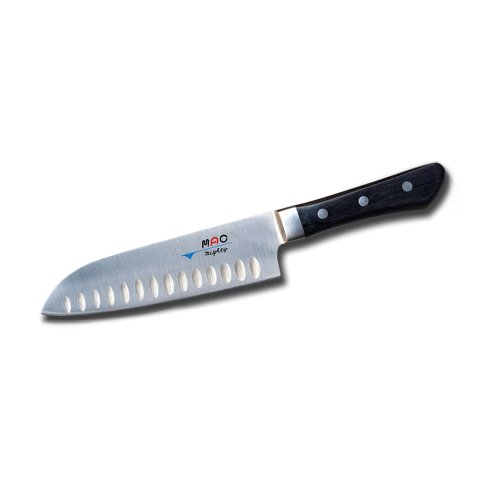
- TAR Score9.2
TAR Score is a ranking system developed by TopAppliancesReviews.com. TAR score has no relationship or impact from any manufacturers or sales agent websites. Learn more
- BrandMac Knife

- TAR Score9.2
TAR Score is a ranking system developed by TopAppliancesReviews.com. TAR score has no relationship or impact from any manufacturers or sales agent websites. Learn more
- BrandOUTDOOR EDGE
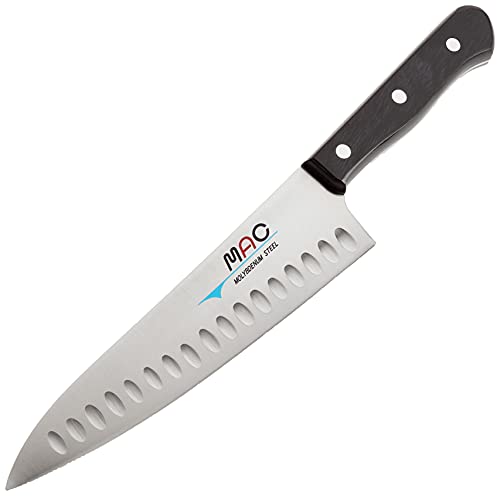
- TAR Score9.0
TAR Score is a ranking system developed by TopAppliancesReviews.com. TAR score has no relationship or impact from any manufacturers or sales agent websites. Learn more
- BrandMac Knife

- TAR Score9.0
TAR Score is a ranking system developed by TopAppliancesReviews.com. TAR score has no relationship or impact from any manufacturers or sales agent websites. Learn more
- BrandHampton Forge
Last update on 2026-04-03 / Affiliate links / Images, Product Titles, and Product Highlights from Amazon Product Advertising API
What Is A Hollow Edge Knife And Why It Matters
A knife that drags food along the blade can turn a simple prep task into pure frustration. Sticky potatoes cling stubbornly, cucumber slices stack awkwardly, and soft cheese tears instead of separating cleanly. That annoying experience often leads cooks to search for tools that simply work better. Somewhere in that search, the question pops up: what is a hollow edge knife, and why does this blade show up in so many professional kitchens?
The answer sits right on the blade itself. A hollow edge knife features small indentations often called Granton edges along the sides of the blade. Those shallow grooves create tiny air pockets between the steel and the food, which dramatically reduces friction. Less friction means cleaner slices, smoother cutting, and far less sticking during food preparation.
Many cooks first notice the design on slicing knives used for meats or vegetables. A properly designed hollow edge knife glides through ingredients rather than dragging through them. That smooth motion protects delicate foods and keeps slices neat. The result feels surprisingly satisfying, especially during repetitive kitchen tasks.
Kitchen tools rarely look revolutionary, yet small design tweaks can change daily cooking routines. The hollow edge knife design proves exactly that. Simple grooves, strategic placement, and careful blade engineering combine to deliver faster slicing, cleaner cuts, and less food sticking to the blade.
Why Sticky Food Happens During Slicing
Food sticking to a blade isn’t random bad luck. Moisture, starch, and surface tension combine to create a kind of suction effect. Every time a blade slides through a potato or apple, the flat steel presses tightly against the food surface. That pressure forms friction and vacuum-like suction, which makes slices cling stubbornly.
Flat blades tend to trap moisture along the cutting surface. That moisture acts like glue, especially with foods rich in starch such as potatoes or squash. Even a razor-sharp knife can struggle in this situation. The result becomes messy slicing, uneven cuts, and slower prep time.
A hollow edge knife solves this issue by interrupting that suction effect. Each indentation creates a tiny pocket of air along the blade. Those air pockets reduce contact between steel and food. The result is less sticking and far smoother slicing.
Professional chefs rely heavily on this design during busy prep sessions. Speed matters in kitchens where hundreds of slices happen every hour. A knife that releases food instantly keeps the workflow moving. That simple feature turns a hollow edge knife into a reliable everyday tool.
The Science Behind Hollow Edge Blades
The engineering behind a hollow edge knife focuses on minimizing surface contact. Traditional blades press their entire flat side against food. Hollow edges break that continuous contact line into small sections. Less contact means reduced drag and smoother blade movement.
Air pockets created by the indentations act like micro cushions. Those gaps allow slices to separate naturally from the blade. Soft ingredients such as salmon or roast beef benefit enormously from this effect. The blade glides while food releases easily, producing clean, restaurant-quality cuts.
Blade geometry also plays an important role. Many hollow edge knives feature thin slicing profiles combined with the indentations. That pairing reduces resistance even further. The knife cuts with minimal effort and keeps delicate ingredients intact.
Designers often place the grooves slightly above the cutting edge. This placement preserves blade strength while still delivering the anti-stick benefit. The result balances durability, slicing efficiency, and blade control. Small engineering decisions create big differences during everyday cooking.
Foods That Benefit Most From Hollow Edge Knives
Some ingredients practically demand a hollow edge knife. Starchy vegetables like potatoes or sweet potatoes stick aggressively to smooth blades. Hollow edges break that suction and allow slices to fall away naturally. The difference becomes obvious within the first few cuts.
Soft proteins also benefit greatly from this blade style. Roast beef, smoked salmon, and turkey often cling to standard knives. A hollow edge slicing knife separates each piece smoothly without tearing delicate textures. The result delivers thin, uniform slices that look professional.
Even fruits gain advantages from the design. Apples, melons, and pears contain plenty of moisture. Hollow edges reduce the friction created by that moisture. Clean slices appear without food sticking or stacking along the blade.
Cheese lovers notice the improvement quickly as well. Semi-soft cheeses often cling stubbornly to plain knives. A hollow edge knife helps slices drop away instead of riding up the blade. That simple benefit makes serving easier and keeps cuts tidy.
How Hollow Edge Knives Improve Kitchen Efficiency
Cooking often moves fast, especially during meal preparation for families or gatherings. Interruptions slow everything down. Food sticking to the blade forces constant scraping or shaking to release slices. A hollow edge knife eliminates that annoyance.
Less sticking means fewer pauses during cutting. The blade keeps moving smoothly through ingredients. That consistent motion creates a better prep rhythm and speeds up repetitive tasks. The benefit becomes clear during large slicing jobs like vegetables for stir-fry.
Chefs value tools that maintain momentum in the kitchen. A reliable hollow edge knife supports that workflow perfectly. Every slice releases quickly, and ingredients stack neatly on the cutting board. Efficiency improves without requiring extra effort.
Kitchen productivity often depends on small design advantages. Hollow edge blades deliver exactly that. By reducing friction and preventing sticking, they provide clean cuts, faster preparation, and more enjoyable cooking sessions.
Hollow Edge Knife Vs Standard Knife
At first glance, a hollow edge knife looks almost identical to a standard blade. The difference becomes obvious during actual cutting. Standard knives rely entirely on sharpness to move through food. Hollow edge knives add another advantage: reduced surface contact.
Flat blades tend to hold onto slices after each cut. That sticking can pile ingredients along the blade and disrupt cutting flow. A hollow edge design solves this by introducing air pockets along the steel. Food separates instantly rather than clinging stubbornly.
Consistency also improves dramatically. A standard blade sometimes pulls sideways as food sticks to its surface. Hollow edges maintain smoother motion through ingredients. That leads to even slices and improved control during cutting tasks.
Both knife styles can be sharp and effective. The advantage of hollow edges lies in convenience. Less sticking, smoother slicing, and cleaner results make the hollow edge knife a preferred option for many kitchen professionals.
Blade Materials And Construction
Not every hollow edge knife performs the same. Blade material plays a major role in durability and sharpness retention. High-carbon stainless steel remains one of the most popular choices. It offers a balance of corrosion resistance, edge retention, and cutting precision.
Some premium knives use layered steel construction. These blades combine a hard cutting core with softer outer layers. That structure protects the edge while maintaining flexibility. Many cooks appreciate the durability and long-lasting sharpness such knives provide.
Edge geometry matters as much as steel composition. Thin blades glide easily through food but must remain strong enough to resist bending. Hollow edge knives often strike that balance through careful blade shaping. The design supports smooth slicing with reliable structural strength.
Regular maintenance keeps these knives performing well. Sharpening tools play a crucial role in maintaining cutting efficiency. For maintaining blade sharpness, explore options like best knife sharpener for hunting equipment designed to restore precise edges.
How To Use A Hollow Edge Knife Effectively
Great knives work best when handled with the right technique. A hollow edge knife rewards smooth slicing motions rather than heavy downward pressure. Long strokes allow the blade to glide through ingredients while the air pockets created by the hollow grooves keep slices from clinging. That approach produces cleaner cuts and more consistent results every time.
Grip matters more than many people realize. Holding the knife with a balanced pinch grip near the blade improves control and precision. This technique helps guide a hollow edge knife through delicate foods like fish or thinly sliced vegetables. The result becomes steady movement, accurate slicing, and far less slipping during prep.
Cutting boards also influence performance. Soft wood or rubber boards protect the edge while maintaining sharpness longer. Hard surfaces such as glass quickly damage blades and reduce cutting efficiency. A good board paired with a well‑sharpened hollow edge knife ensures smoother slicing and safer kitchen routines.
Maintaining rhythm in the kitchen makes food preparation far easier. Repetitive slicing tasks become effortless once the blade moves consistently. With a hollow edge knife, ingredients release naturally after each cut. That simple design feature keeps cooking sessions fast, organized, and far more enjoyable.
Common Mistakes That Reduce Knife Performance
Even the best blade struggles if used incorrectly. One common mistake involves pressing down too hard during cuts. Excess pressure forces food against the blade surface and cancels the benefits of the hollow edge design. Gentle slicing motions allow the anti‑stick grooves to function properly.
Poor maintenance also causes trouble. Many cooks overlook regular sharpening, assuming the knife remains sharp indefinitely. A dull edge increases friction and defeats the purpose of a hollow edge knife. Keeping the blade sharp ensures smooth cutting, better control, and reduced effort.
Improper storage creates another problem. Tossing knives into crowded drawers leads to edge damage and dull spots. Magnetic strips or knife blocks protect blades while keeping them accessible. Proper storage protects the precision edge and preserves the long‑term performance of a hollow edge knife.
Moisture exposure can quietly damage blade quality over time. Stainless steel resists corrosion but still benefits from careful care. Drying the knife immediately after washing prevents unwanted staining or rust. Good maintenance habits keep the blade surface clean, sharp, and ready for efficient slicing.
Maintaining Sharpness And Blade Longevity
Sharp knives make cooking safer and more efficient. A hollow edge knife performs best when the cutting edge stays razor sharp. Regular honing aligns microscopic teeth along the blade. That simple habit keeps the edge responsive and ready for precise slicing.
Sharpening restores the edge when honing no longer works. Many cooks use whetstones, while others prefer guided sharpeners. Consistent sharpening ensures the blade maintains clean cutting performance and reliable control. Without maintenance, even premium knives eventually lose their effectiveness.
Water exposure and food acids sometimes cause corrosion spots over time. Simple cleaning habits prevent most of these problems. Drying the knife immediately after washing protects the blade surface. Tips such as those in how to prevent rust kettle guides highlight similar maintenance practices for steel tools.
Storage environment matters just as much as sharpening. Humid kitchens accelerate corrosion if knives sit wet for too long. Magnetic racks or ventilated knife blocks help maintain airflow around blades. That combination protects the steel structure, edge sharpness, and long‑term durability of a hollow edge knife.
Choosing The Right Hollow Edge Knife
Shopping for a new knife often feels overwhelming. Blade length, steel type, and handle design all influence performance. A well‑balanced hollow edge knife should feel comfortable in hand while delivering precise control and smooth cutting. Balance matters as much as sharpness.
Blade length depends on intended use. Longer blades excel at carving meats or slicing large vegetables. Shorter blades offer agility during detailed prep tasks. The best choice balances maneuverability, slicing efficiency, and everyday kitchen practicality.
Handle materials also shape the experience. Wood handles provide a warm, traditional grip. Synthetic handles offer durability and moisture resistance. Either option works well if the knife delivers secure grip, balanced weight distribution, and reliable cutting stability.
Testing a knife before buying helps reveal its true quality. A well‑crafted hollow edge knife feels stable and responsive during slicing motions. That stability supports precise cuts, smooth control, and comfortable long‑term use during food preparation.
How Hollow Edge Knives Compare With Other Blade Types
Knife designs vary widely across kitchens. Straight‑edge blades dominate traditional cooking environments. Serrated blades handle bread and crusty foods effectively. A hollow edge knife sits between those designs by offering smooth slicing combined with anti‑stick performance.
Chef’s knives remain versatile all‑purpose tools. Their wide blades support chopping, mincing, and slicing tasks. Hollow edge knives specialize in clean slicing where sticking becomes problematic. That focus provides precision slicing advantages for meats, vegetables, and fruits.
Some cooks compare hollow edge blades to nonstick coatings. Both aim to reduce food sticking. Hollow edges achieve that goal mechanically through blade geometry rather than surface treatments. The design offers reliable performance without coatings that may wear away.
Choosing the right knife often depends on cooking style. Busy kitchens benefit from tools that reduce friction and maintain slicing flow. A hollow edge knife provides exactly that advantage. Smooth motion, minimal sticking, and consistent slicing performance make it a dependable kitchen companion.
Practical Situations Where Hollow Edge Knives Shine
Meal preparation often involves repetitive slicing tasks. Vegetables for stir‑fry, fruits for salads, or meats for sandwiches all require consistent cuts. A hollow edge knife handles those tasks with ease because slices release immediately. That feature keeps the cutting board organized and prevents messy buildup on the blade.
Large gatherings highlight the value of efficient tools. Carving roast turkey or slicing brisket becomes smoother when food doesn’t cling to the blade. The hollow edge grooves allow thin slices to separate cleanly without tearing delicate textures. That detail creates professional‑looking results during serving.
Outdoor cooking and travel kitchens also benefit from reliable slicing tools. Portable knives that reduce sticking help speed up food prep in limited spaces. Some people who carry multipurpose blades for daily tasks even look at options such as best pocket knife for self defense designs for versatility beyond the kitchen.
Simple engineering often delivers the biggest improvements in cooking routines. The design behind a hollow edge knife focuses on efficiency rather than flashy features. Reduced friction, cleaner slices, and predictable cutting performance make this blade style a trusted tool in many kitchens.

Top Rated Best Quality Range Hoods: 2026 Expert Picks
The 12 Best Small Solar Generators 2026

10 Best Quality Semi Automatic Washing Machine of 2026 For Leak-Free Laundry

11 Best Small Washer Machine of 2026 For Everyday Laundry

12 Best Vibration Pads For Washing Machine of 2026 To Stop Walking and Shaking

11 Best Selling Front Load Washing Machine of 2026 For Quiet Odor-Free Laundry

11 Best Washing Machine For King Size Bedding of 2026 To Prevent Cycle Errors

10 Best Small Front Loader Washing Machine of 2026 For Tight Closets






