
What Is a Good Survival Knife? Key Traits That Matter

What is a good survival knife? That question pops up the moment a basic pocketknife starts feeling a little… underpowered. Out in the wild, gear isn’t just gear. It becomes the difference between frustration and progress, between wasted effort and real capability. A proper blade isn’t flashy. It’s reliable, tough, and ready to handle rough tasks without blinking.
A good survival knife focuses on strength first. A solid fixed blade, full tang construction, and dependable steel matter far more than decorative details. Thin or fragile knives often fail under pressure, especially during heavy tasks like splitting wood or prying materials. Durability becomes the quiet hero here, allowing the blade to survive tough work without chipping or bending.
Blade shape plays a bigger role than many realize. Practical designs like drop point blades offer control and strength for carving, slicing, and general fieldwork. A well-balanced shape allows a single knife to tackle many situations without feeling awkward. Too specialized, and the knife becomes limited. Too generic, and it lacks performance where it counts.
Steel quality also sits at the heart of the conversation. Strong options such as high-carbon steel hold an edge well and stay easy to sharpen even in rough conditions. Stainless alternatives resist rust better but may require more effort to restore a razor edge. That trade‑off becomes part of the decision, depending on climate and how the knife will be used.
Grip comfort rarely gets the spotlight, yet it changes everything during long use. A dependable handle made from materials like micarta, G10, or textured rubber keeps the knife steady even with wet or gloved hands. Slipping tools cause accidents, while a secure grip builds confidence during demanding tasks.
Weight and size bring the entire design together. A survival knife should feel substantial without becoming cumbersome. Blades between 4 and 6 inches often strike the right balance, delivering enough strength for wood processing while still remaining agile for precise cuts.
So, a good survival knife isn’t about hype or oversized blades. It’s about balance durable construction, practical blade shape, reliable steel, and a grip that won’t let you down. Put those elements together and the result becomes something simple yet powerful: a tool that works hard without complaint.
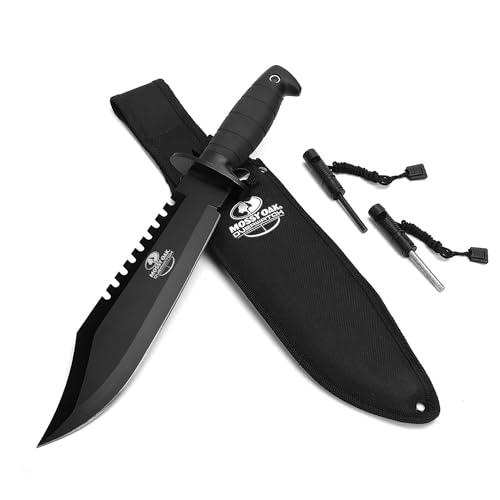
- TAR Score9.4
TAR Score is a ranking system developed by TopAppliancesReviews.com. TAR score has no relationship or impact from any manufacturers or sales agent websites. Learn more
- BrandMossy Oak

- TAR Score9.4
TAR Score is a ranking system developed by TopAppliancesReviews.com. TAR score has no relationship or impact from any manufacturers or sales agent websites. Learn more
- BrandGerber

- TAR Score9.4
TAR Score is a ranking system developed by TopAppliancesReviews.com. TAR score has no relationship or impact from any manufacturers or sales agent websites. Learn more
- BrandFLISSA

- TAR Score9.2
TAR Score is a ranking system developed by TopAppliancesReviews.com. TAR score has no relationship or impact from any manufacturers or sales agent websites. Learn more
- BrandGrand Way
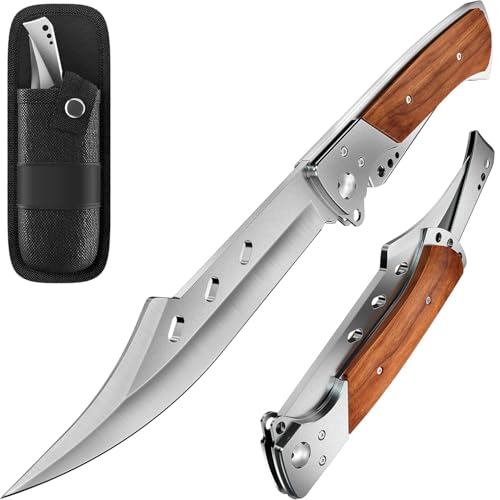
- TAR Score9.2
TAR Score is a ranking system developed by TopAppliancesReviews.com. TAR score has no relationship or impact from any manufacturers or sales agent websites. Learn more
- BrandGrand Way

- TAR Score9.2
TAR Score is a ranking system developed by TopAppliancesReviews.com. TAR score has no relationship or impact from any manufacturers or sales agent websites. Learn more
- BrandNedFoss

- TAR Score9.2
TAR Score is a ranking system developed by TopAppliancesReviews.com. TAR score has no relationship or impact from any manufacturers or sales agent websites. Learn more
- BrandAbpir
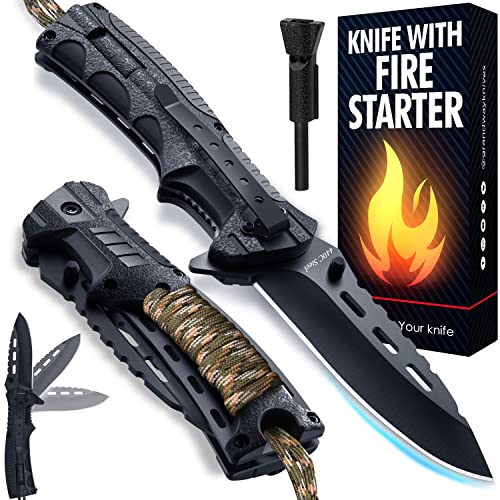
- TAR Score8.8
TAR Score is a ranking system developed by TopAppliancesReviews.com. TAR score has no relationship or impact from any manufacturers or sales agent websites. Learn more
- BrandGrand Way

- TAR Score8.8
TAR Score is a ranking system developed by TopAppliancesReviews.com. TAR score has no relationship or impact from any manufacturers or sales agent websites. Learn more
- BrandAOSILEY

- TAR Score7.8
TAR Score is a ranking system developed by TopAppliancesReviews.com. TAR score has no relationship or impact from any manufacturers or sales agent websites. Learn more
- BrandSURVIVOR
Last update on 2026-04-03 / Affiliate links / Images, Product Titles, and Product Highlights from Amazon Product Advertising API
What Is A Good Survival Knife
Cold rain starts falling, wood refuses to split cleanly, and a dull blade turns simple tasks into a wrestling match. Moments like that reveal the quiet truth behind outdoor gear: flashy tools rarely matter, but the right blade absolutely does. That’s where the idea of what is a good survival knife becomes more than a casual question. It becomes a real-world problem tied to reliability, strength, and control. A knife built for survival carries the weight of dozens of jobs cutting cordage, preparing food, shaping wood, and sometimes saving the day when no other tool is around.
Many blades look rugged on a shelf but struggle the moment real work begins. A dependable knife focuses on solid construction, durable steel, and practical design. Fancy coatings or oversized shapes rarely help if the blade chips, bends, or slips in your hand. Field tasks demand strength and versatility, not gimmicks.
Outdoor veterans often repeat the same lesson: a knife that performs well across multiple tasks earns its place in the pack. A weak blade turns routine work into frustration, while a strong knife becomes an extension of the hand. That difference defines a truly good survival knife. Practicality beats appearance every single time.
So the real question shifts slightly. Instead of asking what looks impressive, people start asking what actually works. That shift leads straight into the core elements of durability, blade shape, grip security, and steel performance. Each factor quietly shapes how a survival knife behaves under pressure.
Why Survival Knives Matter In Real Situations
Outdoors gear carries a funny habit of proving its worth only when things go wrong. Rope tangles, shelter poles need carving, or dinner prep happens miles away from a kitchen. At that moment, the blade in your hand becomes a multi-purpose survival tool. A strong knife replaces several pieces of gear and simplifies tasks that would otherwise burn precious energy.
Many experienced campers talk about efficiency in the field. Fewer tools mean lighter packs and quicker movement. A dependable survival knife handles slicing food, trimming branches, and shaping fire-starting sticks without hesitation. One reliable blade can eliminate the need for multiple tools.
Stories from long-distance hikers reinforce this idea. One wrong tool slows down everything. A knife that dulls quickly or breaks under stress creates problems instead of solving them. That’s why seasoned outdoors enthusiasts prioritize durability and versatility when selecting their blade.
Confidence also plays a surprising role. A sturdy knife changes how people approach outdoor tasks. Instead of hesitating, they work faster and more precisely. That confidence comes from knowing the tool offers strength, balance, and predictable performance.
Blade Strength And Construction
Structural integrity sits at the heart of a survival knife. A blade built with full tang construction runs the steel through the entire handle, creating one solid piece of metal. This design spreads force evenly across the knife. Heavy tasks like batoning wood suddenly feel manageable instead of risky.
Thin partial-tang blades often fail under pressure. Hard impacts travel through weak points in the handle connection. Cracks appear, handles loosen, and the knife becomes unreliable. A strong survival knife avoids that weakness through solid steel construction and reinforced design.
Blade thickness also affects durability. A thicker spine provides more resistance during demanding tasks. Wood splitting, prying, and heavy carving all benefit from a sturdy blade profile. The knife remains stable even when facing tough materials.
Balance matters just as much as strength. A knife that feels awkward in hand drains energy quickly. Good survival knives distribute weight so the blade feels controlled and responsive. That combination of strength and balance separates dependable tools from decorative ones.
Steel Types That Define Knife Performance
Steel choice quietly determines how a knife behaves after weeks of hard use. Some steels hold an edge longer, while others sharpen quickly in the field. A dependable survival knife often uses high-carbon steel because it balances toughness with easy maintenance. Even basic sharpening tools restore a razor edge.
Stainless steel options offer their own advantages. Wet environments and humid climates demand strong corrosion resistance. Stainless alloys resist rust better, which helps during long trips where constant maintenance isn’t practical. That durability becomes a real advantage during extended outdoor adventures.
Hardness ratings also influence performance. Steel measured through the Rockwell hardness scale reveals how well a blade resists wear. Higher numbers usually mean stronger edge retention, though extreme hardness can make sharpening more difficult. The goal sits somewhere in the middle.
Many respected outdoor knives combine edge retention, toughness, and corrosion resistance in balanced steel formulas. This blend allows the knife to survive repeated impacts while still cutting cleanly. Steel quality shapes how long a survival knife remains useful during demanding trips.
Blade Shapes That Handle Multiple Tasks
Blade geometry affects how a knife performs during real work. Shapes designed for slicing often struggle during heavy tasks, while thick chopping blades feel clumsy for precision cutting. A practical survival knife finds the middle ground through versatile blade design. Balance remains the key.
The drop point blade stands out as one of the most reliable designs. Its curved spine and strong tip provide control without sacrificing durability. Carving, slicing, and general fieldwork feel natural with this shape. Many outdoors experts consider it the most adaptable option.
Clip point blades offer sharper tips for delicate work. They excel at piercing and detail carving. But thinner tips may struggle during heavy impact tasks. That difference explains why many survival knives still favor stronger drop point or spear point shapes.
Blade length also shapes performance. Knives between 4 and 6 inches often provide the ideal balance of power and agility. Shorter blades feel nimble, while longer blades handle heavier work. That middle range allows a survival knife to perform both roles comfortably.
Handle Materials And Grip Security
A knife becomes dangerous the moment it slips during heavy work. Grip stability matters as much as blade strength. Materials like micarta, G10, and textured rubber provide dependable traction in wet or cold conditions. These surfaces remain grippy even with gloves or sweaty hands.
Wood handles bring classic appeal but require extra care. Moisture exposure can weaken untreated wood over time. Synthetic materials resist weather and rough handling better. That durability makes modern composite handles a common choice for survival knives.
Ergonomic design improves comfort during long tasks. Curved handles support the natural shape of the hand. Pressure distributes evenly across the grip, reducing fatigue. That thoughtful design allows extended cutting without discomfort.
Small details like finger guards and textured surfaces add safety. A well-designed handle prevents the hand from sliding forward onto the blade. Those features reinforce control, safety, and stability during demanding tasks.
Maintenance Tools That Keep Knives Reliable
Even the strongest blade eventually dulls after repeated work. Sharp edges require occasional maintenance, especially during extended trips. A compact sharpening system helps maintain cutting efficiency and blade longevity. Regular sharpening keeps the knife working smoothly instead of forcing extra effort.
Outdoor enthusiasts often carry small sharpening tools designed for portability. Lightweight options restore edges quickly without requiring complex setups. Field sharpening ensures a knife remains effective throughout the journey. Reliable maintenance tools become a quiet companion for survival knife performance.
Efficient sharpening also protects the blade from damage. Dull knives force users to apply extra pressure, which increases the risk of slipping. A sharp blade glides through materials with less effort. That difference improves both safety and control.
For hikers who prioritize dependable maintenance gear, Explore a practical solution for outdoor blade care with best knife sharpener for backpacking. Compact sharpening tools help maintain edge retention and cutting precision throughout demanding trips.
What Makes A Survival Knife Truly Dependable
Long days outdoors expose weaknesses in gear faster than any test lab ever could. A blade that struggles during simple camp chores quickly loses trust. That experience pushes many people to rethink what is a good survival knife and focus on practical reliability rather than flashy marketing. Strong knives handle messy, unpredictable work without constant adjustments or frustration.
Reliable blades often share the same core traits: balanced weight, tough steel, and ergonomic grips. These details might look subtle on paper, but they shape how the knife behaves during hours of cutting and carving. A comfortable knife reduces fatigue, while a poorly balanced one turns every task into extra effort.
Field performance matters more than looks. Outdoor conditions introduce mud, rain, and temperature swings that stress materials quickly. That environment rewards knives built around durability, corrosion resistance, and secure handling. Tools that survive those conditions quietly prove their value.
So the conversation around what is a good survival knife often shifts toward reliability under pressure. Strong construction, dependable steel, and safe handling combine to create a blade that works consistently. That consistency builds confidence with every task.
Weight Balance And Knife Control
Knife balance rarely receives the spotlight, yet it shapes almost every outdoor task. A blade that feels too heavy in the front becomes tiring during repeated cutting. Meanwhile, overly light knives struggle with tougher materials. The sweet spot lies in balanced weight distribution.
Balanced knives allow smoother movements. Each slice feels predictable, and the blade responds naturally to hand pressure. That responsiveness improves cutting precision and energy efficiency. Long carving sessions suddenly feel manageable instead of exhausting.
Outdoor instructors often stress the value of controlled cutting motion. Controlled knives reduce accidents and allow cleaner results during shelter building or food prep. Stability becomes especially important when working in cold weather or wearing gloves.
Knife makers typically design survival blades with slightly forward balance. This design increases chopping power while maintaining control. The result is a blade that combines strength, accuracy, and stability in demanding situations.
Versatility Across Outdoor Tasks
Camping rarely follows a predictable routine. One moment the knife trims cordage, the next it prepares dinner or shapes wooden stakes. A strong survival knife embraces multi-purpose performance. One reliable blade reduces the need to carry several specialized tools.
Wood processing often becomes the first major test. Batoning wood for fire preparation demands a knife with thick spine strength and resilient steel. Weak blades crack or bend under repeated impact. Tough knives survive that punishment without complaint.
Food preparation introduces a different challenge. A blade must slice vegetables and meat without tearing. Clean cuts depend on sharp edges and practical blade geometry. Survival knives designed with versatile shapes handle both rough work and delicate slicing.
Hunters and outdoor cooks often pair survival blades with specialized knives for field dressing. Those exploring versatile hunting tools often reference best all around hunting knife guides for comparison. This approach highlights how versatility and reliability influence knife selection across outdoor tasks.
Fire Preparation And Camp Utility
Fire building sits at the heart of outdoor survival. A knife frequently prepares feather sticks, shaves dry wood, and splits kindling for ignition. These tasks demand strong blade edges and dependable spine thickness. Weak knives struggle with repeated wood processing.
Controlled wood carving becomes essential for efficient fire starters. Thin curls of dry wood ignite quickly and maintain steady flames. Achieving that precision requires sharp edges and comfortable grip control. The knife must respond smoothly to subtle pressure changes.
Camp tasks extend beyond fire preparation. Knives open food packages, trim rope, and repair gear around the campsite. A blade capable of both delicate and heavy work quickly becomes the most used tool in camp.
Warm drinks also play a role in outdoor comfort. Cold nights often inspire simple rituals like boiling water for tea. Those curious about lightweight camp cooking tools sometimes explore how to make hot tea kettle setups for efficient campfire use. Pairing reliable cooking tools with a dependable survival knife creates a smoother campsite routine.
Environmental Resistance And Durability
Nature rarely offers perfect conditions. Rain, mud, and humidity challenge outdoor gear every day. A strong survival knife resists corrosion through quality steel treatment and protective finishes. That resistance prevents rust from weakening the blade.
Coatings like powder finishes or stonewash textures add protective layers. These surfaces reduce glare while improving resistance against scratches and moisture. Small details like these strengthen long-term durability.
Temperature swings also affect knife performance. Cold weather can make some materials brittle. Strong steel formulations maintain toughness and flexibility even in freezing conditions. That resilience helps survival knives remain reliable across seasons.
Handle materials face similar environmental stress. Synthetic grips such as G10 and micarta resist swelling, cracking, and moisture damage. These materials maintain stable grip even after prolonged exposure to rain.
Common Mistakes When Selecting A Survival Knife
Many buyers gravitate toward oversized blades. Massive knives appear powerful but often become clumsy during everyday tasks. Excess length reduces control and increases fatigue. Balanced designs offer greater precision and practical power.
Another frequent mistake involves focusing purely on aesthetics. Polished blades and decorative handles may look impressive, yet they rarely improve performance. Survival knives succeed through function, durability, and ergonomic design.
Some buyers overlook grip comfort entirely. Handles that feel fine during quick tests may become uncomfortable after extended use. Long cutting sessions expose flaws in shape or texture. Comfortable handles ensure secure control and reduced hand strain.
Ignoring steel quality also creates problems. Cheap steel dulls quickly and chips under pressure. Reliable knives rely on strong metallurgy and balanced hardness for consistent cutting ability.
Knife Size And Practical Carry Options
Blade size dramatically influences how a survival knife performs. Compact blades around four inches offer agility for carving and food prep. Longer blades provide more leverage during chopping. The best designs balance cutting control and power.
Most experienced outdoors enthusiasts settle between four and six inches. This range provides enough strength for wood processing while remaining manageable for detailed tasks. That balance supports multi-purpose survival use.
Carry options also shape convenience. A strong sheath protects both the blade and the user during movement. Quality sheaths use materials like kydex or reinforced nylon for durability and secure retention.
Comfortable carry ensures the knife stays accessible without becoming a burden. Belt sheaths, pack mounts, and horizontal carry systems offer different advantages. The right setup keeps a dependable survival knife ready for action whenever the moment demands it.


Top Rated Best Quality Range Hoods: 2026 Expert Picks

The 12 Best Small Solar Generators 2026

10 Best Quality Semi Automatic Washing Machine of 2026 For Leak-Free Laundry

11 Best Small Washer Machine of 2026 For Everyday Laundry

12 Best Vibration Pads For Washing Machine of 2026 To Stop Walking and Shaking

11 Best Selling Front Load Washing Machine of 2026 For Quiet Odor-Free Laundry

11 Best Washing Machine For King Size Bedding of 2026 To Prevent Cycle Errors

10 Best Small Front Loader Washing Machine of 2026 For Tight Closets






