
What Is a Damascus Steel Knife? Layers, Lore, Edge

What Is a Damascus Steel Knife often sparks curiosity the moment someone notices those flowing, wave‑like lines across the blade. Those patterns are not painted or etched on for decoration alone. They come from a layered forging process that bonds different steels together, creating a blade that looks striking and performs with impressive toughness. One glance at that rippling surface and, well, it’s easy to see why these knives stir up so much conversation among people who care about craftsmanship.
The real magic behind a damascus steel knife lies in how the blade is built. Steel layers are folded, hammered, and welded repeatedly, forming a strong core wrapped in beautiful patterning. Each fold creates microscopic variations that produce the signature waves and swirls once the blade is polished and treated. That technique isn’t just for show either. It helps balance edge retention, flexibility, and strength, which explains why the style remains popular long after modern steel manufacturing appeared.
Old stories surrounding damascus steel add a bit of mystique too. Historical blades made in the Middle East were rumored to slice silk mid‑air or hold an edge longer than most weapons of their time. Some of those tales stretch the truth, sure, yet they reflect how respected the material became centuries ago. Modern knifemakers recreate the layered look through pattern‑welding, keeping the spirit alive even though the exact ancient recipe faded with history.
A good damascus steel knife balances aesthetics and real‑world performance. The layered steel construction distributes stress across the blade, helping reduce brittleness while maintaining a sharp cutting edge. That combination works beautifully in everyday kitchen tasks, from slicing vegetables to trimming meats. Many people notice the difference immediately. The blade glides smoothly, almost like it wants to keep cutting long after the job’s done.
Patterns vary wildly as well. Some blades show bold ladder shapes, others reveal feathered swirls or tight raindrop textures. Each design comes from how the steel layers were manipulated during forging. That uniqueness means no two knives ever look exactly alike, which adds a sense of personality to the blade. Holding one often feels less like grabbing a tool and more like owning a small piece of metal art.
Care matters, though. A damascus steel knife performs best when treated properly, kept dry, and sharpened with the right technique. The layered steel deserves a bit of respect. Handle it well and the blade rewards you with long‑lasting sharpness, resilience, and that unmistakable patterned finish that turns heads across any kitchen counter.

- TAR Score10.0
TAR Score is a ranking system developed by TopAppliancesReviews.com. TAR score has no relationship or impact from any manufacturers or sales agent websites. Learn more
- BrandZaby

- TAR Score9.6
TAR Score is a ranking system developed by TopAppliancesReviews.com. TAR score has no relationship or impact from any manufacturers or sales agent websites. Learn more
- BrandFunistree

- TAR Score9.6
TAR Score is a ranking system developed by TopAppliancesReviews.com. TAR score has no relationship or impact from any manufacturers or sales agent websites. Learn more
- BrandWakoli

- TAR Score9.6
TAR Score is a ranking system developed by TopAppliancesReviews.com. TAR score has no relationship or impact from any manufacturers or sales agent websites. Learn more
- BrandMinowe

- TAR Score9.4
TAR Score is a ranking system developed by TopAppliancesReviews.com. TAR score has no relationship or impact from any manufacturers or sales agent websites. Learn more
- BrandEmojoy

- TAR Score9.4
TAR Score is a ranking system developed by TopAppliancesReviews.com. TAR score has no relationship or impact from any manufacturers or sales agent websites. Learn more
- BrandDRACHENADER
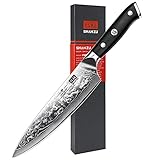
- TAR Score9.4
TAR Score is a ranking system developed by TopAppliancesReviews.com. TAR score has no relationship or impact from any manufacturers or sales agent websites. Learn more
- BrandSHAN ZU

- TAR Score9.2
TAR Score is a ranking system developed by TopAppliancesReviews.com. TAR score has no relationship or impact from any manufacturers or sales agent websites. Learn more
- Brandaisyoko
- TAR Score9.0
TAR Score is a ranking system developed by TopAppliancesReviews.com. TAR score has no relationship or impact from any manufacturers or sales agent websites. Learn more
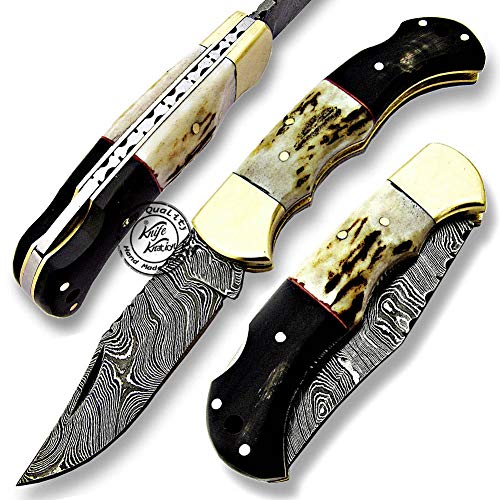
- BrandKnife Knation
- TAR Score8.6
TAR Score is a ranking system developed by TopAppliancesReviews.com. TAR score has no relationship or impact from any manufacturers or sales agent websites. Learn more
- BrandPoshland
Last update on 2026-03-25 / Affiliate links / Images, Product Titles, and Product Highlights from Amazon Product Advertising API
What Is A Damascus Steel Knife
A dull kitchen blade can turn a simple meal prep into a slow, frustrating chore. Vegetables crush instead of slice cleanly, meat tears rather than glides apart, and suddenly the cooking rhythm falls apart. Moments like that push many people to look beyond ordinary knives, searching for something that feels both reliable and satisfying in the hand. Somewhere along that search, the striking look of a Damascus steel knife often appears, instantly catching the eye with swirling patterns and bold character.
Curiosity usually follows fast. Those rippling waves across the blade aren’t just decorative flair. The design comes from layers of steel forged together under intense heat and pressure, creating a blade that balances durability, flexibility, and long‑lasting sharpness. That layered construction explains why the phrase what is a damascus steel knife keeps surfacing in conversations about quality kitchen tools and collector blades.
Beyond its appearance, the blade carries a reputation built on craftsmanship. Skilled makers fold different steels repeatedly, forming dozens or even hundreds of layers that produce both the distinctive patterns and the blade’s strong cutting edge. The result delivers precision cutting, visual artistry, and reliable performance in one piece of steel.
People drawn to knives that perform well and look exceptional often gravitate toward this style. A damascus steel knife blends craftsmanship with practical use, turning everyday cutting tasks into something smoother and more enjoyable. The mix of beauty and function explains why these blades keep appearing in kitchens, workshops, and collections around the world.
Origins Of Damascus Steel Blades
Stories around Damascus steel stretch back hundreds of years and carry a certain mystique. Historical accounts describe blades forged in the Middle East that displayed unusual patterns and impressive cutting ability. Travelers once claimed these swords could slice through other metals or hold a razor edge far longer than typical weapons. Some of those tales sound dramatic, yet they highlight the respect those blades commanded.
The original steel likely came from a material called wootz, produced in parts of India and Sri Lanka centuries ago. Craftsmen shaped that steel into blades while preserving unique internal structures that produced the famous watery patterns. Those patterns weren't merely decorative. They indicated a combination of hardness and resilience that allowed blades to stay sharp without becoming brittle.
Over time, the exact methods used in ancient forging faded away. Historians and metallurgists still debate the precise formula behind those historic blades. Even so, modern knifemakers recreate the layered appearance using pattern‑welding techniques. This method stacks different steels and forges them together to mimic the legendary look.
Modern damascus steel knives carry forward the spirit of that tradition. They combine ancient inspiration with contemporary metallurgy. The result preserves the visual beauty of the old blades while delivering dependable performance suited for kitchens and daily use.
How Layered Steel Creates Strength
The forging process behind a damascus steel knife relies on stacking different types of steel together. Each layer contributes unique properties to the finished blade. Some steels provide hardness and edge retention, while others add flexibility that helps prevent cracking under stress. The combination creates balance rather than relying on a single material.
During forging, a smith heats the steel layers until they glow bright orange. The metal is then hammered and folded repeatedly. Every fold multiplies the number of layers, sometimes reaching dozens or even hundreds in a finished blade. Those layers form the famous waves and swirls after polishing and etching.
The layered construction spreads stress across the blade. Instead of a single piece of steel absorbing every impact, multiple layers distribute the pressure evenly. That design supports durability and resistance to chipping, which matters in everyday cutting tasks.
People often notice the cutting feel first. A properly forged damascus blade tends to glide through ingredients with minimal resistance. That smooth slicing motion stems from the blade’s structure and carefully sharpened edge.
Why Damascus Patterns Matter
The swirling patterns on a damascus steel knife draw attention immediately. Those lines form when layers of steel react differently during acid etching after forging. Softer steel darkens slightly while harder steel remains lighter, revealing the blade’s layered structure.
Patterns vary depending on how the smith manipulates the steel during forging. Some blades show ladder patterns with straight lines. Others display raindrop shapes or feather‑like swirls that look almost organic. Each pattern results from deliberate shaping techniques used during the forging process.
Collectors and enthusiasts appreciate these patterns because they reflect craftsmanship. No two blades look exactly the same. The variations give each knife a distinct identity, almost like a fingerprint formed in steel.
Beyond visual appeal, the patterns reveal something practical. They indicate a layered construction that contributes to the blade’s balance of strength, flexibility, and edge stability. That combination explains why the style remains popular across both kitchen and collector markets.
Kitchen Performance And Cutting Precision
Cooking becomes easier with a blade that slices cleanly instead of forcing its way through food. A damascus steel knife often delivers that smooth experience thanks to its refined edge and balanced weight. Vegetables separate cleanly, herbs slice finely, and meats trim without tearing.
The blade’s layered structure supports edge retention and sharpness over time. That means fewer sharpening sessions compared with some softer stainless steel knives. A sharper blade also improves safety. Clean cuts require less pressure, reducing the risk of slipping.
Balance plays a huge role in kitchen comfort. Many damascus knives distribute weight evenly between blade and handle. That balance creates a natural cutting motion, helping reduce wrist fatigue during longer prep sessions.
People who enjoy cooking often notice the difference right away. A well‑crafted damascus kitchen knife feels responsive and precise. That sensation transforms routine chopping into a smoother, more controlled process.
Damascus Knives Beyond The Kitchen
Kitchen tools often grab the spotlight, yet damascus steel knives appear in many other settings. Outdoor enthusiasts frequently choose them for camping and survival tasks. The layered steel construction offers both toughness and a sharp cutting edge suited for various materials.
Collectors appreciate these knives as functional art pieces. The flowing patterns, polished surfaces, and handcrafted details turn each blade into something visually distinctive. Some knives remain display pieces, admired for their craftsmanship rather than everyday use.
Practical uses extend further. Leatherworkers, for example, rely on sharp blades capable of making precise cuts through tough material. To improve workshop efficiency, explore best knife for cutting leather options designed for clean slicing and strong edges.
Everyday carry enthusiasts also appreciate compact tools with reliable blades. Small folding knives built with quality steel provide convenience without sacrificing performance. Reliable gear often begins with the right cutting tool.
What Is A Damascus Steel Knife
Some knives cut. Others glide so smoothly that the blade almost feels alive in your hand. That contrast often sparks curiosity the first time someone sees those flowing wave patterns across the steel. Suddenly the question appears: what is a damascus steel knife, and why does it look so different from ordinary blades.
The answer begins with layers of steel forged together under intense heat and pressure. Those layers create both the famous patterns and the blade’s balanced structure. The result delivers sharp edges, improved durability, and impressive visual appeal. A damascus steel knife becomes more than a tool; it becomes a blend of function and craftsmanship.
People drawn to quality blades often appreciate that balance. A good knife should cut cleanly, stay sharp, and feel stable during use. Damascus construction supports those goals by combining multiple steels into a single layered blade. That structure creates strength, flexibility, and reliable edge retention that many standard knives struggle to match.
Those distinctive patterns also carry history and personality. Each blade forms unique swirls depending on how the steel layers are folded and forged. That means every damascus steel knife ends up slightly different from the next, which explains why collectors and everyday cooks alike find them so appealing.
Why Damascus Steel Feels Different In Hand
Pick up a typical kitchen knife and you might notice a simple balance between blade and handle. Pick up a damascus steel knife, and the experience often feels more refined. The layered construction helps distribute weight evenly across the blade. That balance allows smoother movements during slicing and chopping.
The sensation becomes obvious during longer prep sessions. A balanced knife reduces wrist strain and keeps the cutting motion fluid. Instead of forcing the blade through ingredients, the edge glides naturally. That smooth action highlights one of the biggest benefits: precision control and effortless cutting.
Grip comfort also plays a role. Many damascus knives pair the blade with ergonomic handles made from wood, resin, or composite materials. Those materials support a stable hold even when hands become slightly damp during food preparation. Stability supports accuracy, safety, and confidence while cutting.
Small details add up quickly. A stable grip, balanced blade, and sharp edge combine to create a tool that feels responsive. That feeling explains why people often keep reaching for the same damascus knife once they experience its handling.
Edge Retention And Cutting Power
Sharpness defines how well any knife performs, yet not every blade holds its edge equally well. A damascus steel knife often maintains sharpness longer because its layered structure supports the cutting edge. Harder steel layers reinforce the edge while softer layers absorb stress.
This combination helps prevent chipping while preserving long‑lasting sharpness. Fewer sharpening sessions mean less maintenance and more consistent performance. That advantage matters in busy kitchens where reliable tools save time and frustration.
Edge stability also improves slicing accuracy. A stable blade edge moves through food with minimal resistance. Vegetables remain intact instead of crushed, and meat cuts remain clean rather than ragged.
Reliable cutting performance matters beyond the kitchen as well. Outdoor enthusiasts and hobbyists often appreciate blades capable of handling multiple materials. The layered steel design helps maintain cutting strength and resilience across different tasks.
Maintenance And Care Tips
A damascus steel knife rewards careful maintenance. Proper care keeps both the blade and its distinctive pattern in good condition. Cleaning the knife immediately after use prevents moisture from affecting the steel layers.
Drying the blade thoroughly also protects the surface. Even stainless versions benefit from quick drying because water spots can dull the blade’s beautiful patterns. Simple routines like wiping the knife after washing help maintain long‑term durability.
Sharpening deserves attention too. A quality whetstone allows precise edge refinement without damaging the blade’s structure. Consistent sharpening angles help preserve the knife’s cutting efficiency and smooth slicing performance.
Storage matters just as much. Knife blocks, magnetic strips, or protective sheaths prevent accidental contact with other utensils. Avoiding collisions with hard surfaces protects the blade edge and preserves its sharpness.
Damascus Steel In Everyday Carry Knives
Kitchen tools represent only one side of the story. Compact folding knives also use layered steel for performance and visual appeal. Many everyday carry tools now feature damascus blades that combine durability with striking patterns.
Small knives built for daily use need reliable steel. The layered construction supports both toughness and sharp edges, which helps during everyday cutting tasks. That design explains why many enthusiasts appreciate knives built with damascus steel durability.
People who prefer practical multi‑purpose tools often look toward versatile designs. To expand everyday gear options, explore best swiss army knife for edc choices that combine multiple functions with dependable blades.
Compact knives built with strong steel offer both convenience and reliability. Whether opening packages or handling light outdoor tasks, a dependable blade improves efficiency. The blend of portability and cutting strength keeps these tools useful throughout the day.
Comparing Damascus With Modern Knife Steel
Modern metallurgy produces many high‑performance knife steels. Stainless alloys offer corrosion resistance, while carbon steels deliver exceptional sharpness. A damascus steel knife often combines characteristics from both categories through layered construction.
Some knives use a hard core steel surrounded by patterned outer layers. That configuration protects the core while preserving edge sharpness. The structure creates strength, stability, and attractive surface patterns all at once.
Performance differences often appear during real cutting tasks. Damascus blades tend to balance flexibility and hardness effectively. That balance reduces brittleness compared with extremely hard steels.
Visual appeal also plays a role in comparisons. Many modern knives focus purely on function. Damascus blades deliver both function and artistry, making them attractive tools for people who value performance and craftsmanship together.
Common Myths About Damascus Steel
Legends around damascus steel sometimes exaggerate its capabilities. Old stories claim the blades could cut through other swords or remain permanently sharp. Those claims make great storytelling but stretch reality.
Modern damascus knives perform extremely well, yet they still require sharpening and maintenance like any blade. Steel composition and craftsmanship determine real performance. Quality forging creates durability and sharpness, not mythical powers.
Another myth suggests that the patterns exist purely for decoration. In truth, the patterns reveal layered construction within the steel. Those layers contribute to the blade’s balance of hardness and flexibility.
Separating myth from fact helps buyers make smarter choices. Appreciating the real strengths of a damascus steel knife allows people to value both its practical performance and its visual artistry.
Unexpected Tools That Pair With Precision Blades
Kitchen tools often work together in subtle ways. A sharp knife handles slicing, while other appliances support preparation tasks. Efficient setups often combine multiple tools that simplify daily routines.
Hot beverages remain part of many cooking and prep routines as well. Fast heating appliances keep water ready for tea or cooking needs. For efficient heating and precise temperature control, explore best electric tea kettle for green tea options designed to preserve delicate flavors.
Convenience tools complement precision blades nicely. A sharp knife speeds up ingredient prep, while supportive appliances reduce waiting time elsewhere in the kitchen. The combination improves overall workflow and comfort.
Small improvements in equipment often transform everyday routines. Reliable tools reduce friction and help tasks move smoothly from start to finish. That sense of flow keeps people returning to well‑crafted tools built with quality materials and thoughtful design.


Top Rated Best Quality Range Hoods: 2026 Expert Picks

The 12 Best Small Solar Generators 2026

10 Best Quality Semi Automatic Washing Machine of 2026 For Leak-Free Laundry

11 Best Small Washer Machine of 2026 For Everyday Laundry

12 Best Vibration Pads For Washing Machine of 2026 To Stop Walking and Shaking

11 Best Selling Front Load Washing Machine of 2026 For Quiet Odor-Free Laundry

11 Best Washing Machine For King Size Bedding of 2026 To Prevent Cycle Errors

10 Best Small Front Loader Washing Machine of 2026 For Tight Closets






