
What Is a Bowie Knife Used For? Practical Uses Explained

What is a bowie knife used for? That question pops up the moment someone notices the long, curved blade and bold design. The knife carries a rugged reputation, yet its real value lies in practical cutting tasks. From outdoor work to survival situations, the bowie knife stands out as a blade built for strength and versatility. People often picture it as a dramatic weapon from old frontier stories, but daily use tells a much more practical story.
A large clip-point blade gives the bowie knife its unmistakable look. That shape isn’t just for style. It helps with piercing, slicing, and controlled cutting in tough conditions. Thick spines add durability, so the blade won’t easily bend or chip while handling heavy jobs. Rough camp chores, stubborn rope, or dense materials become far easier when a strong knife handles the work.
Outdoor life brings plenty of moments where a dependable blade saves time and frustration. Preparing firewood, trimming branches, or clearing small obstacles can quickly turn into exhausting tasks with the wrong tool. A bowie knife handles those jobs with surprising efficiency. The longer blade provides leverage for chopping motions, while the sharp edge makes quick work of slicing tasks around camp.
Food preparation also plays a quiet role in the usefulness of this knife. Large blades might seem excessive for simple cooking, yet they excel at breaking down meat, cutting thick vegetables, or slicing large portions outdoors. Camp kitchens rarely offer a full set of tools, so one reliable blade often does the heavy lifting. In those moments, the bowie knife becomes a practical solution rather than a flashy accessory.
Survival situations highlight the real strengths of the design. Cutting cordage, shaping wood, building shelters, and even preparing kindling all rely on a dependable blade. The bowie knife balances power and control, allowing careful detail work as well as tougher cutting jobs. That balance explains why the knife remains respected decades after its early frontier days.
Durability adds another layer to the story. A well-built bowie knife isn’t just about sharpness. It’s about reliability when tools must perform without hesitation. Thick steel, sturdy handles, and strong tang construction give the blade a reputation for toughness. The result feels reassuring in the hand, ready for whatever challenge appears next.
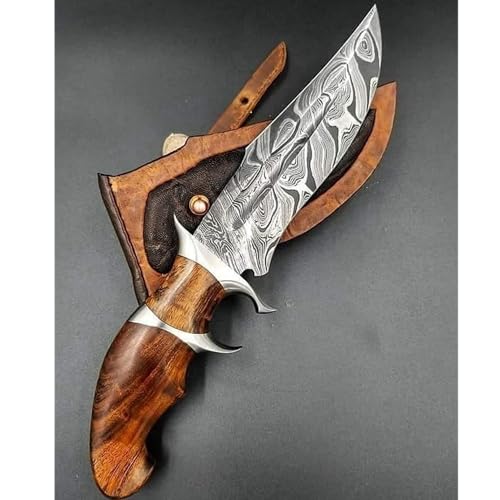
- TAR Score10.0
TAR Score is a ranking system developed by TopAppliancesReviews.com. TAR score has no relationship or impact from any manufacturers or sales agent websites. Learn more
- BrandGeneric

- TAR Score9.4
TAR Score is a ranking system developed by TopAppliancesReviews.com. TAR score has no relationship or impact from any manufacturers or sales agent websites. Learn more
- BrandMossy Oak

- TAR Score9.4
TAR Score is a ranking system developed by TopAppliancesReviews.com. TAR score has no relationship or impact from any manufacturers or sales agent websites. Learn more
- BrandMossy Oak
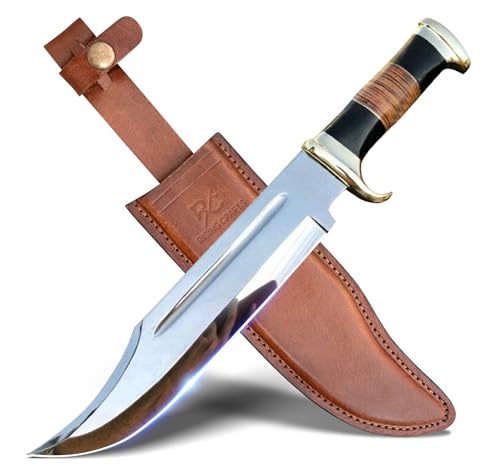
- TAR Score9.4
TAR Score is a ranking system developed by TopAppliancesReviews.com. TAR score has no relationship or impact from any manufacturers or sales agent websites. Learn more
- BrandRISING CRAFTS
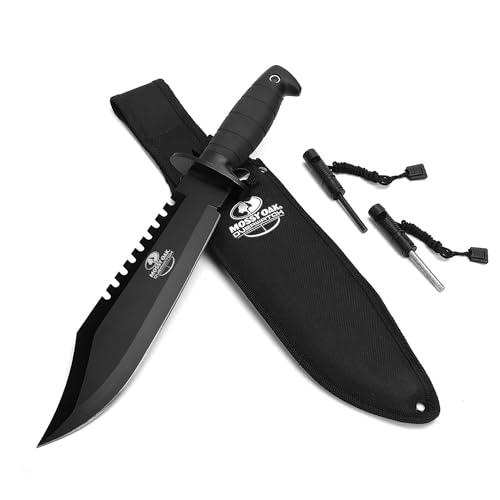
- TAR Score9.4
TAR Score is a ranking system developed by TopAppliancesReviews.com. TAR score has no relationship or impact from any manufacturers or sales agent websites. Learn more
- BrandMossy Oak

- TAR Score9.2
TAR Score is a ranking system developed by TopAppliancesReviews.com. TAR score has no relationship or impact from any manufacturers or sales agent websites. Learn more
- BrandMossy Oak

- TAR Score9.2
TAR Score is a ranking system developed by TopAppliancesReviews.com. TAR score has no relationship or impact from any manufacturers or sales agent websites. Learn more
- BrandCold Steel

- TAR Score9.0
TAR Score is a ranking system developed by TopAppliancesReviews.com. TAR score has no relationship or impact from any manufacturers or sales agent websites. Learn more
- BrandSZCO

- TAR Score8.8
TAR Score is a ranking system developed by TopAppliancesReviews.com. TAR score has no relationship or impact from any manufacturers or sales agent websites. Learn more
- BrandDEFENDER XTREME
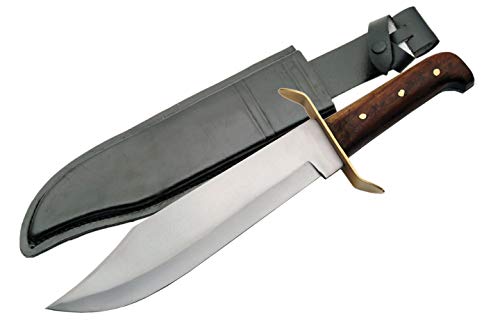
- TAR Score8.6
TAR Score is a ranking system developed by TopAppliancesReviews.com. TAR score has no relationship or impact from any manufacturers or sales agent websites. Learn more
- BrandSZCO
Last update on 2026-03-20 / Affiliate links / Images, Product Titles, and Product Highlights from Amazon Product Advertising API
What Is A Bowie Knife Used For
A tough cutting job rarely waits for the perfect tool. Thick rope, stubborn branches, or a messy campsite chore often appears out of nowhere, and the small pocket blade in your pocket suddenly feels useless. That frustration pushes many people to search for stronger tools that can handle real work. Somewhere in that search, the phrase what is a bowie knife used for starts popping up again and again. The reason is simple: this large blade has built a reputation for tackling rugged tasks that smaller knives struggle with.
Early explorers and frontiersmen relied heavily on knives that could handle unpredictable environments. Firewood, animal processing, shelter building, and defensive moments all demanded a blade capable of doing multiple jobs. The bowie knife emerged as a powerful answer to those needs. Its large blade, thick spine, and recognizable clip‑point tip gave it both strength and precision. That mix of durability, cutting reach, and control still makes the knife relevant today.
Curiosity about this knife usually starts with its dramatic shape. The wide blade and curved tip make it look like something pulled straight from a frontier legend. Yet the design wasn’t created for style alone. Every curve and angle serves a practical purpose, especially for heavy outdoor tasks. The question what is a bowie knife used for becomes easier to answer once those real-world uses come into view.
Outdoor Survival And Camp Tasks
Outdoor environments constantly throw unpredictable challenges at anyone carrying basic gear. A campsite setup might look simple at first, but clearing branches, cutting rope, and shaping wood quickly become necessary. A bowie knife shines in those moments because its blade length provides excellent leverage. Short knives can slice, sure, but they struggle with tougher tasks like chopping small branches. The heavier blade of a bowie knife makes those jobs faster and far less frustrating.
Fire preparation is one area where this knife proves its worth almost immediately. Splitting small logs into kindling becomes far easier with a sturdy blade and thick spine. Many outdoor enthusiasts even use the knife for light batoning by striking the spine with wood. The strong blade structure and full tang construction help it survive repeated impacts. That reliability gives peace of mind in situations where gear failure simply isn’t an option.
Shelter building also benefits from a large knife. Cutting small poles, trimming bark, and shaping wooden stakes demand both slicing precision and blade strength. The clip‑point design allows careful carving while the wider belly supports deeper cuts. One tool handles several tasks that would normally require multiple smaller tools. That kind of efficiency makes the bowie knife extremely valuable outdoors.
Rope cutting and gear repair also appear more often than people expect. Frayed lines, tangled cords, or damaged straps can slow everything down. A sharp bowie knife cuts through thick materials in seconds. The long cutting edge reduces effort while the sturdy handle keeps the user in control. Small improvements like that can make long outdoor trips far smoother.
Hunting And Field Processing
Hunters have relied on large knives for generations. After a successful hunt, the real work begins with field dressing and meat preparation. A bowie knife handles these tasks with confidence thanks to its strong blade and wide cutting surface. The long edge allows clean slicing while the curved tip helps with delicate cuts. Precision and power working together make the job much easier.
Breaking down larger animals requires tools that won’t struggle halfway through the process. Small knives can handle delicate trimming, but tougher parts of the job require something stronger. The bowie knife blade thickness provides durability for heavier cutting work. Many hunters keep one nearby specifically for tasks that smaller blades cannot manage safely.
Skinning also becomes more efficient with a blade that offers proper reach. The clip point allows controlled punctures without damaging meat underneath. Careful movements feel more natural with the extra blade length. That balance between precision cutting and blade strength explains why the bowie knife remains respected in hunting communities.
Camp butchering situations sometimes require quick problem solving. Tools may be limited, and a single knife might need to handle everything from slicing meat to splitting joints. The bowie knife adapts well to those demands. Its versatility reduces the need to carry multiple cutting tools in the field.
Heavy Duty Cutting And Utility Work
Daily cutting tasks around camps, workshops, or outdoor work areas often push knives beyond light-duty use. Thick cardboard, plastic straps, rope, and heavy materials can quickly dull or damage weaker blades. A bowie knife handles those tasks thanks to its robust blade thickness and solid spine. That durability makes it a reliable utility blade rather than a decorative one.
Construction workers, campers, and DIY hobbyists sometimes use large knives for quick utility cuts. Opening crates, trimming wood pieces, or slicing tough packaging requires a blade that won’t flex under pressure. The bowie knife provides exactly that. Its weight adds power behind each cut, making tough materials easier to handle.
Durability matters just as much as sharpness in these situations. A knife might face repeated impact, twisting pressure, or contact with hard surfaces. Cheap blades can chip or bend under that stress. The strong steel construction found in many bowie knives helps prevent that kind of failure.
Versatility also plays a big role here. A single tool capable of slicing, chopping, and piercing saves time and space. The multi‑purpose blade design of the bowie knife covers a surprising range of tasks. That flexibility explains why people often reach for it even outside traditional outdoor settings.
Blade Design And Why It Matters
The shape of the bowie knife blade isn’t random. Every part of the design supports specific cutting functions. The famous clip‑point tip creates a thinner edge near the point, which improves piercing ability. That detail allows the knife to puncture materials more easily than a straight blade tip.
The wide belly of the blade adds slicing power. Longer curved edges create smoother cuts, especially through thick materials. This design improves efficiency during both food preparation and outdoor tasks. A long slicing edge reduces the number of strokes needed for each cut.
Balance between blade and handle also matters more than many people expect. A poorly balanced knife becomes tiring during repeated cutting tasks. The bowie knife usually carries weight slightly forward, which helps generate cutting momentum. That subtle shift increases cutting efficiency without sacrificing control.
Handle design supports safe handling as well. Many bowie knives include guards or textured grips to prevent slipping. Firm control becomes especially important when working with a blade of this size. That combination of ergonomic grip and blade strength helps maintain safety during heavy work.
Role In Personal Protection
Large knives have historically served defensive roles in frontier environments. Early travelers often carried blades capable of protecting themselves in remote areas. The bowie knife gained recognition partly because of that history. Its size and sharpness created a strong deterrent against threats.
Modern discussions about defensive knives focus more on practicality than legend. A tool used for protection must balance control, strength, and reliability. The bowie knife offers those qualities thanks to its thick blade and secure grip. Those features allow confident handling during stressful moments.
Situations requiring defensive tools remain rare for most people. Still, the design of the bowie knife makes it capable of performing in those moments. The clip‑point blade allows controlled thrusting while the heavy spine supports strong cuts. Those characteristics contributed to its long-standing reputation.
Anyone considering blades for personal protection often compares different styles. Smaller knives may provide easier carry, while larger blades offer power and reach. To explore options built specifically for defensive scenarios, examine reliable guides like best knife for self defense. That comparison highlights how different knife styles prioritize speed, control, and defensive capability.
What Is A Bowie Knife Used For In Real Life Situations
Gear that actually survives hard use quickly earns respect. Tools sitting quietly in a drawer rarely tell a story, but blades carried into the woods or used around rough jobs reveal their true value fast. Curiosity often grows after someone sees a large knife perform several tasks without hesitation. That curiosity leads straight to the question what is a bowie knife used for, especially after watching one slice, chop, and carve with surprising efficiency.
The bowie knife stands out because it handles tasks that push smaller blades beyond their limits. A long cutting edge, a thick spine, and the famous clip‑point tip create a tool capable of real work. Camp chores, food preparation, and rugged outdoor use all become easier with the right blade in hand. Practical usefulness explains why the bowie knife remains relevant long after its frontier origins.
People often assume the knife exists only for dramatic purposes. That assumption fades quickly after watching it handle routine work. Heavy rope, stubborn packaging, or thick branches become manageable tasks rather than frustrating obstacles. The design focuses on strength, reach, and reliability, which turns the knife into a dependable tool rather than a novelty.
Camp Cooking And Food Preparation
Outdoor cooking rarely looks as neat as a kitchen countertop. Ingredients come in larger cuts, tools remain limited, and food preparation often happens on rough surfaces like camp tables or logs. A bowie knife handles these challenges surprisingly well. Its long blade slices through meat, vegetables, and thick food portions with ease. That extra length provides clean cuts that smaller knives struggle to produce.
Preparing meat outdoors becomes far easier with a sturdy blade. Thick steaks, large fish, and game meat require both slicing precision and blade strength. The curved belly of the bowie knife supports smooth cuts across larger surfaces. That balance between cutting control and blade durability makes the knife extremely useful during camp cooking.
Large vegetables also benefit from the knife’s cutting power. Pumpkins, squash, and dense root vegetables can challenge thin kitchen knives. A strong outdoor blade handles them without hesitation. Anyone curious about food preparation tools for tougher produce may also explore practical guides like can you juice pumpkin, where strong blades and equipment become essential for handling dense ingredients.
Outdoor kitchens often rely on just a few tools, so versatility becomes crucial. A single blade capable of slicing, trimming, and portioning food reduces the need to carry extra gear. The bowie knife fills that role effectively. Its multi‑purpose cutting ability keeps meal preparation simple even in remote locations.
Wood Processing And Bushcraft Tasks
Wood appears everywhere in outdoor environments, and sooner or later it needs shaping, cutting, or trimming. Shelter building, fire preparation, and tool crafting all require reliable blades. The bowie knife performs well in these situations because of its heavy spine and durable construction. Those features allow the knife to handle moderate chopping and carving tasks safely.
Creating wooden stakes for shelters or tents demands precision and control. The clip‑point tip allows careful carving, which helps shape wood without excessive effort. Smaller knives can perform similar tasks but often require more time. The long blade edge speeds up the process significantly.
Batoning small logs into kindling also becomes easier with a sturdy knife. By striking the spine with another piece of wood, the blade splits smaller logs for fire preparation. A bowie knife’s thickness supports this technique without bending or chipping easily. That durability makes the knife reliable during cold or wet outdoor conditions.
Bushcraft enthusiasts appreciate tools that perform multiple jobs without failure. The bowie knife offers both power and control, which allows it to handle carving and heavier cutting work. Its balanced design reduces fatigue during repeated use. That advantage becomes clear during long outdoor trips where efficiency matters.
Blade Strength And Durability Factors
Strength defines the reputation of a bowie knife more than any other feature. A blade built for hard use requires quality steel and a solid structure. Many bowie knives feature full tang construction, meaning the blade steel extends through the entire handle. That design dramatically increases durability during heavy work.
Blade thickness also contributes to strength. Thin knives may slice easily but often struggle with impact or twisting pressure. Bowie knives balance slicing ability with structural integrity. The thick spine prevents bending while the sharpened edge maintains cutting performance.
Heat treatment plays a major role in long‑term durability. Properly hardened steel keeps its edge longer and resists chipping under stress. A well‑made bowie knife can handle years of demanding tasks without significant wear. That reliability explains why experienced outdoors enthusiasts trust these blades.
Handle materials also influence overall durability. Wood, micarta, and composite grips each offer different advantages. The goal remains the same: maintain secure grip stability during heavy cutting. A knife that feels stable in the hand reduces the chance of accidents while improving cutting accuracy.
Comparing Bowie Knives With Kitchen Knife Sets
Kitchen knives and outdoor knives serve very different purposes. A professional kitchen set focuses on precision slicing and delicate food preparation. Thin blades, lightweight designs, and specialized shapes help chefs perform exact cuts. Bowie knives, on the other hand, emphasize strength and versatility rather than delicate precision.
Large outdoor blades can still handle cooking tasks, but they lack the refined specialization of kitchen tools. A chef’s knife might glide effortlessly through herbs or soft vegetables. A bowie knife focuses more on powerful slicing and rugged performance. Each tool serves its own environment.
Some people prefer keeping dedicated kitchen tools for cooking while reserving outdoor knives for rugged work. High‑quality kitchen sets offer precision blades designed for everyday food preparation. Anyone interested in premium kitchen tools may compare options like best coffee grinder under 5000, which highlights equipment that supports efficient food preparation in home kitchens.
That difference in purpose explains why bowie knives rarely appear inside traditional kitchens. Their large size and weight simply serve a different role. Outdoor environments reward durable, versatile blades, while kitchens reward precision and control. Each tool performs best in the setting it was designed for.
Choosing A Bowie Knife That Fits Your Needs
Selecting a bowie knife requires more thought than simply choosing the biggest blade available. Size, weight, and handle comfort all influence how the knife performs during real use. A blade between seven and ten inches often provides a strong balance between reach and control. That range allows efficient cutting without making the knife overly cumbersome.
Steel quality also matters greatly. Stainless steels resist corrosion, while carbon steels often provide stronger edge retention. Each option carries advantages depending on how the knife will be used. The key is choosing a blade with durability and reliable edge performance.
Handle design should never be overlooked. A comfortable grip reduces fatigue during extended use and improves safety. Textured materials or finger guards add stability during heavy cutting tasks. Those features ensure the knife remains firmly in hand even during demanding work.
Balance completes the overall design. A knife that feels too blade‑heavy may become tiring quickly. One that feels too light may lack cutting power. The best bowie knives achieve a natural balance between cutting strength, control, and long‑term reliability.


Top Rated Best Quality Range Hoods: 2026 Expert Picks

The 12 Best Small Solar Generators 2026

10 Best Quality Semi Automatic Washing Machine of 2026 For Leak-Free Laundry

11 Best Small Washer Machine of 2026 For Everyday Laundry

12 Best Vibration Pads For Washing Machine of 2026 To Stop Walking and Shaking

11 Best Selling Front Load Washing Machine of 2026 For Quiet Odor-Free Laundry

11 Best Washing Machine For King Size Bedding of 2026 To Prevent Cycle Errors

10 Best Small Front Loader Washing Machine of 2026 For Tight Closets






