
What Is a Boning Knife Used For in the Kitchen?

What is a boning knife used for? Plenty of cooks pause at that question while staring at the narrow blade sitting quietly in the knife block. At first glance it might look like a regular kitchen knife, yet its slim shape and pointed tip hint that it’s built for a very specific job. That job centers around one thing: separating meat from bone with accuracy and minimal waste. Once you understand that purpose, the knife suddenly earns its spot in everyday cooking.
The standout feature of a boning knife is its thin blade. That narrow design slides into tight spaces where larger knives simply can’t reach. Think about trimming silver skin from a pork loin, cutting ribs away from poultry, or cleaning up a fresh fish fillet. Instead of hacking through meat, the blade glides along the bone, following its natural curves. The result feels cleaner, faster, and surprisingly satisfying.
Another reason cooks rely on this knife is control. A boning knife usually measures between five and seven inches long, which keeps it maneuverable in the hand. The tip remains sharp and precise, letting you make tiny cuts exactly where needed. That precision helps reduce food waste, since less meat stays stuck to the bone. Over time, that small advantage adds up in both flavor and cost.
Kitchen tasks often become easier once the right tool enters the picture. Removing bones from chicken thighs, trimming fat from beef, or breaking down a whole fish becomes far less intimidating with a boning knife. The blade bends slightly on many models, allowing it to hug bones instead of fighting against them. That flexibility is the secret behind those smooth, professional-looking cuts.
Many home kitchens overlook this knife because it feels specialized. Yet the moment someone prepares meat more than occasionally, the value shows up quickly. A boning knife handles delicate trimming that bulky chef’s knives struggle with. It’s not about replacing other knives; it’s about filling a gap in the lineup.
So the question of what is a boning knife used for really boils down to precision meat preparation. The blade excels at separating, trimming, and shaping cuts before they ever hit the pan or grill. Once the technique clicks, cooking starts to feel smoother, cleaner, and far more efficient.

- TAR Score9.6
TAR Score is a ranking system developed by TopAppliancesReviews.com. TAR score has no relationship or impact from any manufacturers or sales agent websites. Learn more
- BrandCutluxe

- TAR Score9.4
TAR Score is a ranking system developed by TopAppliancesReviews.com. TAR score has no relationship or impact from any manufacturers or sales agent websites. Learn more
- BrandSHAN ZU
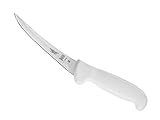
- TAR Score9.4
TAR Score is a ranking system developed by TopAppliancesReviews.com. TAR score has no relationship or impact from any manufacturers or sales agent websites. Learn more
- BrandMercer Culinary
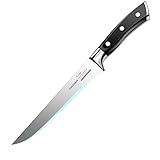
- TAR Score9.2
TAR Score is a ranking system developed by TopAppliancesReviews.com. TAR score has no relationship or impact from any manufacturers or sales agent websites. Learn more
- BrandOAKSWARE
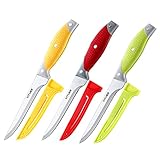
- TAR Score9.2
TAR Score is a ranking system developed by TopAppliancesReviews.com. TAR score has no relationship or impact from any manufacturers or sales agent websites. Learn more
- BrandVITUER
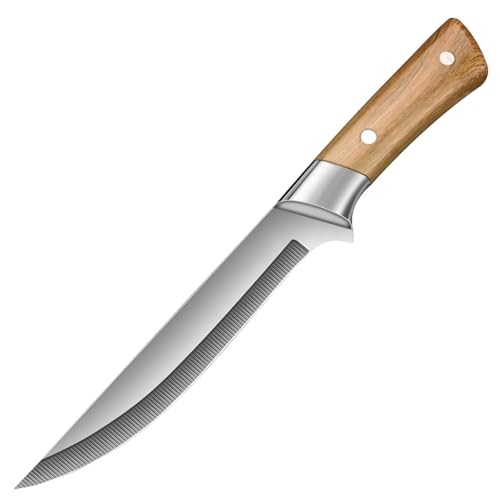
- TAR Score9.0
TAR Score is a ranking system developed by TopAppliancesReviews.com. TAR score has no relationship or impact from any manufacturers or sales agent websites. Learn more
- BrandUibkor

- TAR Score8.8
TAR Score is a ranking system developed by TopAppliancesReviews.com. TAR score has no relationship or impact from any manufacturers or sales agent websites. Learn more
- BrandRondauno

- TAR Score8.8
TAR Score is a ranking system developed by TopAppliancesReviews.com. TAR score has no relationship or impact from any manufacturers or sales agent websites. Learn more
- BrandLITTLE COOK SINCE 1995

- TAR Score8.4
TAR Score is a ranking system developed by TopAppliancesReviews.com. TAR score has no relationship or impact from any manufacturers or sales agent websites. Learn more
- BrandQEGNOBOK
Last update on 2026-03-21 / Affiliate links / Images, Product Titles, and Product Highlights from Amazon Product Advertising API
What Is a Boning Knife Used For
Precision can transform messy meat prep into a smooth, almost effortless experience. A slim blade, agile tip, and subtle flexibility work in tandem to slice cleanly around bones, trimming fat and silver skin without unnecessary waste. Home cooks and culinary enthusiasts alike notice the difference immediately when a boning knife enters the kitchen arsenal. It’s not flashy, but the efficiency it brings makes busy prep sessions feel organized and controlled.
Boning Knife Basics
A boning knife stands out because of its narrow, pointed blade. Unlike bulky chef knives, it slips between meat and bone with precision, reducing damage and saving cuts for later use. Its flexibility varies, allowing you to tackle different meats from tough beef ribs to delicate fish fillets without losing control or tearing the flesh. That adaptability makes it indispensable for any kitchen where accuracy matters.
The length typically ranges between five to seven inches, keeping it manageable in hand. Shorter blades excel in tight corners, like poultry joints, while slightly longer ones help with larger cuts like whole fish or pork loins. Ergonomics play a huge role, too. A comfortable handle prevents fatigue during repetitive trimming, which is critical for consistent results over extended prep times.
Control is everything in meat prep. A boning knife offers more than just a blade it provides a tactile connection to the task. The tip allows micro adjustments along curves of bones, while the thin profile avoids unnecessary contact with surrounding meat. That translates into cleaner cuts, less waste, and an overall neater presentation.
Every kitchen benefits from a dedicated blade for specific tasks. The boning knife fills gaps left by larger knives, tackling jobs that chef or utility knives struggle with. Its presence ensures that trimming, carving, and deboning feel smoother, less intimidating, and professionally handled.
Why Precision Matters
Precision isn’t just a fancy word; it directly impacts taste, texture, and presentation. A sloppy cut leaves jagged edges that cook unevenly, whereas a clean cut ensures meat cooks uniformly. Using a boning knife preserves the integrity of the protein while highlighting its natural structure. Even subtle differences in trimming can elevate the final dish remarkably.
Consider fish fillets. A flexible boning knife navigates delicate bones without tearing the flesh. That means less waste, more edible portions, and an aesthetically pleasing presentation on the plate. Small efficiencies accumulate into substantial improvements, both in cost savings and culinary results.
Meat like beef or lamb benefits as well. Accurate trimming removes unwanted fat and silver skin while maintaining essential marbling. That balance enhances flavor and tenderness, giving home-cooked meals that fine-dining edge. The knife becomes less about chopping and more about sculpting, which is where its true power lies.
Consistency is another critical factor. Daily cooks quickly recognize the frustration of uneven cuts. The boning knife solves that by offering a reliable tool that responds predictably to movement. Every slice achieves a standard, reducing guesswork and enhancing confidence in handling protein.
Trimming and Deboning Chicken
Chicken preparation often frustrates home cooks due to bones hiding in awkward places. The boning knife excels here, letting you separate meat cleanly from ribs, thighs, and wings. Its sharp point pierces joints while the thin blade glides around bone contours, producing cuts that look professional and cook evenly.
Removing skin and excess fat is simpler, too. The knife’s agility allows subtle adjustments, keeping the edible portion intact. Less tearing means fewer scraps tossed away, which is both economical and efficient. This precision makes a visible difference, especially in recipes requiring uniform slices.
Chicken breasts, often tricky with hidden tendons, become easier to handle. The blade follows natural muscle separations, reducing manual labor and minimizing frustration. For anyone cooking weekly or preparing multiple portions, the boning knife saves significant time while improving quality.
Home chefs appreciate the confidence boost. A tool that performs reliably reduces anxiety in handling raw meat. The boning knife becomes an extension of the hand rather than a foreign object in the workflow, making chicken prep a cleaner, more satisfying task.
Fish Fillet Techniques
Filleting fish demands delicate movement. A rigid or oversized knife can easily shred tender flesh, while a boning knife with flexibility follows natural contours. The blade slips along the backbone and around rib bones, producing clean, intact fillets ready for cooking or presentation.
Scales and thin bones pose additional challenges. With a boning knife, those obstacles become manageable. The pointed tip allows precise contact, while subtle wrist adjustments guide the blade without damaging the delicate tissue. This accuracy ensures that both texture and flavor remain uncompromised.
Even larger fish benefit from a controlled approach. The blade’s length and flexibility handle mid-sized species efficiently, balancing reach and precision. Professional chefs often cite this tool as indispensable in fish stations because it combines accuracy with speed, enhancing output without sacrificing quality.
Repeated practice with a boning knife hones skill, allowing faster processing and minimal waste. This efficiency improves both the cooking experience and the end result, ensuring that fish fillets maintain their integrity from prep to plate.
Beef and Pork Trimming
Red meats often present more dense structures than poultry or fish. A boning knife navigates these with a combination of sharpness and flexibility. Removing silver skin or isolating specific muscles becomes more controlled and predictable. That control translates to evenly cooked steaks, roasts, or medallions.
Fat trimming, another critical step, benefits from precision. Over-trimming reduces flavor, while under-trimming leaves chewy, unappealing pieces. The boning knife finds the middle ground efficiently, helping maintain optimal taste and texture without excessive waste.
Bone-in cuts, like ribs or pork loins, often intimidate home cooks. The thin blade of the boning knife slides along the bone, minimizing effort and preserving surrounding meat. This approach transforms a challenging task into a manageable, even enjoyable, activity.
Accuracy also supports presentation. Uniform cuts are visually appealing and cook evenly. For home chefs sharing meals with friends or family, this attention to detail enhances the dining experience, giving confidence in both taste and appearance.
Cleaning and Safety Tips
Working with a sharp boning knife demands attention to technique. Proper grip, consistent slicing angles, and stable cutting surfaces reduce accidents while improving outcomes. A stable surface prevents slips, while wrist control guides the blade along natural contours.
Cleaning the knife correctly preserves performance. Hand washing, drying immediately, and storing properly prevent corrosion and dulling. Maintaining edge integrity ensures that the knife retains its sharpness and precision over time, making every cut efficient.
Personal safety is enhanced by using the right knife for the job. Replacing a dull or inappropriate knife with a sharp boning knife reduces force needed to cut, which decreases the risk of injury. Control, combined with a well-maintained blade, produces a safer prep environment.
Regular inspection of the handle and blade is recommended. Cracks or loose fittings compromise grip and precision. The boning knife performs best when the entire tool functions seamlessly, allowing the cook to focus on technique rather than equipment flaws.
Choosing the Right Blade
Not all boning knives are created equal. Blade flexibility varies, and selecting the right degree ensures compatibility with intended tasks. Fish require more pliable blades, whereas beef and pork benefit from slightly stiffer designs. Matching blade characteristics to the protein type enhances efficiency and results.
Handle ergonomics also play a pivotal role. Comfort supports control, reduces fatigue, and improves consistency. Non-slip materials and balanced weight distribution allow longer prep sessions without compromising accuracy. This consideration often separates novice users from those achieving professional-like results.
Material composition impacts durability. High-carbon stainless steel resists corrosion while maintaining sharpness. A well-crafted boning knife combines strength and flexibility, allowing repeated use without compromise. Investing in quality pays dividends in both performance and longevity.
Occasionally, specialized blades, such as curved or offset designs, suit particular cuts. Identifying the exact need ensures that the knife becomes a precision tool rather than a general-purpose instrument. Proper selection amplifies the benefits of using a boning knife in any culinary setting.
Advanced Boning Knife Techniques
Once the basics are mastered, moving into more advanced boning knife techniques can dramatically improve kitchen efficiency. Precision cuts, especially on tougher meats like lamb or pork shoulder, demand control and awareness of bone placement. The right angle and gentle pressure minimize tearing while maximizing yield. Experienced cooks notice how a flexible, sharp blade turns seemingly complex cuts into routine tasks, saving both time and frustration.
Butterflying Meats
Butterflying thicker cuts, such as chicken breasts or pork loin, becomes far simpler with a boning knife. The thin blade allows you to slice almost entirely through the meat while leaving a hinge intact. This technique results in even thickness, which promotes uniform cooking and enhances the texture of the final dish. Those small adjustments can make grilled or pan-seared meats cook consistently, avoiding dry or underdone spots.
Controlling the knife’s angle is essential. A subtle tilt guides the blade along connective tissue without tearing muscle fibers. Using a boning knife designed for flexibility ensures that the blade hugs curves and reduces the risk of accidental cuts. The difference between a clean butterfly cut and a ragged one often comes down to the choice of knife and how you handle it.
Layering flavors becomes easier once cuts are uniform. Stuffed or rolled meats maintain their structure, allowing even seasoning and fillings to remain in place during cooking. A boning knife ensures these preparations stay neat, improving both presentation and taste.
Regular practice with different thicknesses builds confidence. Even novice cooks quickly appreciate how a boning knife can convert intimidating cuts into manageable tasks. The resulting efficiency translates into faster meal prep and consistent results every time.
Breaking Down Poultry
Poultry often frustrates home chefs due to hidden joints and small bones. A boning knife is ideal for navigating these tricky areas with control and precision. The pointed tip slips into joints to separate meat cleanly, while the thin blade glides along bones, leaving minimal scraps. This approach reduces waste while producing professional-looking cuts.
Deboning chicken wings or thighs is less tedious when using the proper knife. Its flexibility allows the blade to bend slightly, following the natural curvature of bones. This results in smooth cuts without shredding surrounding flesh, making preparation faster and more efficient.
Even complex preparations, like spatchcocking whole birds, benefit from a boning knife. The blade’s control allows for splitting the backbone without excessive force, ensuring the meat remains intact. Culinary enthusiasts often remark that this single tool dramatically improves both speed and quality in poultry prep.
For home cooks interested in precision and presentation, the right knife transforms challenging cuts into predictable, repeatable outcomes. Maintaining sharpness and proper grip is essential to preserve these benefits.
Handling Specialty Meats
Specialty meats, such as game birds, veal, or lamb, often require careful trimming to retain flavor and tenderness. A boning knife allows subtle, precise cuts that protect delicate muscle fibers. This control ensures that expensive or lean cuts don’t dry out during cooking. The flexibility of the blade enhances performance across varying textures, from firm venison to tender quail.
Fat and connective tissue trimming is more precise with a dedicated blade. Removing only excess while preserving desirable marbling improves both taste and presentation. Experienced cooks note that a sharp boning knife reduces effort significantly while producing more consistent results compared to a general-purpose knife.
For recipes requiring thin slices, such as carpaccio or roulades, the blade’s narrow design allows you to follow natural contours. This prevents shredding and maintains structural integrity. Small adjustments in technique and knife angle amplify the advantages of a high-quality boning knife.
Investing in quality tools for specialty meats is worthwhile. It reduces stress during preparation, minimizes waste, and enhances the culinary outcome, allowing even home kitchens to replicate professional results.
Maintaining Knife Sharpness
Keeping a boning knife sharp is crucial for both performance and safety. Dull blades require more force, increasing the risk of slips and uneven cuts. Using a honing steel regularly maintains the edge, while periodic professional sharpening ensures long-term effectiveness. Attention to maintenance maximizes the knife’s precision, especially when handling delicate or intricate cuts.
Storage matters too. Properly designed knife blocks or protective sheaths prevent accidental dulling. Avoid tossing the knife into drawers with other utensils, which can damage the edge and reduce control. A well-maintained boning knife remains predictable and responsive.
Hand washing and thorough drying prevent corrosion, particularly in high-carbon steel blades. Keeping the knife dry preserves both sharpness and flexibility, ensuring consistent results over time. The small effort invested in care pays off in reliable kitchen performance.
Safety and efficiency go hand-in-hand. A sharp boning knife allows precise cuts with minimal force, reducing strain on the hand and wrist while improving food quality and presentation.
Juicing and Specialty Prep
Occasionally, culinary tasks extend beyond meat preparation. Tools like a boning knife can assist in removing pits or segmenting fruits for intricate presentations. For example, when working with cherries, precise cuts reduce waste and maintain the fruit’s structure, perfect for recipes requiring neat, uniform pieces. Check out creative tips on can you juice cherries to enhance prep efficiency.
Layering fruits into savory dishes or garnishes benefits from controlled slicing. The knife’s sharp point allows access into tight spaces, ensuring minimal crushing and maximum visual appeal. These applications showcase the blade’s versatility beyond traditional meat tasks.
Even dessert preparations gain from accurate slicing. Tarts, fruit kebabs, and plated presentations look cleaner and more refined when ingredients are uniformly cut. A boning knife offers that level of control.
Expanding knife usage into diverse culinary tasks increases its value, demonstrating that precision and flexibility remain key factors in a range of kitchen scenarios.
Selecting Complementary Tools
While the boning knife excels at detailed trimming, pairing it with other kitchen essentials enhances overall efficiency. A high-quality carving knife streamlines slicing larger roasts, while a durable knife block keeps all tools accessible and organized. Consider a set like best kitchen knife set with block for a comprehensive lineup.
Immersion blenders also complement meat prep when integrating sauces or purees. Smooth, even textures in accompaniments require precision tools, highlighting the importance of using the right equipment together. Explore options such as best cuisinart immersion blender to improve consistency and speed.
Specialty knives like carving or fillet knives fill niche tasks, but the boning knife remains the backbone of precise cuts. Maintaining a balanced set ensures that each blade performs optimally without compromise.
Investing in quality complementary tools improves workflow, reduces effort, and enhances culinary results. The combination of sharp, specialized blades and reliable accessories forms the foundation of efficient kitchen practice.
Enhancing Home Culinary Skills
Mastery of a boning knife translates into more confident and efficient home cooking. Accurate cuts reduce frustration and elevate the appearance and taste of meals. Regular practice improves hand-eye coordination, wrist control, and speed, benefiting a wide range of culinary projects.
Recipes that once seemed intimidating, such as whole fish or intricate poultry preparations, become manageable. Precision cuts ensure even cooking and proper seasoning distribution, enhancing flavor and texture. Home chefs notice the difference immediately in both outcome and workflow.
Continued use also cultivates a deeper appreciation for ingredient quality. Handling cuts carefully reveals textures, grain direction, and marbling, informing better cooking decisions. The boning knife thus becomes more than a tool it shapes technique and improves results consistently.
Overall, integrating a boning knife into your kitchen encourages skill development and culinary creativity. Its role in achieving precise cuts, reducing waste, and enhancing presentation makes it an indispensable asset for serious home cooks.


Top Rated Best Quality Range Hoods: 2026 Expert Picks

The 12 Best Small Solar Generators 2026

10 Best Quality Semi Automatic Washing Machine of 2026 For Leak-Free Laundry

11 Best Small Washer Machine of 2026 For Everyday Laundry

12 Best Vibration Pads For Washing Machine of 2026 To Stop Walking and Shaking

11 Best Selling Front Load Washing Machine of 2026 For Quiet Odor-Free Laundry

11 Best Washing Machine For King Size Bedding of 2026 To Prevent Cycle Errors

10 Best Small Front Loader Washing Machine of 2026 For Tight Closets






