
What Is a Bench Knife and Why Bakers Love It

What is a bench knife? The name sounds a little dramatic, yet this small kitchen tool quietly earns its keep on countless countertops. A bench knife often called a dough scraper features a flat, rectangular blade paired with a comfortable handle. That’s it. No fancy mechanics. No complicated parts. Still, once it lands on the work surface, it quickly becomes one of those tools people reach for again and again.
A typical bench knife shines brightest while handling dough. Bakers rely on it to divide sticky dough into portions without tearing or stretching it awkwardly. One quick press and the dough separates cleanly. That simple motion keeps shapes neat, which matters a lot when preparing loaves, rolls, or pizza dough. Messy dough stops feeling like a wrestling match.
The tool also doubles as a clever cleanup helper. Sticky flour, scraps of dough, and stray bits of ingredients often cling to the work surface. Sliding the edge of a dough scraper across the countertop lifts everything in one quick sweep. Suddenly the counter looks tidy again, and the prep process keeps moving instead of stalling for cleanup.
Home kitchens love versatility, and that’s exactly where the bench knife shows off. Chopped vegetables can be scooped up easily with its wide blade. Garlic, herbs, or diced onions move from cutting board to pan in one smooth motion. Instead of juggling ingredients with a knife edge or bare hands, the scraper acts like a tiny shovel.
Durability adds another reason people keep this tool close by. Most bench knives use stainless steel blades that resist rust and hold their shape through constant scraping. A sturdy handle keeps the grip comfortable even when dough sticks everywhere. That simple construction means the tool survives years of use without fuss.
Curious cooks sometimes overlook this humble gadget, assuming it’s just another niche baking accessory. Then it lands in the kitchen drawer, and suddenly the workflow feels smoother. Dough portions look cleaner. Counters stay tidy. Ingredients move faster. Small tool, big impact that’s the quiet magic behind understanding what is a bench knife.
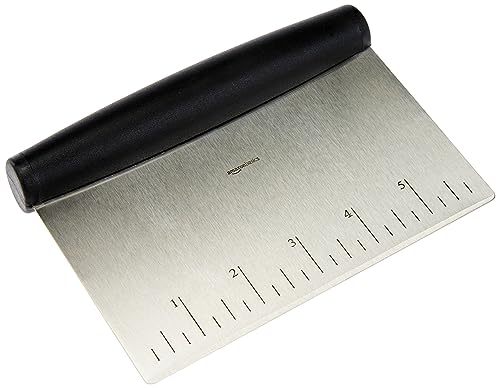
- TAR Score9.6
TAR Score is a ranking system developed by TopAppliancesReviews.com. TAR score has no relationship or impact from any manufacturers or sales agent websites. Learn more
- BrandAmazon Basics

- TAR Score9.6
TAR Score is a ranking system developed by TopAppliancesReviews.com. TAR score has no relationship or impact from any manufacturers or sales agent websites. Learn more
- BrandOXO

Pro Dough Pastry Scraper/Cutter/Chopper Stainless Steel Mirror Polished with Measuring
View on Amazon- TAR Score9.6
TAR Score is a ranking system developed by TopAppliancesReviews.com. TAR score has no relationship or impact from any manufacturers or sales agent websites. Learn more
- BrandMS WGO

- TAR Score9.6
TAR Score is a ranking system developed by TopAppliancesReviews.com. TAR score has no relationship or impact from any manufacturers or sales agent websites. Learn more
- BrandBoorika

- TAR Score9.6
TAR Score is a ranking system developed by TopAppliancesReviews.com. TAR score has no relationship or impact from any manufacturers or sales agent websites. Learn more
- BrandBrod & Taylor
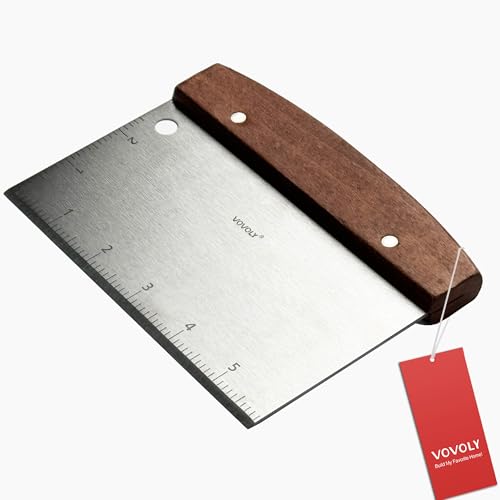
- TAR Score9.4
TAR Score is a ranking system developed by TopAppliancesReviews.com. TAR score has no relationship or impact from any manufacturers or sales agent websites. Learn more
- BrandVovoly

- TAR Score9.4
TAR Score is a ranking system developed by TopAppliancesReviews.com. TAR score has no relationship or impact from any manufacturers or sales agent websites. Learn more
- BrandEcavria

- TAR Score9.4
TAR Score is a ranking system developed by TopAppliancesReviews.com. TAR score has no relationship or impact from any manufacturers or sales agent websites. Learn more
- BrandLamson

- TAR Score9.4
TAR Score is a ranking system developed by TopAppliancesReviews.com. TAR score has no relationship or impact from any manufacturers or sales agent websites. Learn more
- BrandWinco

- TAR Score8.2
TAR Score is a ranking system developed by TopAppliancesReviews.com. TAR score has no relationship or impact from any manufacturers or sales agent websites. Learn more
- BrandNordic Ware
Last update on 2026-03-21 / Affiliate links / Images, Product Titles, and Product Highlights from Amazon Product Advertising API
What Is A Bench Knife
A sticky lump of dough on the counter can turn a calm baking session into a mini wrestling match. Fingers get coated in flour, dough stretches in odd directions, and suddenly the workspace looks like a snowstorm hit it. Right in the middle of that chaos, a small tool quietly fixes the whole situation. That’s where what is a bench knife starts to make sense, because this simple rectangular blade changes how dough, ingredients, and even kitchen cleanup behave.
A bench knife, often called a dough scraper, is a flat metal blade with a handle designed for cutting, lifting, and scraping ingredients from a work surface. Bakers rely on it to portion dough, gather sticky scraps, and keep the counter tidy during prep. Its straight edge delivers clean cuts and precise dough division, something regular knives struggle to achieve. That tiny difference turns messy prep into a smoother routine.
Kitchen routines get easier once this tool enters the scene. The blade slides under sticky dough without tearing it, and the wide surface scoops chopped ingredients with surprising efficiency. A simple motion handles jobs that once required multiple tools. Many cooks quickly realize the bench knife saves time, reduces mess, and keeps prep organized.
Plenty of kitchen tools promise convenience, yet few match the practicality of this humble scraper. A sturdy steel blade, comfortable handle, and straight cutting edge create a tool that feels almost instinctive to use. That’s why conversations around what is a bench knife often end with the same reaction: once people try it, they rarely bake without it again.
Why Bakers Swear By Bench Knives
Dough preparation can test patience fast. Sticky texture clings to hands, and tearing dough ruins its shape before it even reaches the oven. A bench knife solves that problem with a single motion. The straight blade slices through dough cleanly, protecting the structure needed for fluffy bread and evenly shaped rolls.
Bakeries rely on this tool because it brings speed and consistency to dough work. One quick press divides dough portions without stretching or pulling the gluten structure. That means every piece weighs and shapes the same, which leads to evenly baked results. Small improvements like that make a noticeable difference across dozens of loaves.
Home baking also becomes far less frustrating with a dough scraper nearby. Instead of tugging sticky dough apart with flour‑coated fingers, the blade handles the job in seconds. The clean edge keeps the work surface neat while guiding dough into tidy shapes. That little shift helps bakers stay focused on technique rather than cleanup.
Comfort plays a big role too. Many bench knives feature curved handles or soft grips that reduce strain during repetitive use. A comfortable hold combined with a sturdy blade creates a tool that feels natural in the hand. Bakers appreciate that reliable control and durability, especially during long baking sessions.
Bench Knife Design And Key Features
A typical bench knife looks simple at first glance, yet every part serves a purpose. The blade usually measures about six inches wide, offering plenty of surface for cutting and lifting ingredients. Stainless steel remains the most common material because it delivers strength, rust resistance, and long‑term durability. That toughness keeps the blade straight and effective after years of scraping.
The handle also deserves attention. A solid grip helps maintain control while slicing dough or scraping flour from the counter. Many modern designs include rubberized handles that prevent slipping. That small upgrade improves precision and safety during fast kitchen prep.
Measurement markings appear on some models as well. Those etched lines help bakers divide dough evenly without grabbing a separate ruler. The feature turns a simple scraper into a multi‑purpose baking tool. Efficiency improves because everything happens right on the work surface.
Edges vary slightly between models. Some feature sharp cutting edges, while others remain blunt for scraping and lifting tasks. Both styles handle dough effectively, though sharper versions work better for portioning dense mixtures. Choosing the right design depends on whether cutting, scraping, or ingredient transfer matters most in the kitchen routine.
Practical Uses Beyond Dough
A bench knife might carry a baking label, but the tool performs far more tasks than dividing dough. Chopped vegetables scatter across the cutting board all the time. Instead of awkwardly scooping them with a knife blade, the wide scraper lifts everything in one motion. That simple trick keeps ingredients moving quickly toward the pan.
Garlic, herbs, onions, and diced peppers all transfer smoothly with this flat blade. The tool acts almost like a miniature shovel for the kitchen. Less fumbling means faster prep and fewer ingredients falling onto the floor. That efficiency highlights one of the biggest advantages of what is a bench knife: versatility.
Cleaning the work surface also becomes effortless. Flour, crumbs, and sticky dough remnants often cling stubbornly to countertops. A quick swipe with a dough scraper gathers everything into a neat pile. That motion protects surfaces while restoring order to the prep area.
Even pastry work benefits from this small tool. Bakers fold delicate dough, shape pastries, and guide sticky mixtures without damaging them. The straight edge acts like a gentle extension of the hand. Many cooks grow attached to the bench knife’s ability to simplify multiple kitchen tasks.
How Bench Knives Improve Kitchen Efficiency
Time slips away quickly during meal preparation. Chopping vegetables, portioning dough, and cleaning the counter all compete for attention. A bench knife reduces that juggling act by handling several jobs at once. The result feels like gaining an extra set of hands in the kitchen.
Professional kitchens value tools that streamline workflow. A single scraper can divide dough, scoop ingredients, and tidy the work surface within seconds. That multitasking ability delivers faster prep and smoother cooking routines. Less clutter means fewer interruptions during busy meal prep.
Efficiency also improves because the blade keeps ingredients organized. Instead of pushing chopped items around with a knife edge, cooks gather them neatly in one sweep. The scraper slides under food without crushing it. That gentle handling preserves texture and flavor.
Many cooks eventually treat the dough scraper as an everyday essential rather than a niche baking gadget. It simplifies prep work, reduces cleanup time, and helps maintain a tidy counter. A tool that solves several small problems often becomes one of the most valuable pieces in the kitchen.
Common Bench Knife Materials And Durability
Material choice shapes the long‑term performance of a bench knife. Stainless steel remains the most popular option because it resists rust and keeps its edge through constant scraping. The blade stays rigid even under pressure, which helps deliver precise dough cuts and reliable ingredient handling. That strength explains why professional kitchens lean heavily on steel models.
Plastic bench scrapers appear frequently in baking sets as well. These flexible tools work well for scraping bowls or lifting delicate dough. They lack the cutting power of metal blades, yet they provide gentle handling for soft pastry mixtures. Many bakers keep both versions nearby for different tasks.
Handle materials also influence comfort and durability. Wood handles offer a classic feel and solid grip, though they require occasional care to prevent cracking. Rubberized handles provide excellent traction even with flour‑coated hands. That added control creates safer handling and steadier cutting.
Durability ultimately depends on construction quality. A thick blade paired with a strong handle connection keeps the tool sturdy for years. Cheap versions may bend or loosen over time. Investing in a well‑built scraper ensures the bench knife remains dependable during daily kitchen use.
Advanced Techniques For Bench Knife Use
Many bakers treat the bench knife as a simple scraper, but its potential extends far beyond dividing dough. Skilled cooks employ it to fold layers of pastry, handle sticky batters, and guide ingredients with precision. The straight edge allows clean, consistent motions that reduce waste and maintain dough integrity.
For instance, rolling out croissant dough can get messy when trying to lift layers without tearing. Sliding a bench knife beneath the dough lets you adjust folds with minimal handling. That attention to detail ensures flaky, uniform pastries that bake evenly and look professional.
Even when preparing mixtures that aren’t strictly dough, the scraper proves its versatility. Chopped vegetables, herbs, and even small fruit pieces move across the cutting board with ease. To speed up prep, try pairing a bench knife with other tools like spatulas to gather ingredients efficiently, making every kitchen task smoother.
The tool also excels in handling high-volume prep. In busy kitchens, bakers can portion dozens of dough balls quickly. Clean edges prevent sticking, while the wide blade allows one motion to lift multiple items at once. That’s why precision, speed, and control are often cited as the main advantages of this essential tool.
Bench Knife Care And Maintenance
Keeping a bench knife in top shape is surprisingly simple but critical for longevity. Stainless steel blades should be washed promptly to avoid residue buildup and maintain sharpness and hygiene. Rubber or wooden handles need occasional care to preserve grip and prevent cracking.
Many bakers find that storing the scraper separately from heavy kitchen tools prevents accidental bending or edge dulling. A small dedicated drawer or knife block ensures the blade stays straight and the handle remains intact. That small precaution guarantees the tool performs reliably for years.
Regular cleaning also reduces cross-contamination risks, especially when moving ingredients like raw dough or meat. Simply wiping or washing immediately after use preserves durability and safety. Maintaining a clean blade supports both hygiene and effective scraping.
Sharpening is rarely necessary for dough scrapers, but metal versions can benefit from occasional honing to restore a precise edge. Keeping the blade straight ensures even cuts and controlled handling each time it’s used. Proper maintenance transforms a basic scraper into a long-lasting kitchen companion.
Creative Uses Beyond Traditional Baking
The bench knife finds unexpected applications outside classic dough prep. Smoothly transferring chopped fruit or small items into bowls minimizes mess, preserving clean counters and efficient workflow. For instance, after preparing fresh lychee, you can handle fruit pieces without crushing them using a scraper.
Fun beverage prep also benefits. Imagine preparing lychee juice with chunks of fruit. A quick swipe of the blade gathers fruit scraps efficiently, saving time and preventing spills. That method helps keep tasks organized, especially when multitasking in the kitchen. Consider exploring how to make lychee juice techniques to pair with your scraper.
Chefs also use the scraper for non-food tasks like leveling dry ingredients or smoothing frosting. The wide, flat edge is perfect for spreading and shaping without tearing delicate layers. That versatility makes the bench knife a surprisingly handy all-purpose tool.
Even in unconventional kitchens, such as home setups for DIY baking, the scraper aids in consistent portioning and cleanup. Bakers often report faster prep times and reduced frustration, highlighting efficiency, accuracy, and mess reduction as key benefits.
Comparing Bench Knife Styles
Not all bench knives are created equal. Some feature thinner, flexible blades for gentle scraping, while others offer thicker, sharper edges designed for heavy-duty cutting. Choosing the right style affects performance, especially with sticky or dense dough.
Metal versions excel at precision and durability, allowing clean cuts without bending. Plastic scrapers provide a softer touch for delicate batters or folding tasks. Some bakers keep both types handy, switching depending on the recipe and task at hand.
Handles also vary, from wood to rubberized grips. Comfort, traction, and control are critical factors when slicing dough repeatedly. A comfortable handle reduces fatigue and ensures steady, controlled motions during extended prep sessions.
Ultimately, the style choice reflects both personal preference and kitchen needs. A well-matched bench knife improves workflow, protects ingredients, and maintains consistent results across different recipes.
Bench Knife In Professional Kitchens
Professional bakers value tools that combine efficiency with consistency, and the bench knife delivers both. In busy bakery lines, scraping, portioning, and ingredient transfer occur constantly. A reliable scraper reduces prep time and maintains uniformity in dough sizes, which impacts baking outcomes.
Large-scale operations often rely on multiple scrapers, each dedicated to different tasks one for dough, another for pastry, and another for cleanup. This separation ensures hygiene, protects the blade, and streamlines workflow. Organization and speed are the main drivers here.
Additionally, the scraper’s versatility allows chefs to adapt quickly. Switching from shaping croissants to transferring chopped vegetables happens without changing tools. That flexibility enhances efficiency, control, and kitchen agility, crucial in high-pressure environments.
For home bakers aiming to replicate professional methods, choosing a well-built bench knife bridges the gap between casual and advanced techniques. Durable materials and ergonomic design mirror professional standards, elevating both results and experience.
Enhancing Your Home Baking Setup
Adding a bench knife to your home kitchen complements other essential tools. Pair it with a reliable knife set for cutting and chopping, like a best knife set for home cook, to cover prep tasks efficiently. This combination streamlines workflow and maintains ingredient integrity.
Incorporating a dough scraper helps control sticky messes, reduces cleanup time, and improves consistency in portioning. Its multifunctional design makes it ideal for small kitchens where countertop space is limited. That added utility is often overlooked until the first baking session demonstrates the difference.
Consider integrating other complementary tools, like an immersion blender for batter or milkshakes, to round out the kitchen setup. A best immersion blender for milkshakes works well alongside a bench knife when preparing batters or smoothies efficiently. Together, these tools create a smoother, more controlled prep environment.
Ultimately, the bench knife elevates home baking by combining practicality, versatility, and reliability. From precise dough division to effortless ingredient transfer, it addresses common kitchen frustrations and enhances overall efficiency.
Choosing The Right Bench Knife
Selecting the right bench knife depends on material, blade size, and handle comfort. Stainless steel blades offer durability and precise cutting, while plastic versions provide gentle handling for delicate mixtures. Matching the tool to your typical tasks maximizes its benefits.
Handle ergonomics influence long-term usability. A well-designed grip ensures steady control, especially during repetitive prep work. That small factor directly impacts accuracy and comfort during extended baking sessions.
Blade width matters too. Wider blades are better for scooping ingredients and scraping surfaces, while narrower blades excel at dividing dough into precise portions. Choosing the appropriate width improves efficiency and versatility in the kitchen.
Considering these factors ensures that the bench knife not only fits your kitchen setup but also enhances every step of prep, from dough handling to cleanup.
Maximizing Bench Knife Versatility
Once you master basic usage, the bench knife becomes a tool for creativity. Use it to fold delicate layers, transfer chopped ingredients, or even shape chocolate or pastry decorations. Its straight edge provides precision, control, and consistency that enhances presentation and workflow.
Experimenting with different materials and blade thicknesses also extends versatility. A flexible plastic scraper handles delicate mixtures, while a rigid metal version cuts through dense dough effortlessly. Having both on hand broadens the range of tasks achievable with minimal fuss.
In beverage prep or fruit handling, the scraper moves ingredients efficiently into containers without crushing or spilling. For example, gathering lychee fruit pieces for juice becomes simpler and cleaner, reducing waste and saving prep time. Learn more about best burr coffee grinder under 100 for paired kitchen efficiency tips.
Ultimately, the bench knife transforms from a basic tool into a versatile asset, providing control, speed, and precision across numerous kitchen tasks, enhancing both baking and general cooking experiences.


Top Rated Best Quality Range Hoods: 2026 Expert Picks

The 12 Best Small Solar Generators 2026

10 Best Quality Semi Automatic Washing Machine of 2026 For Leak-Free Laundry

11 Best Small Washer Machine of 2026 For Everyday Laundry

12 Best Vibration Pads For Washing Machine of 2026 To Stop Walking and Shaking

11 Best Selling Front Load Washing Machine of 2026 For Quiet Odor-Free Laundry

11 Best Washing Machine For King Size Bedding of 2026 To Prevent Cycle Errors

10 Best Small Front Loader Washing Machine of 2026 For Tight Closets






