
What Brand Is Good for a Washing Machine in 2026?

The best washer makers prioritize easy repairs. A truly dependable machine cleans clothes well without packing the cabinet full of delicate computer chips that fail after a few years. What you want is simple mechanical reliability and accessible replacement parts, so a worn valve or loose belt does not turn into an expensive replacement.
Living situations shift this balance quickly. A busy household washing bulky bedding every day needs a heavy-duty tub built for constant loads, while a small apartment might require a compact machine that hooks right up to a kitchen faucet instead of standard wall plumbing. How easily a local technician can service the unit also matters, because even sturdy hardware eventually needs routine maintenance. Here is how to weigh those trade-offs so your next appliance lasts for the long haul.
LG and Whirlpool lead daily family laundry reliability
Choosing a dependable washer brand comes down to balancing how well the machine cleans with how long its mechanical parts survive daily use. If your household runs four or five loads every week, you need an appliance that can take a beating without burning through electronic control boards or snapping drive belts. In standard American homes, LG and Whirlpool stand out as the two most reliable mainstream brands, but they serve very different laundry habits.
LG has built its reputation on front-loading washers and high-efficiency top loaders powered by direct-drive motors. A direct-drive setup attaches the motor straight to the clothes tub without using rubber belts or pulleys. This design removes parts that stretch, slip, or snap over time, which cuts down on mechanical breakdowns. LG machines also lead the pack in energy efficiency and water savings, making them ideal for homes that wash large amounts of mixed fabrics, school clothes, and bedding. Many models feature balanced spin cycles that adjust to load weight, preventing severe vibrations on upper floors.
Whirlpool takes a more traditional approach, especially with top-loading machines. While Whirlpool appliances may look less futuristic than their competitors, their mechanical layout is time-tested and straightforward. Whirlpool uses heavy-duty steel frames, accessible water pumps, and dependable suspension springs. If something does wear out after five or six years, almost every independent repair technician in the country knows how to fix a Whirlpool within an hour. They are the practical choice for busy families who want clean clothes without navigating complicated touchscreens or Wi-Fi menus.
Beyond these two giants, Speed Queen represents the gold standard for pure mechanical longevity. Speed Queen builds commercial-grade machines wrapped in residential cabinets. They use commercial metal gears, all-metal pulleys, and full stainless steel wash tubs instead of plastic. A Speed Queen will easily outlast standard household washers, often running for fifteen to twenty years without a hiccup. The trade-off is an old-school design, smaller wash capacity, higher water use, and a much higher upfront purchase price. For shoppers on a strict budget, brands like Amana and entry-level GE offer affordable entry points, but you can expect thinner cabinet steel, louder spin cycles, and a shorter overall operating lifespan.
Top loaders favor Whirlpool while front loaders favor LG
The debate between top-load and front-load washers is not just about where the door sits. The two designs clean clothes using completely different mechanical actions, and certain manufacturers make far better versions of one style than the other.
Top-loading machines submerge your laundry in water inside a vertical wash basket. Here, you must choose between two distinct washing mechanisms:
- Agitator models: These machines use a center agitator post that twists clothes through the water. Whirlpool is the undisputed leader in traditional agitator design. The post forces fabric down to the bottom of the tub and rolls it back up to the top. This vigorous motion washes away heavy field dirt, grease, and thick mud better than almost any gentle cycle. For households dealing with athletic gear or work uniforms, choosing a model with a dedicated soak cycle for heavy stains gives the agitator a head start on ground-in grime.
- Impeller models: These machines replace the tall post with a flat bottom wash plate (impeller) that moves laundry using water currents. The wash plate leaves the center of the tub open, giving you room for bulky king-size comforters and heavy blankets. Whirlpool and LG both build capable impeller washers, though you must load garments evenly around the edge of the tub to avoid balance errors.
Top loaders carry an inherent mechanical advantage: gravity keeps the water safely inside the tub. The door sits on top, so the machine does not rely on a watertight rubber seal to prevent floods. If you prefer simple maintenance and never want to worry about musty odors, a Whirlpool agitator model is tough to beat.
Front-loading machines clean by lifting garments toward the top of the drum and dropping them down into a shallow pool of water. This tumbling action cleans deep into fabric weaves while using roughly half the water of an agitator washer. LG dominates the front-load category because its direct-drive motor handles the intense rotational force of high-speed spinning with minimal shaking. Front loaders spin much faster than top loaders, extracting far more moisture so your clothes spend half as much time in the dryer.
The challenge with front loaders is moisture control. The thick rubber door seal (gasket) that traps water inside can collect leftover moisture, pet hair, and detergent residue. Over time, that damp pocket breeds sour odors and black mildew. If you buy a front-loader, pick an LG machine and check out washers designed to prevent mold build-up to see how tub clean routines and magnetic door props keep the seal fresh. Always run low-suds HE (High Efficiency) detergent, and leave the door open between wash days to let the drum dry out completely.
Easy parts and local techs make repairs much cheaper
The true cost of a washing machine is not the price tag you see in the store. The real cost shows up in year four or five when a drain pump clogs, a water valve sticks open, or a drive belt wears thin. Before you pick a brand, you need to know whether local technicians can service it, and whether replacement parts are cheap and easy to ship.
Whirlpool and its sister brands, Maytag and Amana, hold a massive advantage in North America when it comes to service. Replacement parts sit on shelves in thousands of regional warehouses. If a water inlet valve fails on a Whirlpool top loader, a replacement part is inexpensive and readily available. Any local technician can source it overnight, or you can order the part yourself and install it using a standard screwdriver. The machines use straightforward wire harnesses and mechanical latches that do not require specialized factory software to diagnose.
LG has worked hard to close the parts gap and now stocks parts across major American distribution networks. However, LG machines rely heavily on digital inverter boards to control their motors. If an electrical surge damages a main computer board, the replacement board can cost significantly more than a mechanical switch. Sourcing that specific board may also take several days depending on where you live.
Samsung represents a real headache in the repair world. While Samsung makes popular, visually sleek appliances with vibrant screens, many independent repair companies refuse to service them. Their proprietary computer systems require brand-specific diagnostic tablets, and disassembly often requires removing dozens of hidden plastic clips. In rural areas or smaller towns, finding an authorized Samsung repair technician can take weeks, leaving your household without clean clothes.
To avoid getting stuck with an unfixable appliance, run through this quick service checklist before you swipe your card:
- Call an independent appliance repair shop in your town and ask which brand they see broken down the least and which brand they can get parts for the fastest.
- Ask the technician flat out if there are any specific brands they refuse to service.
- Check whether the manufacturer sells factory replacement parts directly to homeowners online, or if they restrict part sales to certified dealers only.
- Check the manufacturer warranty terms, looking specifically for extended coverage on the inner wash basket and drive motor.
Skip brands with moldy door seals and glued tubs
Modern washing machines contain several engineering shortcuts designed to lower manufacturing costs. These design choices do not show up on a showroom floor, but they can cut a machine's usable lifespan in half. Knowing what design flaws to avoid will save you hundreds of dollars in premature replacement costs.
The most expensive flaw found in modern budget washers is a glued outer tub. Every washer features a spinning inner stainless steel clothes tub resting inside a watertight outer plastic tub. In quality machines, that outer tub splits into two halves held together by metal bolts and a rubber gasket. If the central tub bearing wears out over time, causing a loud roaring sound like a jet engine during the spin cycle, a technician can unbolt the tub and press in a replacement bearing.
In cheaply built washers, manufacturers fuse the two halves of the outer tub together with heat and glue. When the bearing wears out on a glued tub, the bearing cannot be removed. You are forced to buy the entire outer tub assembly, inner drum, and bearing as a single unit, which often costs more than buying a brand-new washer. Avoid brands that use glued plastic tubs if you want a machine that can be economically repaired.
Another major warning sign is a front-load door gasket with poor drainage channels. Inspect the rubber door seal (gasket) that traps water inside the front glass door. High-quality designs feature large, open drain holes at the absolute bottom of the fold so water flows straight back into the pump. Poorly designed gaskets feature deep, narrow folds with small drainage pinholes that clog with lint after three loads. Standing dirty water sits in those folds, creating a permanent breeding ground for black mold that ruins white laundry.
You should also avoid washers that crowd complicated capacitive touchscreens directly above the tub opening. Every time you open a warm wash tub, a plume of humid steam escapes into the air. If the control board sits right above that opening without thick silicone potting protection, moisture works into the solder joints. Physical dials and tactile buttons sealed against moisture will always outlast bare glass touchpanels in a damp laundry room.
Finally, inspect the suspension system on budget top-loaders. Four steel rods with plastic dampening cups suspend the clothes tub inside the cabinet. Cheap brands use fragile plastic cups that crack after a couple of years of heavy loads. When those cups fail, the off-balance safety sensor that pauses spinning and beeps when bulky towels or blankets bunch up on one side will trip constantly, leaving you with soaking wet, unspun clothes.
Portable washers solve laundry when you lack hookups
Not every home has dedicated plumbing hookups or room for a 30-inch steel cabinet. Renters in older city apartments, college students in dorms, RV travelers, and tiny-home dwellers often lack standard hot and cold water shutoff valves and 240-volt dryer outlets. In these tight living quarters, a full-size Whirlpool or LG is simply not an option. Compact portable washing machines solve this problem by shrinking the laundry room down into a mobile appliance that connects to a kitchen or bathroom sink.
Portable washers plug directly into a standard 120-volt 3-prong grounded wall outlet, so you never need special electrical work. Instead of permanent copper plumbing, they draw water using a quick-connect sink adapter that clicks onto your kitchen or bathroom faucet. When laundry day is over, you unclick the hose, coil it up, and wheel the machine into a closet or pantry corner.
When shopping for a portable machine, you will encounter two main styles:
- Fully automatic compact washers: These function just like miniature full-size top loaders. They feature an automated wash, rinse, and spin sequence inside a single stainless steel clothes tub. You hook up the water hose, select a program like quick wash or heavy-duty, and let the machine run hands-free from start to finish.
- Twin-tub semi-automatic washers: These units feature two side-by-side chambers: the wash tub where clothes soak and agitate, and a separate spin basket that spins damp-dry. Twin-tub machines require you to manually lift the wet laundry from the wash side into the spinner. However, they cost significantly less, use very little water, and allow you to wash one load while spinning another at the same time.
Before you choose a compact washer, inspect your sink faucet carefully. Standard American threaded faucets accept quick-connect adapters easily. If your kitchen has a modern pull-out spray faucet or a square designer spout, a standard adapter will not latch on, and you will need to hook the washer up to an aerated bathroom sink or utility basin instead.
Next, check the machine's drainage design. Always look for a model with a built-in drain pump that pushes water up into a kitchen sink or standpipe. Inexpensive gravity-drain washers lack an internal pump, meaning their drain hose must lie completely flat along a floor drain for water to empty out. If you hang a gravity hose over the rim of an elevated kitchen sink, the tub will never drain, and your cycle will stall.
Finally, measure your floor space and storage closet. Always add 4 to 6 inches of rear clearance behind the washer to prevent the hot and cold water supply hoses from kinking against the wall. Check that the machine includes adjustable leveling legs to stop loud vibrations on slick tile floors, and stick strictly to low-suds HE (High Efficiency) detergent to prevent suds from spilling out of the cabinet onto your apartment floor.

- TAR Score9.4
TAR Score is a ranking system developed by TopAppliancesReviews.com. TAR score has no relationship or impact from any manufacturers or sales agent websites. Learn more
- BrandYMXA

- TAR Score8.9
TAR Score is a ranking system developed by TopAppliancesReviews.com. TAR score has no relationship or impact from any manufacturers or sales agent websites. Learn more
- BrandGIANTEX

- TAR Score7.9
TAR Score is a ranking system developed by TopAppliancesReviews.com. TAR score has no relationship or impact from any manufacturers or sales agent websites. Learn more
- BrandWinado

- TAR Score7.8
TAR Score is a ranking system developed by TopAppliancesReviews.com. TAR score has no relationship or impact from any manufacturers or sales agent websites. Learn more
- BrandROVSUN
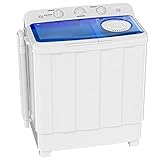
- TAR Score7.2
TAR Score is a ranking system developed by TopAppliancesReviews.com. TAR score has no relationship or impact from any manufacturers or sales agent websites. Learn more
- BrandAuertech
Last update on 2026-11-12 / Affiliate links / Images, Product Titles, and Product Highlights from Amazon Product Advertising API
Related guides: what brand is best for washing machine.


10 Best Washing Machine For King Size Comforter of 2026 For Bulky Bedding

11 Best Semi Automatic Washing Machine Under 10000 of 2026 For Apartments and RVs

9 Best Compact Refrigerator For Beer Bottles of 2026 For Upright Bottle Fit

10 Best Quality Semi Automatic Washing Machine of 2026 For Leak-Free Laundry

11 Best Small Washer Machine of 2026 For Everyday Laundry

12 Best Vibration Pads For Washing Machine of 2026 To Stop Walking and Shaking

11 Best Selling Front Load Washing Machine of 2026 For Quiet Odor-Free Laundry

11 Best Washing Machine For King Size Bedding of 2026 To Prevent Cycle Errors





