
Should You Buy a Washing Machine or Use the Laundromat?

Owning a washer saves time and money. Doing laundry at home saves substantial personal time and pays for itself if you run several loads each week. Dragging heavy hampers down the street eats up precious hours, while washing at home lets you cook, rest, or handle chores while clothes spin.
The right choice still depends on your living space. Apartments without standard plumbing hookups (the water valves and drain pipe built into the wall) require a unit that connects to a sink, which some rental leases forbid. Large winter comforters also challenge smaller home drums and still require occasional visits to commercial machines. Comparing your weekly laundry volume with your apartment rules shows exactly which option makes sense for your daily routine.
A home washer pays for itself after several months
Every trip to the coin laundry drains your wallet in ways that feel small until you add them up. A single wash cycle in a commercial machine typically costs between three and six dollars, depending on the tub size and water temperature you pick. Drying that load adds another two to four dollars in quarters or prepaid card credits. If you run three baskets of clothes every week, you easily spend fifteen to twenty-five dollars every single week just to feed the machines.
Those coin drops are only part of the bill. You also spend money on vehicle fuel or public transit to haul heavy canvas bags across town. Laundromat vending machines charge premium prices if you forget your detergent bottle at home, and grabbing a coffee or takeout meal while you wait adds another hidden expense to the outing. Over a full year, a typical one-person or two-person household spends between eight hundred and twelve hundred dollars simply keeping their wardrobe clean at a public facility.
Buying a washer flips those ongoing cash drains into a one-time purchase. A standard full-size washer or a portable apartment model costs an upfront lump sum, but running each load at home costs pennies. Your home utility bill will reflect the water and electric power, but modern machines use very little electricity per cycle. You supply your own low-suds HE (High Efficiency) detergent, which costs a fraction of single-serve vending boxes. For most renters and homeowners who wash two or more loads a week, the appliance pays for itself within six to twelve months of ownership.
If you plan to live in your current home for at least a year, buying an appliance almost always wins the money battle. If you move every few months, live in temporary corporate housing, or only generate one tiny load of laundry every two weeks, paying the laundromat as you go saves you from spending a large chunk of cash upfront.
Washing at home gives back your weekends and evenings
The biggest hidden price of coin laundry is not the quarters; it is your personal time. Using a neighborhood laundromat turns cleaning clothes into a rigid half-day chore. You have to sort clothes on your bedroom floor, pack heavy bags, haul them down stairs, load your car trunk, and drive down the street. Once you arrive, you have to compete with neighbors for working machines, babysit your wash tubs so nobody removes your wet clothes, and sit on hard fiberglass chairs while the dryers spin.
Having a washer inside your home gives you that lost time back. You do not need to set aside an entire Saturday morning to tackle your hamper. Instead, you drop dirty garments into the stainless steel clothes tub before starting dinner, head off to work remotely, or relax on the couch. Switching damp shirts into a dryer or hanging them on a drying rack takes two minutes. You can also run a quick wash cycle whenever you urgently need clean work pants or gym clothes, without making a special trip across town.
The only time advantage a laundromat holds is sheer volume. A public facility lets you use five giant washing machines and four hot dryers at the exact same time. If you have four kids and return from a week-long camping trip with six massive bags of muddy clothes, you can finish the entire mountain of laundry in two hours flat. Doing those same six loads in a standard home washer requires a full day of rotating clothes from one cycle to the next.
Ask yourself how you prefer to spend your energy. If you hate sitting in a commercial storefront and want your laundry to happen quietly in the background while you sleep or cook, a home washer changes your daily routine for the better. If you prefer knocking out ten loads all at once so you do not have to think about laundry for the rest of the week, the laundromat still offers a practical benefit.
Check your faucet, plumbing pipes, and lease before buying
Before you shop for an appliance, you must confirm that your living space can physically and legally handle it. Water damage is a serious danger in rental properties, and moving an appliance into an unequipped space without checking the basics can lead to costly fines or ruined flooring. Walk through this checklist to see where your home stands:
- Read your rental agreement: Many apartment leases contain specific clauses that ban washing machines. Landlords worry about poor connections slipping off faucets and flooding lower apartments. If your lease forbids washers, running one secretly puts your security deposit and your lease at risk.
- Look for dedicated plumbing hookups: Check your utility closet, kitchen, or bathroom for dedicated water supply valves and a drain pipe built into the wall (a hookup). Dedicated setups feature two threaded brass spigots for hot and cold water and a wide standpipe hole that swallows waste water without splashing.
- Inspect your sink faucet: If you live in an apartment without dedicated pipes, you will need a portable washer that links to your sink. Unscrew the small round screen at the tip of your faucet nozzle. If your faucet has standard screw threads, you can attach a quick-connect sink adapter (a small threaded brass fitting that clicks onto a water supply hose). Pull-out spray faucets with flexible hoses inside the neck generally cannot accept these adapters.
- Confirm the drain method: Portable machines discharge waste water in two different ways. Units with a built-in drain pump (a small electric motor that pushes water up through a hose) can safely pump waste water up over the rim of a deep kitchen sink. Units with a gravity drain hose must lie completely flat on a floor drain or shower basin so water flows downhill naturally.
- Check the electrical wall outlet: Washers require a standard 120-volt 3-prong grounded wall outlet on a dedicated electrical circuit. Never run a washing machine using a thin household extension cord or a 2-prong wall adapter, as the motor draw can overheat the cord and create a fire hazard.
If your apartment passes these checks, you can safely bring a washer through the front door. Place a shallow plastic drain pan underneath the appliance to catch stray drips, and turn the water shutoff valves or faucet off whenever the machine finishes its final spin.
Laundromat commercial drums still beat home washers for bulky bedding
The drum inside your machine dictates what you can wash and how clean your fabrics get. Standard home washing machines, and especially compact portable washers, feature inner wash baskets built for normal daily clothes: t-shirts, jeans, bed sheets, and underwear. These baskets need open air space so the water currents and detergent can circulate freely through the weave of the fabric.
Bulky household textiles do not play well with smaller home machines. Heavy winter comforters, king-size quilted blankets, sleeping bags, and thick bathroom rugs take up immense space. When you stuff a thick comforter into a compact tub, the bedding presses tightly against the walls and cannot tumble. The center agitator post that twists clothes through the water can tear delicate seams, while a flat bottom wash plate (impeller) will struggle to push water through the dense fabric. The soap gets trapped inside the stuffing, leaving stiff, chalky soap rings.
Worse, saturated comforters absorb gallons of water and become dangerously heavy. During the high-speed spin cycle, that heavy mass bunches up against one side of the tub. This triggers the off-balance safety sensor (a mechanical switch that pauses spinning and beeps when bulky towels or blankets bunch up on one side). If the machine cannot balance the weight, it stops entirely, leaving you with a dripping wet comforter you must wring out by hand.
This is where the laundromat remains unbeatable. Commercial laundromats stock giant front-loading machines capable of holding forty to eighty pounds of dry laundry. These enormous commercial tubs let thick king comforters open up completely, allowing water and soap to penetrate deep into the down or synthetic fill. The high-speed extraction spins almost all the water out, cutting your drying time down to minutes.
Many smart apartment dwellers choose a balanced hybrid approach. They use a small portable or standard home machine for their weekly clothes, workout gear, and pillowcases, saving hours of personal time every week. Then, every two or three months, they take their king duvets, mattress pads, and winter blankets to the laundromat for a quick run through the commercial giants. To keep your home machine fresh between regular clothing loads, look into washing machines that prevent mold and remember to leave the lid cracked open so the wash tub dries out completely.
Choose your laundry setup based on your space and routine
Deciding between buying an appliance and keeping your laundromat routine comes down to your living arrangements, your budget, and how much physical effort you want to spend on chores. Review these clear profiles to see which direction matches your life:
When buying an appliance makes the most sense:
- You have standard plumbing hookups: If your rental or condo has hot and cold water shutoff valves and a dedicated drain pipe in a closet, buying a washer is an easy choice. The appliance hooks up in minutes, eliminates trips out into bad weather, and adds direct convenience to your home.
- You hate hauling laundry bags: If you live on the third floor of a walk-up building, do not own a car, or find carrying heavy baskets physically exhausting, having a machine steps from your bedroom pays for itself in personal comfort alone.
- You wash clothes frequently: Families with small children, fitness enthusiasts with daily workout clothes, and healthcare workers who need fresh scrubs benefit immediately from running small loads every evening.
- You want control over cleanliness: Public washers occasionally contain pet hair, residue from strong scented detergents, or dirt left behind by the prior customer. Owning your appliance means your clothes touch only your own clean wash tub.
When sticking with the laundromat makes the most sense:
- Your lease strictly bans laundry appliances: Never risk an eviction notice or a huge repair bill from an accidental leak just to avoid the laundromat. If your landlord says no, stick to the public facility.
- Your sink faucet is non-standard: If you lack dedicated hookups and your only kitchen or bathroom faucets feature modern pull-out spray wands, you will struggle to connect a portable adapter securely without causing water spray leaks.
- You live in very tight quarters: If your apartment lacks floor space to store an appliance, rolling a portable washer back and forth between a closet and your kitchen sink will become an annoying obstacle in your daily path.
- You move every few months: Heavy appliances are difficult to transport in small cars, and moving services charge extra for appliance handling. If your lease ends soon and you do not know where you will live next, keep your routine simple and rent your wash time at the coin laundry.
Compact portable washers offer an easy middle ground for renters
If you want the convenience of doing laundry at home but live in a rental that lacks built-in plumbing hookups, a portable washing machine offers an effective alternative to the laundromat. These compact units do not require a contractor or a plumber to install. Instead, they roll on small wheels or lift by side handles, connecting directly to your standard kitchen or bathroom sink whenever you need to wash clothes.
When looking at portable models, you will encounter two primary styles: fully automatic compact washers and semi-automatic twin-tub machines. A fully automatic machine uses a single stainless steel clothes tub that handles the washing, rinsing, and high-speed spin cycle all in one uninterrupted program. You click the quick-connect sink adapter onto your faucet, turn on the water tap, plug the cord into a standard 120-volt 3-prong grounded wall outlet, and press start. The machine fills itself, washes, drains, and spins the clothes damp-dry without requiring you to stand over it.
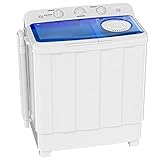
Semi-automatic twin-tub washers feature two separate compartments side by side: a wash tub where clothes soak and agitate, and a separate spin basket that spins damp-dry. These twin-tub units are lightweight, budget-friendly, and allow you to wash one batch of shirts while spinning another batch at the exact same time. However, they require hands-on effort. You must manually pick up the wet, soapy clothes from the wash tub, drop them into the spin chamber, and adjust the balance by hand before starting the spin timer.
Before you choose a portable unit, take careful measurements of your living space. Measure the width, depth, and height of the spot where you plan to operate the machine, making sure to add four to six inches of rear clearance for the water intake hose and drain pipe. Check your faucet to make sure the aerator unscrews easily to reveal clean screw threads, and verify that the washer includes a built-in drain pump if your sink rim sits higher than your apartment floor. Finally, check that the machine features adjustable leveling legs on the bottom so you can keep the cabinet perfectly flat, which stops loud vibrations and prevents the washer from walking across your floor during spin cycles.

- TAR Score9.4
TAR Score is a ranking system developed by TopAppliancesReviews.com. TAR score has no relationship or impact from any manufacturers or sales agent websites. Learn more
- BrandYMXA

- TAR Score8.9
TAR Score is a ranking system developed by TopAppliancesReviews.com. TAR score has no relationship or impact from any manufacturers or sales agent websites. Learn more
- BrandGIANTEX

- TAR Score7.9
TAR Score is a ranking system developed by TopAppliancesReviews.com. TAR score has no relationship or impact from any manufacturers or sales agent websites. Learn more
- BrandWinado

- TAR Score7.8
TAR Score is a ranking system developed by TopAppliancesReviews.com. TAR score has no relationship or impact from any manufacturers or sales agent websites. Learn more
- BrandROVSUN
- TAR Score7.2
TAR Score is a ranking system developed by TopAppliancesReviews.com. TAR score has no relationship or impact from any manufacturers or sales agent websites. Learn more
- BrandAuertech
Last update on 2026-10-27 / Affiliate links / Images, Product Titles, and Product Highlights from Amazon Product Advertising API


10 Best Washing Machine For King Size Comforter of 2026 For Bulky Bedding

11 Best Semi Automatic Washing Machine Under 10000 of 2026 For Apartments and RVs

9 Best Compact Refrigerator For Beer Bottles of 2026 For Upright Bottle Fit

10 Best Quality Semi Automatic Washing Machine of 2026 For Leak-Free Laundry

11 Best Small Washer Machine of 2026 For Everyday Laundry

12 Best Vibration Pads For Washing Machine of 2026 To Stop Walking and Shaking

11 Best Selling Front Load Washing Machine of 2026 For Quiet Odor-Free Laundry

11 Best Washing Machine For King Size Bedding of 2026 To Prevent Cycle Errors





