
How to Safely Unlock a Washer Door

Most people assume a stubborn washer door is physically jammed and simply needs a firmer yank. In reality, the machine usually keeps the lock engaged on purpose, so waiting three to five minutes for the internal safety switch to cool down is often all it takes to let go. Pulling hard on the handle will only snap the plastic latch, turning a temporary delay into an expensive repair.
How quickly the door opens depends on what is happening inside the drum. Trapped water will stop the machine from unlocking to prevent a flood, so running a quick drain cycle often frees the latch immediately. A forgotten child lock feature or an interrupted cycle can also hold the door shut. If the drum is completely empty of water and the controls are reset, the electric latch switch itself might have failed. Here is how to get your clothes out safely right now and spot the exact cause.
The Short Version
- Wait three to five minutes after the wash ends so the internal heat-activated safety pin can cool down and release on its own.
- Inspect the stainless steel clothes tub for standing water, and run a dedicated drain or spin-only setting if water remains trapped inside.
- Unplug the washer cord from the standard 120-volt 3-prong grounded wall outlet for five to ten minutes to clear minor computer lockups.
- Never pry the handle with screwdrivers or brute force, which snaps the internal plastic catch and risks flooding your floor.
Immediate Steps to Open a Locked Washer Door
When clean laundry is stuck behind a stubborn latch, prying the door is the worst move. Modern front loaders and top loaders lock to protect your home from sudden water leaks and high-speed spin hazards. Work through these calm, practical steps to release the latch safely.
- Give the machine five minutes of silence: Many washers do not release the door immediately when the drum stops spinning. Inside the lock housing, an electric heating element keeps a metal pin expanded to hold the door shut during operation. That part takes up to five minutes to cool down and retract. Walk away for a few minutes, come back, and gently pull the handle again.
- Look for trapped water through the glass: If you see even an inch of soapy water sitting at the bottom of the stainless steel clothes tub, the door will not unlock. The machine knows that opening the door will pour gallons of water straight across your laundry room floor. Turn the cycle knob to a spin-only setting or a quick drain cycle to push that water out.
- Check the control lock or child lock: It is easy to trigger the child lock by leaning against the front control panel while loading soap. Look at the display panel for a small padlock symbol or a key icon. To clear it, press and hold the designated button (usually labeled Lock, Extra Rinse, or Spin) for three full seconds until you hear a chime and the light goes dark.
- Perform a hard electrical reset: Unplug the power cord from the standard 120-volt 3-prong grounded wall outlet. Leave the machine completely unpowered for ten minutes. This pause drains residual electrical power from the capacitors on the main circuit board and resets the lock sequence. Plug the cord back into the wall outlet firmly. You should hear the lock click open as the computer powers back on. If the appliance fails to turn back on or shows no response at all, review how to fix a washer with no power or lights to rule out tripped house breakers or blown internal fuses.
- Press gently on the door near the latch: Sometimes the weight of heavy, wet towels pushes outward against the door hook. This extra friction binds the locking pin inside its slot. Lean your forearm gently against the door frame right where the latch catches, and then pull the handle. Relieving that outward pressure often allows the electric latch magnet to pull the pin free.
Why Your Washer Door Stays Locked
A locked door is usually a reaction to an unfinished cycle, a safety hazard, or a simple sensor misread. Understanding what the washer is thinking makes it much easier to correct the problem without calling a repair service.
Standing water is the most frequent culprit. Washers rely on a water level sensor (a small air dome and diaphragm switch) that monitors pressure inside the tub. If lint, loose coins, or baby socks clog the lower pump catch, the built-in drain pump cannot push dirty rinse water out through the drain hose. Because the water level sensor still registers water weight, the computer commands the door lock unit to remain firmly secured. Top loaders can sometimes unlock with water inside, but front loaders will never release while water covers the bottom of the door gasket. If you are comparing door styles and latch behaviors, learning which is better between a front-load or top-load washing machine reveals how different tub orientations balance water retention against mechanical safety.
Another common cause is an interrupted or paused cycle. If a cycle was paused halfway through a warm wash, the internal water temperature might be high enough to cause scald injuries. The control board holds the lock shut until the tub water cools down to a safe temperature. Similarly, an off-balance safety sensor that pauses spinning when bulky towels bunch up on one side can freeze the machine mid-cycle. Until that error is cleared or the tub rebalanced, the washer keeps its guard up.
Mechanical wear also plays a role over years of weekly laundry. Inside the door lock unit, a tiny electric latch magnet (a coil that uses an electrical current to throw a locking bolt) or a small motor can burn out. Alternatively, the plastic door hook attached to the swinging door can bend, sag, or crack. When the hook sags, it pinches inside the receiver hole, wedging the assembly shut even though the electrical switch has tried to unlock.
How to Safely Use the Manual Emergency Door Release
If electrical resets and drain cycles fail, most front-load washers have a hidden manual release. This physical trigger bypasses the electronics so you can rescue your clothes before sour smells take over. Follow these steps carefully to avoid creating a flood.
- Cut the electrical power: Always disconnect the washer cord from the wall outlet before opening service panels or working near internal mechanisms. Never attempt an emergency release while the machine is connected to live electricity.
- Prepare towels and a shallow pan: If water is still sitting in the clothes tub, opening the door will spill that water onto your baseboards. Lay old bath towels on the floor beneath the door and place a low baking sheet directly under the front lower panel.
- Open the lower filter access door: Look at the bottom front corner of your front-load washer. Most brands feature a small hinged flap or a narrow plastic kick plate that snaps open with a light press or a flat putty knife.
- Drain any standing water manually: Behind this access door, you will see a round pump filter knob and a small rubber drain tube with a stopper plug. Pull the small rubber tube out, uncap the plug over your shallow pan, and let the trapped water drain completely. Empty the pan as it fills, and replace the plug once water stops flowing.
- Locate the emergency release cord: Look just above or beside the drain filter housing. You will see a thin plastic pull tab, a flexible cable, or a colored ring (frequently neon green, blue, or black).
- Pull downward gently: Grip the ring or tab with your fingers. Pull straight downward with steady, moderate force. You will feel mechanical resistance from an internal spring, followed by a loud, solid click. While holding that ring down, use your other hand to pull the main door handle open.
What if your washer does not have a lower access door or an emergency cable? You can safely release many inward-opening latches using a piece of thin nylon string, high-strength dental floss, or flexible weed-trimmer line. Wrap a long piece of string around the outside perimeter of the door, sliding it into the narrow gap between the door frame and the washer cabinet. Work the string behind the latch hook on the opening side. Hold both ends of the string firmly and pull parallel toward the hinge side of the machine. The string loops over the spring-loaded latch finger, pulling it back out of the strike plate hole and popping the door open smoothly.
Signs the Door Lock Switch Is Broken
Once you get the door open and your clothes hung up to dry, you need to know if the washer is safe to use again. A worn-out latch mechanism will leave you right back in the same situation during the next wash load. Look over this quick checklist to confirm whether your door lock unit has reached the end of its life.
- Persistent latch error codes: The control screen flashes a dedicated door error code (such as dL, dE, or F22) as soon as you press start, even when the door is firmly pressed against the rubber gasket.
- A loose or floppy door handle: The exterior plastic handle wiggles loosely without the normal spring resistance. This means the internal release lever or spring pivot snapped inside the door frame.
- Rapid clicking or chattering noises: When starting or ending a wash, the machine clicks three or four times in rapid succession. This clicking happens when the electric latch magnet tries to push the locking pin into place, but a broken plastic tooth or misaligned track prevents it from seating.
- Door remains locked with zero power: The door stays physically stuck shut even when the tub is totally empty of water, the cord is unplugged, and the machine has rested overnight.
- Burn marks or melted plastic: If you remove the lock housing and notice a sharp electrical odor, soot marks, or melted plastic around the wiring harness terminals, the switch suffered an internal electrical short.
Choosing an Exact-Fit Replacement Door Lock Unit
When the internal switch contacts burn out or the internal locking slider snaps, replacing the door lock unit is the only reliable fix. Running a machine with a damaged lock is unsafe because the high-speed spin cycle can throw the door wide open, spraying water and damaging the spinning wash basket.
Always verify your washer exact model number before buying a replacement assembly. Do not rely solely on the brand name printed on the front panel, because manufacturers redesign wiring harnesses, screw spacing, and internal sensor pins across different production years. Open the washer door and check the white or silver sticker placed on the inner door frame, the tub rim, or the back of the metal cabinet. That label lists the full model number, including extra prefix and suffix digits that tell you the precise electrical revision of your machine.
Check the plastic door hook on the moving door at the same time. If the striker hook is notched, cracked, or sagging on its mounting screws, install a new striker kit along with the lock switch. A brand-new lock switch will fail quickly if a warped door hook keeps jamming inside the latch opening.

- TAR Score9.0
TAR Score is a ranking system developed by TopAppliancesReviews.com. TAR score has no relationship or impact from any manufacturers or sales agent websites. Learn more
- BrandKamrexi

- TAR Score9.0
TAR Score is a ranking system developed by TopAppliancesReviews.com. TAR score has no relationship or impact from any manufacturers or sales agent websites. Learn more
- BrandSemzohc
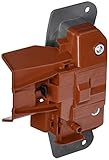
- TAR Score7.6
TAR Score is a ranking system developed by TopAppliancesReviews.com. TAR score has no relationship or impact from any manufacturers or sales agent websites. Learn more
- BrandElectrolux

- TAR Score7.3
TAR Score is a ranking system developed by TopAppliancesReviews.com. TAR score has no relationship or impact from any manufacturers or sales agent websites. Learn more
- BrandBeaquicy
Last update on 2026-11-01 / Affiliate links / Images, Product Titles, and Product Highlights from Amazon Product Advertising API
FAQs
Can I pry open a locked washer door with a screwdriver?
No, you should never pry the door frame with a screwdriver, butter knife, or crowbar. Prying bends the painted metal chassis, tears the thick rubber door seal, and shatters the brittle plastic latch fingers. Use the manual emergency pull cord at the bottom of the machine or the string release method to open the door without causing costly cabinet damage.
Why is my top-load washer lid locked when the wash is done?
Top-load washers lock their lids whenever the inner wash basket is actively spinning or coasting to a stop for user safety. If the lid stays locked after the drum stops, an off-balance load sensor may have halted the program early, or water may be trapped under the flat bottom wash plate. Unplug the machine for five minutes to let the computer reset and release the lid lock catch.
How long should I wait for a washer door to unlock after a cycle?
You should normally wait between two and five minutes after the cycle ends. Modern washers use a small thermal element or a wax motor inside the latch housing that physically expands to push the locking pin. That part must cool down naturally before the spring can pull the locking bolt back into the open position.
Will trapped wet clothes mold if the door stays locked overnight?
Wet clothes left in an airtight, sealed front loader will begin developing mildew odors within twelve to twenty-four hours. If you cannot release the door before going to bed, unplug the power cord to prevent heat buildup from stuck solenoids. Once you free the laundry, run the wet load through a warm cycle with low-suds HE detergent to wash away musty odors.


10 Best Washing Machine For King Size Comforter of 2026 For Bulky Bedding

11 Best Semi Automatic Washing Machine Under 10000 of 2026 For Apartments and RVs

9 Best Compact Refrigerator For Beer Bottles of 2026 For Upright Bottle Fit

10 Best Quality Semi Automatic Washing Machine of 2026 For Leak-Free Laundry

11 Best Small Washer Machine of 2026 For Everyday Laundry

12 Best Vibration Pads For Washing Machine of 2026 To Stop Walking and Shaking

11 Best Selling Front Load Washing Machine of 2026 For Quiet Odor-Free Laundry

11 Best Washing Machine For King Size Bedding of 2026 To Prevent Cycle Errors







