
Can You Run a Small Washing Machine on a Boat?

Damp towels pile up in a cabin locker, smelling of salt and humidity while the nearest marina laundromat sits miles away. Running a small washing machine on a boat works well, as long as the appliance matches the tight limits of life on the water. Compact portable washers clean daily clothes reliably, but they operate very differently from standard home laundry units.
The right approach depends on your freshwater tank capacity and how you make electricity. Hooking into dockside power allows for more flexibility, but running a cycle at anchor requires keeping a sharp eye on your battery bank and water supply. Drainage matters just as much, because dirty water must route safely into a greywater tank or a shower drain box rather than your bilge. Here is how to balance power, water, and storage so onboard laundry stays simple and safe.
Match Your Wash Routine to Your Battery Bank and Water Tank
Living on a boat means managing every drop of freshwater and every amp of electricity. A normal home washing machine pulls huge surges of power to heat water and spin heavy drums, and it can gulp twenty to thirty gallons of water in a single run. On the water, a routine like that will empty your freshwater tanks in two days and shut down your electrical system. To do laundry aboard without heading to a marina, you must fit your wash routine to your boat's specific resource limits.
Start by looking at your electrical supply. When you sit at a marina slip plugged into dockside shore power, running a small washing machine is as simple as plugging into a standard 120-volt 3-prong grounded wall outlet. You have steady power from the dock, so you do not need to worry about draining your batteries. The situation changes completely when you drop anchor in a quiet cove. Away from the dock, your machine must run from an inverter (a power box that turns 12V boat battery power into household plug electricity) or an onboard generator.
Check the running wattage on the machine label before you buy. Many compact washers use between 200 and 400 watts during the wash cycle. If your boat has a healthy battery bank and an inverter rated for at least 1,000 continuous watts, you can easily power that motor. But the startup surge can trip a smaller inverter if you run other cabin gear at the same time. Plan your wash days for bright, sunny mornings when solar panels produce peak energy, or run the washer while running the main engine or generator to top off the batteries.
Freshwater management requires just as much care. If your boat holds fifty gallons of water and you have no watermaker, spending five gallons on laundry is a big decision. If you do have a reverse-osmosis watermaker that fills your tanks while you motor between anchorages, you have much more freedom. Either way, keeping clothes clean at anchor requires knowing exactly how much water goes into the tub for every single batch.
Pick a Twin-Tub Machine to Keep Tight Control Over Water and Power
Fully automatic compact washers seem tempting because they work just like home appliances. You push a button, walk away, and come back to clean clothes. But fully automatic models create serious headaches on small boats. They require constant water pressure from your boat's freshwater pump, and their automated rinse programs will cycle through water whether your tank can spare it or not. If the water pressure drops because someone turns on the galley sink, an automatic machine can stall or throw an error code.
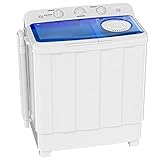
A portable twin-tub washing machine gives you far better control over your boat's supplies. These units separate the chores into two distinct compartments: the wash tub where clothes soak and agitate, and a separate spin basket that spins damp-dry. There are no computer boards or automatic fill valves. You pour in the exact amount of water you want using a bucket or a handheld shower sprayer. If you only want to use two gallons of water for a few shirts, you can do exactly that.
Twin-tub units also let you reuse water across multiple loads, which changes everything for liveaboard cruisers. You can wash a batch of lightly soiled sheets first, lift them into the spin basket to spin out the soapy moisture, and leave the soapy water in the wash tub. Then, drop in a batch of dirty shorts or deck towels and run the agitation cycle again with that same water. You only pull fresh water from your boat tanks when it is time for the final rinse.
Physical size matters just as much as plumbing. A heavy automatic washer is difficult to haul up and down steep companionway stairs. Twin-tub machines use lightweight plastic bodies that resist salt air corrosion and are light enough to carry from a cabin locker to the head. If you are debating how different door and tub styles fit into tight boat lockers, reviewing whether a top-load or front-load design fits better will help you plan your available floor space and overhead clearance.
Route Your Drain Hose Away from the Bilge and Woodwork
Water inside a boat cabin is a constant hazard. A small leak in a home laundry room damages baseboards, but a leak inside a boat can ruin expensive marine plywood cabinetry, rot subfloors, and trigger mold inside hidden stringers. You must establish a safe, sealed path for greywater (used wash water) every time you run a cycle.
Never let wash water drain into the bilge. Bilge pumps are designed as emergency safety gear to clear seawater leaks, not to handle laundry runoff. Soapy greywater coats the bilge surfaces in slime, creates foul odors in the cabin, and clogs bilge pump float switches with lint. A stuck float switch can leave your bilge pump running until your batteries die, or worse, prevent the pump from switching on during a genuine leak.
The safest place to operate a portable washer is directly inside your boat's head, set right on the shower floor. Shower stalls are molded fiberglass compartments designed to catch water and channel it safely away. If a hose slips or the tub splashes, the shower pan catches the water and prevents damage to your living space. From the shower floor, you have two basic drainage setups to consider:
- Built-in drain pump: Some compact washers include a small electric pump that pushes water upward through a hose. This lets you hang the drain hook over a head sink or route it into a cockpit drain above the waterline.
- Gravity drain: Simpler twin-tub machines use a gravity drain hose that must lie flat across a floor drain so water drains naturally. On a boat, you lay this hose directly over your shower floor drain.
When you drain into the shower floor, the water flows into your shower sump (a small collection box with a pump that empties drain water overboard). Keep in mind that laundry lint collects quickly inside shower sump boxes. Clean the sump mesh filter after every laundry day so lint does not jam the internal pump impellers. Also, be mindful of where your boat sits. Discharging soapy water directly overboard in marinas or inland lakes is illegal in many harbors. Use biodegradable, phosphate-free detergents, and hold dirty water in your greywater tank when dockside rules require it.
Lock the Machine Down Before You Leave the Dock
A portable washing machine that sits quietly on a cabin sole at the dock becomes a loose projectile in rough water. Boat wake from passing traffic, unexpected swells, or a heel under sail will send a free-standing appliance sliding across the floor. That can crack fiberglass, shatter companionway steps, or injure a crew member. Follow this safety checklist before moving your boat with a washer on board:
- Drain every drop of water: Run the spin cycle empty for thirty seconds and tip the machine forward to clear both tubs. Water sitting in the bottom adds top-heavy weight and can spill into floorboards when the boat rocks.
- Set the washer on a non-slip rubber pad: Place a textured rubber marine mat under the machine base. This dampens motor vibration against the fiberglass hull while running and prevents the machine from walking across slick shower floors.
- Secure the unit to fixed hardpoints: Use heavy-duty ratchet straps or webbing ties anchored to sturdy pad eyes or solid bulkhead frames. Never hook straps to plastic plumbing lines, electrical conduit, or flimsy locker latches.
- Stow the unit low in the boat: Keep heavy gear as low and close to the centerline as possible to preserve boat stability. The base of a hanging locker, an engine room shelf, or the floor of the head shower stall are ideal storage spots.
- Bundle and clip all hoses: Coil the fill hose and drain line tightly against the machine body using hook-and-loop straps. Dangling hoses trip crew members and collect mold if left resting in dark corners.
Wash Clothes in Batches Using a Two-Bucket Rinse System
To keep your freshwater tanks full while keeping your crew in clean clothes, adopt a structured washing routine. By managing the water manually, you can complete two full loads of laundry using under five gallons of fresh water total. Follow these steps to maximize cleaning power with minimal resources:
- Sort laundry by dirt and fabric weight: Separate light items like t-shirts, underwear, and pillowcases from heavy items like salty sailing shorts or deck towels. Always wash the cleanest items in the first batch so the wash water stays usable longer.
- Fill the wash tub with two to three gallons of water: Pour water directly into the wash tub where clothes soak and agitate. Dissolve a single teaspoon of low-suds HE (High Efficiency) detergent before adding clothes. Standard laundry soap creates too many suds, which requires gallons of extra rinse water to flush away.
- Run the agitation cycle for eight to ten minutes: Turn the wash timer knob. The flat bottom wash plate moves laundry using water currents, lifting dirt out of fabrics without beating up delicate seams. Avoid overloading the tub; clothes must swirl freely to get clean.
- Transfer laundry to the spin chamber: Lift the soapy clothes out of the wash tub and place them into the separate spin basket that spins damp-dry. Place the plastic balance disc firmly over the top of the laundry pile to keep it from wobbling. Run the spinner for two minutes to press out almost all dirty, soapy water.
- Leave the original wash water in place: Do not drain the wash tub yet. Put your second, dirtier load of laundry directly into that same warm, soapy water and run the wash cycle again. This doubles the cleaning value of your initial water draw.
- Rinse inside the spin basket: Take your spun clothes from the first batch, drop them back into the spin basket, and use your shower sprayer to pour a single gallon of fresh water over them while the basket spins slowly. This forces clean water through the fabric layers and extracts the last soap residue instantly.
- Hang laundry along the lifelines or boom: Run a final three-minute high-speed spin cycle. The clothes will emerge barely damp. Hang them out on the boat lifelines or under the bimini using marine clothespins that will not slip off stainless steel wire in a fresh sea breeze.
Look for Low-Wattage Units with Built-In Spin Baskets
Choosing a washing machine for a boat comes down to dimensions, weight, and electrical efficiency. Look for compact machines with separate wash and spin tubs made entirely from high-impact plastic. Plastic does not rust when exposed to salt air, and it keeps the appliance light enough to lift into a locker or shower stall with one hand. Avoid heavy metal domestic units that demand permanent mounting bolts and high startup currents.
Pay close attention to overall height and width before you buy. Measure your companionway hatch, cabin doors, and the base of your shower pan. A machine that is even one inch too wide to slip through the companionway will end up stranded on the deck. Check the electrical nameplate to confirm the motor draws low wattage that matches your inverter capacity. Finally, look for models with built-in lint traps inside the wash tub to capture fabric threads before they ever reach your boat drainage lines.

- TAR Score9.5
TAR Score is a ranking system developed by TopAppliancesReviews.com. TAR score has no relationship or impact from any manufacturers or sales agent websites. Learn more
- BrandROVSUN

- TAR Score8.6
TAR Score is a ranking system developed by TopAppliancesReviews.com. TAR score has no relationship or impact from any manufacturers or sales agent websites. Learn more
- BrandOmelaza

- TAR Score7.6
TAR Score is a ranking system developed by TopAppliancesReviews.com. TAR score has no relationship or impact from any manufacturers or sales agent websites. Learn more
- BrandTNEGLONX

- TAR Score7.5
TAR Score is a ranking system developed by TopAppliancesReviews.com. TAR score has no relationship or impact from any manufacturers or sales agent websites. Learn more
- BrandINTERGREAT
- TAR Score7.2
TAR Score is a ranking system developed by TopAppliancesReviews.com. TAR score has no relationship or impact from any manufacturers or sales agent websites. Learn more
- BrandAuertech
Last update on 2026-10-30 / Affiliate links / Images, Product Titles, and Product Highlights from Amazon Product Advertising API
FAQs
Can you use salt water to wash clothes in a portable boat washer?
You can use clean ocean water for the initial wash and agitation cycle to save your freshwater tanks, but you must never skip a freshwater rinse. Salt crystals cling to fabric fibers, and because salt absorbs ambient moisture from humid sea air, salty clothes will never fully dry and will chafe your skin. Wash with salt water if supplies are critically low, but always finish with a thorough fresh rinse in the spin basket.
How do you stop a portable washing machine from smelling like mildew on a boat?
Boat cabins maintain high humidity levels that encourage rapid mildew growth inside closed plastic tubs. Always wipe the inner wash tub and spin basket dry with a clean microfiber cloth right after finishing your last load. Leave both the wash lid and spin cover open for several hours so air circulates freely, and clean the tub lint screen after every single laundry session.
Will running a small washer at anchor drain my house battery bank?
A typical compact twin-tub washer draws between 200 and 400 watts, which translates to roughly 20 to 35 amps an hour through a 12V inverter. Because a wash and spin cycle only runs for fifteen to twenty minutes, the total power consumed is quite small, often around 10 amp-hours per batch. As long as you run the machine during the middle of the day when solar panels or boat engines are producing power, your house batteries will handle the load easily.
Can I connect a portable washer to my boat's pressurized galley faucet?
Most boat galley faucets do not have standard home aerator threads, so a regular quick-connect sink adapter will not click into place without custom fittings. Even if you adapt the threads, boat freshwater pumps provide pulsing pressure that can stress the plastic fill hoses on portable washers. It is safer and much faster to fill the tub manually using a bucket or your pull-out head shower sprayer.


10 Best Washing Machine For King Size Comforter of 2026 For Bulky Bedding

11 Best Semi Automatic Washing Machine Under 10000 of 2026 For Apartments and RVs

9 Best Compact Refrigerator For Beer Bottles of 2026 For Upright Bottle Fit

10 Best Quality Semi Automatic Washing Machine of 2026 For Leak-Free Laundry

11 Best Small Washer Machine of 2026 For Everyday Laundry

12 Best Vibration Pads For Washing Machine of 2026 To Stop Walking and Shaking

11 Best Selling Front Load Washing Machine of 2026 For Quiet Odor-Free Laundry

11 Best Washing Machine For King Size Bedding of 2026 To Prevent Cycle Errors





