
Semi-Automatic vs Fully Automatic Washing Machines

A fully automatic washing machine runs the entire cycle in one tub without your help, while a semi-automatic model requires moving dripping wet clothes by hand into a separate spin tub. That difference in physical effort changes everything on wash day. With a semi-automatic twin tub, you fill the water manually and watch over every step. A fully automatic portable washer connects directly to a faucet, washes, rinses, and spins while you walk away.
Plumbing and drainage also decide which washer fits your space. Fully automatic units typically include an electric pump that pushes wastewater up into a sink basin, while basic twin tubs rely on gravity drains that must sit low near a shower or floor drain. Faucet access matters too, as manual tubs can be filled with a bucket where hookups are tight. Understanding how both styles operate makes it easy to pick the right routine for your home.
Wash Day Reality: One-Tub Convenience vs. Two-Tub Manual Work
The main difference between these two washer styles shows up the moment you start a load. A fully automatic portable washer operates like a standard household machine. You open the lid, drop clothes into the inner wash basket, add low-suds HE detergent, and select your cycle. Once you press start, the machine fills with water, washes, drains, rinses, and spins the garments damp-dry in the same tub. You can walk away or study without checking on the cycle until the final chime.
A semi-automatic twin-tub washer divides the job across two separate compartments. The larger compartment is the wash tub where clothes soak and agitate, while the smaller compartment is the separate spin basket that spins clothes damp-dry. To start a load, you roll the unit near a sink, attach an inlet hose to your faucet, or fill the wash tub manually using a bucket. You turn a mechanical dial to set an agitation timer. When that timer reaches zero, the motor cuts out and the process stops completely.
At that point, your clothes are still soaking in dirty water. You must reach into the soapy tub and physically lift out the heavy, dripping wet fabrics. You squeeze out excess water by hand and pack the garments evenly into the separate spin basket. After placing a plastic safety cover over the clothing stack, you turn a separate spin timer dial. To rinse, you either refill the wash tub with fresh water or spray water into the spinning basket. Washing three loads in a twin tub requires continuous physical effort and hands-on attention.
Water Supply and Drainage: Gravity Drains vs. Built-In Pumps
Drainage style determines where you can place the washer. Most fully automatic compact washers feature a built-in drain pump that pushes water up into a kitchen sink or standpipe. This electric pump lifts dirty water several feet through a hooked discharge hose, allowing the washer to sit on the floor beside any standard countertop. The pump activates automatically whenever a cycle reaches the drainage phase, clearing out suds without any physical effort.
Semi-automatic twin-tub washers operate differently because most models rely on a gravity drain hose that must lie flat across a floor drain so water drains naturally. A gravity drain has no electric motor inside the cabinet. Water flows out strictly because of gravity when you turn the drain knob from wash to drain. If you place a gravity-drain machine on a flat kitchen floor and hook the hose over a 36-inch sink rim, water cannot climb upward. It backs up inside the cabinet, stays trapped in the tub, or spills across your floor.
Renters rarely have open floor drains outside of their bathtubs. If you buy a gravity-drain twin tub and want to empty it into a sink, you must elevate the machine on a sturdy platform so the drain outlet sits higher than the sink rim, or place the unit directly inside a shower stall. Water hookups also differ. Fully automatic machines connect to your tap using a quick-connect sink adapter that clicks onto your faucet, opening internal valves electronically. Twin-tub machines use slip-on hoses without shutoff valves, meaning you must monitor the fill level and turn off the faucet manually before the tub overflows.
Water Use, Power Draw, and Detergent Needs
Semi-automatic washers excel when it comes to saving water. In a twin-tub machine, the wash water does not drain automatically when the agitation timer ends. This allows you to practice water recycling on laundry day. You can wash a batch of lightly soiled whites first, lift those clothes into the spin basket, and leave the soapy water in the wash tub. You can then drop dark shirts or work pants into that same warm water. Washing multiple consecutive loads using a single tub of water makes semi-automatic washers ideal for campers, cabins, and RV owners with limited freshwater tanks.
Fully automatic portable washers dump their wash water down the drain after every agitation phase and draw fresh water for every rinse cycle. Some automatic models include settings like a speedy quick wash cycle to cut laundry runtimes and water volume for small loads, but the water still drains away automatically. This automated cycle consumes more total water across several loads compared to a twin tub, but it removes manual labor entirely from the chore.
Detergent choices also affect performance. Fully automatic machines perform best with low-suds HE (High Efficiency) detergent. Because automatic machines run sealed rinses with measured water levels, regular detergents create thick foam that can trigger pump air-locks, cause suds leaks, or leave sticky residue on fabrics. Twin-tub machines are far more forgiving. Since they agitate openly, you can use regular laundry powder, liquid detergent, or standard soap flakes without risking sensor faults. Both machine styles plug into a standard 120-volt 3-prong grounded wall outlet, but twin-tub analog motors draw fewer peak watts than digital automatic machines.
How to Choose Between Semi-Automatic and Fully Automatic in 5 Steps
- Check your drain outlet height. If you must drain wastewater upward into a raised kitchen sink or bathroom basin, choose a fully automatic washer with a built-in drain pump so water pumps out smoothly without elevating the machine on risky platforms.
- Inspect your faucet spout and thread compatibility. If you have a standard faucet with removable aerator threads, a fully automatic quick-connect adapter will click into place securely, whereas a pull-out sprayer wand or smooth modern spout pairs better with a semi-automatic machine that you can fill with a bucket or handheld hose.
- Assess your physical stamina and comfort with manual lifting. If bending down to haul soaking wet jeans and heavy bath sheets out of soapy water strains your back or wrists, a fully automatic washer protects your joints by handling washing, rinsing, and high-speed spinning in a single tub.
- Measure your floor space and storage clearance. Twin-tub semi-automatic washers feature a wider side-by-side cabinet that requires substantial horizontal floor space, while fully automatic washers use a narrower, squarer footprint that fits neatly into tight closets, bathroom corners, or camper van cubbies.
- Determine your laundry day schedule and attention span. If you need a hands-free appliance that lets you leave home while laundry runs, pick a fully automatic washer, but if you want to power through multiple loads in under an hour by washing one batch while spinning another at the same time, choose a twin-tub semi-automatic unit.
Setup Mistakes That Cause Floods, Knocking, and Odors
Improper installation is the most common cause of early appliance frustration. With semi-automatic machines, elevating a gravity drain hose above its designated discharge level is the leading cause of messy indoor floods. When the hose cannot drain freely, water backs up inside the plastic cabinet and leaks through lower motor seals. Always ensure a gravity hose slopes downward from the base of the machine to the drain point. If draining into a tub, place the unit on a level rubber mat inside or directly beside the shower pan to catch stray splashes.
Violent knocking and machine walking during the spin cycle happen when laundry bunches up on one side of the tub. In a twin-tub machine, packing the separate spin basket requires deliberate hand-layering. Drop clothes in flat, alternating sides, and press them firmly downward before placing the safety spinner cap flat against the top layer. In a fully automatic washer, clothes balance themselves naturally in the center of the basket, and built-in safety controls pause spinning if an unbalanced load causes wobbling. Choosing an appliance with automatic load sensing features helps detect unbalanced wet fabrics early, but you must still adjust leveling legs on uneven floors to keep the unit quiet.
Water damage from sink adapters is another preventable headache. When using a quick-connect sink adapter on an automatic washer, the faucet handles remain open to supply pressurized water. If your sink adapter is worn or loose, water pressure can cause the hose to slip off the aerator threads, spraying water across countertops. Always tighten the adapter firmly by hand, verify that rubber gaskets are seated properly, and never leave your home while faucet handles are turned on. Finally, leave the washer lid open between loads to prevent mold and musty odors from developing inside the damp wash basket.
What to Look for When Choosing Your Portable Washer
Selecting the best machine for your space comes down to matching your home plumbing and physical preferences to the right hardware design. If hands-free convenience is your goal, look for a compact fully automatic washer equipped with an integrated electric drain pump, a digital control panel, and a stainless steel clothes tub. A stainless steel basket resists chipping, stands up to frequent spin cycles, and wipes clean easily between uses. Make sure the automatic model comes with a standard quick-connect faucet kit and sturdy leveling legs that stabilize the cabinet on uneven tile or vinyl floors.
If you prefer the water-saving flexibility, lightweight build, and lower entry cost of a semi-automatic twin tub, look for a unit with durable mechanical dial controls, dual lint screens, and a separate spin basket large enough to handle your typical bundle of daily clothing. Check whether the twin-tub unit features an internal drain pump or a passive gravity line, as this single detail determines whether you can park the machine beside your kitchen sink or must keep it inside a walk-in shower. Adding a rolling four-wheel dolly beneath either machine style makes moving your laundry setup to the nearest water hookup effortless and protects your floors from scratches.
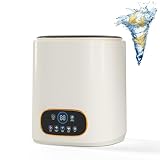
- TAR Score9.6
TAR Score is a ranking system developed by TopAppliancesReviews.com. TAR score has no relationship or impact from any manufacturers or sales agent websites. Learn more
- BrandIEVENW

- TAR Score9.5
TAR Score is a ranking system developed by TopAppliancesReviews.com. TAR score has no relationship or impact from any manufacturers or sales agent websites. Learn more
- BrandINTERGREAT
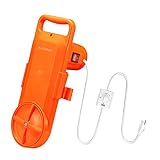
- TAR Score9.3
TAR Score is a ranking system developed by TopAppliancesReviews.com. TAR score has no relationship or impact from any manufacturers or sales agent websites. Learn more
- BrandKOFOHON

- TAR Score8.4
TAR Score is a ranking system developed by TopAppliancesReviews.com. TAR score has no relationship or impact from any manufacturers or sales agent websites. Learn more
- BrandAuertech

- TAR Score7.6
TAR Score is a ranking system developed by TopAppliancesReviews.com. TAR score has no relationship or impact from any manufacturers or sales agent websites. Learn more
- BrandAuertech
Last update on 2026-10-27 / Affiliate links / Images, Product Titles, and Product Highlights from Amazon Product Advertising API
Frequently Asked Questions
Can a semi-automatic twin-tub washer dry clothes completely?
No, a semi-automatic machine does not dry clothes completely with heat. The spin basket rotates at high speeds to pull water out of fabric using centrifugal force, leaving garments damp-dry. You will still need to hang your laundry on a drying rack, string a clothesline, or transfer the items to a heated tumble dryer.
Do portable washers require permanent plumbing hookups?
Neither semi-automatic nor fully automatic portable washers need permanent household plumbing or dedicated laundry pipes. Fully automatic units connect directly to standard sink faucets using a quick-connect adapter, while semi-automatic models can be filled using a slip-on rubber hose or a plastic pitcher. Both types drain directly into household sinks, bathtubs, or floor drains.
Can I leave a semi-automatic washer running while I leave the apartment?
You should never leave your home while a semi-automatic twin-tub washer is running. Because these machines do not have automated water valves or automatic cycle progression, you must be present to monitor water levels, shut off the faucet tap, and move wet clothing into the spin chamber. Leaving the water running unattended creates a severe risk of overflowing the wash tub and flooding your floor.
Why does a portable washer shake violently or walk across the floor?
Violent shaking occurs when wet laundry gathers on one side of the spinning basket, throwing the rotating drum off balance. You can fix this by stopping the machine, untangling the clothes, and redistributing bulky fabrics like jeans or bath sheets evenly around the tub. Ensuring all leveling legs sit flat on a solid surface and placing a non-slip rubber pad under the machine will also stop unwanted vibration.


10 Best Washing Machine For King Size Comforter of 2026 For Bulky Bedding

11 Best Semi Automatic Washing Machine Under 10000 of 2026 For Apartments and RVs

9 Best Compact Refrigerator For Beer Bottles of 2026 For Upright Bottle Fit

10 Best Quality Semi Automatic Washing Machine of 2026 For Leak-Free Laundry

11 Best Small Washer Machine of 2026 For Everyday Laundry

12 Best Vibration Pads For Washing Machine of 2026 To Stop Walking and Shaking

11 Best Selling Front Load Washing Machine of 2026 For Quiet Odor-Free Laundry

11 Best Washing Machine For King Size Bedding of 2026 To Prevent Cycle Errors





