
How to Fix Common Semi-Automatic Washer Problems

Most twin-tub laundry troubles come down to unbalanced spin loads, trapped drain water, or motor strain from stuffing too many garments into one cycle. The exact fix usually depends on whether the tub relies on a downward slope to empty or uses an electric pump to move wastewater out. Because these units rely on simple mechanical dials rather than digital circuit boards, nearly every glitch has an easy manual fix.
What works for your setup depends on keeping the drain line low on gravity models, packing laundry flat beneath the plastic press disc, and staying under the weight limit. Forgetting even one of these details can trigger violent tub thumping, stalled drainage, or an overheated motor. Here is how to sort out what is happening, quiet the shaking, and keep water safely off your floor.
Uneven Clothes in the Spin Tub Cause Loud Shaking
A violent banging noise from the spin basket usually means the laundry inside is sitting off-center. Unlike standard automatic machines with balance sensors, a twin-tub machine uses a small, high-speed spin chamber that relies entirely on how you pack it. If heavy items like wet jeans or thick bath towels bunch up against one side, centrifugal force throws the entire basket off balance. The spinning drum then slams against the outer plastic frame, causing the entire appliance to walk across your floor.
When this happens, turn the spin timer knob back to zero right away. Never try to force the lid open while the drum is still spinning, because the rapid movement can injure your hands or crack the safety hinges. Wait until the basket stops completely before lifting the cover. Pull out the wet garments and shake them loose so they are not tangled together in a dense knot.
To pack the basket properly, place items in one by one in an even ring around the outer edge, like building a bird nest. Keep the weight distributed equally on opposite sides of the drum. Once the clothes sit evenly, take your plastic press disc that holds clothes flat (also called the spin cap) and push it straight down over the top of the load. This plastic disc keeps stray sleeves from riding up, catching on the rim, and throwing the basket off balance.
You should also verify that all four machine feet sit firmly on a flat, level floor. If your machine rests on uneven tile, thick carpet, or soft foam mats, the natural vibration will multiply quickly. If you are used to larger household units, keep in mind that full-size appliances manage off-balance loads differently. Many shoppers look into balanced spin cycles that handle bulky bedding automatically, but with a manual twin tub, you must take charge of that balance yourself every single run.
Drain Hose Height and Trapped Lint Stop Water Flow
When dirty wash water refuses to leave the tub, the issue almost always comes down to the style of drain your machine uses. Compact semi-automatic washers empty their water in one of two ways. Some use a gravity drain hose that must lie flat across a floor drain so water drains naturally, while others feature a built-in drain pump that pushes water up into a kitchen sink or standpipe. If you try to run a gravity-style hose up over the edge of a tall bathtub or sink basin, the water will stay trapped inside the tub because gravity cannot push it uphill.
If your washer relies on gravity, set the entire length of the flexible drain pipe flat against the ground. Keep the open end pointed toward a walk-in shower floor, a ground-level drain, or a shallow pan. If you must empty the washer into a high sink or bathtub, your machine must have an electric pump to lift that liquid. Setting a gravity line even a few inches too high will leave your clothes soaking in dirty suds.
For washers that do include an internal pump, stuck water usually points to a clogged lint screen or an obstructed drain valve. Every twin-tub washer includes a small plastic lint trap clipped along the inside wall of the wash tub where clothes soak and agitate. When loose pet hair, stray threads, and pocket debris build up, they wash down into the internal valve mechanism. That sludge keeps the valve from opening even when you turn the dial.
Follow these checks to clear a drainage block safely:
- Turn the drain selector knob back and forth firmly to confirm the internal mechanical cable is actually opening the rubber drain seal.
- Unclip the tub lint screen from inside the wash basin, scrape off the trapped fuzz, and rinse the mesh under warm tap water.
- Pull the washer out to give yourself four to six inches of rear clearance, making sure the ribbed hose is not pinched or crimped against the wall.
- Look inside the empty tub with a flashlight to ensure a baby sock or small washcloth has not slipped past the spinning wash disc at the bottom.
Loose Hose Clamps and Suds Cause Floor Leaks
Finding a puddle of water around the base of your twin tub can be alarming, especially if you live in an upstairs apartment or an RV. Fortunately, true structural cracks in the plastic body are rare. Most leaks come from loose hose connections, excessive soap suds, or simple overfilling at the faucet.
Work through this checklist to locate and stop the leak quickly:
- Check the quick-connect sink adapter that clicks onto your kitchen or bathroom faucet. Standard threaded faucets accept these adapters easily, but pull-out spray faucets often leak around the collar. Tighten the brass fittings and ensure the internal rubber gasket sits completely flat against the aerator threads.
- Inspect the corrugated drain hose where it connects to the bottom of the machine housing. Vibrations from repeated wash cycles can loosen the tension clamp that secures the flexible line to the internal plastic pipe. Slide the clamp forward and tighten it securely over the connection barb.
- Switch to a small dose of low-suds HE (High Efficiency) detergent instead of regular soap. Standard detergents generate massive mountains of foam in a small tub. That thick foam easily climbs over the internal splash rim, trickles down the interior cabinet walls, and pools on your floor.
- Monitor your water level closely during the filling process. Semi-automatic machines do not feature automatic water shutoff valves, so they will not stop filling on their own. If you walk away while the faucet runs, water will pour directly over the internal overflow weir and straight onto your floorboards.
- Check the outer skin of the drain hose for pinhole punctures or abrasions. Dragging the machine in and out of storage closets can wear down the thin plastic ribs, creating tiny spray leaks when the pump engages.
If water continues to pour from the direct center of the machine base even when the hoses are dry, the rubber seal underneath the center drive shaft may have worn out. In that situation, stop using the washer immediately to protect the motor below from water contact.
Heavy Loads Overheat the Motor and Trigger Safety Stops
If you turn the mechanical timer knob and hear a low, dull hum without any movement, do not panic. This humming sound usually happens when the motor wants to turn, but the physical weight inside the tub is pinning it in place. Stuffing too many heavy items into the wash basin prevents the flat bottom wash plate from moving laundry using water currents. When the drive disc cannot spin, the electric motor draws excess power and begins to heat up rapidly.
To protect against electrical damage and fire, these motors feature an internal safety switch that cuts power when temperatures rise above safe operating limits. If you notice a faint smell of warm plastic or hot motor windings, that thermal switch has likely engaged. Shut off the machine and unplug the power cord from your standard 120-volt 3-prong grounded wall outlet immediately. Never attempt to inspect the underside of the washer or handle electrical cords with wet hands.
Once the unit is unplugged, pull out roughly half of the wet laundry and set it aside in a clean plastic basket. Reach down to the bottom of the wash tub and turn the spinning wash disc at the bottom gently with your fingertips. It should rotate freely with slight resistance. If it feels stuck solid, a coin, button, or stray bra wire may be jammed underneath the edge of the disc, locking the motor shaft.
Leave the washer unplugged and untouched for 30 to 45 minutes so the internal motor housing can cool down completely. Once the motor reaches room temperature, the thermal safety switch will reset itself automatically. Plug the cord back into the grounded wall outlet and set the timer for a two-minute test with a light load of shirts. If the motor continues to hum without turning, the motor start capacitor has likely failed and requires replacement.
Manual Washing Saves Money but Demands Your Full Attention
Semi-automatic washing machines are popular because they are affordable, light enough to move, and use very little water and electricity. But using one is a hands-on chore, not a set-it-and-forget-it routine. You must stand nearby to manage every single step of the process. You fill the water manually, set the timer dials, lift heavy wet clothes from the wash side over to the spin side, and switch the drain settings by hand.
Another everyday reality is the capacity difference between the two tubs. The separate spin basket that spins damp-dry is almost always significantly smaller than the wash tub where clothes soak and agitate. That means a single large batch of washed shirts or bed linens cannot be spun all at once. You will need to divide the wet laundry into two or even three separate spin batches, which doubles your hands-on time.
Rinsing also takes active effort on your part. You can either drain the wash tub, refill it with clean water, and let the clothes agitate a second time, or spray clean water directly through the spin basket lid while the drum runs. Both methods require your presence and physical effort. If you spill soapy water across your tiles during transfers, you will spend extra time wiping down the floor after every laundry session.
Upkeep requires vigilance as well. Because twin-tub units are made of lightweight plastic and hold standing water in hidden channels, they can develop stale odors if neglected. Many owners read about washing machines designed to prevent musty tub mold through automated tub-clean modes, but twin tubs do not have automated maintenance cycles. You must wipe down the interior walls, empty the lint filter, and prop both plastic lids wide open after every use so air circulates freely.
Choosing the Right Replacement Solves Common Washing Frustrations
If your current machine has a cracked basin or a dead drive motor, fixing it with replacement parts often costs more than the machine is worth. Choosing a new compact semi-automatic washer can give you a fresh start, provided you pick a design that fits your living space. The right features will eliminate the most common drainage and balance headaches before your first load begins.
Start by confirming the drain style your home requires. If you plan to use the machine in an apartment kitchen or hooked up to a bathroom counter, look for a unit with an integrated electric drain pump. A built-in pump easily lifts wastewater upward into deep sinks and high bathtubs, sparing you the mess of gravity hoses pooled across your floorboards. If you have an RV shower pan or a low floor drain, a standard gravity model will serve you well at a lower cost.
Pay close attention to the listed dry laundry weight capacity for each individual chamber. Look for a unit where the spin chamber capacity closely matches the wash tub capacity. A more balanced ratio means you will not have to divide every single wet load into tiny portions just to spin them damp-dry. Check that the unit includes a sturdy, snug plastic press disc to keep clothes from shifting during high-speed extraction.
Finally, measure your floor space and sink clearance before deciding. Make sure your faucet accepts standard threaded connections or includes the necessary sink adapters. Choose an appliance that comes with thick, reinforced supply hoses and sturdy leveling legs that stabilize the base against violent shaking. A well-built twin tub should sit level on your floor, drain smoothly into your sink, and take the strain out of everyday compact laundry.

- TAR Score9.5
TAR Score is a ranking system developed by TopAppliancesReviews.com. TAR score has no relationship or impact from any manufacturers or sales agent websites. Learn more
- BrandAuertech

- TAR Score9.5
TAR Score is a ranking system developed by TopAppliancesReviews.com. TAR score has no relationship or impact from any manufacturers or sales agent websites. Learn more
- BrandINTERGREAT
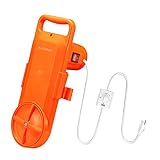
- TAR Score9.3
TAR Score is a ranking system developed by TopAppliancesReviews.com. TAR score has no relationship or impact from any manufacturers or sales agent websites. Learn more
- BrandKOFOHON

- TAR Score9.2
TAR Score is a ranking system developed by TopAppliancesReviews.com. TAR score has no relationship or impact from any manufacturers or sales agent websites. Learn more
- BrandINTERGREAT
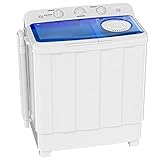
- TAR Score7.2
TAR Score is a ranking system developed by TopAppliancesReviews.com. TAR score has no relationship or impact from any manufacturers or sales agent websites. Learn more
- BrandAuertech
Last update on 2026-10-26 / Affiliate links / Images, Product Titles, and Product Highlights from Amazon Product Advertising API


10 Best Washing Machine For King Size Comforter of 2026 For Bulky Bedding

11 Best Semi Automatic Washing Machine Under 10000 of 2026 For Apartments and RVs

9 Best Compact Refrigerator For Beer Bottles of 2026 For Upright Bottle Fit

10 Best Quality Semi Automatic Washing Machine of 2026 For Leak-Free Laundry

11 Best Small Washer Machine of 2026 For Everyday Laundry

12 Best Vibration Pads For Washing Machine of 2026 To Stop Walking and Shaking

11 Best Selling Front Load Washing Machine of 2026 For Quiet Odor-Free Laundry

11 Best Washing Machine For King Size Bedding of 2026 To Prevent Cycle Errors





