
What Is the Most Reliable Top Load Washing Machine?

Simple mechanical washers outlast fancy digital models. A unit built with manual rotary dials, sturdy drive gears, and a traditional agitator (the tall center post that turns clothes) avoids the fragile electronic boards that cut modern machines short. Fewer microchips mean far fewer surprise error codes or sudden breakdowns after just a few years of family laundry.
How long a machine survives still depends on a few specific details. Choosing an agitator over an impeller (a flat wash plate at the drum bottom) changes how hard the motor strains during heavy cycles. Tough suspension springs also protect the drum from wobbling out of balance and shaking the frame to pieces. Knowing how these simple internal parts hold up helps you spot a truly dependable washer that stays out of the repair shop.
Why Do Simple Washers Last Longer Than Fancy Models?
Modern washers rarely fail because their heavy electric motors wear out. Instead, delicate electronic controls usually cause premature breakdowns. A computerized washer relies on microprocessors, touchscreens, and multiple sensor boards to manage cycles. These delicate circuit boards sit inside a metal cabinet that shakes vigorously several times a week. Laundry rooms also experience frequent shifts in temperature and humidity. Over time, damp air corrodes circuit traces, and constant vibrations crack fragile solder joints, causing phantom error codes or dead display screens.
Mechanical washers use physical contact switches and durable rotary timers. Turning a dial physically connects electrical contacts that start the motor or open water valves. These thick mechanical contacts easily withstand years of shaking and damp basement air without failing. If an issue does arise, troubleshooting a physical switch is straightforward and does not require proprietary diagnostic software.
Repair costs also separate simple designs from high-tech units. When an electronic control board fails on an advanced washer, the replacement circuit board often costs hundreds of dollars before technician fees. Because appliance makers update computerized models frequently, replacement computer boards are often discontinued within a few years. Simple dial-controlled washers use standard mechanical switches that stay available and affordable for decades.
Does an Agitator Last Longer Than an Impeller?
The choice between an agitator and an impeller directly affects how much mechanical stress your washer absorbs. The center agitator post that twists clothes through the water relies on a tall central spindle. Dual-action agitators twist back and forth while the spiral top pulls garments downward into the water. This continuous rollover keeps the load evenly distributed around the drum.
The flat bottom wash plate (impeller) that moves laundry using water currents sits flush at the base of the stainless steel clothes tub. Impellers create turbulent water currents to tumble clothes together without a center post. Because nothing separates the fabrics, large items like bed sheets and heavy towels frequently knot into a single dense clump.
When wet laundry knots on one side of an impeller machine, the spin cycle spins unevenly. This lopsided weight puts severe strain on the drive shaft, motor bearings, and tub dampeners. Agitator machines guide clothing in a predictable circle, keeping the center of gravity stable. The only parts that regularly wear out on an agitator are small plastic directional cogs called agitator dogs. These cheap cogs take fifteen minutes to replace with a socket wrench and slip harmlessly if laundry jams, protecting the motor from shock.
Which Washer Parts Break Down First?
Even rugged top load washers have mechanical components that wear out from friction, water exposure, and heavy loads. Knowing which parts wear out first helps you catch small issues before they cause water damage.
- Suspension rods: These are the springs holding the inner tub steady inside the cabinet frame. Over several years of spinning heavy loads, the internal plastic dampers lose tension. Worn suspension rods allow the tub to swing wildly and bang against the cabinet walls during the spin cycle.
- The automatic lid lock: Modern safety regulations require an automatic lid lock that latches the lid during high-speed spinning. The mechanism uses a small motorized latch. Forcing the lid open while locked or letting the lid slam shut snaps the plastic tab or burns out the safety sensor.
- The drain pump: The drain pump pushes water up through the drain hose into your household standpipe. Loose coins, hairpins, and baby socks can slip past the basket rim and jam the plastic pump impeller. A jammed pump causes the motor to overheat and stops the washer from draining.
- Water inlet valves: These dual valves connect your hot and cold water supply hoses to the washer. Hard water minerals clog the tiny internal mesh screens, slowing water flow to a trickle. The plastic valve body can also crack under high household water pressure.
- Drive belts: Washers that connect the motor to the transmission using a rubber drive belt will eventually experience belt wear. Rubber stretches, glazes, or cracks over time. A slipping belt prevents the tub from reaching full spin speed, leaving clothes dripping wet at the end of a cycle.
How Can You Help Your Washer Last a Decade?
Proper laundry habits and basic maintenance will extend the life of any top load machine. Follow these steps to protect your washer from premature wear.
- Measure detergent carefully: High-efficiency washers require low-suds HE (High Efficiency) detergent. Using more than two tablespoons per load creates excess suds that cushion clothing instead of cleaning it. Soap scum coats the outside of the inner wash basket, strains the drain pump, and triggers false error codes. If your machine develops musty smells from trapped residue, check out methods for preventing mold and musty odors to keep the drum fresh.
- Distribute clothing evenly: Drop clothes loosely around the center agitator post or bottom wash plate in balanced layers. Never wrap a sheet or towel around the agitator, and never dump a basket into one side. Balanced loading prevents the off-balance safety sensor that pauses spinning and beeps when bulky towels or blankets bunch up on one side. Checking details on balanced spin cycles shows how proper weight distribution protects internal hardware.
- Adjust the leveling legs: Place a carpenter level across the top edges of the washer cabinet. Grip the machine by the corners and try to rock it. If it wobbles, loosen the locking nuts and twist the threaded leveling legs until all four feet rest firmly on the floor. A tilted machine shakes violently, which quickly destroys suspension springs.
- Keep the lid open between washes: Shutting the lid on a damp washer traps heat and moisture inside the tub. This humid environment corrodes internal electrical switches and encourages sour mildew growth. Leaving the lid propped open allows water to evaporate naturally between laundry days.
- Inspect supply hoses regularly: Examine the hot and cold water supply hoses behind the washer twice a year. Look for bulges, cracks, or loose fittings. Replace rubber hoses every five years with braided stainless steel hoses, and turn off the water shutoff valves whenever you leave home for vacation.
When Does Repairing an Old Washer Make Sense?
Deciding whether to fix or replace a broken washer comes down to age and repair cost. Follow the 50 percent rule: if a repair estimate costs more than half the price of a comparable new washer, buying a new machine makes more financial sense.
Wear-and-tear parts are almost always worth replacing on a machine under ten years old. Parts like suspension rods, drain pumps, drive belts, water inlet valves, and lid lock switches are inexpensive. Replacement parts are widely available online and require only basic hand tools. Fixing these parts yourself or hiring a local technician restores the machine for several more years of use.
Major mechanical and electrical failures are rarely worth fixing on older washers. If the main transmission leaks gear oil onto your floor or roars loudly during agitation, the tub bearings have failed. Replacing bearings or transmissions requires stripping the machine down to its bare frame, which leads to hefty labor costs. Likewise, replacing a fried main computer board on an older digital model often costs more than the machine is worth.
Always put safety first when checking washer problems. Before taking off any access panel or looking under the unit, unplug the power cord from the standard 120-volt 3-prong grounded wall outlet and close both water shutoff valves. If you see burned wiring, smell hot plastic, or see water pooling near the motor, stop work immediately and contact a licensed appliance repair technician.
What Should You Look For When Shopping for Durability?
When shopping for a long-lasting top load washer, focus on sturdy mechanical hardware rather than digital features. Look for models with heavy-duty physical control dials and switches. Rotary dials withstand heat, moisture, and vibration far better than sensitive touchscreens.
Pay close attention to internal drum materials and drive components. A stainless steel clothes tub will not chip, scratch, or peel over years of handling heavy metal zippers and work gear. Choose washers built with metal drive pulleys, solid motor couplings, and sturdy steel suspension rods rather than lightweight plastic assemblies that crack under heavy wash loads.
Make sure the washer design allows easy access for routine servicing. Models with removable front panels or simple rear covers make replacing belts, drain pumps, and water valves straightforward down the road. Before making a final choice, measure your laundry room carefully. Ensure you have at least 4 to 6 inches of rear clearance for water and drain hoses, plus enough overhead space so the washer lid opens completely without hitting shelves or cabinets.
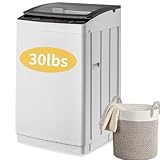
- TAR Score8.9
TAR Score is a ranking system developed by TopAppliancesReviews.com. TAR score has no relationship or impact from any manufacturers or sales agent websites. Learn more
- BrandGODECOR

- TAR Score8.7
TAR Score is a ranking system developed by TopAppliancesReviews.com. TAR score has no relationship or impact from any manufacturers or sales agent websites. Learn more
- BrandAuertech

- TAR Score8.0
TAR Score is a ranking system developed by TopAppliancesReviews.com. TAR score has no relationship or impact from any manufacturers or sales agent websites. Learn more
- BrandBorcolo

- TAR Score7.7
TAR Score is a ranking system developed by TopAppliancesReviews.com. TAR score has no relationship or impact from any manufacturers or sales agent websites. Learn more
- BrandBLACK+DECKER

- TAR Score7.2
TAR Score is a ranking system developed by TopAppliancesReviews.com. TAR score has no relationship or impact from any manufacturers or sales agent websites. Learn more
- BrandGeneric
Last update on 2026-10-28 / Affiliate links / Images, Product Titles, and Product Highlights from Amazon Product Advertising API
FAQs
Are front load washers more reliable than top load washers?
Top load washers typically experience fewer catastrophic bearing and seal failures than front load models. Front loaders place the entire weight of wet laundry onto a single rear bearing, putting constant strain on the drum support. They also rely on a rubber door gasket that easily collects water and breeds mildew. Top load washers hang the tub vertically from balanced suspension springs, distributing weight evenly and draining water without a rubber door seal.
How many years should a dependable top load washer last?
A dependable top load washer with simple mechanical controls can run reliably for ten to fifteen years with basic upkeep. Modern high-tech washers with digital touchscreens and complex sensor boards often experience electronic glitches within five to eight years. You can extend your washer's operating life by running balanced loads, cleaning the drain pump filter, and avoiding excess detergent.
Can hard water ruin a top load washing machine early?
Hard water contains high levels of dissolved calcium and magnesium that leave crusty mineral scale on internal parts. Over time, these mineral deposits clog water inlet screens, coat heating elements, and stiffen rubber valve seals, causing slow fills or minor leaks. Running a hot wash cycle once a month with white vinegar or a washer cleaner dissolves scale and protects your machine's plumbing.
Why does my top load washer shake violently during the spin cycle?
Violent shaking during the spin cycle is usually caused by an uneven laundry load, unlevel feet, or worn suspension rods. When heavy garments like jeans or blankets bunch up on one side of the tub, the washer spins out of balance and hits the cabinet frame. If your machine shakes on every load regardless of how you arrange the clothes, adjust the leveling legs on the floor and check whether the suspension springs have lost their tension.


10 Best Washing Machine For King Size Comforter of 2026 For Bulky Bedding

11 Best Semi Automatic Washing Machine Under 10000 of 2026 For Apartments and RVs

9 Best Compact Refrigerator For Beer Bottles of 2026 For Upright Bottle Fit

10 Best Quality Semi Automatic Washing Machine of 2026 For Leak-Free Laundry

11 Best Small Washer Machine of 2026 For Everyday Laundry

12 Best Vibration Pads For Washing Machine of 2026 To Stop Walking and Shaking

11 Best Selling Front Load Washing Machine of 2026 For Quiet Odor-Free Laundry

11 Best Washing Machine For King Size Bedding of 2026 To Prevent Cycle Errors





