
Is Suja Organic Juice Actually Good for You?

Yes, but it depends on the bottle. A cold-pressed organic juice gives you genuine vitamins and plant nutrients without artificial flavors or added preservatives. Crushing real produce packs clean nourishment into a quick drink. However, fruit-heavy varieties carry high amounts of natural sugar without any chewy pulp to slow down digestion. That means some bottles deliver a great nutritional lift, while others act like liquid sugar with extra vitamins.
A green blend loaded with celery, spinach, and lemon offers a crisp micronutrient boost with very little sweetness. In contrast, bottles built on apple or mango purees flood your system with fast-absorbing sugars that can trigger a sharp energy crash. Your daily routine matters just as much, because extracting the liquid removes the plant pulp that slows digestion and keeps you full. Learning what to look for on the label helps you pick the right drink before you hit the checkout counter.
Suja delivers real nutrients but sugar varies by recipe
Standing in the refrigerated beverage aisle, holding a five-dollar bottle of Suja, you might wonder if you are paying for genuine health or just certified organic sugar water. The short answer depends entirely on which recipe you pull off the shelf. Suja makes its drinks from certified organic produce, avoids synthetic chemical preservatives, and never adds refined white cane sugar or high-fructose corn syrup to its cold-pressed lines. You get genuine plant-based antioxidants, active enzymes, and real vitamins from leafy greens, roots, and citrus fruits.
The confusion starts because shoppers often assume every bottle carrying a bright green label is automatically low in sugar and universally good for metabolism. That is not how liquid produce works. Blends built around heavy amounts of organic apples, pineapples, mangos, or sweet beets contain substantial amounts of naturally occurring fructose and sucrose. Even though those sugars originate from clean, pesticide-free farms rather than a sugar refinery, your digestive system and your liver process the incoming carbohydrates in virtually the same manner.
When you choose a vegetable-first bottle like Suja Uber Greens, you drink a clean mix of cucumber, celery, grapefruit, green chard, romaine lettuce, lemon, kale, spinach, parsley, and mint tea. That combination keeps carbohydrate levels low, delivers meaningful doses of vitamin A and vitamin K, and avoids overloading your bloodstream. On the other hand, choosing a fruit-forward blend or a sweet root drink means consuming a dense concentration of liquid carbs in just a few gulps.
Much like evaluating whether R.W. Knudsen juice is healthy for everyday drinking, judging Suja comes down to the ratio of sweet fruit to bitter vegetables inside each bottle. If you grab a bottle packed with dark leafy greens to supplement a meal that lacked vegetables, you give your body a clean micronutrient lift. If you grab a sweet, fruit-packed bottle thinking it functions as a weight-loss tonic, you might actually spike your daily calorie and sugar totals without realizing it.
Cold pressure preserves fresh vitamins without using high heat
Traditional supermarket juices sit on unrefrigerated middle shelves for six months or longer because manufacturers pasteurize them with boiling heat. While extreme heat kills harmful bacteria, yeasts, and molds, it also breaks down delicate plant enzymes, alters the fresh flavor, and degrades heat-sensitive micronutrients like vitamin C. If you have ever looked into how to make juice shelf stable, heat pasteurization is the standard commercial method, but it leaves you with cooked, dull juice.
Suja takes a completely different path called cold-pressure processing, often labeled on the bottle as high-pressure processing or HPP. In this method, raw fruits and vegetables are first cold-pressed: crushing and squeezing produce with a heavy press instead of fast, hot blades. Traditional fast-spinning blades whip air into the liquid and generate friction heat, which starts breaking down vitamins before the juice even hits the bottle. A slow hydraulic press squeezes the liquid out gently, keeping the temperature cold and protecting delicate plant nutrients.
Once the juice is bottled and sealed, the plastic bottles enter a high-pressure cold water chamber. Submerged under thousands of pounds of chilled water pressure, any lingering bacteria or pathogens burst at a microscopic level without the liquid ever being cooked. This cold-pressure processing gives you the safety of pasteurization while leaving the raw taste, vibrant colors, and fragile micronutrients intact.
The trade-off for avoiding heat pasteurization is strict perishability. Cold-pressed, pressure-treated juice must remain refrigerated from the packaging facility to your home refrigerator. These bottles have a relatively short lifespan, often lasting only a couple of weeks to a month before quality drops off. Once you twist open the cap, the seal breaks and ambient air enters, meaning you need to finish the bottle within a few days before natural fermentation and nutrient breakdown begin.
Missing plant fiber causes your body to absorb sugar quickly
The biggest nutritional catch with drinking bottled juice lies in what gets left behind during extraction. When you eat whole fruits and vegetables, you consume large amounts of insoluble fiber: the chewy vegetable and fruit pulp that slows digestion and keeps you full. That fibrous structure forms a physical mesh in your stomach and small intestine, requiring your digestive enzymes to work slowly to release the trapped sugars into your blood.
Juicing strips out that entire fibrous skeleton, leaving behind pure liquid vitamins, water, and dissolved natural sugars. Because there is no chewy bulk to slow down your stomach emptying, the liquid passes straight into your intestines and dumps its sugar payload into your bloodstream within minutes. Your pancreas must quickly release a surge of insulin to bring your blood sugar back down. That sharp rise is frequently followed by a sudden blood sugar drop, leaving you feeling sluggish, irritable, and hungry an hour later.
Consider what goes into a single sweet juice blend. A medium bottle might contain the extracted liquid of three whole apples, half a beet, and two large carrots. Chewing your way through that mountain of solid produce would take twenty minutes of jaw work, fill your stomach to the brim, and keep you satisfied for hours because of the heavy volume of insoluble fiber. Drinking that exact same produce in liquid form takes less than two minutes, barely triggers your stomach's stretch receptors, and provides almost zero fullness.
This rapid absorption means cold-pressed juice does not work well as a standalone meal replacement. It gives you a burst of hydration and vitamins, but without protein, healthy fats, and intact plant fiber, your brain never registers true satiety. Drinking sweet juice on an empty stomach first thing in the morning is a common mistake that triggers early morning energy rollercoasters, especially for anyone managing insulin sensitivity or blood sugar swings.
Simple label checks help you dodge high liquid sugar
You do not need an advanced nutrition degree to separate the genuinely healthy Suja bottles from the glorified fruit drinks. You just need to know what to look for on the nutrition facts panel while standing in the grocery aisle. Following a quick four-step check keeps you from buying accidental sugar bombs.
- Check the bottle serving count: Look closely at the serving size line at the very top of the label. Many 12-ounce or 16-ounce juice bottles contain two separate servings per container. If the label lists twelve grams of sugar per serving and you drink the whole bottle, you are consuming twenty-four grams of liquid sugar. Always calculate numbers for the entire bottle you plan to drink.
- Read the first three ingredients: Ingredients are listed strictly by weight from highest to lowest. If the first ingredients are cucumber, celery, chard, or filtered water, the bottle leans heavily toward hydrating, low-calorie greens. If the first two ingredients say apple juice, mango puree, or grape juice, you are holding a sweet fruit drink that simply has a few green leaves added for color.
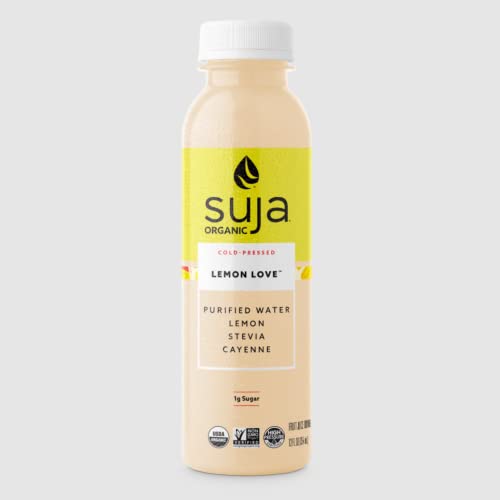
- Aim for single-digit sugar totals: For everyday wellness sipping, look for bottles that keep total sugar under ten grams for the whole container. Blends like Suja Lemon Love use lemon juice and purified water with natural stevia, delivering high doses of vitamin C with only around 15 calories per serving and minimal carbohydrates. Similarly, Uber Greens relies on leafy greens, celery, and mint tea to keep sugars close to zero.
- Skip the multi-day liquid cleanses: Suja sells multi-bottle 3-Day cleanse packs designed to kickstart routines, but relying purely on juice for days is medically unnecessary. Your liver, kidneys, and lungs clean your bloodstream around the clock without requiring liquid fasting. Living on juice alone for three days causes water weight loss, headaches, and muscle fatigue from a severe lack of protein, which usually ends in rebound binge eating. Drink low-sugar green juice alongside whole, balanced meals instead of starving your body on liquid diets.
If you prefer sweet blends that feature ingredients like sweet beets, carrots, or apples, treat them as an athletic fuel source or an occasional replacement for dessert. Drink them right before an intense workout when your muscles can immediately use the fast-burning carbohydrates for energy, or pair them with a handful of raw walnuts or a boiled egg to let dietary fat and protein slow down sugar absorption.
Countertop juicers and blenders offer better daily nutrient control
Grabbing a pre-bottled organic juice is wonderfully convenient when you are rushing through an airport or taking a quick lunch break. But buying individual cold-pressed bottles every single day gets expensive fast. A daily bottle habit easily adds up to over one hundred dollars a month. Setting up your own appliance at home allows you to control the exact balance of greens, dial back the sweet fruits, and decide whether you want to drink pure juice or keep every scrap of healthy fiber.
The right machine for your kitchen depends entirely on how you want your produce to digest. The two main paths are countertop blending and home juicing:
- Countertop blenders: A standard blender features a blending jar or pitcher seated on a motorized base. Blenders do not strain anything out; their spinning blades pulverize whole fruits, tough kale stems, and seeds into a drinkable liquid. This keeps every gram of insoluble fiber intact, turning the produce into a thick, filling smoothie that steadies your blood sugar and keeps you full until lunchtime. Look for a motor strong enough to crush dense ice and fibrous greens into a smooth puree without bogging down, and check the height of the pitcher. Standard kitchen upper cabinets sit 18 inches above the counter, so make sure the machine slides underneath for easy storage. Models that include a tamper or plunger stick (a plastic wand that inserts through the lid hole while the machine runs) let you push thick ingredients down into the blades without creating empty air pockets around the spinning blades.
- Slow cold-press juicers: If you truly love the thin, crisp texture of pulp-free green juice, look for a slow masticating juicer. These machines use a slow-turning crushing screw called an auger to gently press produce against a fine screen, separating the liquid juice from the dry solid pulp. Unlike high-speed centrifugal juicers that use a fast-spinning mesh strainer basket to tear produce with heat and friction, slow auger machines mimic commercial cold-pressing. They run quietly, produce minimal foam, and squeeze maximum juice out of delicate leafy greens like spinach, parsley, and wheatgrass.
Before bringing any juicing or blending appliance home, evaluate how easy it is to clean. Juicing machines with half a dozen interlocking plastic parts and tiny screen crevices require careful scrubbing under the sink after every single glass. If a machine takes ten minutes to take apart and wash, it will quickly end up buried in a dark pantry cabinet. Blenders offer a clear advantage here because they support hands-free washing: simply fill the blending jar halfway with warm tap water, add a single drop of liquid dish soap, run the motor on high speed for 30 to 60 seconds, and rinse the pitcher clean.
Whether you choose to buy pre-bottled Suja green blends at the market or press your own fresh vegetables on the kitchen counter, the golden rule remains the same. Prioritize dark leafy greens, watch out for sneaky natural fruit sugars, and remember that whole foods should always form the foundation of your daily nutrition.

- TAR Score9.4
TAR Score is a ranking system developed by TopAppliancesReviews.com. TAR score has no relationship or impact from any manufacturers or sales agent websites. Learn more
- BrandVive Organic
- TAR Score9.0
TAR Score is a ranking system developed by TopAppliancesReviews.com. TAR score has no relationship or impact from any manufacturers or sales agent websites. Learn more
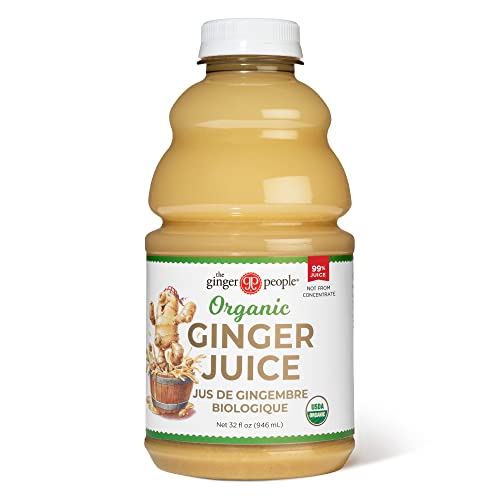
- BrandThe Ginger People

- TAR Score8.6
TAR Score is a ranking system developed by TopAppliancesReviews.com. TAR score has no relationship or impact from any manufacturers or sales agent websites. Learn more
- BrandSuja

- TAR Score8.6
TAR Score is a ranking system developed by TopAppliancesReviews.com. TAR score has no relationship or impact from any manufacturers or sales agent websites. Learn more
- BrandSuja
- TAR Score8.4
TAR Score is a ranking system developed by TopAppliancesReviews.com. TAR score has no relationship or impact from any manufacturers or sales agent websites. Learn more
- BrandSuja

- TAR Score8.0
TAR Score is a ranking system developed by TopAppliancesReviews.com. TAR score has no relationship or impact from any manufacturers or sales agent websites. Learn more
- BrandSuja

- TAR Score-
TAR Score is a ranking system developed by TopAppliancesReviews.com. TAR score has no relationship or impact from any manufacturers or sales agent websites. Learn more
- BrandVive Organic

- TAR Score-
TAR Score is a ranking system developed by TopAppliancesReviews.com. TAR score has no relationship or impact from any manufacturers or sales agent websites. Learn more
- BrandReady Set Gourmet
Last update on 2026-09-29 / Affiliate links / Images, Product Titles, and Product Highlights from Amazon Product Advertising API


Best Vitamix Immersion Blender Reviews: Top Choices for 2026

Banish Cramps with Homemade Pickle Juice: A Guide
Unravel the Secrets: How to Make Snake Juice at Home

Pear Juice: Unveiling the Health Benefits

Decoding the Effects: Is Pickle Juice a Laxative?

Unveiling the Truth: Is Cold Pressed Juice Pasteurized?
Is Pickle Juice Good for Plants? Unraveling the Truth

Orange Juice vs. Apple Juice: Uncovering the Better Choice






