
Are Front-Load or Top-Load Washers Better?

She opens the laundry closet and realizes a front-load washer would need room for its door to swing out. Neither front-load nor top-load washers are better for everyone; the right choice depends on the room and the way you like to load laundry.
A front-loader can make sense if you want to place a dryer on top or avoid reaching across a deep tub. A top-loader may feel easier if bending down is uncomfortable. In a small home, the washer’s footprint, room for doors to open, and access to water and drain connections can matter more than the loading style. The comparison below will help you check those details and match the washer to your routine.
How front-load and top-load washers feel to use
Neither loading style is comfortable for everyone. A front-load washer has a door on the front, so you place clothes into a low opening. A top-load washer opens from above, so you lift clothes over the rim. Your height, reach, and the room around the washer matter as much as the style itself.
A front-loader may suit you if bending is comfortable and you want to avoid reaching down into a deep tub. You can pull clothes straight out through the front door. If the washer sits under a counter, though, the door may be low, and you’ll need to bend each time you load or unload it.
A top-loader can be easier if bending down is uncomfortable. You stand at the opening and lift clothes out from above. But a deep tub can make it hard to reach small items at the bottom, especially if you’re shorter or have limited shoulder movement. Try to picture unloading a wet towel from the far side of the tub before you decide.
Some top-load washers have a center agitator post that twists clothes through the water. Others use a flat bottom wash plate, also called an impeller, to move laundry with water currents. The shape of the tub and the location of the controls can change how easy a particular model feels to reach into, so check the product details and look at the opening before buying.
Think about your usual laundry, too. If you wash bulky items, consider how easily you can lift them in and out without dragging them over the rim or door opening. If bending, reaching, or lifting is difficult, compare the exact models in person when possible, or check the opening height and tub shape listed by the manufacturer.
Check floor space, stacking, and door clearance
A front-loader often makes sense when you need to place a dryer on top of the washer. But stacking is only an option when the manufacturer approves that washer-and-dryer combination and lists a compatible stacking kit. Don’t assume two machines can be stacked just because they look similar or fit the same space.
A top-loader needs open space above it for the lid to lift. That can rule it out under a low counter or shelf. A front-loader needs room in front for its door to open, and you need enough space to stand there and move a laundry basket. Check both the machine’s listed size and the room needed to use it.
Before choosing, measure the route into the laundry area as well as the final spot. Include narrow doorways, hall turns, stairs, and any cabinet edges the washer must pass. Then compare the machine’s listed width, depth, and height with your measurements. Leave room for hoses behind the washer, using the clearance listed by the manufacturer rather than guessing.
- Opening space: Check whether a top-loader lid can lift fully, or whether a front-loader door can swing open without hitting a wall, cabinet, or another appliance.
- Working room: Stand where you would load and unload. Make sure you can reach the tub and set down a basket without blocking a doorway.
- Stacking: Confirm that the specific washer and dryer can be stacked together and that the required kit is available.
- Delivery route: Measure tight turns and door openings, not just the space where the washer will sit.
- Connections: Check where the water supply hoses, drain hose, and power cord will go, and confirm the listed clearance behind the machine.
A washer that fits on paper can still be awkward if its door blocks a walkway or the lid hits a shelf. If you can, mark the machine’s footprint on the floor and the door’s swing with tape. That simple check can reveal a problem before delivery.
Match the washer to your routine and setup
For everyday use, a fully automatic washer handles the wash, rinse, and spin steps in one machine. You add clothes and detergent, choose a cycle, and let it run. The exact cycle choices and controls vary by model, so check whether the machine has the settings you use for items such as everyday clothes, delicate fabrics, or bulky loads.
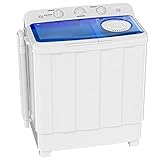
A twin-tub washer has a wash tub where clothes soak and move through the water, plus a separate spin basket that spins out water. You move clothes from one tub to the other yourself. That hands-on routine can work when you have a small load and don’t mind staying nearby, but it takes more attention than a machine that handles the steps automatically.
Apartment living doesn’t automatically make one loading style better. A standard washer may suit an apartment if the room has the right space, water and drain connections, and power supply. If you rent, check with the landlord or building manager before arranging installation, especially if the laundry area has no existing washer connections.
A portable washer may be an option when a full-size machine cannot fit or the room lacks standard washer connections. Some portable machines connect to a sink, while others need a different water and drain arrangement. Read the manufacturer’s setup instructions and confirm that your faucet and drain work with that exact model before buying.
Look closely at the faucet if the washer needs a sink connection. A quick-connect sink adapter may fit a standard threaded faucet, but a pull-out spray faucet may need a special adapter or may not work with the machine’s included parts. If the washer drains into a sink, make sure the hose can be secured as the manufacturer directs and that the sink can handle the flow.
Check whether the machine has a built-in drain pump, which pushes water up into a sink or standpipe, or a gravity drain hose, which must run low enough for water to flow naturally to a floor drain. Don’t assume the drain hose can reach or lift to your intended drain. Verify the instructions for hose placement, outlet needs, and water connections before bringing the washer home.
Portable washers are not all the same style. Some are fully automatic, while twin-tub models require you to move clothes from the wash tub to the separate spin basket. The available listed models include both types, so read the product description carefully instead of assuming that “portable” means one particular design. For more help comparing standard machines, see our guide to washing machines for different laundry setups.
What to look for if you need a compact washer
If a full-size washer won’t fit, focus first on the space and connections you actually have. Measure the available spot, check the route from the faucet to the washer, and confirm where the drain hose can safely discharge. Then decide whether you want an automatic cycle or are comfortable moving each load between separate tubs.
Check the manufacturer’s setup instructions for the exact model, including its faucet connection, drain method, outlet requirements, and the space it needs around the body. A compact washer can still be the wrong choice if its hose cannot reach the drain or its sink adapter does not match your faucet. If you cannot confirm a safe connection, ask the manufacturer or a qualified installer before using it.
Also consider the actual loads you plan to wash. A small portable machine may suit a few everyday items, but bulky bedding can be difficult to handle in a compact tub. Check the listed load limits and cycle details on the product page, and be realistic about whether you want to wash more often or keep using a shared laundry room for larger loads.
Choose a front-loader if its low opening and door swing work for you, and stacking or fitting beneath a counter is important. Choose a top-loader if reaching down to a low door would be uncomfortable and you have enough room above the machine. For a portable setup, let the available faucet, drain, and floor space guide you before the loading style.

- TAR Score8.9
TAR Score is a ranking system developed by TopAppliancesReviews.com. TAR score has no relationship or impact from any manufacturers or sales agent websites. Learn more
- BrandGIANTEX

- TAR Score8.6
TAR Score is a ranking system developed by TopAppliancesReviews.com. TAR score has no relationship or impact from any manufacturers or sales agent websites. Learn more
- BrandGIANTEX

- TAR Score7.9
TAR Score is a ranking system developed by TopAppliancesReviews.com. TAR score has no relationship or impact from any manufacturers or sales agent websites. Learn more
- BrandWinado
- TAR Score7.2
TAR Score is a ranking system developed by TopAppliancesReviews.com. TAR score has no relationship or impact from any manufacturers or sales agent websites. Learn more
- BrandAuertech

- TAR Score7.1
TAR Score is a ranking system developed by TopAppliancesReviews.com. TAR score has no relationship or impact from any manufacturers or sales agent websites. Learn more
- BrandGeneric
Last update on 2026-11-09 / Affiliate links / Images, Product Titles, and Product Highlights from Amazon Product Advertising API
FAQs
Which washer is easier to load and unload?
A top-loader may be easier if you prefer standing upright and reaching down into the tub is comfortable. A front-loader may be easier if you’d rather pull clothes through a front door than reach across a deep tub. The opening height and tub shape vary, so compare the exact models with your reach and movement in mind.
Can I stack either type with a dryer?
Some front-load washers can be stacked with a matching dryer, but you must confirm that the manufacturer approves that exact pair and lists a compatible kit. Top-load washers need open space for the lid, so they generally are not suited to a dryer placed directly above them. Check the washer and dryer instructions before planning a stacked setup.
What should I check before buying a washer for an apartment?
Measure the washer space, doorways, and door or lid clearance, then confirm that the water supply, drain, and power setup match the machine’s instructions. For a portable washer, verify that your faucet connection and drain arrangement are compatible with the exact model. If you rent or are unsure about the connections, ask the building manager or a qualified installer before setting it up.
Related guides: are front load washers better.


10 Best Washing Machine For King Size Comforter of 2026 For Bulky Bedding

11 Best Semi Automatic Washing Machine Under 10000 of 2026 For Apartments and RVs

9 Best Compact Refrigerator For Beer Bottles of 2026 For Upright Bottle Fit

10 Best Quality Semi Automatic Washing Machine of 2026 For Leak-Free Laundry

11 Best Small Washer Machine of 2026 For Everyday Laundry

12 Best Vibration Pads For Washing Machine of 2026 To Stop Walking and Shaking

11 Best Selling Front Load Washing Machine of 2026 For Quiet Odor-Free Laundry

11 Best Washing Machine For King Size Bedding of 2026 To Prevent Cycle Errors





