
Is a Washer Dryer Combo as Good as Separate Machines?

Yes, but not in every way. A washer dryer combo can clean and dry clothes in one unit, which can be a welcome fit when there’s no room for two machines. Separate machines usually offer more flexibility because one load can dry while another washes. With a combo, the next load has to wait until the wash-and-dry cycle ends.
The trade-off depends on your space, how often you do laundry, and how long you can wait for a load to finish. The amount you wash also matters: a combo may not be able to dry a full wash load at once, so follow its instructions to avoid clothes coming out damp. Before deciding, compare the space you’ll save with the laundry routine you need.
The Short Version
- A washer dryer combo can clean clothes in one unit and dry them without moving laundry to another machine.
- Separate machines are more flexible: one load can dry while you wash the next.
- A combo may take longer to get a full day’s laundry done because washing and drying happen one after the other.
- Before buying, check how much laundry the unit can dry, how it dries clothes, and what hookups your space needs.
How a Combo Compares With Separate Machines
For everyday cleaning, a combo can wash clothes much like a standalone washer. The main difference is not whether it can clean a normal load. It is what happens after the wash: the same unit must finish drying before you can start another load in it.
With separate machines, you can move a finished wash load into the dryer and start washing the next load right away. If you do laundry for several people, or need uniforms and towels ready on the same day, that overlap can make a real difference.
A combo trades that flexibility for space. One appliance takes the place of two, which can be useful in an apartment laundry closet, a small home, or an RV where separate machines will not fit. You also avoid carrying wet clothes from one machine to another.
“As good” depends on what you value. For someone who does a small load now and then and has nowhere for two machines, the combo’s convenience may outweigh the wait. For someone who regularly runs several loads back to back, separate machines are usually easier to work into the day.
Can You Wash Another Load While a Combo Dries?
Usually, no. In an all-in-one combo, the washer and dryer share the same clothes drum, so the unit cannot wash a new load while the current load is drying. The next load has to wait until the first cycle is finished and the clothes are removed.
That is different from separate machines. You can wash one load while another dries, then keep both machines moving as loads finish. Picture a weekend with bedding, towels, and everyday clothes: separate machines let you overlap those jobs, while a combo handles them in sequence.
Some combos have a wash-only setting, so you can take clothes out damp and dry them elsewhere if you have another option. Check the unit’s instructions before counting on a particular cycle or sequence. The available settings vary by model.
Why a Combo Can Take Longer to Finish Laundry
A combo has to complete the wash and dry steps in the same drum. That means you cannot save time by starting a second wash while the first load dries. The full cycle can also vary with the unit, selected settings, fabric, load size, and how damp the clothes are when drying begins.
Do not plan around a cycle time you saw for a different model. Check the manufacturer’s product page and instructions for the expected time for the specific wash-and-dry setting you intend to use. Allow for the fact that a fuller load or a different fabric mix may change the result.
If you need one outfit dry before leaving, a combo may not offer the same flexibility as a separate washer and dryer. You can plan that item’s wash earlier, use a suitable setting listed in the instructions, or keep a backup outfit available. Avoid assuming every quick or overnight setting will suit every fabric or load.
Will Everything You Wash Fit in the Dryer?
Not always. A unit’s washing capacity and drying capacity may differ, so a load that fits for washing may be too large to dry effectively in the same drum. The clothes need room to move as they dry, much like a crowded closet makes it harder for air to reach everything.
Check the manual for the allowed load size for drying, not just the headline capacity. Also look for instructions on bulky items, mixed fabrics, and whether the unit expects you to remove some clothes before drying. Follow those directions instead of assuming the wash load can stay together.
- Find the stated washing capacity and drying capacity in the product details or manual.
- Check whether the directions set a smaller load limit for drying.
- Look for guidance on towels, bedding, heavy fabrics, and mixed loads.
- If clothes come out damp, check whether the load exceeded the drying limit before changing settings.
When too many clothes are packed in, items may not dry evenly. A smaller load may take more separate cycles, but it can be a better fit for the machine’s drying instructions. If you often wash large blankets or several towels together, confirm that the unit is meant to handle those items before buying.
When Does a Combo Make Sense for Your Laundry Routine?
A combo is worth considering when space is the main obstacle and your laundry routine can work around one load at a time. It can also suit someone who prefers putting clothes in once and not having to remember to move them from washer to dryer.
Separate machines make more sense when you often need to finish multiple loads quickly, have a large household, or rely on laundry being ready by a set time. A combo may still fit your space, but be honest about how often you would have to wait for it.
- Look at your space: Measure the spot for the machine and check whether doors, drawers, and walkways still have room to open.
- Think through a busy laundry day: Count the loads you usually do and ask whether running them one after another would be manageable.
- Consider your timing: If you need dry clothes at a certain hour, confirm that the listed cycle options fit your routine.
- Account for where wet clothes go: If you may need to remove part of a wash load before drying, make sure you have a clean place to set it.
- Be realistic about bulky laundry: Check the manual’s limits for items you wash often, such as towels or bedding.
For a small apartment with occasional laundry, waiting through a full cycle may be a fair exchange for freeing up floor space. For a family that runs loads throughout the day, the same wait could turn into a bottleneck. Your usual week is a better guide than an unusually light laundry day.
What to Confirm Before Buying a Combo
Start with the exact installation details for the unit, rather than assuming it will connect the way your current washer does. Some models may need a drain connection or a particular water supply arrangement. Check the manufacturer’s listed requirements and compare them with the hookups already in your laundry area.
- Capacity: Confirm both wash and dry limits, and compare them with the size of the loads you normally do.
- Drying setup: Check how the unit releases moisture and whether that method works in your room. Do not assume every combo uses the same drying setup.
- Water and drain hookups: Check which supply hoses and drain connection the unit requires. If the hookups are unclear, ask the seller or manufacturer before ordering.
- Power needs: Verify the power requirements on the product page or manual and make sure your outlet matches. Do not use a lightweight extension cord to make an unsuitable location work.
- Fit and access: Confirm the listed width, depth, and height, plus room for hoses and for opening the door. Make sure the unit can get through doorways and into its final spot.
- Use in your space: If you rent or live in an RV, confirm that the installation is allowed and that the available hookups suit the specific unit.
If the required outlet, water supply, or drain is missing or unclear, pause before purchase. Ask the property manager, manufacturer, or a qualified installer what changes would be needed. Do not improvise wiring or plumbing to force a fit.
What Kind of Machine Fits a Small Laundry Space?
If two machines will not fit, a compact washer dryer combo can solve the space problem, provided its drying limit and cycle routine suit your household. Compare the listed wash and dry capacities, drying setup, hookup needs, and fit with your actual laundry habits before choosing one.
If you decide separate machines are a better match, you can also compare washing machines for a tighter budget as one step in planning a separate setup. Check the space and installation needs for each appliance before committing to the pair.

- TAR Score9.6
TAR Score is a ranking system developed by TopAppliancesReviews.com. TAR score has no relationship or impact from any manufacturers or sales agent websites. Learn more
- BrandEquator Advanced Appliances
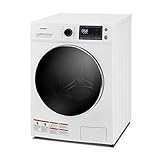
- TAR Score8.8
TAR Score is a ranking system developed by TopAppliancesReviews.com. TAR score has no relationship or impact from any manufacturers or sales agent websites. Learn more
- BrandCOMFEE'
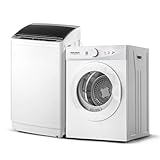
- TAR Score8.8
TAR Score is a ranking system developed by TopAppliancesReviews.com. TAR score has no relationship or impact from any manufacturers or sales agent websites. Learn more
- BrandROVSUN

- TAR Score8.4
TAR Score is a ranking system developed by TopAppliancesReviews.com. TAR score has no relationship or impact from any manufacturers or sales agent websites. Learn more
- BrandAuertech

- TAR Score7.4
TAR Score is a ranking system developed by TopAppliancesReviews.com. TAR score has no relationship or impact from any manufacturers or sales agent websites. Learn more
- BrandCONTOURE
Last update on 2026-11-08 / Affiliate links / Images, Product Titles, and Product Highlights from Amazon Product Advertising API
FAQs
Does a combo wash and dry clothes as well as separate machines?
A combo can clean everyday laundry and dry it in the same unit, but results depend on the model, load, and settings. Separate machines offer more flexibility and let you run the next wash while another load dries. Follow the unit’s instructions for load size and fabric type.
Are clothes dry when the combo cycle ends?
They may be, if the load size and fabrics suit the unit’s drying instructions. A load that is too full or contains heavy items may not dry evenly. Check the manual’s drying limit and remove clothes as directed.
Is a combo a good choice for an apartment or RV?
It can be a useful option when there is room for only one laundry appliance. First confirm the unit’s dimensions, hookups, power needs, and drying method against the space. In an RV or rental, check that the installation is permitted and suitable.
What is the biggest trade-off with a washer dryer combo?
The biggest trade-off is that you cannot usually wash a new load while the same unit dries the previous one. That can stretch a busy laundry day. If you do only occasional loads and need to save space, the slower sequence may be acceptable.
Related guides: washer dryer combo vs separate machines.


10 Best Washing Machine For King Size Comforter of 2026 For Bulky Bedding

11 Best Semi Automatic Washing Machine Under 10000 of 2026 For Apartments and RVs

9 Best Compact Refrigerator For Beer Bottles of 2026 For Upright Bottle Fit

10 Best Quality Semi Automatic Washing Machine of 2026 For Leak-Free Laundry

11 Best Small Washer Machine of 2026 For Everyday Laundry

12 Best Vibration Pads For Washing Machine of 2026 To Stop Walking and Shaking

11 Best Selling Front Load Washing Machine of 2026 For Quiet Odor-Free Laundry

11 Best Washing Machine For King Size Bedding of 2026 To Prevent Cycle Errors





