
How to Use a Wusthof Knife Sharpener Without Ruining the Blade

Set the sharpener flat on a steady counter before bringing any knife to it. A firm grip on a level surface keeps the tool from rocking, protecting both fingers and the blade. Place the heel (the back end nearest the handle) straight into the slot, and pull backward with light pressure. Always draw the blade through in one smooth stroke toward the tip. Pushing forward or sawing back and forth will chew up the steel and damage the cutting edge.
The right technique depends on how dull the knife is and the angle of the blade. Severely blunt knives need a few slow passes through the coarse carbide slot first, while knives needing a routine touch-up only belong in the fine ceramic rods. Multi-stage models also separate standard Western blades from thinner Asian edges. Taking the right approach helps restore a crisp edge in minutes without stripping away good steel.
Step-by-Step Pull-Through Technique for Clean Results
Setting up your workspace correctly is the secret to sharpening kitchen knives without scratching the sides of the blade or taking off too much steel. Before you touch the sharpener, wash your knife with warm soapy water and wipe it completely dry. Grease, oil, or food particles clinging to the metal can build up inside the sharpening slots and coat the abrasive surfaces, reducing their ability to grab and reshape the edge.
Place your sharpener on a clean, completely flat surface such as a sturdy wooden cutting board or a clean countertop. If your counter is slick, place a damp kitchen towel or a silicone mat beneath the unit to prevent it from sliding while you work. Grasp the sharpener handle firmly with your non-dominant hand, keeping your fingers tucked securely behind the protective guard. Hold the knife handle with your dominant hand, wrapping your fingers securely around the grip.
- Insert the heel into the slot: Position the heel (the thick back end of the blade closest to the handle) into the center of the V-shaped guide. Ensure the blade stands straight up at a 90-degree angle to the table surface. Tilting the blade to the left or right will grind away steel unevenly along the bevel (the angled cutting edge of the knife).
- Apply light, even downward pressure: Do not press down into the slot with heavy force. The weight of the knife itself, paired with very light hand guidance, provides all the force required for the internal rods to do their job.
- Pull straight back toward your body: Draw the knife backward toward you in one smooth, uninterrupted motion. Maintain a steady pace from start to finish, taking about two to three seconds to travel the length of an eight-inch blade.
- Follow the natural curve of the belly: As you pull the blade through and reach the curved belly near the tip, raise your elbow and wrist slightly. This gentle upward motion ensures the curved portion of the edge stays perfectly centered between the sharpening rods instead of slipping out.
- Lift the blade clear at the tip: Stop the pull just as the tip reaches the rods, then lift the blade up and away from the slot. Never let the tip snap off the back edge of the sharpener, as this can blunt or round the delicate point.
After finishing your pulls, wipe the blade thoroughly with a soft cloth or paper towel to remove any fine metal dust. Inspect the cutting edge under a bright kitchen light to verify that the line looks clean, straight, and uniform from the heel to the point.
Choosing Between Coarse, Fine, and Asian Edge Slots
Most pull-through units feature multiple stages to address different levels of blade wear. Understanding what happens inside each slot helps you restore an edge quickly without stripping away good steel unnecessarily. The coarse slot contains carbide blades (hard metal cutting teeth arranged in a V-shape). These carbide cutters physically shave away tiny ribbons of metal to reshape an edge that has become rounded, notched, or completely dull.
The fine slot contains ceramic rods (smooth ceramic finishing stones). Ceramic does not remove visible ribbons of metal. Instead, it performs honing (straightening an edge and smoothing away microscopic rough spots without stripping away lots of steel). Honing also polishes the apex and removes the burr (the microscopic wire edge or curved sliver of metal that forms on the opposite side during sharpening). If your knife is only slightly dull from cutting vegetables throughout the week, running it through the fine ceramic slot alone will bring back its razor edge in seconds.
If you own a universal sharpener, you will also see slots marked for standard blades and Asian blades. Standard Western knives, such as those found in german high-carbon steel knife sets, feature a wider, more durable edge bevel designed to withstand heavy chopping through hard squashes, thick carrots, and dense root vegetables. In contrast, delicate Japanese chef knives feature a steeper, narrower edge angle made for paper-thin slicing of meats, fish, and soft vegetables.
Running a standard German blade through an Asian slot cuts the bevel too thin, making the edge prone to chipping during everyday kitchen prep. Running an Asian blade through a standard slot thickens the cutting bevel, preventing the blade from gliding effortlessly through food. Matching the knife to the correct slot preserves the exact geometry the manufacturer gave the steel.
- Check blade dullness: If the knife slides off smooth onion skins, start with three to five pulls through the coarse carbide slot.
- Handle routine touch-ups: If the knife still cuts but feels slightly sluggish, skip the coarse slot and use five to eight pulls through the fine ceramic slot.
- Match knife origin: Use standard slots for traditional German and Western knives; use Asian slots strictly for Japanese-style cutlery.
- Always finish with fine: Whenever you use the coarse slot, always follow it with three to five light pulls through the fine ceramic slot to smooth away the rough burr.
Common Sharpening Mistakes That Chew Up Knife Steel
The most common mistake home cooks make with a pull-through sharpener is pressing down with excessive force. People often assume that harder downward pressure creates a sharper edge faster. In reality, bearing down on the blade forces the hard carbide cutters to bite too deeply into the steel. This creates jagged chatter marks, deep scratches, and an uneven, wavy cutting edge that tears food instead of slicing it cleanly.
Another damaging habit is sawing the knife back and forth inside the slot. Handheld sharpeners are strictly one-directional tools. Pushing the knife forward into the V-shaped cutters drives the delicate apex headfirst into the hard abrasive surfaces. This forward motion rolls the edge over, chips the thin steel, and can permanently ruin the blade contour. Always pull backward toward yourself, lift the blade completely out of the slot, and reset the heel at the front of the channel for the next stroke.
Rushing the stroke around the tip of the knife also creates uneven wear. When cooks pull quickly, they often fail to lift their wrist as the blade curves, causing the tip to lose contact with the sharpening rods. Alternatively, they pull too far and let the tip violently snap off the exit of the slot. Both habits round off the sharp point of your chef knife over time. Keep your motion deliberate and controlled, following the profile of the blade all the way through.
Once you finish sharpening, avoid checking the edge by running your bare thumb across the steel. You can confirm sharpness safely using common kitchen items instead:
- The paper slicing check: Hold a standard sheet of printer paper loosely by the top corner. Place the heel of the knife against the top edge and slice downward with a gentle pulling stroke. A properly sharpened blade will glide through the paper cleanly without catching, snagging, or tearing.
- The ripe tomato check: Set a ripe tomato on your cutting board. Rest the knife edge against the slick skin and draw it backward using only the weight of the knife. If the blade bites instantly through the skin without requiring downward pressure or squishing the flesh, your edge is completely restored.
Matching Your Cutlery to the Right Style of Sharpener
Choosing the right sharpening tool comes down to the types of kitchen knives you reach for every day. If your collection consists mainly of classic Western chef knives and utility blades, a compact two-stage handheld sharpener provides everything needed to keep those durable edges in peak condition. The built-in angle guides eliminate guesswork, ensuring you restore the factory cutting angle every single time.
If your kitchen knife block holds a blend of Western knives and thinner Japanese slicing blades, a multi-stage universal sharpener is the more practical choice. These units provide dedicated slots ground to the distinct angles required by both styles of cutlery. Look for models featuring heavy-duty rubber feet or textured base pads that grip the countertop securely, as a stable foundation prevents slipping and protects your fingers while you pull blades through the channels.
Consider the handle design as well. A wide, ergonomic handle that rises well above the sharpening slots keeps your non-dominant hand comfortably separated from the path of the moving blade. Having separate carbide wheels for dull edge repair and smooth ceramic rods for regular honing gives you complete control over how much steel you remove, extending the overall lifespan of your kitchen cutlery for years of daily cooking.

- TAR Score9.4
TAR Score is a ranking system developed by TopAppliancesReviews.com. TAR score has no relationship or impact from any manufacturers or sales agent websites. Learn more
- BrandACCUSHARP

- TAR Score9.2
TAR Score is a ranking system developed by TopAppliancesReviews.com. TAR score has no relationship or impact from any manufacturers or sales agent websites. Learn more
- BrandWüsthof

- TAR Score9.2
TAR Score is a ranking system developed by TopAppliancesReviews.com. TAR score has no relationship or impact from any manufacturers or sales agent websites. Learn more
- BrandWüsthof

- TAR Score9.2
TAR Score is a ranking system developed by TopAppliancesReviews.com. TAR score has no relationship or impact from any manufacturers or sales agent websites. Learn more
- BrandWüsthof

- TAR Score9.0
TAR Score is a ranking system developed by TopAppliancesReviews.com. TAR score has no relationship or impact from any manufacturers or sales agent websites. Learn more
- BrandWüsthof

- TAR Score9.0
TAR Score is a ranking system developed by TopAppliancesReviews.com. TAR score has no relationship or impact from any manufacturers or sales agent websites. Learn more
- BrandWüsthof

- TAR Score8.8
TAR Score is a ranking system developed by TopAppliancesReviews.com. TAR score has no relationship or impact from any manufacturers or sales agent websites. Learn more
- BrandWüsthof

- TAR Score8.6
TAR Score is a ranking system developed by TopAppliancesReviews.com. TAR score has no relationship or impact from any manufacturers or sales agent websites. Learn more
- BrandWüsthof
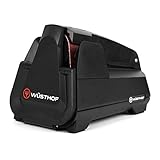
- TAR Score8.6
TAR Score is a ranking system developed by TopAppliancesReviews.com. TAR score has no relationship or impact from any manufacturers or sales agent websites. Learn more
- BrandWüsthof

- TAR Score8.4
TAR Score is a ranking system developed by TopAppliancesReviews.com. TAR score has no relationship or impact from any manufacturers or sales agent websites. Learn more
- BrandWüsthof
Last update on 2026-10-27 / Affiliate links / Images, Product Titles, and Product Highlights from Amazon Product Advertising API
FAQs
Can you use a Wusthof sharpener on serrated bread knives?
You should only use the fine ceramic slot for serrated bread knives, never the coarse carbide slot. Carbide teeth can catch on the serration points and rip metal away, damaging the teeth. Pull the serrated blade gently through the ceramic rods a few times to smooth out minor burs along the scalloped edge.
How many times should you pull a knife through the sharpener?
For a badly dull knife, three to five smooth pulls through the coarse slot are usually enough to reshape the edge. Follow that with five to eight pulls through the fine ceramic slot to polish the metal. For weekly edge maintenance, skip the coarse slot entirely and use five pulls through the fine slot.
Do you need to use water, oil, or cleaning spray on a pull-through sharpener?
No, pull-through sharpeners are designed for completely dry use. Adding water, honing oil, or cleaning spray to the slots can cause metal shavings to stick together, clogging the internal rods and reducing sharpening efficiency. Always sharpen completely dry blades and wipe away loose metal dust with a dry cloth when finished.


Top Best Quiet Portable Generator Electric Start 2026 - (2026 Updated)

The 10 Best Portable Power Station For Tailgating 2026

10 Best Washing Machine For King Size Comforter of 2026 For Bulky Bedding

11 Best Semi Automatic Washing Machine Under 10000 of 2026 For Apartments and RVs

The Best Concrete Floor Buffer 2026 - Top Choices

Best Cooling Fan with HEPA Filter: Our 2026 Top Picks for Cleaner Air

Best poulan chainsaw 2026 - Reviews & Buying Guides

Value Picks: 10 Vitamix 5300 Best Price of 2026




