
How to Use the Tin Opener on a Swiss Army Knife Without Slipping

Dinner waits on the camp table inside a stubborn soup can while the folding blade skids across the top, leaving dented metal instead of an opening. Getting through that lid quickly requires catching the small curved hook under the raised outer rim and pushing the blade forward with a gentle rocking motion. Each push uses the can edge as a steady pivot point, biting through the tin without slipping toward your fingers.
The feel of the cut changes slightly with the tool in your hand. Most modern folding knives cut forward away from your body, but some older designs pull backward instead. A combination blade that also opens bottles sits at a flatter angle than a dedicated can cutter, and unusually thick metal cans need more downward pressure on the first puncture. Once the blade sits firmly in the groove, the steps below help you walk it smoothly around the lid.
Which tool is the actual can opener?
Many pocket knives carry two opener blades on opposite ends of the handle, and picking the wrong one is the most common reason people struggle. The larger blade is the bottle opener, also called a cap lifter. That tool has a blunt profile with a wide flat tip for slotted screws and a deep, downward notch designed to pry under bottle caps. If you press that blunt blade into a tin can lid, it simply dents the metal without piercing it.
The actual can opener is smaller and shaped like a curved beak. It has an angled, sharpened cutting edge along its lower curve and a small flat tip on the front designed to turn small screws. Directly beneath the cutting edge, you will find a small curved hook (notch). That hook is the pivot guide that locks against the outside edge of the can.
Some slimmer pocket knives feature a combo tool (a single blade for both bottles and cans) instead of separate blades. A combo tool looks like a bottle opener with a curved, sharpened front edge. It handles both caps and cans, but because it combines two tasks, its cutting face is slightly wider. Knowing which blade you are holding prevents slipping before you even make the first cut.
How do you cut open the can step by step?
Opening a can with this tool relies on basic leverage rather than muscle. Follow these steps to cut the lid cleanly from start to finish:
- Set the can on a flat, firm surface. Place it securely on a sturdy table, a flat rock, or a tailgate so it cannot wobble when you apply downward force. Never try to hold the can in your lap or between your knees.
- Anchor the lower hook under the rim. Open the can opener blade completely until it snaps straight out. Hold the knife body firmly in your dominant hand. Place the small curved hook (notch) directly underneath the raised outer rim of the can (the bead) on the outside perimeter.
- Puncture the lid with a forward push. Tilt the knife handle upward so the hook rests firmly under the rim bead. Push the knife handle downward and forward. The curved, sharpened edge will bite straight through the top lid, popping a clean slit into the metal.
- Walk the blade forward. Lift the handle slightly without pulling the knife out of the cut. Slide the small lower hook forward along the outer rim bead about a quarter of an inch. Press the handle downward and forward again to punch an overlapping slit.
- Repeat the cut around the circle. Continue this forward levering motion around the entire top. Keep gentle outward pressure with the lower hook against the rim so the blade stays aligned and does not wander toward the center.
- Leave a hinge to lift the lid safely. Stop cutting when you have about a quarter-inch of uncut metal left. Pry the cut lid upward using the flat tip of the tool or the back of a spoon. Leaving that small tab keeps the lid from falling directly into your food and protects your fingers from raw metal edges.
Do you push the blade forward or pull it backward?
Most people who struggle with a Swiss Army knife can opener are trying to cut in the wrong direction. The standard Victorinox design cuts exclusively with a forward-pushing motion. You place the hook against the rim, press down, move the tool forward, and press down again, moving away from your body as you work around the circumference.
This causes confusion because many other common pocket openers cut in reverse. An old military P-38 opener or a vintage Wenger pocket knife uses a claw that hooks into the metal and pulls backward toward your hand. Traditional rotary kitchen openers also pull their cutting wheels toward the user.
If you pull a forward-cutting opener backward, the tool fails immediately. The sharp edge cannot catch the lid in reverse, causing the lower hook to slip off the rim bead. The blade then skids across the top of the tin, gouging the steel and tearing jagged metal teeth. If the knife feels like it is fighting you, pause and check your direction. Push forward, let the rim act as your pivot point, and let the leverage do the work.
Why does the blade slip and how do you stop it?
Slipping usually happens when the knife loses leverage or when your hands shift out of position. A few quick checks will keep the blade locked into the metal and prevent slips:
- Keep continuous pressure under the rim. The small curved hook must stay tight against the underside of the raised outer rim (the bead). If that hook slips outward, the cutting edge loses its pivot point and slides across the lid.
- Watch your hand position around the folding joint. Most pocket multi-tools use a slipjoint (a non-locking folding blade spring that holds the tool open using steady back-pressure). Keep your pushing force aligned with the blade. If you push sideways or twist the handle, you can accidentally force the blade to fold closed against your fingers.
- Hold the base of the can, not the top. Secure the tin with your free hand down near the bottom edge. Gripping the top puts your fingers directly in the path of the blade if it slips.
- Take short, overlapping bites. Moving forward just a quarter of an inch per stroke ensures each puncture cuts cleanly into the previous slit, preventing rough burrs and jagged edges.
- Maintain a vertical blade angle. Keep the knife upright relative to the lid. Leaning the knife too far inward toward the center causes the hook to slide off the outer rim.
How do you keep shavings out and clean the joint?
Metal shavings are a food hazard, and they almost always occur when someone uses a sawing motion or twists the knife blade sideways inside a cut. When you push the sharpened edge straight down and take clean, overlapping bites, the tool shears the metal smoothly without shedding loose particles. Always wipe the top of the can before opening it to remove packaging dust. If you spot any tiny metallic flakes near the edge of the food, lift them out carefully with a clean damp cloth or paper towel before eating.
Camp meals are often greasy, and sauces easily migrate into the knife joints during opening. The blade is made from stainless steel (a rust-resistant, easy-to-clean metal), which handles food contact well, but dried tomato sauce, tuna oil, or chili inside the handle can attract grime and cause the tool pivots to seize up.
Clean your knife promptly after preparing a meal:
- Rinse the opener tool under warm running tap water immediately to flush away food juices before they dry.
- If sticky residue gets inside the handle casing, swish the knife in a bowl of warm water with a drop of gentle dish soap while opening and closing the tool a few times.
- Dry the tool thoroughly with a clean rag. Leave the opener halfway open so air circulates through the interior cavity until all hidden moisture evaporates.
- Add a single drop of food-safe mineral oil to the pivot joint periodically to keep the folding action smooth.
What should you look for in a pocket knife opener?
When you rely on a pocket knife to prepare food away from home, having the right opener style makes can opening fast and painless. A dedicated can opener tool with an integrated small screwdriver tip is generally easier to control than a thin combo blade. Dedicated openers have a steeper curve and a deeper lower notch, providing a rock-solid grip on standard raised-rim food cans.
Before packing a pocket knife for travel or camping, check the tension of the slipjoint spring. The blade should open with a distinct, firm snap and resist closing under moderate top pressure. A weak or loose spring creates a safety risk because the blade can collapse toward your knuckles when cutting thick commercial cans. Look for a knife body with enough width to sit comfortably across your palm, which gives you the leverage needed to punch through steel without bruising your hand.
While home cooks often depend on dedicated prep tools like German high-carbon steel premium knife block sets to handle dinner quickly on a counter, outdoor cooking requires knowing how to maximize compact multi-tools. Selecting a knife with a well-shaped opener and a solid mechanical spring ensures you will never go hungry when a standard kitchen opener is out of reach.

- TAR Score9.6
TAR Score is a ranking system developed by TopAppliancesReviews.com. TAR score has no relationship or impact from any manufacturers or sales agent websites. Learn more
- BrandVictorinox
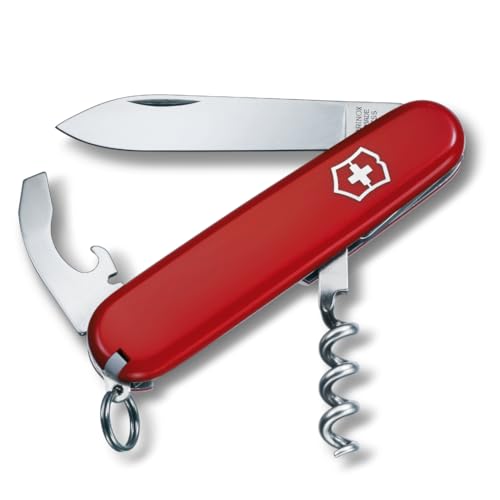
- TAR Score9.6
TAR Score is a ranking system developed by TopAppliancesReviews.com. TAR score has no relationship or impact from any manufacturers or sales agent websites. Learn more
- BrandVictorinox
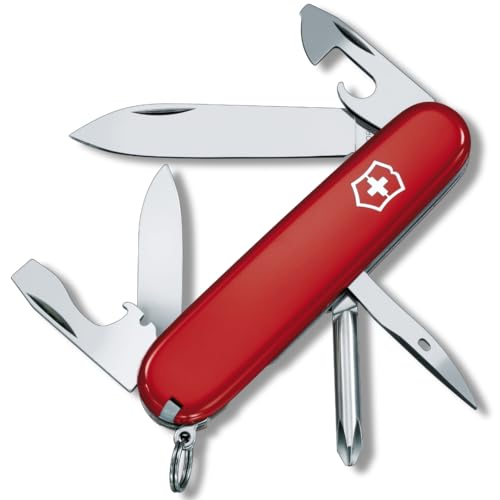
- TAR Score9.6
TAR Score is a ranking system developed by TopAppliancesReviews.com. TAR score has no relationship or impact from any manufacturers or sales agent websites. Learn more
- BrandVictorinox

- TAR Score9.4
TAR Score is a ranking system developed by TopAppliancesReviews.com. TAR score has no relationship or impact from any manufacturers or sales agent websites. Learn more
- BrandVictorinox

- TAR Score9.4
TAR Score is a ranking system developed by TopAppliancesReviews.com. TAR score has no relationship or impact from any manufacturers or sales agent websites. Learn more
- BrandSmartstickX

- TAR Score9.0
TAR Score is a ranking system developed by TopAppliancesReviews.com. TAR score has no relationship or impact from any manufacturers or sales agent websites. Learn more
- BrandCOMEBO

- TAR Score8.8
TAR Score is a ranking system developed by TopAppliancesReviews.com. TAR score has no relationship or impact from any manufacturers or sales agent websites. Learn more
- BrandHONZIN

- TAR Score8.4
TAR Score is a ranking system developed by TopAppliancesReviews.com. TAR score has no relationship or impact from any manufacturers or sales agent websites. Learn more
- BrandVictorinox

- TAR Score8.2
TAR Score is a ranking system developed by TopAppliancesReviews.com. TAR score has no relationship or impact from any manufacturers or sales agent websites. Learn more
- BrandDonk!

- TAR Score7.8
TAR Score is a ranking system developed by TopAppliancesReviews.com. TAR score has no relationship or impact from any manufacturers or sales agent websites. Learn more
- BrandClip & Carry
Last update on 2026-10-01 / Affiliate links / Images, Product Titles, and Product Highlights from Amazon Product Advertising API
FAQs
Can you sharpen the can opener blade if it gets dull?
Yes, but it rarely requires routine sharpening because the tool acts as a wedge that shears sheet metal rather than a razor blade. If the curved edge develops a burr or dulls after heavy use, sharpen only the beveled inside edge using a fine ceramic rod or a small diamond file. Never grind the flat outer face of the blade, as altering that flat side ruins the alignment between the cutting edge and the outer rim hook.
Will this tool work on rimless or dented cans?
The opener depends entirely on the raised outer rim (the bead) to create leverage. It will not work on rimless pull-tab cans that have already been torn or on completely smooth commercial containers. If you encounter a dented can, position the tool on an undamaged section of the rim first. Work around toward the dent, and take very small, shallow cuts through the crumpled area to avoid jamming the blade.
Can a left-handed person use the standard can opener easily?
A left-handed person can use the tool, but the technique feels slightly reversed because the blade bevel is ground for right-handed leverage. You can either hold the knife in your left hand and push the tool clockwise around the can, or stabilize the can with your left hand and work the knife with your right. With a little practice, left-handed users can open cans just as quickly as right-handed users.
What should you do if the knife folds shut while cutting?
Pull your fingers away immediately and check your hand for any pinches or cuts. A folding blade closes when the user pulls backward or twists the knife handle sideways, which overcomes the non-locking slipjoint spring. Open the blade fully until it clicks back into position, make sure your cutting force is directed straight down and forward, and keep your fingers placed along the sides of the handle rather than inside the blade channel.


Top Rated Best Quality Range Hoods: 2026 Expert Picks

The 12 Best Small Solar Generators 2026

10 Best Quality Semi Automatic Washing Machine of 2026 For Leak-Free Laundry

11 Best Small Washer Machine of 2026 For Everyday Laundry

12 Best Vibration Pads For Washing Machine of 2026 To Stop Walking and Shaking

11 Best Selling Front Load Washing Machine of 2026 For Quiet Odor-Free Laundry

11 Best Washing Machine For King Size Bedding of 2026 To Prevent Cycle Errors

10 Best Small Front Loader Washing Machine of 2026 For Tight Closets






