How to Use a Puffco Hot Knife to Load Wax Cleanly

Gather a small portion of extract on the cold ceramic blade before touching the power button. Turning on the heat too early melts sticky wax across the tool instead of keeping it neatly in place. Once the material is positioned over your heating bowl, press the power button for two to three seconds so the extract slides cleanly off the tip.
The exact timing depends on the texture of your material. Hard, brittle slabs need gentle slicing rather than heavy prying, while runny sauces drop almost instantly. Holding the heat down any longer than a quick burst will scorch your concentrate against the surface. Wiping the blade with a dry cotton swab while it stays warm also prevents sticky resin from building up. Here is how to manage every step without wasting extract or damaging the delicate blade.
Scoop your wax cold before pressing the heat button
Loading sticky extracts with a heated ceramic blade requires a completely different technique than using an old-fashioned metal dabber. The most common mistake new owners make is holding the power button down while digging into their jar. Heating the blade before touching the extract melts the outer layer instantly, which causes runny oils to run down the sides of the tool and coat the handle. To keep your session tidy and avoid wasting material, always collect your dose while the tool stays unheated.
Follow these five direct steps to load your heating bowl cleanly every single time:
- Leave the power off while you prepare: Take off the protective cap and keep your thumb completely off the power button. Make sure the ceramic blade feels cool and looks clean before you touch any material.
- Collect your dose with the edge of the blade: Use the flat tip of the ceramic blade like a tiny spoon. Slide the edge underneath your wax, rosin, or badder to lift up a single dose. Sticky extracts stick naturally to the cold ceramic surface, so you do not need any heat to pick them up.
- Hover the blade directly over your heating bowl: Move the loaded tool over to your vaporizer or rig. Lower the tip into the center of the heating bowl, making sure the blade does not touch the walls or the bottom of the chamber. Holding it centered prevents melted extract from sticking to the bowl rim or carb cap area.
- Press and hold the button for two to three seconds: Once the blade rests in position, push the power button. The ceramic blade warms up rapidly, reaching an operating range between 70 and 150 degrees Celsius to break the surface tension of the extract. Within two or three seconds, the wax against the blade liquifies.
- Release the button as the drop falls: Take your thumb off the button the exact instant the wax drops into the bowl. Pull the tool straight up and away from the bowl so rising vapor does not coat the shaft of the tool.
Timing your button press makes the difference between a clean drop and scorched material. The ceramic blade heats up very quickly, climbing toward 200 degrees Celsius in about three seconds when held continuously. If you hold the button down for five or six seconds, the heat will vaporize your extract right off the tool before it ever lands in your bowl. You only want enough heat to melt the tiny layer of wax directly touching the ceramic face, allowing gravity to do the rest of the work.
Different extract textures behave in their own way on the warm blade. Runny sauces and wet badder slide off in less than two seconds because they have a high liquid terpene content that loosens instantly. Denser textures like cold-cure rosin or thick crumble take the full three seconds to release cleanly. Pay close attention to how your specific extract melts so you can let go of the button the second the drop detaches.
Slice firm extracts gently instead of prying against the jar
The ceramic blade on your loading tool provides clean flavor and rapid heating, but it does not have the bend or flex of steel. The ceramic material is rigid, dense, and naturally brittle. If you use the blade like a pry bar to lever hard chunks out of a glass jar, the ceramic will snap clean off at the base. Snapped tips cannot be glued back together or repaired, which means a single careless twist can ruin the tool.
Think of ceramic the same way you think of delicate kitchen cutlery. While traditional steel blades found in high-carbon Japanese chef knife sets can absorb minor sideways flex during precision slicing, thin ceramic edges have zero lateral give. Applying sideways force against the wall or bottom of a glass container puts massive bending stress on the blade root where the ceramic joins the casing.
When working with hard shatter, brittle crumble, or solid diamond chunks, use gentle heat to cut the material instead of brute force. If your concentrate feels like hard candy, do not jam the tip down into the slab. Instead, rest the edge of the blade against the top of the shatter and tap the power button for half a second. That short pulse creates just enough warmth to let the ceramic glide through the slab like a warm wire through butter.
Once you slice through the slab, release the button completely. Allow the blade to cool for two or three seconds so the concentrate firms back up around the tip. Once the extract resets against the surface, gently lift the portion up and out of the container without scraping the glass. By letting controlled heat divide the material, you protect the blade from pressure damage and prevent shards of shatter from snapping across the room.
You should also avoid tapping the ceramic tip against the edge of your heating bowl. Users often try to knock stubborn residue off the blade by striking it against the chamber rim. That sharp impact can easily fracture the ceramic or chip the delicate tip. If a tiny bead of wax refuses to drop, hit the button for another single second rather than tapping the tool against hard surfaces.
Wipe the ceramic blade clean while it stays slightly warm
Keeping your loading tool clean protects the purity of your material and prevents dark, burnt residue from building up over time. Every time you drop wax into a hot bowl, a microscopic film of oil stays behind on the ceramic surface. If you leave that film on the blade and heat it during your next session, that leftover oil bakes directly onto the ceramic, turning into dark carbon that tastes bad and slows down heat transfer.
The best time to clean the blade is immediately after you finish loading your bowl, while the tip still holds residual warmth. When the ceramic is lukewarm, the leftover oil remains fluid and wipes away with minimal effort. You do not need harsh chemicals or abrasive pads to keep the blade looking brand new.
Keep these maintenance habits in mind after every session:
- Use a dry cotton swab first: Right after your extract drops, grab a plain cotton swab. Gently wipe both sides of the warm ceramic tip from the base toward the point. The dry cotton absorbs leftover liquid oil instantly without leaving streaks.
- Never scrape with metal tools: If you see sticky residue, do not try to scrape it off using a metal dabber, razor blade, or pin. Metal scratches the smooth ceramic glaze, creating rough micro-grooves that trap resin and make future cleaning much harder.
- Apply isopropyl alcohol only to a cold blade: For stubborn buildup, lightly dampen the tip of a cotton swab with isopropyl alcohol and rub the blade clean. You must wait until the ceramic is completely cool to the touch before doing this. Putting cold liquid on hot ceramic causes thermal shock, which can crack the blade instantly.
- Never submerge the tool in cleaning liquids: The heated blade connects to sensitive electrical wiring and an internal battery housing. Dipping the tip or the body into a jar of rubbing alcohol will ruin the internal electronics and void your warranty. Keep liquid strictly limited to a damp cotton swab.
- Replace the protective travel cap after every use: Once the tip is clean and dry, snap the cover back into place. Leaving the blade exposed in a pocket, bag, or drawer invites accidental drops and impacts that can crush the ceramic edge.
Read the light signals and charge the battery properly
Your heated loading tool relies on an internal lithium battery and an indicator light to tell you when it needs charging, when it operates correctly, and when a safety cutoff occurs. Understanding what these lights mean saves you from guessing why the tool stopped warming up in the middle of a session.
Most portable electric hot knife models use a standard battery capacity of around 350mAh, which provides plenty of power for dozens of quick heat cycles. When the battery level drops too low to heat the ceramic blade, the indicator light will flash red repeatedly when you press the button. This flashing red warning means the battery voltage has dropped below the threshold required to warm the tip, signaling that it is time to plug the unit into a power source.
To charge the tool, connect a standard USB cable to the charging port on the base. While connected to power, the indicator light typically shines solid red to show that charging is underway. A full charge generally takes between 30 and 60 minutes depending on your power block. Once the internal cell reaches capacity, the light will turn solid blue, green, or shut off completely depending on your exact production run. Avoid leaving the tool plugged into fast-charging wall adapters overnight, as basic low-draw batteries stay healthiest when charged through standard five-volt USB ports.
If your tool flashes white, blue, or multicolored several times without getting warm, it usually signals an electrical safety cutoff. The internal controller features an automatic shutoff that limits any single continuous heat cycle to around three seconds. If you hold the button past that limit, the unit cuts power automatically to protect the ceramic element from overheating and flashes a warning light. Simply take your thumb off the button, wait two seconds, and press it again for a fresh cycle.
If the light flashes continuously even after a full charge, check the connection area around the base of the blade. For tools that use threaded attachments, oil seepage can leak into the connection socket and block electrical contact. Unscrew the tip, wipe the brass contact pins with a dry cloth to clear away any sticky resin, screw the tip back on securely, and try the button again.
Choose the right replacement tip when your original blade wears out
Even with careful use, ceramic heating components will eventually wear out from repeated thermal cycles, or they may break from an accidental drop. When your blade stops heating or cracks at the base, you do not always need to buy an entire new tool kit. Many manufacturers produce modular replacement parts that let you swap out just the heating head while keeping your original battery handle.
When searching for a replacement ceramic head, verify the threading style used on your battery base. Many aftermarket dab tools and heated multi-tool heads use universal 510 threading, which matches standard portable vape batteries. Choosing a 510-threaded ceramic tip allows you to screw a fresh heating blade directly onto your existing power supply without spending extra money on a duplicate charger and battery casing.
Pay close attention to the build materials of any replacement tip you consider. Look for heads that combine a dense ceramic blade with a durable stainless steel housing. The stainless steel collar supports the lower section of the blade, preventing lateral strain from transferring directly to the electrical solder points. A quality ceramic replacement should heat quickly within two to three seconds and feature a smooth, non-porous glaze that lets viscous oils slide off cleanly without clinging to the surface.

- TAR Score10.0
TAR Score is a ranking system developed by TopAppliancesReviews.com. TAR score has no relationship or impact from any manufacturers or sales agent websites. Learn more
- BrandBETIMFAN

- TAR Score9.2
TAR Score is a ranking system developed by TopAppliancesReviews.com. TAR score has no relationship or impact from any manufacturers or sales agent websites. Learn more
- Brandpynogeez

- TAR Score9.2
TAR Score is a ranking system developed by TopAppliancesReviews.com. TAR score has no relationship or impact from any manufacturers or sales agent websites. Learn more
- BrandGeneric

- TAR Score9.0
TAR Score is a ranking system developed by TopAppliancesReviews.com. TAR score has no relationship or impact from any manufacturers or sales agent websites. Learn more
- BrandGeneric

- TAR Score8.6
TAR Score is a ranking system developed by TopAppliancesReviews.com. TAR score has no relationship or impact from any manufacturers or sales agent websites. Learn more
- BrandRUIVEO

- TAR Score8.6
TAR Score is a ranking system developed by TopAppliancesReviews.com. TAR score has no relationship or impact from any manufacturers or sales agent websites. Learn more
- BrandRUIVEO

- TAR Score8.6
TAR Score is a ranking system developed by TopAppliancesReviews.com. TAR score has no relationship or impact from any manufacturers or sales agent websites. Learn more
- BrandTaomoiup

- TAR Score8.4
TAR Score is a ranking system developed by TopAppliancesReviews.com. TAR score has no relationship or impact from any manufacturers or sales agent websites. Learn more
- BrandTaomoiup

- TAR Score7.6
TAR Score is a ranking system developed by TopAppliancesReviews.com. TAR score has no relationship or impact from any manufacturers or sales agent websites. Learn more
- BrandV TOWER
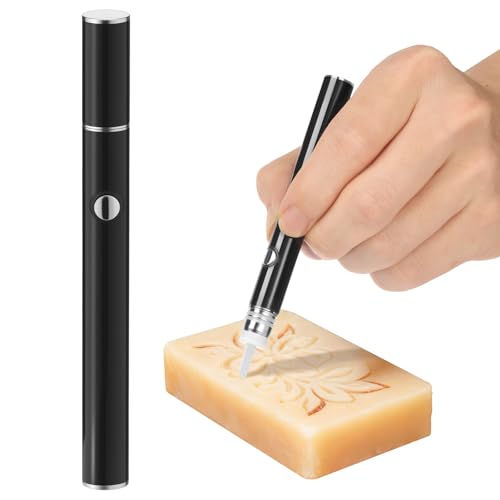
- TAR Score7.2
TAR Score is a ranking system developed by TopAppliancesReviews.com. TAR score has no relationship or impact from any manufacturers or sales agent websites. Learn more
- BrandLYDODOKA
Last update on 2026-10-19 / Affiliate links / Images, Product Titles, and Product Highlights from Amazon Product Advertising API
FAQs
How long should you hold the power button to drop wax?
Hold the power button for only two to three seconds. The ceramic blade heats up rapidly, reaching the temperature needed to release sticky extracts almost instantly. Holding the heat button for longer than three seconds will burn the concentrate on the blade and vaporize your material before it reaches the heating bowl.
Can you scrape hard shatter or diamonds directly off glass?
You should never pry or lever hard concentrates directly off glass containers using a ceramic blade. The sideways force will snap the brittle ceramic tip clean off the base. Instead, rest the cold blade against the top of the shatter, tap the button for half a second to warm the edge, and let the blade glide gently through the material.
What should you do if the light flashes when you press the button?
A flashing red light means the battery is drained and needs to be connected to a USB charger. If the light flashes white or another color, you have likely triggered the three-second continuous heat cutoff, or dirty threads are blocking the connection. Release the button for a few seconds, or clean any leaked oil off the attachment threads with a dry cloth.
How long does the battery take to reach a full charge?
The built-in battery usually takes between 30 and 60 minutes to reach a complete charge from empty. The indicator light typically stays solid red while charging and turns off, turns blue, or turns green once full. Use a standard five-volt USB power supply rather than a high-output fast charger to prolong the lifespan of the battery cell.

Top Rated Best Quality Range Hoods: 2026 Expert Picks
The 12 Best Small Solar Generators 2026

10 Best Quality Semi Automatic Washing Machine of 2026 For Leak-Free Laundry

11 Best Small Washer Machine of 2026 For Everyday Laundry

12 Best Vibration Pads For Washing Machine of 2026 To Stop Walking and Shaking

11 Best Selling Front Load Washing Machine of 2026 For Quiet Odor-Free Laundry

11 Best Washing Machine For King Size Bedding of 2026 To Prevent Cycle Errors

10 Best Small Front Loader Washing Machine of 2026 For Tight Closets