
How to Use a Knife Sharpener Tool Without Damaging the Blade

Using a manual sharpener tool comes down to placing the base on a flat counter, resting the back of the blade in the slot, and pulling the knife straight back toward yourself with light, steady pressure. The exact motion changes depending on how dull the metal is before you begin. Never push forward or saw the blade back and forth, because a few gentle, one-way pulls keep the cutting edge even and protect your fingers from slipping.
Badly nicked blades need a coarse slot first to remove damaged steel, while knives that simply feel sluggish only need fine ceramic stages to restore their bite. Knife design also plays a part, as regular straight blades glide through smoothly, but serrated bread knives require specific care to avoid ruining their teeth. Getting familiar with each slot makes it simple to restore a clean edge without grinding away good steel.
The Short Version
- Anchor the sharpener firmly on a clean, flat countertop with the safety guard facing your fingers.
- Place the heel (the wide back part of the blade nearest the handle) vertically into the sharpening slot.
- Pull the knife straight back toward you with light, steady pressure, lifting slightly as you follow the curve to the tip.
- Pull in one direction only for three to five smooth passes, finishing in the ceramic slot, and never saw back and forth.
Understanding the Slots: Coarse, Fine, and Ceramic Stages
Most manual knife sharpener tools feature two to four slots. Each slot serves a distinct role in edge restoration. Using the wrong slot can strip away good steel or leave your blade feeling dull.
The coarse slot typically contains tungsten carbide (hard metal inserts that shave away dull steel). This stage works like a tiny wood planer. It cuts away damaged steel to establish a fresh bevel (the angled slope that forms the sharp edge). You only need this slot when a knife is completely blunt, chipped, or slips off tomato skins. Because carbide shaves metal aggressively, using it too often will wear down your blade quickly.
The fine or medium slot often features diamond-coated rods. These abrasive surfaces smooth out heavy grind marks left behind by coarse carbide inserts. They refine the cutting apex without stripping off thick metal shavings. When your knife is only moderately dull from regular kitchen prep, you can skip the coarse slot completely and start right here.
The final slot is the ceramic stage (fine finishing stones that smooth the edge). Ceramic slots provide honing. Honing means straightening a bent edge without stripping steel. During slicing, the very tip of an edge bends slightly out of alignment. Ceramic rods wipe away the burr (the microscopic wire edge or curved sliver of metal that forms during sharpening) and straighten that apex. Routine kitchen upkeep usually requires only this ceramic stage.
How to Set Up and Pull the Blade Safely
Proper sharpening technique requires a stable surface and controlled movements. Rushing through the motion leads to uneven bevels and increases the risk of hand slips. Follow these steps to sharpen your straight-edge kitchen knives safely.
- Secure the sharpener on your counter. Place the tool on a dry, level surface. If your sharpener has a suction base, push down firmly and engage the locking lever so the unit cannot move. If it features a handle, grip it securely with your non-dominant hand, keeping your knuckles tucked behind the raised protective guard.
- Position the blade heel in the slot. Grip the knife handle firmly with your dominant hand. Lower the blade straight down into the appropriate slot so it sits perpendicular to the counter surface. Start with the heel (the wide back part of the blade nearest the handle) seated between the abrasive plates. Do not tilt the blade sideways.
- Pull smoothly toward your body. Draw the knife straight back toward your chest in a continuous stroke. Apply gentle downward pressure as you pull. As the blade narrows toward the tip, gently raise the knife handle so the curved belly stays in steady contact with the sharpening rods.
- Lift and return to the heel. When the tip clears the slot, lift the blade up and return it to the starting position at the heel. Never push the blade forward through the slot, and never saw back and forth. Repeat this motion three to five times per slot.
- Wipe the blade clean. Sharpening shaves microscopic metal particles from the steel. Wipe the blade thoroughly from spine to cutting edge using a damp towel, then dry it completely. Hand-wash and dry blades immediately instead of soaking in sinks or running through dishwashers.
Pressure, Angle, and Stroke Counts Checklist
Achieving a razor edge depends on consistency rather than heavy physical effort. Use this quick checklist to keep your technique on track.
- Light downward pressure: Let the abrasive materials do the cutting. Use only the weight of the knife plus very light hand pressure, similar to slicing a ripe peach. Heavy force bends the apex, gouges the steel, and can damage internal carbide inserts.
- Upright blade orientation: Keep the spine of the knife pointing directly toward the ceiling. The preset guides inside the tool establish the correct bevel angle, typically a sturdy 20-degree utility edge. Tilting the blade grinds one side unevenly and dulls the other.
- Stroke counts for dull blades: For a knife that crushes food rather than slicing, perform three to five pulls through the coarse slot. Follow immediately with three to five pulls through the ceramic slot to refine the edge.
- Stroke counts for regular touch-ups: If the knife still cuts but feels slightly sluggish, bypass the coarse slot entirely. Perform three to five gentle pulls through the ceramic slot to realign the edge.
- Steady pull speed: Maintain an even rhythm. Drawing an eight-inch chef knife from heel to tip should take about two seconds. Moving too fast causes the knife to chatter and bounce over the stones.
Common Mistakes That Chew Up Blade Steel
Manual pull-through sharpeners make edge care convenient, but a few widespread habits can permanently damage your cutlery.
The most damaging habit is sawing the knife back and forth in the slot. Pull-through tools are designed strictly for one-way strokes from heel to tip. Pushing a blade forward into the V-shaped cutters catches the delicate tip against the hard metal or ceramic. This motion gouges the edge, bends the tip, and can chip brittle steel.
Pressing down too hard is another common mistake. Carbide inserts are harder than knife steel and actively scrape metal away. Forcing the blade down strips curly shavings of steel from your knife. Over time, excessive pressure grinds a swayback dip into the blade near the heel. Once the edge loses its flat line, the heel hits the cutting board while the middle of the blade hovers above the food, preventing clean chops.
Relying on the coarse slot for every sharpening session also shortens knife life drastically. A knife edge only needs coarse shaping once or twice a year when blunt or damaged. For daily cooking needs, standard cutlery, including sturdy German high carbon steel knife sets, only requires gentle ceramic honing to restore a clean slicing edge.
Finally, never drag standard serrated knives or kitchen shears through straight-edge carbide slots. Serrated bread knives feature teeth ground on one side only. Pulling them through dual-sided carbide cutters flattens the pointed teeth and ruins the blade profile. Delicate Asian cutlery, such as thin high carbon Japanese chef knife sets with a steep 15-degree slicing edge per side, can also chip in rigid 20-degree carbide slots.
How to Check the Edge Without Risking Your Fingers
Never run your thumb or fingers along a blade edge to feel if it is sharp. A blade can produce a jagged burr that feels sharp to the touch but tears food instead of slicing cleanly. Use these safe, practical checks instead.
The paper slice check is the simplest method. Hold a standard sheet of copy paper or junk mail vertically by the top edge. Place the heel of your knife on the top edge of the paper at a slight angle and push downward in a smooth slicing motion. A sharp blade will glide effortlessly through the paper without tearing or catching. If the knife rips the paper or snags midway through, the edge has flat spots or a lingering burr that requires a few more passes in the ceramic slot.
The light reflection check provides visual proof without touching anything. Stand directly beneath a bright kitchen light and look straight down at the knife edge with the cutting apex pointing up. A dull edge has width, which reflects light back as bright silver specks or shiny lines. A properly sharpened edge is microscopic and cannot reflect light, appearing as a solid dark shadow.
You can also verify sharpness with a ripe tomato. Place the knife edge against the shiny skin without pressing down. Draw the knife backward across the tomato using only the weight of the knife. If the blade cuts through the skin instantly without slipping or crushing the pulp, the edge is ready for kitchen work. After confirming sharpness, store your knives safely in a block or on wall mounts like those found on magnetic knife block combos so bare edges do not strike other utensils in a drawer.
What to Look for in a Knife Sharpener Tool
When selecting a manual knife sharpener tool for your kitchen, finding the right match for your cutlery ensures safe and dependable results. You do not need expensive, complicated setups to maintain clean cutting edges for daily cooking.
Prioritize sharpeners with multi-stage designs. A tool featuring both coarse tungsten carbide for reshaping and fine ceramic rods for honing offers the greatest versatility. The coarse stage repairs blunt kitchen workhorses, while the ceramic stage lets you maintain sharpness weekly without grinding away unnecessary steel. Removable or reversible sharpening inserts are another helpful feature, allowing you to replace worn parts without buying a whole new tool.
Look closely at stability and safety features. A sharpener must stay firmly anchored while you pull a sharp blade toward your body. Look for wide non-slip rubber bases or locking suction mounts that grip countertops securely. If you prefer a handheld model, select one with an ergonomic handle and a tall protective guard that keeps your fingers well away from the blade path.
Finally, consider your knife types. Standard Western chef knives and utility blades match typical 20-degree sharpening angles. If you own scissors or serrated bread knives, verify that the tool includes a dedicated scissor slot or single-sided ceramic rod to avoid damaging specialized cutting edges.

- TAR Score9.4
TAR Score is a ranking system developed by TopAppliancesReviews.com. TAR score has no relationship or impact from any manufacturers or sales agent websites. Learn more
- BrandACCUSHARP

- TAR Score9.4
TAR Score is a ranking system developed by TopAppliancesReviews.com. TAR score has no relationship or impact from any manufacturers or sales agent websites. Learn more
- BrandACCUSHARP

- TAR Score9.2
TAR Score is a ranking system developed by TopAppliancesReviews.com. TAR score has no relationship or impact from any manufacturers or sales agent websites. Learn more
- BrandIntelitopia

- TAR Score9.2
TAR Score is a ranking system developed by TopAppliancesReviews.com. TAR score has no relationship or impact from any manufacturers or sales agent websites. Learn more
- BrandCorona
- TAR Score9.0
TAR Score is a ranking system developed by TopAppliancesReviews.com. TAR score has no relationship or impact from any manufacturers or sales agent websites. Learn more
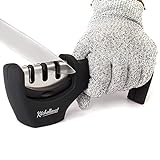
- BrandKITCHELLENCE

- TAR Score8.8
TAR Score is a ranking system developed by TopAppliancesReviews.com. TAR score has no relationship or impact from any manufacturers or sales agent websites. Learn more
- BrandAnySharp

- TAR Score8.8
TAR Score is a ranking system developed by TopAppliancesReviews.com. TAR score has no relationship or impact from any manufacturers or sales agent websites. Learn more
- BrandAnySharp

- TAR Score8.8
TAR Score is a ranking system developed by TopAppliancesReviews.com. TAR score has no relationship or impact from any manufacturers or sales agent websites. Learn more
- BrandFANERFUN

- TAR Score8.6
TAR Score is a ranking system developed by TopAppliancesReviews.com. TAR score has no relationship or impact from any manufacturers or sales agent websites. Learn more
- Brandlongzon

- TAR Score8.6
TAR Score is a ranking system developed by TopAppliancesReviews.com. TAR score has no relationship or impact from any manufacturers or sales agent websites. Learn more
- BrandHOTEC
Last update on 2026-10-01 / Affiliate links / Images, Product Titles, and Product Highlights from Amazon Product Advertising API
FAQs
Which slot should I start with if my knife is only slightly dull?
If your knife is only slightly dull and still cuts food without heavy resistance, always start with the fine or ceramic slot. The coarse carbide slot removes noticeable amounts of metal and is only meant for blunt blades or nicked edges. A few light passes through the ceramic slot will realign the microscopic edge without grinding away valuable blade life.
Can I sharpen serrated bread knives with a manual pull-through tool?
You should never pull a serrated knife through standard V-shaped carbide slots. Standard slots sharpen both sides of an edge simultaneously, which flattens the scalloped teeth of bread knives. Only sharpen serrated blades if your manual tool includes a dedicated ceramic slot clearly labeled for serrated edges, or use a handheld tapered ceramic rod designed to fit between the individual teeth.
How often should I use a knife sharpener tool on my kitchen knives?
For an average home cook preparing daily meals, use the fine ceramic slot every one to two weeks to keep edges true and aligned. The coarse carbide stage should only be used once or twice a year when the knife stops responding to the ceramic stage. Using coarse abrasive slots too often will wear down the blade profile prematurely.
Why does my knife feel rough or jagged after using a pull-through sharpener?
A jagged or raspy edge usually happens when you press down too hard or skip the final finishing stage. Heavy pressure tears ragged metal burrs along the blade apex rather than slicing a smooth bevel. To fix this, lighten your hand pressure significantly and make four to six gentle pulls through the ceramic slot to buff away the remaining rough burr.


Top Rated Best Quality Range Hoods: 2026 Expert Picks

The 12 Best Small Solar Generators 2026

10 Best Quality Semi Automatic Washing Machine of 2026 For Leak-Free Laundry

11 Best Small Washer Machine of 2026 For Everyday Laundry

12 Best Vibration Pads For Washing Machine of 2026 To Stop Walking and Shaking

11 Best Selling Front Load Washing Machine of 2026 For Quiet Odor-Free Laundry

11 Best Washing Machine For King Size Bedding of 2026 To Prevent Cycle Errors

10 Best Small Front Loader Washing Machine of 2026 For Tight Closets






