
How to Use a Honing Steel to Sharpen a Knife?

Using the metal rod from your kitchen block is far simpler and safer than television chefs make it look. The most reliable method is to rest the rod tip-down on a cutting board, tilt the blade slightly, and draw it downward from heel to tip using light strokes. This motion does not shave away steel, but straightens the bent cutting edge so the blade glides cleanly through food again.
A few details shape your results. Slender Japanese knives need a narrower slant than thicker Western chef knives, and a standard smooth rod only aligns metal rather than grinding it down like a coarse diamond rod. If a blade is completely blunt, it needs an abrasive stone rather than a quick realignment. Here is how to steady the rod, find the right angle, and work without slipping.
Straightening Versus Sharpening: What the Steel Does to Your Blade
Every time your kitchen knife strikes a wooden or plastic cutting board, the thin edge takes a beating. The sharpest part of the knife, called the bevel (the slanted cutting edge), tapers down to a microscopic point. During normal meal prep, that tiny edge does not instantly wear away or lose metal. Instead, the soft apex curls slightly to one side. Cooks call this curled microscopic metal lip a burr. When that lip rolls over, your knife stops sliding effortlessly through food.
The knife feels completely dull, but the blade steel is actually still intact. You do not need to grind away metal to fix this daily issue. This is where honing comes into play. Honing simply means straightening a bent edge back into a crisp centerline. A classic honing rod is not an abrasive tool, meaning it does not have a scratchy surface that grinds away metal. Instead, the hard, polished steel rod presses against the folded apex and gently pushes it back upright.
Many home cooks pick up a steel rod thinking it will grind a brand-new edge onto a blunt knife. When they expect shaved steel and razor sharpness from a blade that has been neglected for years, disappointment follows. Understanding this difference saves your knives from unnecessary wear. A standard rod maintains your blade between true sharpenings, keeping the bevel aligned so cuts stay clean without stripping away blade life.
Blade steel also plays a role in how your knife responds. Stainless steel (a rust-resistant, easy-to-clean metal) is slightly softer and tends to roll its edge more often, making frequent alignment helpful. High-carbon or tool steel is a harder metal that stays sharp longer, but its edge can chip if struck with too much force or at a clumsy angle. Keeping that microscopic apex centered takes less than two minutes once you build the habit.
Safe Board Setup and How to Find the Right Angle
Watching television chefs swing a knife against a steel rod in midair looks impressive. In a real home kitchen, swinging a sharp blade toward your own hands or chest in open air creates an unnecessary safety hazard. Midair honing also makes it almost impossible to maintain a steady cutting angle. Your wrist wobbles, the blade bounces, and you end up blunting the very edge you wanted to realign.
The safe, steady approach is placing the steel rod tip-down directly against a stable surface. Place the tip of the rod firmly onto a wooden or plastic cutting board. If your board tends to slide across the counter, place a damp kitchen towel underneath it first. Grip the handle of the rod firmly with your non-dominant hand, keeping your fingers and thumb parked safely behind the protective crossguard. This setup creates a solid vertical post that will not slip while you work.
Once the rod is anchored vertically, you need to match your knife to the correct bevel angle. Most kitchen knives perform best at an angle between 15 and 20 degrees per side. Finding that angle without special tools is easy when you follow a simple visual trick:
- Hold the knife blade flat against the vertical steel rod to form a 90-degree right angle.
- Tilt the knife outward halfway toward the cutting board, which brings the blade to roughly 45 degrees.
- Cut that remaining gap in half once more to drop the blade down to about 22 degrees.
- Ease the spine outward just a tiny hair further, and you are resting right at the 20-degree mark.
A sturdy 20-degree utility edge per side works best for standard Western chef knives, such as those found in German high-carbon steel knife block sets. If you prepare food with delicate Japanese blades, such as knives from high-carbon Japanese chef knife sets, drop the angle slightly lower to reach a steep 15-degree slicing edge per side. A helpful visual guide for 15 to 20 degrees is the thickness of a standard cardboard matchbook resting between the spine of the knife and the rod. Once you find that angle, lock your wrist to keep it steady.
How to Make the Controlled Heel-to-Tip Stroke
Once your rod is anchored and your angle is set, your movement should be light and deliberate. Heavy pressure will not make the knife sharper. Pressing too hard against the steel rod can crush the delicate cutting apex or fold the metal over in the opposite direction. Use gentle pressure, roughly the weight needed to slice through a ripe peach or a stick of butter. Let the contact between the blade and the rod do the work.
Follow these steps to smooth and straighten your blade safely:
- Place the heel of the knife (the wide part of the blade closest to the handle) against the top of the vertical rod at your chosen 15- to 20-degree angle.
- Draw the knife downward toward the cutting board while gently pulling the blade back toward your body in a continuous diagonal glide.
- Follow the natural curve of the blade as you pull down, making sure the middle belly and the tip maintain light contact with the rod.
- Finish the stroke just as the knife tip reaches the bottom of the steel rod, lifting the blade before it strikes the cutting board surface.
- Move the blade to the opposite side of the rod, re-establish your angle, and pull downward from heel to tip using the same light pressure.
- Alternate sides for 4 to 6 strokes each. If the knife has gone several weeks without alignment, 8 to 10 alternating strokes per side will restore the edge.
After your final stroke, take a clean cloth and wipe the knife blade from handle to point. Even though a smooth steel does not peel off metal shavings, friction can leave behind microscopic metal dust that you want to wipe away before cutting food.
Run these three quick checks to verify that the cutting edge is aligned and ready for kitchen prep:
- The tomato skin check: Place the knife edge gently on the skin of a ripe tomato without pressing down. A properly aligned blade bites into the waxy surface immediately with a light draw, rather than slipping sideways or squishing the fruit.
- The scrap paper check: Hold a piece of printer paper by one corner and slide the knife downward through the top margin. The blade should slice cleanly through the sheet without catching, tearing, or producing jagged paper edges.
- The bright light check: Look straight down the cutting edge beneath an overhead kitchen light. An aligned edge is so narrow that it cannot catch light. If you see bright glints or reflective white spots along the apex, the metal is still rolled at those points and needs another gentle pass.
When to Move Beyond a Steel to a Real Sharpener
A honing steel is an essential daily tool, but it cannot fix every dull blade. When a knife edge rolls sideways, a steel rod pushes it back into line. But through months of chopping against hard boards, the microscopic apex gradually wears away completely. The fine cutting point rounds off into a flat, blunt surface. When this happens, there is no thin edge left to straighten.
You can confirm your knife has reached this stage when repeated passes on the steel rod produce no improvement. If the blade continues to skate across onion skins, crush soft herbs into mush, or require heavy downward force to cut a carrot, the bevel needs reshaping. Straightening blunt metal does nothing because the fine edge is gone. Restoring cutting power requires removing metal using an abrasive surface (a scratchy material like diamond plates, whetstones, or ceramic wheels) to grind a new edge.
When selecting sharpening equipment to restore worn blades, look for tools designed to match your specific knives and your comfort level. A quality sharpening system or manual water stone should support your blade bevel angles, whether you need 15 degrees for fine Asian cutlery or 20 degrees for heavier kitchen tasks. If you prefer pull-through sharpeners, verify that the unit offers distinct stages: a coarse abrasive slot to grind away blunt metal and reshape the bevel, followed by a fine ceramic stage to polish the apex and remove the burr.
Check the stability and safety features of any sharpening device before buying. Look for a broad, non-slip rubber base that holds the counter securely and an ergonomic handle that keeps your fingers well clear of the blade path. After restoring your edge on an abrasive sharpener, protect the metal with smart daily care. Hand-wash and dry your knives right after meals instead of running them through the dishwasher, and store them securely in magnetic knife block combos so the edges do not bang against loose metal utensils in a kitchen drawer.
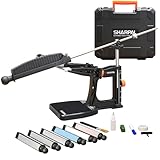
SHARPAL 202H Precision Knife Sharpening System–Adjustable Angle 10–35° Knife Sharpener
View on Amazon- TAR Score9.4
TAR Score is a ranking system developed by TopAppliancesReviews.com. TAR score has no relationship or impact from any manufacturers or sales agent websites. Learn more
- BrandSHARPAL

- TAR Score9.4
TAR Score is a ranking system developed by TopAppliancesReviews.com. TAR score has no relationship or impact from any manufacturers or sales agent websites. Learn more
- BrandUtopia Kitchen

- TAR Score9.2
TAR Score is a ranking system developed by TopAppliancesReviews.com. TAR score has no relationship or impact from any manufacturers or sales agent websites. Learn more
- Brandwgsajlo
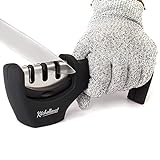
- TAR Score9.0
TAR Score is a ranking system developed by TopAppliancesReviews.com. TAR score has no relationship or impact from any manufacturers or sales agent websites. Learn more
- BrandKITCHELLENCE
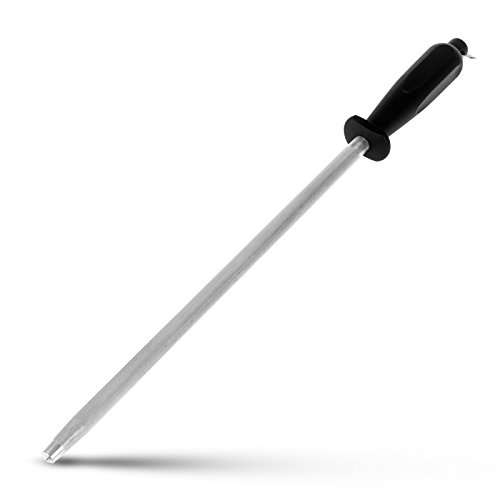
- TAR Score9.0
TAR Score is a ranking system developed by TopAppliancesReviews.com. TAR score has no relationship or impact from any manufacturers or sales agent websites. Learn more
- BrandALLWIN-HOUSEWARE W

- TAR Score8.8
TAR Score is a ranking system developed by TopAppliancesReviews.com. TAR score has no relationship or impact from any manufacturers or sales agent websites. Learn more
- Brandlongzon

- TAR Score8.8
TAR Score is a ranking system developed by TopAppliancesReviews.com. TAR score has no relationship or impact from any manufacturers or sales agent websites. Learn more
- BrandLUFFEXX

- TAR Score8.8
TAR Score is a ranking system developed by TopAppliancesReviews.com. TAR score has no relationship or impact from any manufacturers or sales agent websites. Learn more
- BrandTUMBLER
- TAR Score8.8
TAR Score is a ranking system developed by TopAppliancesReviews.com. TAR score has no relationship or impact from any manufacturers or sales agent websites. Learn more
- BrandKota Japan
Last update on 2026-10-29 / Affiliate links / Images, Product Titles, and Product Highlights from Amazon Product Advertising API
FAQs
How often should you use a honing steel on your kitchen knife?
For home cooks preparing meals every day, using the steel rod every two to three cooking sessions keeps the edge in prime alignment. You can also hone the blade right before tackling large cutting jobs, like slicing roasts or dicing root vegetables. Regular light maintenance prevents the microscopic bevel from rolling too far to recover.
Can an improper angle on the steel damage a knife edge?
Holding the blade at an angle that is too wide will blunt the knife by hammering the delicate apex against the metal rod. Tilting the blade too flat can scratch the polished side of your knife without ever touching the cutting bevel. Taking a brief moment to confirm your 15- to 20-degree angle before starting protects your blade from accidental damage.
Why does a knife still feel dull after using the honing steel?
If your knife fails to cut cleanly after several light strokes on a steel rod, the cutting edge has likely worn flat rather than bent sideways. A honing rod only straightens rolled metal; it cannot grind away worn metal to rebuild a missing point. When honing stops working, the knife needs an abrasive sharpener or whetstone to grind a fresh cutting edge.


Top Best Quiet Portable Generator Electric Start 2026 - (2026 Updated)

The 10 Best Portable Power Station For Tailgating 2026

10 Best Washing Machine For King Size Comforter of 2026 For Bulky Bedding

11 Best Semi Automatic Washing Machine Under 10000 of 2026 For Apartments and RVs

The Best Concrete Floor Buffer 2026 - Top Choices

Best Cooling Fan with HEPA Filter: Our 2026 Top Picks for Cleaner Air

Best poulan chainsaw 2026 - Reviews & Buying Guides

Value Picks: 10 Vitamix 5300 Best Price of 2026




