
How To Use A Steel Knife Sharpener Safely

Plant the tip of the rod straight down on a cutting board, tilt the blade, and glide the edge downward from heel to tip using light, smooth pressure. That simple motion straightens the folded cutting edge within seconds, but the exact angle you hold depends on your specific knife style. A traditional steel rod does not grind away metal; it simply pushes bent steel back into place.
Standard Western blades need roughly a twenty-degree tilt, while thinner Japanese knives work best at fifteen degrees. Blade condition also changes the job. A steel rod instantly revives an edge that slides off onion skins, but deep chips or worn edges require a sharpening stone to shave away steel. Diamond-coated rods also behave differently by shaving metal rather than realigning it. A stable board setup and a few controlled strokes will quickly restore that clean, easy cut.
Straightening Versus Grinding: What a Steel Rod Really Does
When you chop vegetables or slice meat, the microscopic cutting edge of your knife bends slightly from board contact. That folded edge is called a burr, which is a tiny bent lip of metal. When this happens, the knife feels dull because the bent metal pushes food away instead of slicing cleanly through it.
A steel rod, often called a honing steel, fixes this. Honing means straightening a rolled edge back into its original center line. The rod does not grind away metal or reshape your blade. It simply nudges that delicate wire burr back upright so the knife cuts smoothly again.
Actual sharpening is different. Sharpening uses abrasive grit, which is surface roughness that scrapes away metal, to grind a brand new cutting edge. If your knife has deep chips or the metal has worn flat, a steel rod cannot fix it. But if your blade simply feels sluggish during meal prep, a quick session on the steel is all you need.
Different metals respond differently. Knives made of standard stainless steel, which is rust-resistant, easy-to-clean metal, roll easily during daily use and benefit greatly from frequent honing. Harder blades made of high-carbon steel, which is harder metal that stays sharp longer but requires dry wiping and light oiling to prevent rust spots, hold their edge longer but need a gentler touch. Quality German high-carbon steel knife block sets balance tough metal with great edge retention, realigning smoothly on a steel without chipping.
Stable Tip-Down Setup: Anchoring Your Rod for Safety
Many people copy television cooking shows where a chef waves a steel in mid-air, swiping the knife rapidly toward their chest. This flashy technique looks exciting, but it is dangerous and usually ruins the knife edge. Swiping a blade through thin air causes your hand to shake, changes your angle on every stroke, and risks severe cuts to your fingers or wrist.
The safest and most reliable method is anchoring the rod tip down on your kitchen counter. This setup removes all wobble and keeps the blade moving away from your body at all times.
Set up your workspace with this quick checklist before picking up your knife:
- Damp cloth: Place a damp dish towel on your counter so your board will not slide.
- Cutting board: Set a wooden or plastic board on the towel to give the rod a stable base.
- Vertical rod: Hold the handle and press the steel tip straight down into the board.
- Safe grip: Wrap your fingers firmly around the handle, staying behind the protective guard.
- Body stance: Stand squarely in front of the counter with relaxed shoulders and eyes on the blade.
The Step-by-Step Way to Glide Your Knife Down the Steel
Once your rod is firmly planted on the cutting board, align your blade with smooth, controlled motions. Steady contact matters far more than speed.
- Place the heel of the knife against the top of the steel rod. The heel is the wide back end of the blade closest to your handle. Starting here ensures the entire cutting edge receives equal contact from base to tip.
- Tilt the blade to set your honing angle. Tilt the blade so the bevel, which is the slanted cutting edge, rests flat against the steel. For most standard Western kitchen knives, hold the blade at an angle of roughly 20 degrees. If you are using thinner, more delicate blades such as high-carbon Japanese chef knife sets, drop the angle down to about 15 degrees to match their narrower factory bevel. Holding the correct angle preserves the original edge shape instead of blunting it.
- Pull the knife downward and backward across the rod. Glide the blade down toward the board while pulling the knife toward you in a smooth diagonal sweep. This motion allows the entire blade to travel across the steel in one fluid pass without sticking.
- Use very light, gentle hand pressure. Let the natural weight of the knife do the work. Heavy pressure bends the delicate wire edge even further out of shape or strips away metal unevenly instead of nudging it upright.
- Reposition the knife on the other side of the rod. Lift the knife, bring it to the opposite side of the upright rod, and place the heel against the top at the same angle. Blades roll in both directions during daily chopping, so you must treat both sides equally.
- Repeat the downward stroke on the second side. Draw the blade downward and backward with the same light pressure from heel to tip. Alternating sides evenly balances the microscopic burr and prevents an uneven cutting apex.
- Perform two to five light strokes on each side. Alternate sides with each stroke, doing no more than five strokes per side. A rolled edge snaps back into place quickly, so extra strokes offer no benefit and increase the risk of slipping.
- Wipe the blade clean with a soft dry cloth. Wipe the blade from spine to edge with a clean towel. Honing friction can dislodge microscopic metal dust that you do not want ending up in your food.
Common Steel Sharpening Mistakes to Avoid
Using a steel knife sharpener is simple once your hands learn the movement, but a few common habits can ruin your edge or cause accidents.
The most dangerous mistake is swinging the knife in mid-air. Holding the rod horizontally or swiping toward your chest removes your anchor point. Your wrist wobbles, causing the angle to shift with every stroke. Swiping toward your body also puts your fingers and wrists in the direct path of a slipping blade. Always plant the rod tip down on a board so every stroke moves safely downward.
Another frequent error is pressing too hard. Many cooks assume extra force straightens knives faster. In reality, heavy pressure crushes the blade edge, folding the microscopic burr completely over or creating flat spots along the bevel. A light touch is all it takes to realign metal.
Rushing the stroke also ruins your results. Fast, frantic swipes sound impressive, but they destroy angle consistency. If you hit 15 degrees at the heel and 30 degrees at the tip, you will round off the edge and make the knife duller. Slow down and maintain a steady rhythm.
Finally, never scrub the blade back and forth like a saw. A steel rod requires one-way strokes from heel to tip. Sawing motions produce rough, uneven scratches that weaken your cutting edge.
Checking the Cut and Knowing When You Need a Real Sharpener
After giving your blade a few light strokes on the steel, verify that the edge is straight and ready to work using two simple kitchen checks.
The first check is the paper slice check. Hold an ordinary sheet of printer paper loosely by its top corner. Place the heel of your knife against the top edge of the sheet and push gently downward without sawing. A properly honed knife will glide smoothly through the paper with a clean, quiet cut. If the blade snags or tears the paper, the edge is still misaligned or dull.
The second check is the tomato check. Rest the knife edge on the skin of a ripe tomato and pull backward using only the natural weight of the blade. A straight edge will pierce the slick, waxy skin instantly without crushing the soft flesh inside. If the knife skids across the skin, the blade needs more attention.
If your knife fails these checks after several careful passes on the steel, you have reached the limit of what a honing rod can do. A steel rod only straightens bent metal; it cannot rebuild an edge that has worn flat over months of use.
When an edge has worn flat or chipped, you need an actual sharpener with abrasive grit. Sharpening stones, electric belt sharpeners, and multi-stage manual sharpeners grind away worn steel to establish a fresh bevel and apex. Once that new edge exists, your steel rod will keep it aligned.
What to Look for in a Knife Honing Rod or Sharpener
If your knife block is missing a rod, or if your current tools no longer keep your blades cutting cleanly, choosing the right maintenance gear makes all the difference.
When selecting a steel rod, prioritize length and stability. The rod should be at least two inches longer than your longest knife, making a 10-inch or 12-inch rod ideal for standard chef knives. A rod that is too short forces you to stop mid-stroke or slip off the end. Look for a comfortable handle with an integrated hand guard to keep your fingers protected. Whether your knives feature a full tang, where one solid piece of blade steel extends all the way through the handle, or a partial tang, where the blade metal narrows inside the grip, a secure handle gives you the control needed for steady angles.
Consider the surface material as well. Traditional grooved carbon steel rods provide gentle realignment for daily cooking, and magnetized rods trap loose metal filings to keep food prep clean. Ceramic rods offer light surface smoothing, while diamond-coated rods provide mild abrasive grit that gently shaves metal.
If your knives are already completely blunt, a steel rod cannot restore them alone. In that situation, look for a multi-stage sharpener with coarse abrasive slots to reshape damaged bevels and fine ceramic stages to polish the finished edge.

- TAR Score9.4
TAR Score is a ranking system developed by TopAppliancesReviews.com. TAR score has no relationship or impact from any manufacturers or sales agent websites. Learn more
- BrandELephas PLus
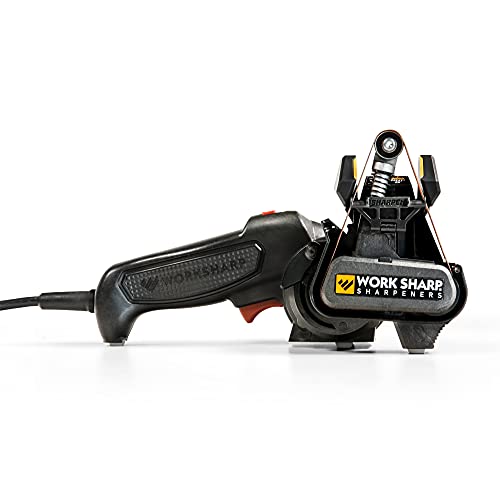
- TAR Score9.4
TAR Score is a ranking system developed by TopAppliancesReviews.com. TAR score has no relationship or impact from any manufacturers or sales agent websites. Learn more
- BrandWORK SHARP

- TAR Score9.4
TAR Score is a ranking system developed by TopAppliancesReviews.com. TAR score has no relationship or impact from any manufacturers or sales agent websites. Learn more
- BrandKimura

- TAR Score9.0
TAR Score is a ranking system developed by TopAppliancesReviews.com. TAR score has no relationship or impact from any manufacturers or sales agent websites. Learn more
- BrandTPmax
- TAR Score9.0
TAR Score is a ranking system developed by TopAppliancesReviews.com. TAR score has no relationship or impact from any manufacturers or sales agent websites. Learn more
- BrandKITCHELLENCE
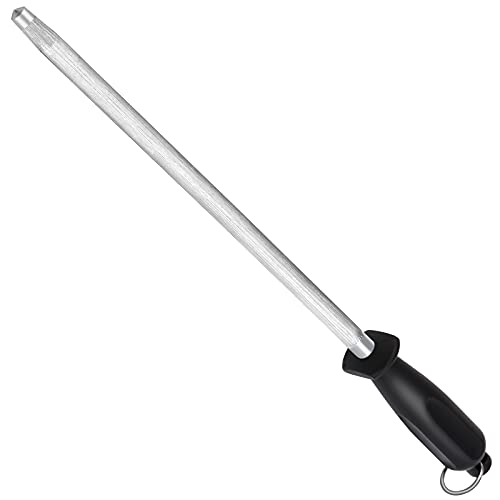
- TAR Score9.0
TAR Score is a ranking system developed by TopAppliancesReviews.com. TAR score has no relationship or impact from any manufacturers or sales agent websites. Learn more
- BrandAcoWELL

- TAR Score8.8
TAR Score is a ranking system developed by TopAppliancesReviews.com. TAR score has no relationship or impact from any manufacturers or sales agent websites. Learn more
- BrandFANERFUN

- TAR Score8.6
TAR Score is a ranking system developed by TopAppliancesReviews.com. TAR score has no relationship or impact from any manufacturers or sales agent websites. Learn more
- Brandlongzon
Last update on 2026-10-23 / Affiliate links / Images, Product Titles, and Product Highlights from Amazon Product Advertising API
FAQs
How often should I use a steel rod on my kitchen knives?
Use a steel rod every time you cook or after every few meal prep sessions. A quick five-stroke pass keeps the microscopic edge straight before it can fold over completely. Frequent light maintenance takes seconds and keeps your knives cutting smoothly for months without needing heavy grinding.
Can using a steel knife sharpener ruin a good blade?
A steel rod will not ruin your blade if you use light pressure and hold a consistent angle. However, pressing down with heavy force or swinging the knife at wild angles can bend the edge sideways or create flat spots along the bevel. Keep the rod anchored on a cutting board to protect your blade.
What is the difference between a honing steel and a sharpening stone?
A honing steel realigns the existing edge of your blade without removing metal. A sharpening stone contains abrasive grit that physically grinds away dull metal to shape a brand new cutting bevel. Use a honing steel frequently for upkeep, and use a sharpening stone only when the blade becomes truly blunt.
Can I use a steel rod on a serrated bread knife?
Standard steel rods are designed for smooth blades and will not sharpen a serrated bread knife. The wide rod rides over the points and misses the recessed scallops where cutting happens. Serrated knives require a slender, tapered sharpening tool sized to fit inside each individual curved tooth.


Top Best Quiet Portable Generator Electric Start 2026 - (2026 Updated)

The 10 Best Portable Power Station For Tailgating 2026

10 Best Washing Machine For King Size Comforter of 2026 For Bulky Bedding

11 Best Semi Automatic Washing Machine Under 10000 of 2026 For Apartments and RVs

The Best Concrete Floor Buffer 2026 - Top Choices

Best Cooling Fan with HEPA Filter: Our 2026 Top Picks for Cleaner Air

Best poulan chainsaw 2026 - Reviews & Buying Guides

Value Picks: 10 Vitamix 5300 Best Price of 2026




