How to Use a Knife Sharpener Without Ruining the Blade

Setting the base of the blade into the sharpening slot and pulling it smoothly toward yourself with light pressure restores a clean cutting edge in just a few passes. How dull the knife feels right now changes which slot to choose first. Severely blunt blades need three to five slow pulls through a coarse slot, while mildly worn knives only need the fine ceramic stage to polish the edge. Keeping the blade upright and moving in one single direction protects the steel from uneven gouges.
The exact steps also vary with the sharpener on your counter and the type of knife. Motorized sharpeners run spinning wheels that require an even lighter touch, and wavy bread knives cannot go into standard V-shaped slots at all. Understanding the proper angle and stroke count lets you sharpen every kitchen knife safely in just a few minutes.
The Short Version
- Place the heel of your knife flat into the coarse slot, keeping the blade straight upright at a ninety-degree angle to the counter.
- Pull the blade smoothly toward your chest using light, even pressure, following the curve of the edge all the way to the tip without pushing forward.
- Make three to five gentle pulls through the coarse slot for dull blades, then switch to the fine ceramic slot for another three to five pulls to polish the metal.
- Clean the blade with a damp cloth immediately after sharpening to remove stray metal shavings before cutting food.
Understanding the Slots: Coarse Repair Versus Fine Polish
Most manual and electric sharpeners have two or three slots, and each slot does a completely different job. The first slot usually contains coarse diamond or tungsten carbide wheels. This slot is built to grind away damaged metal, smooth out tiny chips, and reset the bevel (the angled cutting slope of the blade). When a knife cannot cut through an onion skin or slides off a bell pepper, the coarse slot cuts away worn steel to form a fresh edge.
As the coarse grit (the roughness of the grinding surface) strips away metal, it creates a burr. A burr is a microscopic wire edge or curved sliver of metal that forms along the side of the blade opposite where the abrasive touched. If you leave that burr on the knife, the edge will feel rough, grab food unevenly, and roll over during your very first prep session.
The second and third slots contain fine ceramic or hard stone rods designed for honing. Honing means straightening a bent edge and polishing away that rough burr without grinding off extra steel. Knives made from German high-carbon steel knife sets use tough steel that holds up well to regular honing, while softer stainless steel (rust-resistant, easy-to-clean metal) needs frequent alignment. If your knife is only slightly dull, skip the coarse slot entirely. Running a blade through the coarse slot every week grinds away metal needlessly, turning a broad chef knife into a skinny fillet knife over time.
Step-by-Step Guide to Pulling the Blade Through Correctly
Sharpening at the counter should feel calm and controlled. Set up on a clean, dry surface so the tool cannot slip, and follow these six steps:
- Anchor the sharpener firmly: Place the sharpener flat on your cutting board or counter. Grip the handle with your non-dominant hand, keeping your fingers tucked behind the safety guard. If your sharpener has a non-slip rubber base, press down lightly to make sure it will not slide sideways while you work.
- Insert the heel of the blade: Take your knife in your dominant hand. Place the base of the blade (the heel, closest to the handle) straight down into the center of the appropriate slot. Keep the spine of the knife pointing directly at the ceiling. Tilting the blade to the left or right rounds off the bevel and blunts the edge.
- Pull smoothly toward your body: Draw the knife backward toward your chest in one slow, continuous motion. Do not hurry. It should take about three to four seconds to move from the heel to the tip on an eight-inch chef knife.
- Follow the curve of the tip: Kitchen knives have a belly that curves upward toward the point. As you pull the blade through the slot and reach that upward curve, raise your wrist slightly. Raising the handle keeps the edge flat against the abrasive wheels all the way to the very tip.
- Lift and reset: When you reach the tip of the blade, lift the knife cleanly out of the slot. Bring the heel back to the front of the sharpener and insert it again. Never push the blade forward while it sits inside the slot.
- Finish in the fine slot: After completing your passes in the coarse stage, move the blade to the fine ceramic slot. Repeat the exact same pulling motion with even lighter pressure. These final strokes polish the metal and strip away any loose burr.
Finding the Right Pressure and Stroke Count
The biggest mistake people make with pull-through sharpeners is pushing down as if they are cutting through a block of wood. Hard pressure does not sharpen faster. It gouges grooves into the steel, strips away too much metal, and can knock the internal sharpening wheels out of alignment.
The right downward pressure is light, about two to three pounds of force. That feels roughly like pressing down on a ripe avocado to check if it is soft, or resting your hand on a computer mouse. Let the weight of the knife and the abrasive surface do the work. Your hand is only there to keep the blade upright and moving backward at a steady pace.
Match your stroke count to the condition of the blade:
- Severely dull blades: If the knife crushes tomatoes or cannot slice printer paper, make four to six pulls through the coarse slot, followed by four to six pulls through the fine slot.
- Mildly dull blades: If the knife still cuts but feels sluggish, skip the coarse slot completely. Make three to five gentle pulls through the fine ceramic slot to restore the bite.
- Weekly maintenance: For knives used every day, make two or three featherlight passes through the ceramic slot once a week to keep the edge aligned.
Common Sharpening Mistakes to Avoid
Sharpening is simple once you form muscle memory, but a few bad habits can quickly ruin a good kitchen blade. Watch out for these common errors:
- Sawing back and forth: Never move the knife forward and backward in a sawing motion. Pushing the knife forward into fixed abrasive rods can gouge the edge, bend the tip, or chip the steel. Always pull in one direction, lift the knife out, and reset at the heel.
- Tilting the blade sideways: Keep the knife perfectly vertical. If you lean the knife to one side as you pull, you grind down one side of the cutting bevel while dulling the other.
- Dragging the tip off the abrasive: As the tip exits the sharpener, do not let it snap or drop off the end with a hard flick. Snapping the knife off the wheels can round the sharp point into a blunt nub. Lift the knife gently just as the point clears the abrasive.
- Skipping the cleaning step: Sharpening strips microscopic bits of steel off the knife. Always wipe the blade with a damp kitchen towel or wash it with warm soapy water before cutting food. Dry the blade immediately to prevent rust spots.
Handling Serrated Knives and Delicate Blades
Not every blade should go into a standard coarse slot. Bread knives and tomato knives feature serrations, which are recessed teeth with small gullets between them. Standard pull-through sharpeners only touch the tips of those teeth, leaving the curved cutting scoops dull while grinding down the scallops. Unless your sharpener has a specialized ceramic slot designed specifically for serrated edges, do not pull a bread knife through standard carbide slots. Serrated blades require a handheld tapered sharpening rod that fits inside each individual curve.
You also need to pay attention to edge angles on specialty cutlery. Most Western kitchen knives use a sturdy twenty-degree utility edge per side, which fits common pull-through sharpeners perfectly. Delicate knives, such as high-carbon Japanese chef knives, are ground to a steep fifteen-degree slicing edge per side. High-carbon steel (harder metal that stays sharp longer but requires dry wiping to prevent rust) can chip if pulled through fixed twenty-degree carbide jaws. If you own thin Japanese knives, confirm that your sharpener features an adjustable guide or slots ground specifically to fifteen degrees before inserting the blade.
Quick Ways to Check If the Edge Is Sharp
Never run your bare finger or thumb along the edge of a blade to see if it is sharp. That is dangerous and tells you very little about how the knife will perform on food. Instead, use these two simple, reliable checks:
The first check is the paper slice. Hold a standard sheet of printer paper vertically by one corner. Place the heel of the knife on the top edge of the paper and draw it downward and forward with light pressure. A properly sharpened blade will bite into the paper instantly and slice straight down in a clean, silent line without tearing or catching on rough spots. If the paper crumples or tears, look at where it snagged. A snag near the middle means that section of the blade still has a dull patch or a burr that needs two more passes through the fine ceramic slot.
The second check is the tomato skin test. Place a ripe tomato on your cutting board. Rest the heel of the knife against the smooth skin without applying any downward pressure. Pull the knife backward toward you. A sharp edge cuts through the slick skin under the knife's own weight without squishing the tomato or slipping off the side. If you have to push down to break the skin, the knife is still dull.
What to Look for in a Simple Knife Sharpener
If you want a dependable tool that takes the guesswork out of kitchen maintenance, look for a sharpener with built-in angle guides. These preset guides hold the blade upright automatically, so you do not have to guess whether you are holding the knife at the correct angle.
Choose a model that offers at least two distinct stages: a coarse slot for reshaping dull edges and a ceramic fine slot for regular honing. A solid handle with an ergonomic grip gives you steady control, while a wide, rubberized non-slip base prevents the unit from moving across your countertop during a stroke. If your collection includes both Western cutlery and thin Asian blades, look for a unit with an adjustable angle dial that lets you switch between fifteen and twenty degrees with a quick turn.

- TAR Score10.0
TAR Score is a ranking system developed by TopAppliancesReviews.com. TAR score has no relationship or impact from any manufacturers or sales agent websites. Learn more
- BrandGeneric

- TAR Score9.0
TAR Score is a ranking system developed by TopAppliancesReviews.com. TAR score has no relationship or impact from any manufacturers or sales agent websites. Learn more
- BrandIndependently Published
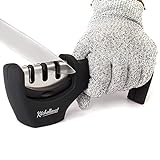
- TAR Score9.0
TAR Score is a ranking system developed by TopAppliancesReviews.com. TAR score has no relationship or impact from any manufacturers or sales agent websites. Learn more
- BrandKITCHELLENCE

- TAR Score8.8
TAR Score is a ranking system developed by TopAppliancesReviews.com. TAR score has no relationship or impact from any manufacturers or sales agent websites. Learn more
- BrandParkway Home

- TAR Score8.8
TAR Score is a ranking system developed by TopAppliancesReviews.com. TAR score has no relationship or impact from any manufacturers or sales agent websites. Learn more
- BrandSHARPAL
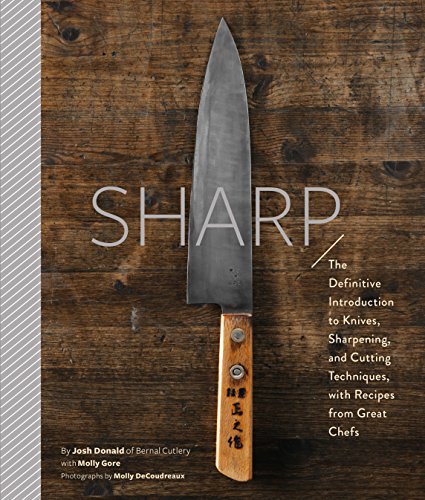
- TAR Score8.8
TAR Score is a ranking system developed by TopAppliancesReviews.com. TAR score has no relationship or impact from any manufacturers or sales agent websites. Learn more
- BrandChronicle Books
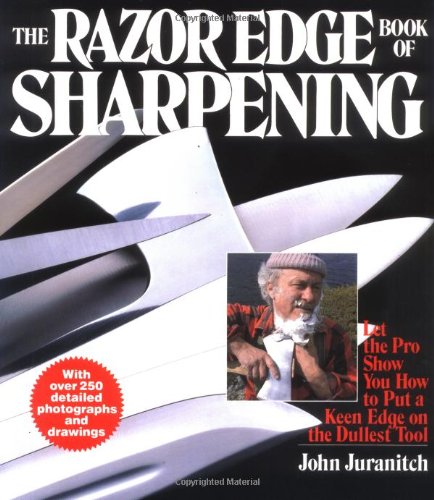
- TAR Score8.8
TAR Score is a ranking system developed by TopAppliancesReviews.com. TAR score has no relationship or impact from any manufacturers or sales agent websites. Learn more
- BrandN/A

- TAR Score8.4
TAR Score is a ranking system developed by TopAppliancesReviews.com. TAR score has no relationship or impact from any manufacturers or sales agent websites. Learn more
- BrandSecura

- TAR Score7.6
TAR Score is a ranking system developed by TopAppliancesReviews.com. TAR score has no relationship or impact from any manufacturers or sales agent websites. Learn more
- BrandAudible

- TAR Score7.0
TAR Score is a ranking system developed by TopAppliancesReviews.com. TAR score has no relationship or impact from any manufacturers or sales agent websites. Learn more
- BrandMajosta
Last update on 2026-10-20 / Affiliate links / Images, Product Titles, and Product Highlights from Amazon Product Advertising API
FAQs
How often should you sharpen kitchen knives?
Most home cooks only need to use the coarse sharpening slot once or twice a year. The fine ceramic slot should be used every two to four weeks, depending on how often you cook, to keep the cutting bevel aligned without grinding off unnecessary steel.
Can you sharpen scissors in a standard pull-through knife sharpener?
No, standard knife slots will damage scissors. Knives have a double-sided bevel, while scissors have a single, steep shear angle on one side only. Running scissors through a V-shaped knife slot ruins the flat mating face that lets the scissor blades bypass each other to cut.
What is the difference between honing and sharpening?
Sharpening removes steel to create a brand-new cutting edge on a worn or damaged blade. Honing straightens and realigns an existing edge that has rolled slightly to the side during normal chopping, restoring cutting performance without removing metal.
Why does my knife still feel dull after using a sharpener?
The most common cause is leaving a burr behind by skipping the fine ceramic slot. It can also happen if you tilted the knife sideways during your pulls, which rounds off the edge instead of creating a sharp point, or if you pushed down too hard and deformed the thin steel.

Top Rated Best Quality Range Hoods: 2026 Expert Picks

The 12 Best Small Solar Generators 2026

10 Best Quality Semi Automatic Washing Machine of 2026 For Leak-Free Laundry

11 Best Small Washer Machine of 2026 For Everyday Laundry

12 Best Vibration Pads For Washing Machine of 2026 To Stop Walking and Shaking

11 Best Selling Front Load Washing Machine of 2026 For Quiet Odor-Free Laundry

11 Best Washing Machine For King Size Bedding of 2026 To Prevent Cycle Errors

10 Best Small Front Loader Washing Machine of 2026 For Tight Closets