
How to Use a Balisong Knife Safely

Learning to flip a butterfly knife is far less scary than it looks once the basic grip clicks into place. The secret is to always hold the safe handle so the cutting edge swings away from your skin. From there, a gentle flick of the wrist carries the blade open, letting the handles meet smoothly without any frantic finger gymnastics.
The process changes slightly depending on the tool in your hand, since an unsharpened practice trainer lets you build muscle memory without fear, while a sharp blade requires extra care. Safe flipping also relies on identifying the bite handle, which is the piece that covers the sharp edge, and checking that the pivot screws at the hinges swing freely without loose wobble. Learning these basic parts will help you move cleanly from your very first swing.
Find the Safe Handle Before You Touch Anything Else
A balisong knife, commonly known as a butterfly knife, uses two separate handles that rotate on pivot pins (the small hinge screws at the base of the blade). When the knife is closed, the blade sits tucked safely inside channels (the hollow grooves running down the length of each handle). When you open the knife, those handles swing 180 degrees around their hinge pins to meet at the base, forming a solid grip that locks the blade in place.
Before you attempt any move, you must identify which handle is safe to hold and which one will cut you. Every standard balisong has two distinct handles with very different jobs:
- The safe handle: This is the handle that lines up with the dull blade spine (the thick, unsharpened back edge of the blade). When you hold the safe handle and flip the knife, the flat back of the metal can bounce against your knuckles without cutting your skin.
- The bite handle: This is the handle that closes directly over the sharp cutting edge. If you grip the bite handle while swinging the knife, that razor edge swings directly into your fingers. A slip while holding the bite handle almost always leads to a cut.
To find each handle, open the knife slowly with both hands. Look closely at the blade grind. Trace the sharp cutting edge backward toward the hinge pin to see which handle wraps around it. That is your bite handle. Next, trace the dull spine backward to its hinge pin. That is your safe handle.
Many knives include a latch (a small metal clasp that locks the handles together). On traditional knives, the latch sits on the bite handle, but some modern knives place it on the safe handle instead. Never rely on the latch alone to tell the handles apart. Always inspect the sharp edge of the blade itself before your fingers touch the metal.
Check Your Grip Every Time You Pick Up the Knife
Keeping your skin intact comes down to good grip habits. Beginners often grab both handles tightly with a closed fist. Gripping too tightly locks your wrist and makes your flips jerky, which causes the knife to bounce out of control.
Run through this quick grip checklist every time you pick up the knife:
- Grip only the safe handle: Place your thumb and index finger on the safe handle near the pivot screw, keeping the bite handle completely free to swing.
- Use a loose pinch grip: Hold the metal between the pads of your thumb and index finger. Keep your grip relaxed so the handle can pivot smoothly as your hand turns.
- Keep fingers clear of the inner channel: Never wrap your fingertips around the open slot where the blade travels. Keep your pads flat against the outer sides of the handle.
- Drop your elbow and relax your wrist: Balisong flipping relies on momentum rather than arm muscle. A loose wrist lets the weight of the free handle carry the blade through its arc.
- Clear your practice area: Practice over a soft surface, such as a bed, a thick rug, or a couch. Dropping your knife onto concrete or tile can chip the blade tip and ruin your pivot alignment.
A light grip gives you better control than a tight squeeze. If you feel tension building up in your forearm, stop flipping, shake out your hand, and reset your fingers on the safe handle.
Practice the Basic Horizontal Opening in Slow Motion
The basic horizontal opening is the starting point for butterfly knife manipulation. It teaches your fingers how momentum moves the blade through the air. Break the movement down into slow, deliberate steps before trying to speed up:
- Start in the closed position: Hold the knife upright in front of your chest. Pinch the upper third of the safe handle between your thumb and index finger. Let the bite handle face outward, pointed away from your palm. Keep your lower three fingers tucked back toward your wrist.
- Flick the bite handle outward: Snap your wrist forward and outward gently. The bite handle will swing open, pulling the blade with it. Allow the free handle and blade to swing all the way out until the knife is completely straight.
- Rebound off your knuckles: As the bite handle reaches full extension, flick your wrist backward toward your body. The bite handle and blade will swing back toward your hand. The dull blade spine will tap against the back of your fingers. Because you are holding the safe handle, only the unsharpened spine touches your skin.
- Rotate the safe handle: As the spine taps your knuckles, roll the safe handle half a turn (a 180-degree rotation) between your thumb and index finger. This quick twist turns the knife so the sharp cutting edge points safely away from your hand, while the bite handle drops downward.
- Snap the handles together: Snap your wrist upward and forward. The bite handle will swing up and meet the safe handle right in your palm. Close all four fingers and your thumb firmly around both handles to lock the blade open.
If the knife stops moving halfway through the rotation, do not force it with your whole arm. Use a tiny, fluid flick of your wrist to provide just enough momentum for the bite handle to complete its arc.
Bring the Blade Back to Center With a Controlled Close
Closing a balisong requires just as much care as opening it. Many cuts happen during closing because flippers rush the final step. If your fingers stay wrapped around the handle track, the incoming blade will pinch your flesh.
Follow these steps to close the knife smoothly without catching your skin:
- Release the bite handle: Start with the knife held open in your hand. Open your lower three fingers and push the bite handle away from your palm, keeping your grip strictly on the safe handle. Let the bite handle hang straight down.
- Flick the bite handle backward: Flick your wrist upward toward your chest. The bite handle and the blade will swing upward together. The dull spine of the blade will tap the back of your knuckles, exactly like it did during the opening move.
- Roll the handle: Roll the safe handle half a turn between your thumb and index finger. This turns the knife around so the blade edge faces away from your hand while the bite handle swings down toward the floor.
- Open your hand flat: Open your thumb and fingers wide to the sides, keeping contact only with the flat outer sides of the safe handle. Ensure that not a single fingertip curls into the open channel where the blade enters.
- Snap the knife closed: Flick your wrist forward. The bite handle will swing upward, tuck the blade into its channel, and snap flush against the safe handle. Once the handles touch, wrap your fingers around the outside to secure the closed knife.
Watch your ring finger and pinky during the final flick. Keep those two fingers pulled completely flat against the side of the handle until the two halves meet, preventing painful pinches.
Tape the Edge and Adjust Your Pivot Screws for Safety
Flipping a sharp, live blade while you are still learning the basics creates unnecessary stress. When you worry about getting cut, your hands stiffen, which ruins your rhythm and causes erratic mistakes.
You can remove that fear entirely by taping the cutting edge. Take standard masking tape or blue painter's tape and wrap two or three clean layers directly over the sharp edge of the blade, from the base all the way to the tip. Leave the dull spine uncovered. The tape forms a soft protective cushion that prevents cuts if your fingers slip. It adds almost no weight, meaning the knife balances and swings exactly as it should.
In addition to taping the edge, you must inspect the hardware. A butterfly knife relies on two pivot screws (the threaded hinge pins at the base) to control how freely the handles rotate. Over time, swinging the knife causes these screws to drift.
Examine these mechanical factors regularly to keep your knife flipping smoothly:
- Handle play: Play refers to the loose, side-to-side wobble in the handles when you wiggle them horizontally. A small amount of play is normal, but excessive play causes the blade to scrape against the inner handle channels. If the handles wobble widely, tighten the pivot screws slightly with a matching Torx driver.
- Handle tap: Tap happens when loose handles rattle and hit the blade directly during a swing. If you shake the closed knife side to side and hear metal slapping metal, your pivot screws are too loose.
- Handle swing: Hold the blade horizontally and let the handles drop freely. Both handles should swing back and forth several times under their own weight. If a handle stops abruptly or feels stiff, loosen the pivot screw by an eighth of a turn until it glides smoothly.
Just like maintaining kitchen cutlery found in best German high-carbon steel premium knife block sets, folding tools need steady maintenance to perform well. Add a single drop of light mineral oil or knife lubricant to each pivot washer. If your pivot screws repeatedly loosen during practice, back the screw out, apply a tiny drop of removable blue thread-locking compound to the threads, adjust the screw to a smooth swing, and let it cure overnight.
Choose a Balanced Practice Trainer to Build Muscle Memory
If you prefer not to use tape on a live blade, an unsharpened practice tool is the safest way to build your flipping skills. Known as a trainer, this tool replaces the sharp cutting blade with a dull, rounded piece of solid steel or a comb. A quality trainer shares the exact length, thickness, and balance of a standard butterfly knife, allowing your hands to develop muscle memory without the risk of deep cuts or punctures.
When selecting a practice tool, look closely at handle construction and pivot systems. Integral channel handles, which are machined from a single solid piece of aluminum or steel, offer high strength and a comfortable, seamless grip. Sandwich handles, assembled from separate metal plates joined by standoff screws, are also durable and allow for easy cleaning.
Check the hinge system as well. Look for tools that feature hardened bushings (small metal rings that slide over the pivot screws inside the blade holes). A bushing system allows you to tighten the hinge screws fully without pinching the blade, creating a frictionless swing with minimal play and zero tap. Aim for a total weight around four ounces. This gives the tool enough momentum to rotate through moves smoothly without tiring your wrist or bruising your fingers during long practice sessions.

- TAR Score10.0
TAR Score is a ranking system developed by TopAppliancesReviews.com. TAR score has no relationship or impact from any manufacturers or sales agent websites. Learn more
- BrandMajosta

- TAR Score9.0
TAR Score is a ranking system developed by TopAppliancesReviews.com. TAR score has no relationship or impact from any manufacturers or sales agent websites. Learn more
- BrandVORNNEX

- TAR Score8.8
TAR Score is a ranking system developed by TopAppliancesReviews.com. TAR score has no relationship or impact from any manufacturers or sales agent websites. Learn more
- BrandN/A

- TAR Score8.8
TAR Score is a ranking system developed by TopAppliancesReviews.com. TAR score has no relationship or impact from any manufacturers or sales agent websites. Learn more
- BrandGOOD WORKER
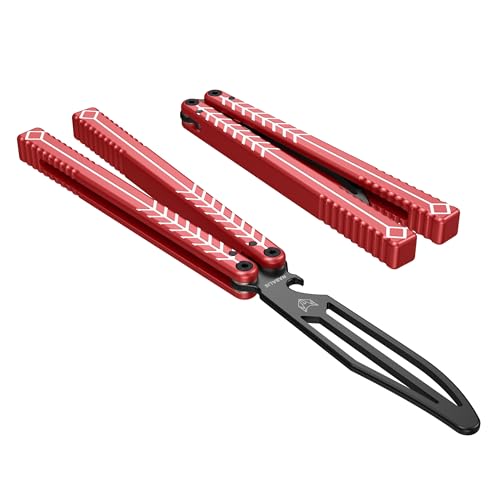
- TAR Score8.8
TAR Score is a ranking system developed by TopAppliancesReviews.com. TAR score has no relationship or impact from any manufacturers or sales agent websites. Learn more
- BrandNabalis

- TAR Score8.6
TAR Score is a ranking system developed by TopAppliancesReviews.com. TAR score has no relationship or impact from any manufacturers or sales agent websites. Learn more
- BrandKEEDAS
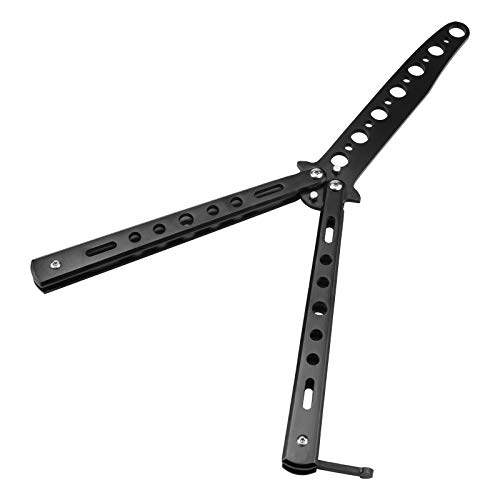
- TAR Score8.2
TAR Score is a ranking system developed by TopAppliancesReviews.com. TAR score has no relationship or impact from any manufacturers or sales agent websites. Learn more
- BrandLittle World

- TAR Score7.6
TAR Score is a ranking system developed by TopAppliancesReviews.com. TAR score has no relationship or impact from any manufacturers or sales agent websites. Learn more
- BrandLittle World
Last update on 2026-11-02 / Affiliate links / Images, Product Titles, and Product Highlights from Amazon Product Advertising API
FAQs
How do I know if my balisong has too much handle play?
Hold the knife open and pinch one handle firmly in your hand. Wiggle the other handle side to side with your fingers. If the handle shifts more than an eighth of an inch or clatters loudly against the blade spine, your pivots have too much play and need tightening.
What should I do if my knife pinches my fingers when closing?
A pinch happens when your fingertips curl around the inner handle track during the final flick. Keep your fingers completely straight and flat against the outside face of the safe handle until the bite handle snaps fully shut against it.
Can I use threadlocker on my pivot screws if they keep coming loose?
Yes, removable blue threadlocker is the standard solution for loose balisong screws. Apply one small drop to the clean threads, tighten the screw until the handle swings freely without wobble, and let the compound dry for 24 hours before flipping.
Is it better to learn butterfly knife flips fast or slow?
Always learn every move in slow motion first. Flipping fast before your fingers understand the mechanics leads to dropped knives, bruised knuckles, and bad habits that are difficult to correct later.
Related guides: what is a balisong knife.


Top Best Quiet Portable Generator Electric Start 2026 - (2026 Updated)

The 10 Best Portable Power Station For Tailgating 2026

10 Best Washing Machine For King Size Comforter of 2026 For Bulky Bedding

11 Best Semi Automatic Washing Machine Under 10000 of 2026 For Apartments and RVs

The Best Concrete Floor Buffer 2026 - Top Choices

Best Cooling Fan with HEPA Filter: Our 2026 Top Picks for Cleaner Air

Best poulan chainsaw 2026 - Reviews & Buying Guides

Value Picks: 10 Vitamix 5300 Best Price of 2026




