
How to Store a Cast Iron Skillet 2026 Best Care Tips

How to store a cast iron skillet isn’t just about clearing space in a cabinet. Storage habits quietly decide whether that skillet stays slick and reliable or turns into a flaky, rusty headache. Poor airflow, trapped moisture, and careless stacking undo years of seasoning faster than most people expect. A few smart adjustments, however, keep the surface dark, dry, and ready for action.
Moisture remains the real villain here. Even a pan that looks bone-dry can hold humidity against its surface if it’s sealed tight or stacked wrong. Proper airflow gives trapped moisture a way out, while a thin oil barrier adds insurance without turning the pan sticky. Skipping these basics invites rust spots that spread quietly and demand a full re-season later.
Stacking pans often feels unavoidable, yet bare metal rubbing metal wears down seasoning over time. A simple layer of paper towel or cloth between pans cushions the surface and absorbs lingering dampness. Smart stacking protects the cooking surface and prevents that chalky smell nobody wants near food. It’s a small move with outsized payoff.
Vertical storage solves more problems than it creates. Hanging a skillet or sliding it into a rack keeps air circulating and avoids pressure on the cooking surface. Wall hooks and open racks also make the pan easier to grab, which means it actually gets used instead of forgotten. Convenience and preservation can share the same space.
Lids deserve attention too. A lid sealed tightly over cast iron traps humidity like a greenhouse. Propping it slightly ajar or storing it separately lets the skillet breathe. Breathing room might sound trivial, yet it often marks the difference between a spotless pan and one that needs rescue.
Location matters more than most kitchens admit. Under-sink cabinets and damp basements invite moisture year-round. A dry cupboard, pantry shelf, or open rack keeps conditions stable. Consistent storage conditions protect seasoning far better than constant cleaning ever could.
Handled with care, cast iron rewards patience. The right storage routine preserves seasoning, saves time, and keeps flavors clean. How to store a cast iron skillet ultimately becomes a habit, not a chore, and that habit quietly keeps the pan cooking-ready for decades.

- TAR Score9.4
TAR Score is a ranking system developed by TopAppliancesReviews.com. TAR score has no relationship or impact from any manufacturers or sales agent websites. Learn more
- BrandToiserns
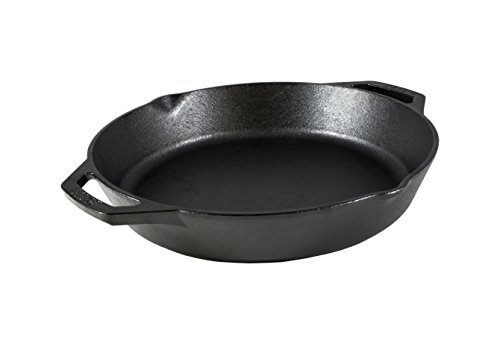
- TAR Score9.4
TAR Score is a ranking system developed by TopAppliancesReviews.com. TAR score has no relationship or impact from any manufacturers or sales agent websites. Learn more
- BrandLodge

- TAR Score9.2
TAR Score is a ranking system developed by TopAppliancesReviews.com. TAR score has no relationship or impact from any manufacturers or sales agent websites. Learn more
- BrandLodge

- TAR Score9.2
TAR Score is a ranking system developed by TopAppliancesReviews.com. TAR score has no relationship or impact from any manufacturers or sales agent websites. Learn more
- BrandPurgreat

- TAR Score9.2
TAR Score is a ranking system developed by TopAppliancesReviews.com. TAR score has no relationship or impact from any manufacturers or sales agent websites. Learn more
- BrandOnewly

- TAR Score9.0
TAR Score is a ranking system developed by TopAppliancesReviews.com. TAR score has no relationship or impact from any manufacturers or sales agent websites. Learn more
- BrandLodge

- TAR Score8.8
TAR Score is a ranking system developed by TopAppliancesReviews.com. TAR score has no relationship or impact from any manufacturers or sales agent websites. Learn more
- BrandLodge

- TAR Score8.6
TAR Score is a ranking system developed by TopAppliancesReviews.com. TAR score has no relationship or impact from any manufacturers or sales agent websites. Learn more
- BrandHemoton
Last update on 2026-03-01 / Affiliate links / Images, Product Titles, and Product Highlights from Amazon Product Advertising API
How To Store A Cast Iron Skillet
Kitchen routines fall apart fast when a trusted pan pulls out with rust freckles or a sticky film. Storage habits quietly shape those outcomes long before heat ever hits the burner. Moisture exposure, cramped cabinets, and sealed lids create slow damage that feels sudden later. That frustration usually traces back to how how to store a cast iron skillet fits into daily life, not how it’s cooked.
Cast Iron Skillet Storage Basics
Cast iron behaves differently from modern cookware, and storage plays a starring role. Dense metal holds temperature and seasoning well, yet it also traps humidity if boxed in. Air circulation prevents microscopic moisture from clinging to the surface overnight. A skillet that breathes stays calm and cooperative instead of temperamental.
Drying before storage sounds obvious, yet rushed routines skip this step more than admitted. A pan that feels dry can still hide water in pores or along the rim. Residual moisture triggers rust even in climate-controlled kitchens. Taking an extra minute to warm the pan on low heat drives off that hidden dampness.
Oil creates a safety net, not a greasy mess, when used correctly. A thin wipe of neutral oil seals seasoning without attracting dust. Light oil protection works like a rain jacket rather than a sponge. Too much oil, on the other hand, turns storage into a sticky regret.
Location matters as much as technique. Cabinets near sinks, dishwashers, or exterior walls fluctuate in humidity. Stable storage zones keep seasoning intact and predictable. Dry pantries, open shelving, or wall racks outperform damp corners every time.
Stacking Without Destroying Seasoning
Stacking feels inevitable in smaller kitchens, yet bare metal-on-metal contact slowly erases seasoning. The weight of another pan presses into the surface and leaves shiny scars. Protective barriers break that cycle without adding clutter. A simple paper towel or cloth does the job quietly.
Paper towels absorb lingering moisture while cushioning the surface. Cloth liners last longer and look cleaner, yet they must stay dry to work properly. Absorbent layers solve two problems at once. Skipping this step often explains mysterious seasoning loss.
Handle placement also affects stacking success. Off-center handles create pressure points that dig into lower pans. Rotating handles or nesting skillets by size spreads weight evenly. Balanced stacking preserves the cooking surface and avoids awkward cabinet wrestling.
Lids deserve separate consideration. A sealed lid traps humidity like a greenhouse. Storing lids slightly ajar or elsewhere keeps air moving. Ventilated storage protects both lid and pan without extra effort.
Vertical And Hanging Storage Options
Vertical storage changes the game for cast iron care. Standing pans on edge increases airflow and eliminates pressure on seasoning. Upright positioning keeps surfaces untouched and visible. Visibility alone encourages better habits.
Wall hooks turn heavy skillets into functional décor. Secure anchors matter, as cast iron pulls more weight than expected. Proper mounting hardware prevents accidents and keeps pans within reach. Convenience often leads to more frequent use.
Open racks work well for renters or flexible layouts. They slide into cabinets or pantries without drilling. Modular racks adapt as cookware collections change. That adaptability prevents overcrowding later.
Vertical storage also simplifies cleaning routines. A pan that dries upright sheds water naturally. Gravity-assisted drying reduces wipe-down time and missed moisture spots. Less fuss means better consistency.
Managing Humidity And Seasonal Changes
Humidity fluctuates with weather, even indoors. Summer air carries moisture that sneaks into cabinets. Seasonal awareness keeps storage strategies effective year-round. Ignoring climate changes invites surprise rust.
Silica packets or moisture absorbers add quiet insurance. Tucked near cookware, they reduce ambient dampness without contact. Passive moisture control works around the clock. Replacement every few months keeps them effective.
Basements and garages tempt with space but punish cast iron. Temperature swings cause condensation that defeats seasoning. Environment consistency matters more than square footage. Indoor storage wins long-term.
For kitchens in humid regions, airflow beats sealing. Avoid airtight containers that trap moisture inside. Breathable storage lets humidity escape instead of settling. That difference shows up quickly.
Protecting Seasoning Before Storage
Seasoning acts as armor, and storage determines how well it holds. Cleaning methods influence storage success directly. Harsh scrubbing strips protection and leaves metal exposed. Gentle cleaning preserves the barrier that storage relies on.
Occasional reseasoning strengthens resilience against humidity. Thin, even layers outperform thick coats. Proper seasoning technique matters before any storage decision. For a reliable method, improve long-term protection by using properly season a cast iron skillet.
Skipping seasoning after acidic cooking invites trouble. Tomato-based sauces weaken the surface temporarily. Post-cook maintenance restores balance before storage. A quick oil wipe saves hours later.
Different materials demand different approaches. Stainless steel pans tolerate moisture better, yet seasoning still improves performance. To refine that process, enhance surface longevity by following season a stainless steel skillet. Cross-applying habits strengthens overall kitchen care.
Organizing Storage For Daily Cooking Flow
Storage should support cooking rhythm, not fight it. A pan buried behind others gets neglected. Easy access encourages regular use and keeps seasoning active. Active pans resist rust better than idle ones.
Grouping cookware by use frequency simplifies decisions. Daily pans deserve prime spots. Priority placement reduces friction during busy meals. Less friction means fewer shortcuts.
Accessories influence storage efficiency too. Crowded drawers force awkward stacking. Investing in smart tools frees space and protects cookware. For safer prep alongside cast iron care, upgrade efficiency with best knife set americas test kitchen.
Thoughtful organization transforms storage into habit. Habits reduce mistakes without conscious effort. Routine alignment keeps cast iron reliable and stress-free. That reliability shows up meal after meal.
How To Store A Cast Iron Skillet
Long-term care starts showing cracks when storage routines feel like an afterthought. A pan can cook beautifully for years, then slip fast if storage ignores daily realities like clutter, humidity, and rushed cleanup. Consistency beats perfection here. Small habits layered over time keep cast iron steady and predictable.
Choosing The Right Storage Location
Not every cabinet treats cast iron equally. Spaces near sinks, dishwashers, or exterior walls collect moisture even in well-ventilated kitchens. Low-humidity zones reduce the chance of rust forming between uses. A dry pantry shelf often outperforms a convenient but damp lower cabinet.
Temperature swings matter more than expected. Cabinets exposed to cold nights and warm days encourage condensation on metal. Stable temperatures protect seasoning from micro-cracks caused by expansion and contraction. That stability keeps the surface slick instead of chalky.
Open shelving solves airflow problems but introduces dust. A lightly oiled surface resists dust sticking and wipes clean easily. Balanced exposure keeps air moving without creating cleanup headaches. The pan stays visible and ready.
Distance from heat sources helps too. Storing cast iron above ovens or near vents dries oil unevenly. Moderate environments maintain seasoning integrity over time. The goal is calm, not extremes.
Handling Lids And Accessories Correctly
Lids often undo good storage habits. Placing a lid tightly on a skillet traps moisture inside. Trapped humidity quietly attacks seasoning even in dry kitchens. Propping lids or storing them separately lets the pan breathe.
Glass lids pose a similar risk. They seal well and cool slowly, creating condensation inside. Partial separation avoids that greenhouse effect. A simple offset placement fixes the issue.
Accessories like silicone handles need attention too. Moisture hides underneath if left on. Accessory removal before storage prevents surprise rust rings. Drying everything separately pays off.
Stacked lids benefit from liners as much as pans do. Cloth or paper barriers absorb stray moisture. Layered protection keeps everything cleaner and more predictable. Storage stays controlled.
Daily Storage Habits That Prevent Rust
Rust rarely appears overnight without warning signs. Storage shortcuts create those warnings quietly. Skipping drying or oiling invites problems later. Routine discipline prevents emergency fixes.
A brief heat-dry step removes hidden moisture fast. Placing the pan over low heat for a minute evaporates what towels miss. Heat-assisted drying protects seasoning without effort. That habit compounds over time.
Oil application should stay minimal. A sheen, not a pool, seals the surface. Thin oil layers protect without attracting debris. Excess oil causes stickiness and odor.
Returning the pan to its spot promptly matters. Leaving it out invites airborne moisture and dust. Immediate storage locks in cleanliness and consistency. The pan stays ready.
Storing Cast Iron In Small Kitchens
Limited space challenges even the best intentions. Overcrowded cabinets force stacking and shortcuts. Space awareness guides smarter storage decisions. Small kitchens demand efficiency.
Vertical organizers reclaim hidden space. Standing pans on edge reduces footprint and improves airflow. Edge storage keeps seasoning untouched. It also speeds up access.
Wall storage doubles as design. Hooks free cabinets while keeping pans visible. Accessible placement encourages frequent use, which maintains seasoning naturally. Idle pans degrade faster.
Multi-use zones help too. A pantry corner or utility shelf can host heavy cookware. Creative placement beats forcing pans into damp cabinets. Flexibility wins.
Travel And Temporary Storage Considerations
Moving or storing cast iron temporarily introduces new risks. Boxes trap moisture and restrict airflow. Transit preparation prevents damage during downtime. Planning ahead saves reseasoning later.
Wrap pans in breathable materials like cloth or paper. Avoid plastic that seals in humidity. Breathable wrapping allows moisture to escape gradually. That escape matters.
Oil lightly before packing. The barrier protects against ambient moisture shifts. Pre-storage oiling stabilizes seasoning during inactivity. Less oil works better.
Unpack promptly when possible. Extended boxed storage invites rust even with preparation. Timely unpacking restores airflow and stability. Delay costs effort later.
Balancing Storage With Other Kitchen Tools
Cast iron rarely lives alone in cabinets. Sharp tools and bulky appliances compete for space. Tool separation prevents scratches and accidents. Organization protects everything.
Knife storage often dictates cabinet layout. Bulky blocks crowd cookware. Choosing a streamlined option like a best knife set under 500 frees room and reduces clutter. Efficient knife storage indirectly benefits cast iron care.
Appliances matter too. Kettles and small gadgets hog prime real estate. Relocating items such as a best cordless hot water kettle opens dry zones for cookware. Strategic appliance placement improves storage flow.
Reevaluating layout periodically keeps storage working. Kitchens evolve, and habits shift. Periodic reassessment prevents slow creep into bad storage habits. Maintenance stays manageable.
Long-Term Storage For Seasonal Use
Some skillets rest between seasons. Extended storage magnifies small mistakes. Seasonal preparation protects pans during long breaks. Neglect shows later.
Clean thoroughly without stripping seasoning. Dry completely using heat if needed. Deep drying removes moisture that hides in pores. That step matters most.
Apply a thin oil coat and store in a breathable space. Avoid sealing pans in airtight containers. Controlled airflow keeps the surface stable. Seasoning stays intact.
Check stored pans occasionally. Early rust spots clean easily. Periodic inspection prevents full restorations. Small checks save big effort.


Top Rated Best Quality Range Hoods: 2026 Expert Picks
The 12 Best Small Solar Generators 2026

10 Best Quality Semi Automatic Washing Machine of 2026 For Leak-Free Laundry

11 Best Small Washer Machine of 2026 For Everyday Laundry

12 Best Vibration Pads For Washing Machine of 2026 To Stop Walking and Shaking

11 Best Selling Front Load Washing Machine of 2026 For Quiet Odor-Free Laundry

11 Best Washing Machine For King Size Bedding of 2026 To Prevent Cycle Errors

10 Best Small Front Loader Washing Machine of 2026 For Tight Closets






