
How To Sharpen A Wood Carving Knife To A Razor Edge

Sharpen by holding the blade bevel flat. Keep that bevel, the slanted flat face leading down to the cutting edge, flush against a fine stone until a burr forms (a tiny wire of bent metal on the far side). Next, polish the edge on a leather strop, which is a leather strip treated with compound to buff that wire smooth. When the steel has no deep nicks, stropping by itself is often enough to restore a razor-sharp cut.
The right routine depends on blade condition and profile. A chipped edge needs a stone to remove metal, but a blade that merely catches in wood grain usually just needs leather. Curved whittling tools and hollow hook blades also require rounded wooden dowels instead of flat bench stones. Locking your wrist prevents rounding over the factory angle. Here is the direct process to get a clean slice safely.
Deciding Between Stropping and Stone Sharpening
A dull carving knife is dangerous. When your blade loses its bite, you naturally push harder against the wood block. That extra pressure causes the blade to slip off the cut, skid across the wood, and slice into your holding fingers. A sharp knife, on the other hand, glides through tough grain with gentle thumb pressure and leaves a glossy, smooth surface behind.
Before you pull out sharpening gear, you must determine whether your blade needs steel removed on a stone or simple polishing on a leather strop. A leather strop is a strip of firm leather attached to a flat wood block, used to polish the cutting edge. Whittling knives spend most of their working lives on leather. Stropping is called honing, which means polishing an edge to razor sharpness without grinding away steel. If your blade has no visible chips and simply feels a little sluggish as it passes through pine or basswood, stropping alone will bring back that clean slicing bite in two minutes.
You only need a whetstone when the edge suffers physical damage or loses its basic wedge shape. Look closely down the sharp edge under a direct light bulb. If you see tiny nicks, jagged chips, or shiny silver spots where the edge has flattened out, stropping cannot fix the problem. A stone removes metal to reset the bevel, which is the slanted flat side leading down to the sharp edge. Reserve stone sharpening for damaged edges or blades that refuse to shave wood cleanly after thorough stropping.
Steps to Sharpen a Wood Carving Knife on a Stone
When your knife edge has nicks or has grown completely blunt, follow this step-by-step method to cut a fresh, uniform edge on a flat bench stone. Maintain a calm, unhurried pace throughout the process.
- Lubricate your sharpening stone with water or light mineral oil. The liquid floats loose metal particles away from the stone surface so they do not clog the abrasive pores and scratch your blade.
- Rest the factory bevel completely flat on the stone face. Carving knives cut best with their original flat bevel angle, and resting the bevel flat gives you an immediate physical guide that stops you from wobbling.
- Lock your wrists and push the cutting edge forward across the stone. Slicing forward into the stone cuts clean metal away evenly across the entire length of the blade rather than rolling steel backward.
- Maintain light, even downward pressure from the handle to the blade tip. Heavy downward force flexes thin carving blades and gouges the abrasive stone, while light pressure keeps the scratch pattern straight.
- Work the first side until you feel a continuous burr along the entire opposite side. A burr is a thin wire edge of bent metal that forms on the opposite side, proving you have ground all the way to the very apex of the blade.
- Flip the knife over and repeat the exact same number of strokes on the other side. Sharpening both sides with identical strokes keeps the cutting point centered directly along the middle line of the blade.
- Progress to a finer grit stone to polish out the coarse scratches. Grit refers to how rough or fine a sharpening stone feels, and stepping up from medium grit to fine grit smooths the metal so the knife slides through wood with minimal drag.
- Wipe the blade thoroughly with a clean rag before touching a leather strop. Removing leftover stone grit and metal slurry prevents coarse abrasive dust from contaminating your fine polishing strop.
Stropping on Leather with Compound to Polish the Edge
Stone sharpening creates the sharp wedge, but stropping turns that edge into a true woodcarving razor. Even after finishing on a fine stone, a microscopic burr clings to the blade tip. Stropping wipes away this weak wire edge and polishes the steel to a mirror shine, reducing the friction that causes wood grain to tear and splinter.
To prepare your leather strop, rub a bar of green polishing compound across the rough or smooth leather surface like a crayon. The compound contains micro-abrasives that do the actual polishing work. Lay your carving knife flat on the leather near one end. Match the angle of the blade bevel exactly to the surface so the flat bevel rests flush against the leather.
Unlike stone sharpening, you never push the blade edge-first into leather, because the sharp edge will instantly slice deep into the hide. Instead, pull the blade backward with a trailing stroke, leading with the spine (the thick back edge of the blade). Pull the knife toward you from heel to tip in one smooth sweep. At the end of the stroke, roll the knife over across its spine, never over the sharp edge, and push the opposite side away from you. Perform 15 to 20 light passes per side. Stop stropping the moment the bevel reflects light like a clean glass mirror.
Sharpening Curved Blades and Hook Knives
Whittlers who carve spoons, bowls, and hollow figures rely on curved blades, often called hook knives or crooked knives. You cannot sharpen a concave hook blade on a flat whetstone. Laying a curved blade across a flat stone only touches two small contact points, which rapidly flattens the curve and ruins the tool shape.
To sharpen the inside curve of a hook knife, use a round wooden dowel wrapped tightly in fine wet-or-dry sandpaper, or a shaped teardrop slipstone. Match the diameter of the wooden dowel to the inner radius of your hook knife. Coat the sandpaper with light water or oil, then press the dowel firmly against the inside bevel. Rotate the dowel against the steel in smooth, circular strokes moving along the curve from the handle out toward the tip.
Once you form a fine burr along the outside edge of the hook knife, finish the tool on a round leather strop. You can make a custom hook knife strop by gluing a piece of leather around a hardwood dowel and coating it with green stropping compound. Pull the outside edge across a flat strop to remove the burr, then stroke the inside curve using your round leather dowel until both sides shine cleanly.
Checking Blade Sharpness Safely
Never run your bare thumb or finger pads across a carving edge to inspect sharpness. High-carbon steel carving blades are ground thin and will bite into skin with the slightest slip. Use these reliable checks on scrap wood to confirm your edge is ready for carving.
- Cross-grain end cut: Take a dry scrap of soft pine or basswood and slice across the end grain. A razor-sharp carving edge leaves a shiny, glass-smooth cut that reflects light, while a dull edge leaves crushed, fuzzy wood fibers.
- Overhead light reflection: Stand directly under a bright desk lamp and look straight down at the sharp cutting edge. A dull edge has width and reflects tiny dots or lines of silver light, while a truly sharp edge is microscopic and reflects zero light.
- Magazine paper glide: Hold a loose sheet of light catalog or newsprint paper vertically by its corner. Touch the blade to the top edge and push downward without sawing back and forth; a ready edge glides silently through the paper without snagging or ripping.
Sharpening Mistakes That Ruin Your Carving Edge
Most sharpening problems come from tiny hand movements that alter the blade angle while you work. Understanding these common mistakes will save you hours of frustrating repair work at your workbench.
The most frequent error is rocking the wrist during the sharpening stroke. When you lift the spine as the blade moves across the stone, you round the cutting apex. A rounded bevel will not bite into flat wood; instead, it glances off the surface like a sled runner. Keep your wrist locked straight and move your entire upper body from the torso to hold one flat angle from the start of the stroke to the end.
Another major mistake is pressing too hard into a leather strop. Leather is flexible. When you push down with heavy hand pressure, the leather compresses under the blade and wraps up around the cutting apex, rounding the exact razor edge you are trying to create. Use feather-light pressure on the strop, letting the abrasive compound do the polishing.
Avoid kitchen pull-through sharpeners and high-speed electric dry grinding wheels entirely. Pull-through sharpeners have hard carbide cutters that rip deep grooves into delicate carving steel, ruining the flat bevel geometry. High-speed dry grinding wheels generate intense heat in seconds. Woodcarving knives are crafted from high-carbon steel, a hard metal that holds an acute edge far longer than basic steels. Much like the steel found in German high-carbon steel knives or delicate high-carbon Japanese blades, excessive heat softens the temper of the metal. Once the temper is lost, the edge will roll and dull on the very first wood shaving.
What to Look for in Wood Carving Knives and Sharpening Gear
Keeping carving tools sharp begins with choosing tools built from the right materials. When picking out woodcarving knives, look for blades made from dedicated high-carbon steel or tool steel. These metals take an exceptionally crisp edge when honed on leather and hold that keen slicing bite through dense woods like cherry and walnut. Stainless steel carving knives resist rust well, but they often feel gummy on sharpening stones and take longer to form a clean burr.
Examine the blade grind before buying. Flat bevels, often called Scandi grinds, are the easiest styles for beginner and intermediate carvers to maintain because the wide flat bevel registers directly against your stone surface. Knives with secondary micro-bevels require careful freehand angle guessing that often leads to rounded edges.
For your sharpening kit, select a sturdy two-sided waterstone or oilstone featuring a medium grit for correcting dullness and a fine grit for preliminary polishing. Pair the stone with a thick, vegetable-tanned cowhide leather strop mounted securely to a rigid hardwood base. A rigid base prevents leather flex, giving you the flat surface needed to maintain true razor edges season after season.

- TAR Score9.2
TAR Score is a ranking system developed by TopAppliancesReviews.com. TAR score has no relationship or impact from any manufacturers or sales agent websites. Learn more
- BrandOlerqzer

- TAR Score9.2
TAR Score is a ranking system developed by TopAppliancesReviews.com. TAR score has no relationship or impact from any manufacturers or sales agent websites. Learn more
- BrandN/A

- TAR Score9.2
TAR Score is a ranking system developed by TopAppliancesReviews.com. TAR score has no relationship or impact from any manufacturers or sales agent websites. Learn more
- BrandFox Chapel Publishing
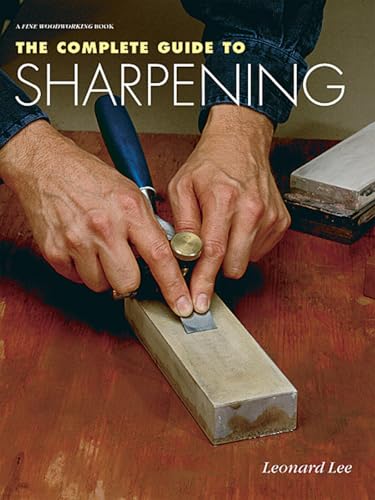
- TAR Score9.2
TAR Score is a ranking system developed by TopAppliancesReviews.com. TAR score has no relationship or impact from any manufacturers or sales agent websites. Learn more
- BrandTaunton Press

- TAR Score9.2
TAR Score is a ranking system developed by TopAppliancesReviews.com. TAR score has no relationship or impact from any manufacturers or sales agent websites. Learn more
- BrandBeaverCraft

- TAR Score9.2
TAR Score is a ranking system developed by TopAppliancesReviews.com. TAR score has no relationship or impact from any manufacturers or sales agent websites. Learn more
- BrandSHARPAL

- TAR Score9.0
TAR Score is a ranking system developed by TopAppliancesReviews.com. TAR score has no relationship or impact from any manufacturers or sales agent websites. Learn more
- BrandAngerstone

- TAR Score8.8
TAR Score is a ranking system developed by TopAppliancesReviews.com. TAR score has no relationship or impact from any manufacturers or sales agent websites. Learn more
- BrandBeaverCraft

- TAR Score8.8
TAR Score is a ranking system developed by TopAppliancesReviews.com. TAR score has no relationship or impact from any manufacturers or sales agent websites. Learn more
- BrandMOVIRON
Last update on 2026-10-03 / Affiliate links / Images, Product Titles, and Product Highlights from Amazon Product Advertising API
FAQs
How often should I strop my knife while carving?
Strop your carving knife every 20 to 30 minutes of active carving time, or whenever you notice the wood fibers beginning to tear rather than slice clean. Regular stropping removes micro-folds in the steel before they become blunt flats. Spending 30 seconds stropping during your carving sessions keeps the blade hair-shaving sharp and prevents the need for stone grinding.
Can I use automotive sandpaper instead of an expensive whetstone?
Yes, fine wet-or-dry automotive sandpaper works exceptionally well for sharpening woodcarving knives. Spray light adhesive on the back of 800, 1000, and 2000 grit sheets and stick them flat onto a piece of float glass or polished granite tile. This gives you a dead-flat sharpening surface that resets bevels just as cleanly as traditional waterstones.
What should I do if my knife develops a visible chip in the edge?
A chipped edge requires stone work to grind the metal back past the depth of the chip. Lay the blade on a medium or coarse sharpening stone and maintain your regular bevel angle until the flat steel catches up with the bottom of the chip. Once the chip disappears completely, work through finer grits and finish on your leather strop to restore the mirror polish.
Why does my blade keep catching and tearing wood fibers after sharpening?
Catching and tearing usually means a microscopic burr is still clinging to one side of the cutting edge, or the edge has been rounded by lifting the knife too high on a leather strop. Run through 10 light, trailing stropping passes on each side using steady, flat bevel alignment to polish away the clinging burr. If the edge remains blunt, step back to a fine stone to establish a crisp, flat apex.


Top Rated Best Quality Range Hoods: 2026 Expert Picks

The 12 Best Small Solar Generators 2026

10 Best Quality Semi Automatic Washing Machine of 2026 For Leak-Free Laundry

11 Best Small Washer Machine of 2026 For Everyday Laundry

12 Best Vibration Pads For Washing Machine of 2026 To Stop Walking and Shaking

11 Best Selling Front Load Washing Machine of 2026 For Quiet Odor-Free Laundry

11 Best Washing Machine For King Size Bedding of 2026 To Prevent Cycle Errors

10 Best Small Front Loader Washing Machine of 2026 For Tight Closets






