
How to Sharpen a Utility Knife with Sandpaper or a Stone

A dull utility blade sharpens in minutes. Rubbing the thin cutting edge across fine sandpaper or a smooth stone brings back a clean slice so projects do not stall. A blunt edge snags on cardboard, tears drywall paper, and forces dangerous extra pressure that can cause slips. Taking sixty seconds to hone the metal gives the tool its bite back without a trip to the hardware store.
The right approach depends on the knife in hand. Thin razor blades inside box cutters require just a few light, flat strokes, though flipping the blade to its unused corner is often faster. Solid kitchen or pocket utility knives need a steady twenty-degree angle against a sharpening block or handheld tool. Damaged blades with deep notches or broken tips are unsafe to grind down and should be tossed right away. Here is how to refresh the edge safely with whatever supplies sit on the workbench.
Identify Your Utility Knife Type and the Best Method
Utility knives fall into two broad groups, and each handles sharpening differently. The first group includes standard box cutters with thin, replaceable razor blades. These use trapezoid blades or snap-off strips made of hardened carbon steel. The second group includes solid-blade utility knives, such as pocket knives, fixed shop knives, and small kitchen utility knives.
Knowing which knife you have determines whether sharpening makes sense. Disposable razor blades have a very narrow bevel (the angled cutting edge). They are hardened to hold an edge briefly and then be tossed. You can sharpen a thin box cutter blade in a pinch using fine sandpaper or a whetstone (a sharpening stone block), but you cannot grind out deep gouges without weakening the steel. Solid utility knives are made from thicker stainless steel (rust-resistant, easy-to-clean metal) or high-carbon or tool steel (harder metal that stays sharp longer but requires dry wiping and light oiling to prevent rust spots). These thicker blades are built to be resharpened on stones or pull-through tools over years of use.
Fast Fixes Without Any Sharpening Tools
If your box cutter starts tearing carpet, scoring drywall poorly, or catching on cardboard mid-project, check for a fast zero-tool fix first:
- Flip the trapezoid blade: Standard utility knives use reversible blades. Open the casing by loosening the center screw or pressing the release button, slide the blade out, flip it so the unused rear corner points forward, and lock it back into place.
- Snap off the worn segment: If you use a segmented snap blade, extend the blade out by one notch. Slip the plastic cap off the handle, slide the cap slot over the dull segment, and snap it off firmly away from your body into a trash can.
- Clean adhesive buildup off the bevel: Sometimes a blade is not dull; it is coated with tape adhesive, silicone, or drywall dust. Wipe the blade firmly with a rag damp with rubbing alcohol to clear sticky residue.
- Check the blade carrier for play: If the blade holder is loose, the blade flexes and binds inside cuts. Tighten the body screw so the blade stays steady.
How to Sharpen a Utility Knife Blade Step by Step
When you have already flipped your razor blade and have no spares nearby, sharpening the thin steel will get you through your work. Follow these steps using fine sharpening sandpaper or a bench stone on a flat counter.
- Remove the blade from the knife body.
Sharpening a razor blade while it sits inside a utility handle creates blade wobble and makes it impossible to keep an even angle. - Secure fine sandpaper or a flat stone on your work table.
A flat base prevents the edge from rounding over under pressure. Tape a piece of 400-grit to 1000-grit wet-or-dry sandpaper to a smooth counter, or set a whetstone (a sharpening stone block) on a damp cloth so it does not slide. - Match the factory bevel flat against the abrasive surface.
Utility razor blades have a distinct factory bevel (the angled cutting edge). Laying the bevel flush against the surface ensures you sharpen the true cutting line rather than thinning the spine or blunting the tip. - Pull the blade backward using light trailing strokes.
Pulling the blade with the sharp edge trailing prevents the razor from digging into the sandpaper or stone. Never push the sharp edge forward. Apply light downward pressure with two fingers and make four to six smooth backward pulls. - Flip the blade over and repeat the backward strokes on the other side.
Sharpening the first side pushes a tiny metal lip over the apex, creating a burr (the microscopic wire edge or curved sliver of metal that forms on the opposite side during sharpening). Making four to six matching backward pulls on the second side balances the edge. - Hone the edge with alternating feather-light strokes.
Light strokes hone (smooth and realign the sharp edge) the metal and remove the remaining burr so the blade slices cleanly. Make two very light trailing passes on each side on fine 1000-grit sandpaper or the fine side of your stone. - Wipe the blade clean and verify the edge on scrap paper.
Wiping removes loose steel grit that could foul your knife handle. Slicing through scrap paper confirms the blade is sharp without putting your fingers near the fresh edge.
Sharpening a Solid Pocket or Kitchen Utility Knife
If your knife is not a box cutter, but a solid folding knife or a small kitchen utility knife, sharpening requires a different approach. These knives use thicker steel and feature a sturdy 20-degree utility edge for pocket and hunting knives, or a sharper 15-degree edge for food prep. Kitchen utility blades from German high-carbon steel premium knife block sets or versatile kitchen prep knife sets have plenty of steel to support regular sharpening on bench stones or pull-through tools.
To sharpen a solid utility blade on a bench stone, wet the stone with water or honing oil. Place the heel of the knife against the stone, raise the spine to match the 20-degree angle (about the thickness of two stacked quarters), and push the blade forward across the stone as if slicing a thin layer off the top. Sweep from heel to tip in one smooth arc. Repeat for ten strokes, check for a burr along the opposite side, then flip the knife and repeat on the other side. Finish on a fine-grit stone to polish the edge.
To sharpen with a handheld pull-through tool, place the sharpener firmly on a counter. Insert the heel of the knife into the coarse carbide slot, hold the blade vertical, and pull straight back toward you with light pressure. Three or four pulls reshape a dull profile. Move to the fine ceramic slot and make five to six smooth pulls to hone the edge. Do not use carbide pull-through sharpeners on thin disposable box-cutter razors, as the carbide teeth will chip or bend thin razor steel.
Safety Mistakes That Snap Blades or Ruin Edges
Sharpening utility blades carries injury risks because the steel is small, slick, and thin. Keep these safety rules in mind while you work:
- Never push a razor blade forward into sandpaper: Pushing the sharp edge forward into paper catches the sheet, tearing the abrasive and causing the blade to snap or jump toward your fingers. Always use backward trailing strokes.
- Avoid heavy downward pressure: Utility razor blades are made from brittle carbon steel. Pressing too hard flexes the steel against the stone, which can snap the metal suddenly and send sharp fragments flying.
- Do not use high-speed power grinders or sanding belts: Electric grinders heat thin steel in seconds. Once the edge turns blue from friction heat, the temper is ruined. The steel becomes soft and will no longer hold an edge.
- Never check sharpness with your thumb: Checking sharpness with bare skin easily results in deep cuts. Check the edge by slicing through a piece of scrap printer paper or cardboard.
- Avoid sharpening loose blades without support: If you sharpen a loose trapezoid blade, place your index and middle fingers flat across the broad side to distribute pressure evenly, or hold the blade with locking pliers to keep fingers clear.
When to Stop Sharpening and Replace the Blade
Sharpening a disposable box-cutter blade is a helpful emergency fix, but it has clear limits. A replacement blade costs very little, and spending twenty minutes rebuilding ruined razor steel is not worth the delay.
Stop sharpening and replace the blade immediately if you notice:
- Deep chips along the cutting line: If the blade hit a drywall screw, nail, or concrete floor, grinding out a visible notch removes too much steel from a thin blade, leaving an uneven edge.
- A snapped or rounded point: Many utility cuts, such as opening taped boxes, trimming carpet, or scoring drywall, depend on a sharp tip to pierce material. Sharpening the flat bottom bevel cannot rebuild a snapped tip.
- Metal fatigue or bends: If the blade bent during a heavy cut, bending it back weakens the metal. A fatigued blade can shatter under normal cutting pressure inside the handle.
- The edge has worn past the primary bevel: Repeated sharpening pushes the cutting edge back into the thicker body of the blade. At that point, the blade wedges into materials and binds instead of slicing cleanly.
When discarding a dull or broken blade, wrap the cutting edge in heavy duct tape or slide it into the slot of an empty blade dispenser before throwing it away. This keeps trash bags from tearing and protects sanitation workers from cuts.
Choosing the Right Sharpening Gear for Utility Knives
Having dependable sharpening equipment on hand prevents project delays when blades begin to drag. When shopping for tools to maintain utility knives, focus on stability, grit options, and ease of handling.
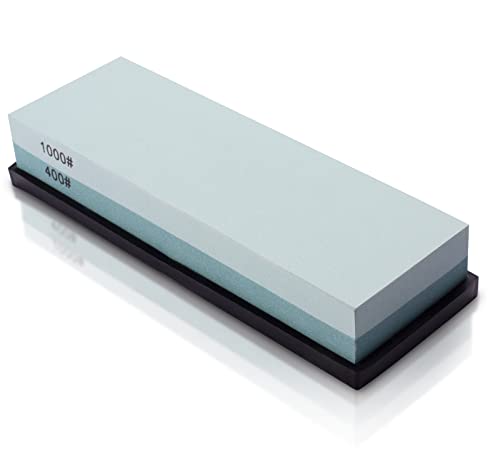
For solid pocket and shop knives, a double-sided bench stone provides the most control. Look for a sharpening stone block that features both a coarse grit side (around 400 grit) to quickly reshape worn edges and a fine grit side (around 1000 grit) to hone and polish. Ensure the stone includes a non-slip rubber or silicone base so it stays firmly planted on your workbench while you guide the blade across it.
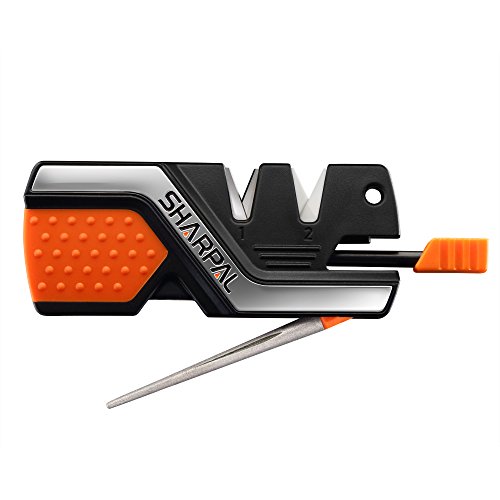
For quick jobsite use and kitchen utility blades, a compact handheld pull-through sharpener is a practical choice. Look for models with multi-stage slots, featuring coarse carbide inserts for setting a dull edge and fine ceramic rods to refine the finish. Verify that the handheld tool has a wide, comfortable handle and an integrated hand guard to keep your fingers protected if the blade slips during a pull stroke.

- TAR Score9.4
TAR Score is a ranking system developed by TopAppliancesReviews.com. TAR score has no relationship or impact from any manufacturers or sales agent websites. Learn more
- BrandACCUSHARP
- TAR Score9.2
TAR Score is a ranking system developed by TopAppliancesReviews.com. TAR score has no relationship or impact from any manufacturers or sales agent websites. Learn more
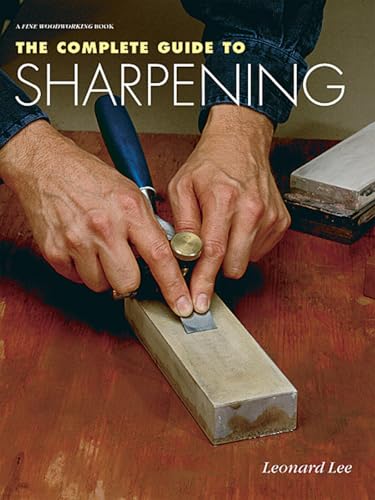
- BrandTaunton Press

- TAR Score9.0
TAR Score is a ranking system developed by TopAppliancesReviews.com. TAR score has no relationship or impact from any manufacturers or sales agent websites. Learn more
- BrandIndependently Published
- TAR Score9.0
TAR Score is a ranking system developed by TopAppliancesReviews.com. TAR score has no relationship or impact from any manufacturers or sales agent websites. Learn more
- BrandMIDO Professional Abrasive
- TAR Score9.0
TAR Score is a ranking system developed by TopAppliancesReviews.com. TAR score has no relationship or impact from any manufacturers or sales agent websites. Learn more
- BrandSHARPAL

- TAR Score8.4
TAR Score is a ranking system developed by TopAppliancesReviews.com. TAR score has no relationship or impact from any manufacturers or sales agent websites. Learn more
- BrandStorey Publishing

- TAR Score7.6
TAR Score is a ranking system developed by TopAppliancesReviews.com. TAR score has no relationship or impact from any manufacturers or sales agent websites. Learn more
- BrandAudible

- TAR Score-
TAR Score is a ranking system developed by TopAppliancesReviews.com. TAR score has no relationship or impact from any manufacturers or sales agent websites. Learn more
- BrandN/A
Last update on 2026-10-03 / Affiliate links / Images, Product Titles, and Product Highlights from Amazon Product Advertising API
FAQs
Can you sharpen a utility knife blade without taking it out of the handle?
You should not sharpen a utility razor blade while it sits inside the handle. Sliders and pivot mechanisms have natural play that makes the blade wobble, rounding off the edge instead of sharpening it. Removing the blade lets you lay the bevel completely flat against your stone or sandpaper for an even, razor-sharp edge.
What grit sandpaper works best for sharpening a utility knife?
Wet-or-dry sandpaper between 400 and 1000 grit works best for thin utility razor blades. A 400-grit sheet quickly removes minor burrs and sets the cutting bevel, while an 800-grit or 1000-grit sheet polishes the edge to a clean, slicing finish. Sandpaper coarser than 320 grit removes metal too fast and can scratch or gouge thin steel.
Why does my utility knife tear cardboard after sharpening?
If a sharpened blade tears material instead of slicing cleanly, a burr is likely still clinging to one side of the edge. A burr acts like a ragged wire lip that catches and drags on paper fibers. Pull the blade very lightly across fine 1000-grit sandpaper or a leather strop two times per side to remove the burr completely.
Can you use a kitchen honing rod to sharpen a box cutter razor?
A kitchen honing steel or ceramic rod is not suitable for thin, flat razor blades. Honing rods work on curved kitchen knives by realigning rolled metal along a thick bevel. Trying to balance a tiny trapezoid razor against a round rod is unstable, hazardous to your fingers, and likely to ruin the flat factory edge.


Top Rated Best Quality Range Hoods: 2026 Expert Picks

The 12 Best Small Solar Generators 2026

10 Best Quality Semi Automatic Washing Machine of 2026 For Leak-Free Laundry

11 Best Small Washer Machine of 2026 For Everyday Laundry

12 Best Vibration Pads For Washing Machine of 2026 To Stop Walking and Shaking

11 Best Selling Front Load Washing Machine of 2026 For Quiet Odor-Free Laundry

11 Best Washing Machine For King Size Bedding of 2026 To Prevent Cycle Errors

10 Best Small Front Loader Washing Machine of 2026 For Tight Closets






