
How to Sharpen a Swiss Army Knife to Factory Sharpness

Most people assume restoring a dull pocket knife blade requires an aggressive grinding tool or a complicated workshop setup. In reality, the job takes nothing more than gliding the blade edge-first at a 15-to-20-degree angle across a simple fine stone or smooth ceramic rod. Sweeping both sides evenly creates a fresh, razor-sharp edge without shaving off excess metal or scratching the polished sides.
The exact technique depends on the sharpening gear at hand, from a standard flat bench stone to a portable ceramic stick. Blade condition plays a big part too, since a rolled edge needs a few extra passes while a routine touch-up takes just seconds. Sharpening smaller secondary tools like the tiny pen blade also calls for a slightly lighter grip. Here is how to steady your hands and set the proper angle from the very first stroke.
Sharpening at Fifteen to Twenty Degrees Protects the Edge
Every Swiss Army knife blade comes from the factory ground to an angle between 15 and 20 degrees on each side. That creates an included cutting angle of 30 to 40 degrees total. The blades are made from a specific stainless steel, which is a rust-resistant, easy-to-clean metal that balances corrosion resistance with quick sharpening. Unlike the ultra-thin 15-degree slicing edge found on dedicated Japanese Damascus steel chef knife sets meant purely for kitchen prep, or the wider 20-degree utility edge common on heavier German high carbon steel knife sets, your pocket tool needs an edge that can handle whittling a stick, opening packages, and slicing an apple without rolling over.
Understanding the bevel (the slanted cutting edge running along the bottom of the blade) is the secret to getting your knife sharp again. If you hold the knife too flat against the stone, you will scrape the mirror-polished sides of the blade and miss the cutting edge entirely. If you tilt the knife up too high, you create a blunt, chisel-like angle that will tear through cardboard rather than glide through it cleanly.
You do not need specialized angle gauges to find this sweet spot at your kitchen table. Start by placing the blade flat against your sharpening stone at a 90-degree angle, standing straight up on its edge. Tilt the spine down halfway toward the stone to reach 45 degrees. Then tilt that remaining space in half again to land around 22 degrees. Lower the spine just a tiny fraction more, and you are sitting right at the factory bevel. Another reliable visual trick is to rest the blade spine on the thickness of two standard pennies stacked on top of the stone. That height sets the correct angle for almost every standard folding blade size.
Smooth Slicing Strokes Across a Fine Stone Restore Keenness
Restoring a dull edge works best when you use controlled, even motions across a flat whetstone or a ceramic bench stone. Grit describes the roughness of the sharpening surface. A coarse stone under 400 grit is only necessary if the blade has deep physical gouges or chips. For regular sharpening, a medium grit around 600 to 800 reshapes the bevel, while a fine grit above 1000 polishes the edge smooth. Follow these steps to restore the edge cleanly:
- Anchor your workspace. Set your sharpening stone on a damp washcloth or a rubber mat on a sturdy flat table. If the stone moves while you work, your angle will wobble and dull the cutting edge. Wet water stones with clean tap water, or apply a drop of mineral oil if using an oil stone. Keep ceramic rods or dry stones clean and bare.
- Set your blade angle at the heel. Open the main blade fully. Place the heel of the blade (the part of the cutting edge closest to the handle) flat against the stone at your 15-to-20-degree angle. Lock your wrist so your hand does not pivot up and down.
- Push the edge forward in a smooth slice. Move the blade forward and across the stone as if you are trying to slice a razor-thin wafer off the top surface. Cut away from your body for safety. As you stroke forward, draw the knife sideways so the stone touches the straight section, sweeps across the curved belly, and finishes right at the pointed tip.
- Maintain light, steady pressure. Swiss pocket knife steel is relatively soft compared to hard industrial tool steels. Pressing down with heavy force will bow the slender blade and ruin your bevel. Let the grit of the stone do the cutting work. Three to five ounces of downward pressure, about the weight of a lemon resting on the blade, is plenty.
- Feel for the burr along the edge. Repeat five to ten smooth strokes on the first side. Now inspect the opposite side for a burr (the microscopic wire edge or curved sliver of metal that forms on the opposite side during sharpening). Gently slide your thumb pad upward from the flat of the blade off the spine, or across the back of the edge. Never run your finger along the sharp length of the blade. When you feel a slight rough lip catching your skin from heel to tip, you have successfully ground down to clean steel.
- Switch sides and repeat the count. Turn the knife over and match the exact same angle on the opposite side. Make the same number of slicing passes until you feel that tiny rough lip flip over to the first side. Working both sides evenly keeps the cutting edge centered along the blade rather than pushed off to one side.
- Polish the final edge. Once the bevel is even on both sides, reduce your pressure to the bare weight of the knife itself. Make alternating single strokes from side to side. This process is called honing (smoothing and aligning an existing edge). Honing snaps off that delicate microscopic wire edge, leaving behind a clean, keen apex that slices effortlessly.
Specialty Blades Need Light Touches and Narrow Ceramic Rods
A classic multi-tool pocket knife often includes more than just one standard cutting blade. Tools like the smaller pen blade, serrated bread edges, and folding scissors each require distinct sharpening approaches to avoid ruining their specific shapes.
- Sharpening the small pen blade: The secondary pen blade is narrow and short, making it easy to slip while working. Swiss Army knives do not use a mechanical liner lock (the spring bar inside the handle that snaps behind the open blade to stop it from closing on your fingers). Instead, they rely on a slipjoint spring tension bar. Always direct your sharpening stroke away from the handle pivot so you never accidentally push the blade shut onto your fingers. Rest your index finger gently on the spine of the pen blade to keep it steady, and use shorter four-inch strokes across the stone.
- Maintaining serrated or wavy blades: Never drag a serrated blade flat across a regular bench stone. Doing so grinds away the peaks of the teeth and ruins the wavy pattern permanently. Instead, use a narrow, tapered ceramic or diamond rod. Place the rod inside each individual curved scallop on the beveled side of the blade at a 20-degree angle. Roll the rod back and forth two or three times inside each groove. Once you finish every scallop, lay the completely flat back side of the blade flat against a fine stone and make one single gentle backward wipe to knock away any loose burr.
- Touching up folding scissors: Pocket knife scissors do not cut with a thin V-shaped knife edge. They work via two flat metal faces shearing tightly past each other at an 80-degree angle. Never sharpen the flat inside faces where the two scissor blades slide against one another. If you grind those flat inside faces, you create a gap between them, and the scissors will bend thread or paper instead of cutting it. Only sharpen the narrow, angled top bevel along the cutting arm using light, precise passes with a fine ceramic rod.
Aggressive Pull Sharpeners and Power Wheels Destroy Blade Life
Most damaged Swiss pocket knives do not get ruined by heavy field use. They get ruined by well-intentioned owners using the wrong sharpening equipment at home. Avoiding a few widespread mistakes will keep your blade functional for decades without thinning the steel prematurely.
The single most destructive tool you can use on a Swiss Army knife is a handheld pull-through sharpener equipped with tungsten carbide V-notches. Carbide cutters are significantly harder than Swiss stainless steel. Rather than honing the edge, these aggressive notches grab the metal and peel off long, jagged ribbons of steel. A few pulls through a carbide notch can strip away years of blade life, leaving deep gouges along the edge and an uneven wavy profile that is nearly impossible to repair on a stone.
Power tools represent another major hazard. High-speed bench grinders, motorized sanding belts, and rotary tools generate extreme friction within seconds. The blades on folding multi-tools are thin and delicate. Excessive grinding heat quickly ruins the factory temper (the controlled heat treatment that keeps the steel tough yet springy). If you see the blade tip turn light brown, dark straw, or blue while grinding, the heat has ruined the temper. That steel is now permanently softened and will never hold an edge again until that entire damaged section is ground away.
Watch your hand motion as you approach the curved tip of the blade on a stone. A common beginner error is lifting the handle straight up toward the ceiling as the tip touches the stone. Lifting too high rounds off the delicate point, turning your sharp piercing tip into a blunt butter knife shape. Keep your wrist steady, maintain the original 15-to-20-degree tilt, and follow the natural curve of the belly smoothly off the edge of the stone.
Paper Slicing Checks and Warm Water Cleaning Keep Tools Safe
Once you finish sharpening, you must verify that the cutting edge is continuous and keen without endangering your fingers. Use clean everyday materials to confirm your work, and finish by flushing away abrasive debris from the internal mechanisms.
- Perform the paper slice check: Hold an ordinary sheet of printer paper or standard catalog paper vertically between your fingers. Place the heel of your knife against the top edge of the paper and press downward and forward with light pressure. A properly sharpened blade will bite into the paper instantly and glide through to the bottom without ripping, snagging, or hesitating. If the blade cuts smoothly until it reaches a specific spot and then tears the paper, you know that exact spot on the blade still has a tiny burr or dull flat section that needs another pass on the fine stone.
- Confirm with the light reflection check: Hold the knife directly under a bright desk lamp with the cutting edge pointing straight up toward your eyes. Turn the blade very slowly from side to side. A dull edge, a rolled bevel, or a flat chip will catch the light and shine back at you like a bright silver thread. A completely sharp edge has virtually zero width, meaning it reflects no light at all and appears completely dark under the lamp.
- Flush abrasive slurry out of the pivots: Sharpening produces microscopic metal filings mixed with stone dust. If this gritty paste stays on the blade, it works its way into the brass liners and folding pivot pins every time you close the knife, grinding down the internal springs. Take the knife to the sink, run warm tap water over the open joints, and wash away all stone grit with a drop of mild dish soap.
- Dry thoroughly and lubricate the joints: Shake the excess water out of the handle and dry the steel completely with a clean towel. Let the tool sit open on a dry cloth for twenty minutes so trapped moisture can evaporate. Finish by applying a tiny drop of food-safe mineral oil or multi-tool oil directly into each folding pivot pin. Work the blades open and closed several times to distribute the oil, and wipe away any excess from the plastic handle scales.
Compact Ceramic Rods and Pocket Stones Keep Edges Fresh
Maintaining an EDC (everyday carry pocket knife) does not require a large garage workshop setup or an expensive sharpening station. Because Swiss stainless steel sharpens quickly and easily, small portable tools are generally the best choice for keeping your blades in top working order whether you are at home or camping in the woods.
When looking for a practical sharpener for folding multi-tools, prioritize portable ceramic sharpeners and dual-grit pocket whetstones. Ceramic surfaces are exceptionally hard, yet they remove steel very gently. This makes them ideal for refreshing a 15-to-20-degree edge without scraping off excess metal. Look for pocket sharpeners that combine a fine ceramic stick for honing with a small flat stone surface for bevel maintenance. Portable rod designs that include a pen-style clip slide easily into a pocket or backpack pouch, giving you a safe way to touch up blades the moment they begin to resist cutting.
If you prefer guided tools that eliminate angle guesswork, choose compact sharpeners that feature fixed ceramic rods arranged in a preset V-shape. These devices hold the rods at a steady factory angle so you simply draw the blade straight down through the slot with light pressure. Always make sure any handheld sharpener you pick uses fine ceramic or ultra-fine diamond surfaces rather than harsh carbide scraping blades. A gentle, fine-grit ceramic tool protects the slender profile of your folding blades, keeps your polished steel looking clean, and ensures your Swiss Army knife remains dependable for every cutting task.
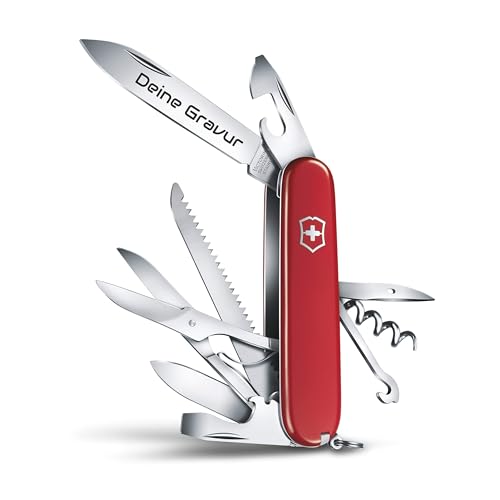
- TAR Score9.6
TAR Score is a ranking system developed by TopAppliancesReviews.com. TAR score has no relationship or impact from any manufacturers or sales agent websites. Learn more
- BrandVictorinox

- TAR Score9.4
TAR Score is a ranking system developed by TopAppliancesReviews.com. TAR score has no relationship or impact from any manufacturers or sales agent websites. Learn more
- BrandVictorinox

- TAR Score9.4
TAR Score is a ranking system developed by TopAppliancesReviews.com. TAR score has no relationship or impact from any manufacturers or sales agent websites. Learn more
- BrandVictorinox

- TAR Score9.4
TAR Score is a ranking system developed by TopAppliancesReviews.com. TAR score has no relationship or impact from any manufacturers or sales agent websites. Learn more
- BrandVictorinox
- TAR Score9.2
TAR Score is a ranking system developed by TopAppliancesReviews.com. TAR score has no relationship or impact from any manufacturers or sales agent websites. Learn more
- BrandFox Chapel Publishing

- TAR Score9.2
TAR Score is a ranking system developed by TopAppliancesReviews.com. TAR score has no relationship or impact from any manufacturers or sales agent websites. Learn more
- BrandFox Chapel Publishing
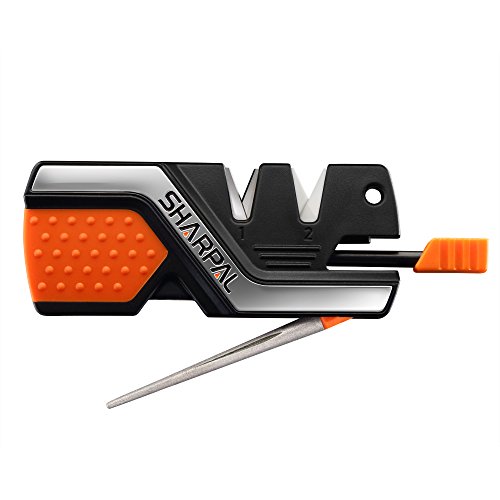
- TAR Score9.2
TAR Score is a ranking system developed by TopAppliancesReviews.com. TAR score has no relationship or impact from any manufacturers or sales agent websites. Learn more
- BrandSHARPAL

- TAR Score9.2
TAR Score is a ranking system developed by TopAppliancesReviews.com. TAR score has no relationship or impact from any manufacturers or sales agent websites. Learn more
- BrandVictorinox

- TAR Score8.8
TAR Score is a ranking system developed by TopAppliancesReviews.com. TAR score has no relationship or impact from any manufacturers or sales agent websites. Learn more
- BrandSHARPAL

- TAR Score7.8
TAR Score is a ranking system developed by TopAppliancesReviews.com. TAR score has no relationship or impact from any manufacturers or sales agent websites. Learn more
- BrandClip & Carry
Last update on 2026-10-01 / Affiliate links / Images, Product Titles, and Product Highlights from Amazon Product Advertising API


Top Rated Best Quality Range Hoods: 2026 Expert Picks

The 12 Best Small Solar Generators 2026

10 Best Quality Semi Automatic Washing Machine of 2026 For Leak-Free Laundry

11 Best Small Washer Machine of 2026 For Everyday Laundry

12 Best Vibration Pads For Washing Machine of 2026 To Stop Walking and Shaking

11 Best Selling Front Load Washing Machine of 2026 For Quiet Odor-Free Laundry

11 Best Washing Machine For King Size Bedding of 2026 To Prevent Cycle Errors

10 Best Small Front Loader Washing Machine of 2026 For Tight Closets






