
How to Sharpen a Pocket Knife to a Clean Edge

A dull pocket knife is nothing to worry about, because bringing back a crisp edge takes only a few minutes of patient work. The basic method is simple: hold the steel against a sharpening stone at a steady twenty-degree angle, then sweep the edge from heel to tip with light, smooth passes until a tiny metal ridge forms along the opposite side.
A few details will shape your exact routine. Touching up a slightly worn edge takes just a handful of quick passes, while smoothing out a nicked blade requires a rougher stone to clear away damaged metal. Straight blades slide smoothly across a flat bench stone, but serrated sections need a narrow, rounded rod to sharpen each curve on its own. Setting up a secure workspace and keeping your wrist locked will make the job safe and straightforward.
Lock Your Stone Down and Prepare the Work Surface
A sharpening stone that slides across a table while you push a blade over it is dangerous. It ruins your bevel angle and risks painful cuts. Before sharpening, set up a stable workspace on a flat, clutter-free table at comfortable elbow height.
- Secure the stone base: Set your stone in a non-slip silicone or rubber holder. If your stone lacks a base, fold a damp cotton towel flat on the table and place the block firmly on top. Confirm the stone cannot slide forward or sideways under direct hand pressure.
- Apply the right lubricant: Check your stone type before adding liquid. Water stones need a splash or a quick five-minute soak in tap water so metal shavings wash free. Oil stones require a few drops of mineral honing oil. Diamond plates can run dry, but a drop of water floats away metal grit.
- Inspect the pocket knife: Open your folding everyday carry pocket knife (EDC) all the way. Verify that the liner lock (the spring bar inside the handle that snaps behind the open blade to stop it from closing on your fingers) locks firmly into place with zero blade play. Wipe away pocket lint and dirt from the pivot.
- Clear your arm path: Make sure your elbow and forearm have room to travel straight through without bumping into clutter. Sharpening relies on steady forearm motions rather than loose wrist twists.
Match the Factory Bevel with the Marker Trick
Every pocket knife has a factory bevel (the angled slope leading directly to the cutting edge). To restore sharpness, you must grind along this exact slope. Tilting the blade too high turns the edge into a blunt wedge, while laying it too flat scratches the steel face without sharpening the apex.
Unlike thin kitchen knives that take a steep 15-degree slicing edge per side (such as those in Japanese chef knife sets made for delicate food prep), pocket knives need a sturdy 20-degree utility edge for pocket and hunting knives. That 20-degree angle leaves enough steel behind the edge to cut rope, carve wood, and open boxes without chipping.
To match your factory angle without guessing, use a black permanent marker. Color both sides of the bevel completely and let the ink dry for twenty seconds. Rest the blade on your stone, tilt the spine up until the beveled slope sits flat against the surface, and push the blade forward two times with light pressure. Lift the knife to inspect the ink line:
- If ink is rubbed off only at the top of the bevel, your angle is too flat.
- If ink is scraped away only at the very edge tip, your angle is too steep.
- If the marker is cleared evenly across the entire slope, your angle matches the factory edge.
Remember the height gap between the knife spine and the stone. Maintain that exact gap on every stroke.
Sweep the Blade from Heel to Tip in Steady Strokes
Steady hand control matters far more than pushing hard. Heavy pressure rounds the edge, scratches the blade face, and wears uneven dips into your stone. Let the grit (the coarseness of the sharpening stone) cut the steel while you guide the knife smoothly.
- Position the heel: Place the heel (the base of the blade nearest the pivot handle) against the coarse grit side of the stone. Tilt the knife to your 20-degree angle, with the sharp edge facing away from your knuckles.
- Push forward and across: Push the blade forward across the stone as if shaving a thin slice from the top surface. Draw the blade inward toward you as you push, moving contact smoothly from the heel toward the tip.
- Raise the handle at the belly: As the stone reaches the curved belly near the tip, raise the knife handle upward about a quarter of an inch. This lift keeps the rounded edge flat against the abrasive. Never twist your wrist sideways, because twisting rolls the edge into a dull curve.
- Count your passes: Complete six to ten smooth strokes along the full cutting edge. Keep your wrist rigid and move your entire forearm from the elbow.
- Switch sides: Flip the knife over, set your 20-degree angle at the heel, and complete the exact same number of sweeping strokes on the second bevel.
Always keep your fingers clear of the folding pivot path and tuck your thumb safely onto the knife spine.
Feel for the Wire Burr Before Switching Sides
Do not switch sides by counting alone. You know a bevel is fully sharpened only when you feel the burr (the microscopic wire edge or curved sliver of metal that forms on the opposite side during sharpening). If you flip the blade before this ridge forms, you leave an unsharpened flat spot in the middle of your edge.
As the stone grinds away steel along the working bevel, metal thins until the apex curls over toward the opposite side. That curled ridge confirms you ground away enough metal to reach the very cutting edge.
To check for the burr safely, rest your thumb flat against the upward-facing side of the blade. Slide your thumb slowly downward from the spine toward the edge, moving strictly perpendicular to the blade. Never slide your thumb lengthwise along the cutting edge. As your thumb slides off the edge, you will feel a rough lip catching against your skin. That catch is the burr.
Check the entire edge from heel to tip. If you feel the burr near the heel but not at the tip, make two more focused passes along the curved tip. Once that wire ridge runs from end to end, flip the knife over and sharpen the opposite bevel until the burr flips to the other side.
Strop the Edge and Verify Sharpness on Scrap Paper
Once you form a burr on both bevels, your pocket knife is nearly sharp, but that rough wire edge is fragile. If you leave it on the blade, it will snap off during your first cut and leave a dull, ragged gap. Finishing requires polishing that wire ridge away.
- Work the fine stone: Flip your stone to the fine grit side. Make alternating, single strokes on each side, lightening your hand pressure with every pass. Six gentle sweeps per side will shrink the wire burr down to almost nothing.
- Strop on leather or cardboard: Place a flat leather strop or the back of a cardboard notepad on the table. Lay the blade at your 20-degree angle, but drag the knife backward with the spine leading and the cutting edge trailing. Stropping peels off the remaining foil metal and polishes the cutting apex. Make ten light trailing strokes per side.
- Clean and oil the blade: Wipe away all metal dust with a clean cloth. If your knife features high-carbon or tool steel (such as D2), which is a harder metal that stays sharp longer but requires dry wiping and light oiling to prevent rust spots, apply a drop of mineral oil. For standard stainless steel (a rust-resistant, easy-to-clean metal), a dry wipe is enough. Folding tools face pocket moisture, unlike indoor blades kept in German high-carbon steel knife block sets, so keeping the steel dry prevents rust.
- Check sharpness on paper: Hold a piece of printer paper loosely in the air. Rest the blade edge against the top of the paper and push forward gently. A sharp blade glides through the sheet cleanly with no snagging or tearing.
File Serrated Scallops with a Tapered Round Rod
Many pocket knives include combo blades with straight cutting edges near the tip and wavy serrations near the handle. Flat bench stones cannot sharpen serrations. Sliding a serrated blade across a flat block grinds down the protective tips of the teeth while missing the curved scallops entirely.
To sharpen serrations, use a round ceramic or tapered diamond rod. Serrations are ground on one side of the blade only. The front face features beveled dips, while the back face is completely flat. Never grind a bevel into the flat back.
Rest the knife firmly on a table with the beveled serrations facing up. Match the diameter of your round sharpening rod to the width of the scallop. Tilt the rod to match the steep factory angle (around 20 to 25 degrees) and push the rod through each curved groove in short, smooth strokes away from the knife handle. Give each scallop four or five gentle strokes.
After finishing every scallop, flip the knife over. Lay your sharpening rod completely flat against the smooth backside of the blade and make one gentle sweep. This single pass wipes away the wire burrs that pushed through without altering the flat steel.
Select Sharpening Stones and Compact Tools That Match Your Routine
Sharpening tools range from bench stones for home workshops to compact sharpeners made for camp packs. Choosing the right abrasive gear depends on where you use your pocket knife and the condition of the blade.
For home maintenance, a dual-grit bench stone gives you the most surface area and angle control. Look for a stone combination featuring a coarse grit to reshape the edge and fine ceramic or strop to polish the final bevel. Make sure the set includes a non-slip rubber base or wooden housing so the stone stays anchored while you push the blade.
For outdoor use, camping, or job sites, handheld pocket sharpeners offer portable convenience. Quality field sharpeners often pair fold-out diamond rods for serrations with ceramic slots that realign working edges on the go. When choosing a field tool, confirm it features non-slip finger pads to protect your hands while pulling the blade. Diamond-coated surfaces work especially well for hard tool steels, cutting quickly without requiring water or oil.

- TAR Score9.2
TAR Score is a ranking system developed by TopAppliancesReviews.com. TAR score has no relationship or impact from any manufacturers or sales agent websites. Learn more
- BrandIntelitopia

- TAR Score9.2
TAR Score is a ranking system developed by TopAppliancesReviews.com. TAR score has no relationship or impact from any manufacturers or sales agent websites. Learn more
- BrandStackpole Books

- TAR Score9.2
TAR Score is a ranking system developed by TopAppliancesReviews.com. TAR score has no relationship or impact from any manufacturers or sales agent websites. Learn more
- BrandSmith's
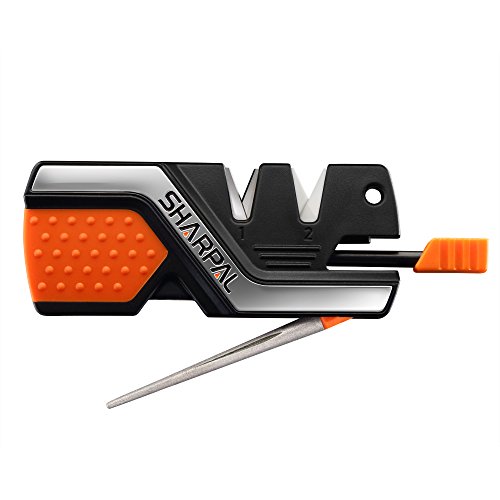
- TAR Score9.0
TAR Score is a ranking system developed by TopAppliancesReviews.com. TAR score has no relationship or impact from any manufacturers or sales agent websites. Learn more
- BrandSHARPAL
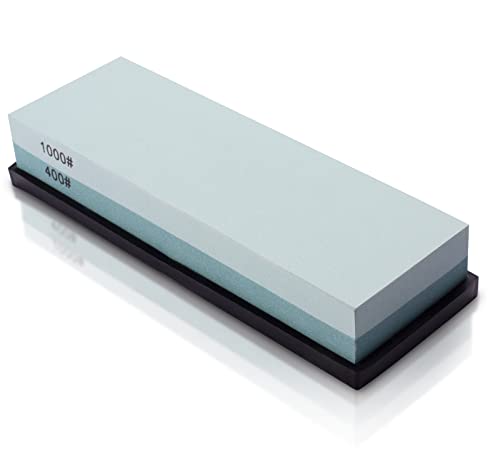
- TAR Score9.0
TAR Score is a ranking system developed by TopAppliancesReviews.com. TAR score has no relationship or impact from any manufacturers or sales agent websites. Learn more
- BrandMIDO Professional Abrasive

- TAR Score9.0
TAR Score is a ranking system developed by TopAppliancesReviews.com. TAR score has no relationship or impact from any manufacturers or sales agent websites. Learn more
- BrandSmith's

- TAR Score8.8
TAR Score is a ranking system developed by TopAppliancesReviews.com. TAR score has no relationship or impact from any manufacturers or sales agent websites. Learn more
- BrandN/A

- TAR Score8.6
TAR Score is a ranking system developed by TopAppliancesReviews.com. TAR score has no relationship or impact from any manufacturers or sales agent websites. Learn more
- BrandGozantine
Last update on 2026-10-01 / Affiliate links / Images, Product Titles, and Product Highlights from Amazon Product Advertising API
FAQs
What angle should I hold my pocket knife blade at?
A 20-degree angle per side is the standard for pocket knives. This angle provides a sharp, durable edge that holds up against cardboard, rope, and wood carving without chipping. While kitchen knives use thinner 15-degree angles for delicate slicing, a sturdy 20-degree utility edge gives everyday carry blades the metal support they need.
Do I need to use water or oil on my sharpening stone?
That depends on the type of stone you own. Water stones must be splashed or soaked with water so metal particles wash out of the pores. Natural oil stones require light mineral honing oil. Diamond plates can be used completely dry or with a splash of water. Never use vegetable cooking oil or motor oil, which clog the stone surface.
How often should I sharpen my pocket knife?
Sharpen your pocket knife on a stone only when it begins tearing paper or sliding off slick materials like packing tape. Under regular daily use, a full stone sharpening is needed only once every two to three months. In between sharpening sessions, stropping the blade on leather or running it across a fine ceramic rod keeps the edge crisp for weeks.
Why does my pocket knife feel dull even after sharpening both sides?
A dull edge after sharpening usually stems from a shifting wrist angle or an unremoved wire burr. If you wobble your wrist, you round off the cutting apex into a blunt edge. If your angle was steady, the microscopic wire burr may still be clinging to the steel. Strop both sides backward against cardboard or leather to pull off the burr and expose the true cutting edge.


Top Rated Best Quality Range Hoods: 2026 Expert Picks

The 12 Best Small Solar Generators 2026

10 Best Quality Semi Automatic Washing Machine of 2026 For Leak-Free Laundry

11 Best Small Washer Machine of 2026 For Everyday Laundry

12 Best Vibration Pads For Washing Machine of 2026 To Stop Walking and Shaking

11 Best Selling Front Load Washing Machine of 2026 For Quiet Odor-Free Laundry

11 Best Washing Machine For King Size Bedding of 2026 To Prevent Cycle Errors

10 Best Small Front Loader Washing Machine of 2026 For Tight Closets






