
How to Sharpen a Pocket Knife at Home with Basic Tools

Sharpening a dull pocket knife is completely safe to tackle yourself, and there is no need to worry about ruining the steel. The main step is to hold the blade at a steady twenty-degree angle against a flat stone and slide the edge forward from heel to tip. Once a tiny, rough wire ridge forms along the back side of the blade, flip it over and repeat the strokes before finishing with light polishing passes.
The process shifts slightly depending on the state of your knife and the tool on your table. A blade that simply feels sluggish needs just a quick touch-up, while chipped metal takes longer on a rougher surface. You also have to keep that angle steady as you guide the curved belly toward the tip. Setting up your workspace and mastering the motion takes only a few minutes.
Setting Up Your Workspace and Choosing the Right Sharpening Tool
Sharpening an EDC (everyday carry pocket knife) requires a flat, stable surface and steady lighting. If your sharpening stone rocks or slides across the table, your blade angle shifts with every stroke. When that happens, you round over the cutting edge instead of sharpening it.
Set up on a flat kitchen table, solid desk, or sturdy workbench. Clean the surface completely to remove dust, crumbs, or loose debris that could cause your stone to wobble. Position a bright lamp directly overhead so you can clearly see the bevel reflect light as you work. Place a damp cotton cloth or non-slip rubber pad under your stone to lock it firmly in place.
Before starting, inspect your pocket knife. If your knife features a liner lock (the spring bar inside the handle that snaps behind the open blade to stop it from closing on your fingers), open the blade fully and verify that the lock engages securely. Wipe the blade clean with a cloth to remove tape residue, dirt, or pocket lint.
Different blade steels require minor care adjustments. Blades made from stainless steel (rust-resistant, easy-to-clean metal) handle water splashes on water stones without issue. Knives crafted from high-carbon or tool steel (such as D2, a harder metal that stays sharp longer but requires dry wiping and light oiling to prevent rust spots) should be wiped dry immediately after sharpening and treated with a light drop of mineral oil. Never soak a folding knife in a sink or run it through a dishwasher, as water gets trapped inside and damages internal pivot springs.
A quick preparation checklist keeps your workspace safe and ready:
- A flat work surface: A clear kitchen table or heavy workbench that does not wobble under gentle pressure.
- A non-slip grip base: A damp cotton towel, silicone mat, or dedicated rubber holder to anchor your sharpening stone.
- Direct overhead lighting: A bright lamp positioned to show edge reflections and shadows clearly.
- Your chosen abrasive: A dual-grit bench stone, diamond plate, or compact guided sharpener suited to your blade steel.
- A black marking pen: A standard permanent marker or dry-erase pen to track metal removal along the bevel.
- Lubrication: Clean tap water for water stones or honing fluid for oil stones, keeping diamond plates dry unless labeled otherwise.
- Clean rags and paper: A microfiber cloth to wipe away metal slurry and a sheet of standard printer paper to verify sharpness.
Matching the Factory Edge with the Simple Marker Trick
The main reason people struggle to sharpen a pocket knife at home is inconsistent angle control. When you rock your wrist back and forth, you grind the blade at random angles. That rounds off the edge, leaves the knife duller than when you started, and makes the blade prone to slipping during daily cutting chores.
Most pocket knives leave the factory with a bevel (the slanted cutting edge on both sides of the blade) ground to a sturdy 20-degree utility edge per side. This angle balances slicing ability with durability, giving the steel enough support to handle tasks like cutting rope, whittling wood, or opening heavy boxes. In contrast, delicate kitchen knives like those found in high-carbon Japanese chef knife sets use a steep 15-degree slicing edge per side for paper-thin food prep. You can also compare this to the durable blades in German high-carbon steel knife sets, which share a similar balance of toughness and edge stability.
To match the existing factory bevel without guessing, use the marker trick. Paint both sides of the knife's cutting bevel completely with a black permanent marker or dry-erase pen. Cover the entire strip of shiny steel from the heel (the part of the edge closest to the handle) all the way to the tip. Let the ink dry for thirty seconds.
Place your stone on your non-slip base. Lay the knife flat against the stone, then slowly tilt the spine upward until the bevel sits flush against the abrasive surface. Hold your wrist stiff and push the blade forward across the stone for one gentle stroke with light downward pressure.
Inspect the bevel under your light:
- If the marker rubbed off only at the bottom edge, your angle is too steep. Lower the spine closer to the stone.
- If the marker rubbed off only at the top of the bevel where it meets the blade flat, your angle is too shallow. Raise the spine slightly higher.
- If the marker wiped away cleanly across the entire bevel width, your angle matches the factory grind.
For most pocket knives, the space between the blade spine and the stone equals the thickness of two stacked quarters. Lock your wrist and forearm at that exact angle before moving into continuous sharpening strokes.
Sliding from Heel to Tip and Removing the Burr
Once you match the factory angle, sharpening comes down to smooth, repeatable strokes. The goal is to remove just enough metal on a coarse grit (the roughness level of the stone, usually around 300 to 400 grit for setting an edge) until the two sides of the blade meet cleanly at a sharp apex. Always cut away from your body, keep your fingers clear of the folding pivot path, and work at an unhurried pace.
Follow these steps to sharpen the first side of the blade:
- Position the blade at the heel: Place the heel of the knife against the stone with the cutting edge facing forward at your 20-degree angle. Place your dominant hand on the handle with your index finger along the spine for support. Place two fingertips of your other hand lightly on the blade face to steady it. Keep all fingers well clear of the sharp edge.
- Sweep forward across the stone: Push the blade forward and across the stone in one smooth sweeping motion, as if slicing a thin layer off the top of the abrasive. As the stone reaches the curved belly of the pocket knife, lift your wrist slightly so the belly and tip stay flat against the stone. Never let the tip slip off the edge of the stone, or you will round the point.
- Repeat with light pressure: Complete five to eight sweeping strokes on that side. Use moderate, steady pressure, about the weight of a heavy coffee mug. Let the stone do the cutting rather than forcing the blade down with your arm muscles.
- Check for the burr: Stop and check for a burr (the microscopic wire edge or curved sliver of metal that forms on the opposite side during sharpening). To feel the burr safely, place the pad of your thumb on the opposite blade face and swipe gently upward from the spine toward the ceiling. Never run your finger along the sharp cutting edge. You will feel a distinct rough snag running from heel to tip once the steel meets the back edge. If the burr is only at the heel, make a few more light passes focusing on the belly and tip until it runs end to end.
- Flip and sharpen the second side: Turn the pocket knife over. Match the identical 20-degree angle and perform the same number of sweeping strokes until you feel the burr flip completely to the opposite side. Once the burr flips evenly, both bevels have met in a sharp peak.
Next, hone (polish and straighten the edge) and remove the wire burr on a fine stone or ceramic surface (around 1000 grit or higher):
- Use alternating light strokes: Wipe the blade clean, then place it on your fine stone at the same 20-degree angle. Make one gentle forward sweep on the left side, flip the blade, and make one sweep on the right side. Alternating single strokes weakens the thin wire burr and snaps it off cleanly. Complete eight to ten light alternating passes.
- Strop the edge: Finish the blade on a strop (a leather strip for final smoothing) or the smooth back of a leather work belt. Unlike stones where you push the edge forward, stropping requires trailing the edge backward with the spine leading. Drag the knife backward from heel to tip at your 20-degree angle for eight passes per side. This polishes away microscopic metal fragments and aligns the edge.
- Safely verify blade sharpness: Never check an edge by pressing your thumb against the blade. Instead, hold a single sheet of printer paper by the top corner. Rest the heel of your pocket knife against the paper edge and push forward and down in a gentle slicing motion. A sharp pocket knife slices cleanly through the sheet without catching or tearing. If the blade snags or crushes the paper, repeat two light passes on your fine stone and strop again.
What to Look for in a Home Pocket Knife Sharpener
For everyday carry pocket knives, choosing the right home sharpening equipment comes down to control rather than high-powered grinding wheels. Motorized bench sanders generate intense heat that can soften pocket knife steel in seconds and ruin its factory heat treatment. Simple manual sharpeners give you total control over metal removal and blade temperature.
Look for these practical features when selecting a sharpener for home use:
- Multi-stage abrasives: Select a system with at least two surfaces. A coarse abrasive (around 300 to 400 grit) reshapes dull edges and fixes small nicks, while a fine ceramic or 1000-grit surface hones the metal to a clean slicing finish.
- Integrated angle guides: If holding a freehand angle feels difficult, look for sharpeners equipped with built-in angle ramps or magnetic holders preset to 20 degrees. These take the guesswork out of each stroke and protect the sides of your blade from scratches.
- Non-slip bases: Choose a sharpener that includes rubber feet or a sturdy fitted base that grips your countertop securely while you work.
- Compact, versatile designs: A compact bench stone or field sharpener that includes a built-in leather strop or a small ceramic rod for serrated edges handles everyday pocket knife maintenance without cluttering your home storage drawers.

- TAR Score9.6
TAR Score is a ranking system developed by TopAppliancesReviews.com. TAR score has no relationship or impact from any manufacturers or sales agent websites. Learn more
- BrandWORK SHARP

- TAR Score9.4
TAR Score is a ranking system developed by TopAppliancesReviews.com. TAR score has no relationship or impact from any manufacturers or sales agent websites. Learn more
- BrandACCUSHARP

- TAR Score9.2
TAR Score is a ranking system developed by TopAppliancesReviews.com. TAR score has no relationship or impact from any manufacturers or sales agent websites. Learn more
- BrandPatelai

- TAR Score9.2
TAR Score is a ranking system developed by TopAppliancesReviews.com. TAR score has no relationship or impact from any manufacturers or sales agent websites. Learn more
- BrandIntelitopia

- TAR Score9.2
TAR Score is a ranking system developed by TopAppliancesReviews.com. TAR score has no relationship or impact from any manufacturers or sales agent websites. Learn more
- BrandSmith's
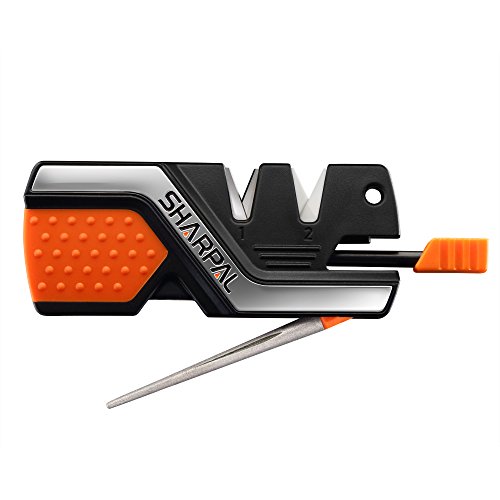
- TAR Score9.0
TAR Score is a ranking system developed by TopAppliancesReviews.com. TAR score has no relationship or impact from any manufacturers or sales agent websites. Learn more
- BrandSHARPAL
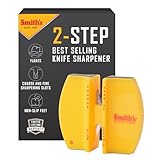
- TAR Score9.0
TAR Score is a ranking system developed by TopAppliancesReviews.com. TAR score has no relationship or impact from any manufacturers or sales agent websites. Learn more
- BrandSmith's

- TAR Score9.0
TAR Score is a ranking system developed by TopAppliancesReviews.com. TAR score has no relationship or impact from any manufacturers or sales agent websites. Learn more
- BrandEDOVEN

- TAR Score8.6
TAR Score is a ranking system developed by TopAppliancesReviews.com. TAR score has no relationship or impact from any manufacturers or sales agent websites. Learn more
- Brandlongzon

- TAR Score8.2
TAR Score is a ranking system developed by TopAppliancesReviews.com. TAR score has no relationship or impact from any manufacturers or sales agent websites. Learn more
- BrandSharp Pebble
Last update on 2026-10-02 / Affiliate links / Images, Product Titles, and Product Highlights from Amazon Product Advertising API
Frequently Asked Questions
Do you need to use water or honing oil on a sharpening stone?
That depends on the abrasive material of your stone. Diamond plates and ceramic sharpeners work completely dry, though a splash of water helps carry away loose metal dust. Traditional water stones require soaking or splashing with tap water to float away metal debris and prevent stone clogging. Natural oil stones require dedicated honing oil or light mineral oil to keep pores clear. Never apply oil to a water stone, as oil permanently prevents it from absorbing water.
Can you sharpen a pocket knife with a pull-through sharpener?
Pull-through sharpeners can restore a working edge in an emergency, but they shave steel off aggressively. Handheld pull-through tools with crossed carbide blades peel metal off the sides of the bevel rather than refining a smooth cutting apex. If you must use a pull-through tool, apply very light pressure and finish on crossed ceramic rods to smooth out jagged edges. For regular maintenance, a flat stone or guided sharpener preserves your blade steel much longer.
How often should you sharpen a pocket knife?
Sharpening frequency depends on your daily cutting chores and blade steel. If you use your pocket knife every day to cut abrasive materials like cardboard boxes, heavy zip ties, or rope, touch up the edge on a fine stone or strop every two to three weeks. For occasional light pocket carry, a full sharpening once or twice a year is sufficient. Always clean and dry the blade before folding it, and check local municipal knife regulations regarding blade length limits and carry restrictions in your area.


Top Rated Best Quality Range Hoods: 2026 Expert Picks

The 12 Best Small Solar Generators 2026

10 Best Quality Semi Automatic Washing Machine of 2026 For Leak-Free Laundry

11 Best Small Washer Machine of 2026 For Everyday Laundry

12 Best Vibration Pads For Washing Machine of 2026 To Stop Walking and Shaking

11 Best Selling Front Load Washing Machine of 2026 For Quiet Odor-Free Laundry

11 Best Washing Machine For King Size Bedding of 2026 To Prevent Cycle Errors

10 Best Small Front Loader Washing Machine of 2026 For Tight Closets






