
How To Sharpen A Knife Safely With A Sharpening Steel

Rest the steel tip on a cutting board. Hold the blade at a shallow tilt and slide the edge downward with light pressure from heel to tip. Instead of swinging tools through the air like a television chef, anchoring the rod protects fingers and keeps the motion steady. A standard kitchen rod does not cut away metal; it simply straightens a folded edge so the knife stops slipping on tough skins.
Results depend on the tool and the blade. Smooth or ribbed metal rods only push bent edges straight, while ceramic or diamond sticks actually shave off metal. Blade style matters as well, because delicate Japanese knives want a tighter tilt than thicker Western blades. When an edge is completely dull or chipped, a rod cannot fix it and a stone is required. A few simple steps show how to steady the rod and restore that clean slice in seconds.
A Steel Rod Straightens Bent Metal Without Grinding
Almost every knife block includes a long metal rod, but many home cooks use it incorrectly or never touch it at all. Confusion often starts with the name. People call it a sharpening steel, but kitchen professionals call it a honing steel. That difference explains why rubbing a blunt knife across the rod will not fix the blade.
Under a microscope, the cutting edge tapers down to a thin ribbon called the bevel (the slanted cutting edge of the knife). When you chop vegetables or slice meats on a board, that edge does not immediately wear away. Instead, the thin metal bends slightly to one side. The blade feels dull because the bent flat side pushes against food instead of the sharp apex.
A standard smooth or ribbed metal rod does not shave off metal. Instead, it pushes the bent edge back into a straight line. It straightens the burr (the microscopic wire edge or curved sliver of metal that forms along the cutting edge) so the knife stands upright again. Straightening that edge restores cutting bite in under a minute without wasting blade material.
True sharpening grinds away steel to create a brand-new edge. If your knife has rounded off over months of hard use, or if the edge has chips, a steel rod cannot fix it. You need a stone or an abrasive sharpener to grind new metal. For regular upkeep, though, a steel rod restores an already good edge in seconds.
Anchoring The Steel Tip Down Prevents Dangerous Slips
Chefs on television often wave a steel rod in mid-air, swiping the blade at high speed. It looks dramatic, but flicking a knife toward your hands in open air is dangerous and uneven. The rod moves with every pass, the angle shifts, and a simple slip can cut your fingers or wrist.
Anchoring the rod tip against a flat work surface is the safest and most consistent method. When the rod stays still, you can easily control your angle and pressure.
Set up your station with these simple steps:
- Lay a damp kitchen cloth flat on your counter.
- Place a wooden or plastic cutting board over the damp cloth so the board cannot move.
- Grip the rod handle firmly with your non-dominant hand.
- Press the tip of the rod straight down into the center of the cutting board.
- Keep your fingers tucked behind the handle guard, which is the wide safety flange between the handle and the rod.
Anchoring the tip turns the rod into a steady vertical post. Your supporting hand stays protected behind the guard, while your dominant hand moves the knife safely downward away from your body.
Drawing From Heel To Tip Realigns The Whole Blade
Once your steel rod is anchored, you can begin smoothing the blade. Fast movements are not necessary. Controlled, steady passes keep the angle true and protect the edge.
Follow these steps to hone the blade:
- Place the heel of the knife against the top of the rod, right below the safety guard. The heel is the back part of the blade near the handle.
- Set your angle between the blade and the rod, matching the original bevel of your knife.
- Slide the knife downward toward the cutting board while drawing the blade back toward your body.
- Guide the stroke so the knife tip finishes at the bottom of the rod just before reaching the board.
- Lift the blade away smoothly and place the opposite side of the edge against the other side of the rod at the top.
- Draw the second side downward and backward using the exact same motion and angle.
- Alternate sides for four to six strokes per side.
Use light pressure throughout each pass. Pressing hard folds the metal over the wrong way and blunts the edge. Apply only the gentle force you would use to slice a ripe peach, letting the contact with the rod do the work.
A Matchbook Angle Keeps Your Cutting Edge True
Keeping a steady angle is essential. Tilting the blade too flat rubs the knife sides without touching the edge. Tilting the blade too wide crushes the sharp apex flat.
Most kitchen blades fit into two standard angle categories:
- Western and German cutlery uses a sturdy 20-degree utility edge per side. Knives such as German high-carbon steel premium knife block sets rely on this durable 20-degree bevel to handle dense vegetables and tough meats.
- Japanese cutlery features a steep 15-degree slicing edge per side. Blades from high-carbon Japanese chef knife sets need this narrow 15-degree angle to maintain their delicate, razor-thin cutting performance.
You can set this angle by eye without special tools. Hold your knife straight out from the vertical rod to create a 90-degree right angle. Tilt the knife halfway down to 45 degrees. Tilt it halfway down again to reach roughly 22 degrees, which suits Western knives.
For Japanese blades, tilt the spine just a fraction closer to the rod, matching the thickness of a paper matchbook. Once set, lock your wrist. Guide the stroke from your elbow and shoulder so the angle never wavers.
Heavy Pressure And Wild Swiping Ruin Your Edge
Honing requires a gentle touch. Steering clear of these three common mistakes will protect your fingers and keep your knives in top shape:
- Using heavy pressure. Forcing the blade against the rod does not sharpen faster. Heavy force bends the fine apex into a curled hook that catches and tears food. If the rod screeches or the blade shudders, ease your grip. Light contact realigns the metal cleanly.
- Slapping the steel and missing the tip. Banging the knife against the rod can chip hard high-carbon steel and dent softer stainless steel (rust-resistant, easy-to-clean metal). Also, avoid lifting the blade early. Guide the entire edge across the steel, from the bolster to the very tip.
- Swiping in mid-air toward your body. Pulling a bare blade toward your chest or fingers in open air invites severe cuts if the knife slips off the steel. Keeping the rod anchored tip-down on a cutting board directs the blade away from your body at all times.
Taking your time with slow, deliberate strokes prevents slips and keeps your edge straight.
Paper And Tomato Checks Reveal When Grinding Is Needed
After four to six alternating passes, wipe the blade with a clean towel to remove any microscopic metal residue. Then, verify the edge using two quick kitchen checks:
- The paper slice check. Hold a sheet of scrap paper by one corner. Set the knife heel on the top edge and slice downward. A straight, honed edge glides through the paper cleanly without catching or ripping.
- The tomato skin check. Rest the knife blade on the skin of a ripe tomato. Draw the knife backward without pushing down. A properly aligned edge slices through the smooth skin under the weight of the knife alone.
If the knife passes both checks, it is ready for kitchen prep. But if the blade still slips on tomato skin after eight careful passes, the steel rod cannot solve the problem.
A honing rod only straightens bent metal. When an edge has rounded off from months of cutting, or has tiny nicks from bones, it needs true sharpening. You must use a stone or a countertop sharpener to grind away dull steel and shape a fresh bevel.
To protect your edge between honings, hand-wash and dry blades immediately instead of soaking them in sinks or running them through dishwashers. Dishwasher heat and rattling racks dull sharp edges quickly.
Choosing The Right Rod Or Sharpener Restores Your Blades
Keeping your knives sharp requires choosing the right tools for your specific collection and cooking routine.
When selecting a steel rod, check the length first. The rod should be at least two inches longer than your longest kitchen blade. If you use an eight-inch chef knife, pick a ten-inch or twelve-inch rod. A rod that is too short makes it hard to complete a full stroke from heel to tip.
Pay attention to the surface material:
- Smooth or fine-ribbed high-carbon steel rods suit weekly maintenance for German knives, straightening edges without removing metal.
- Ceramic or diamond-coated rods provide mild abrasion. They shave away tiny amounts of steel, offering a quick touch-up for harder knives that need slight sharpening.
Check the handle for a comfortable, non-slip grip and a wide safety guard to protect your hand.
If your knives are completely blunt, a steel rod alone will not help. Consider pairing your rod with an adjustable manual pull-through sharpener or a dual-sided stone. These tools let you grind a fresh 15-degree or 20-degree bevel. Once the new edge is established, your steel rod will keep it cutting smoothly every day.

- TAR Score9.4
TAR Score is a ranking system developed by TopAppliancesReviews.com. TAR score has no relationship or impact from any manufacturers or sales agent websites. Learn more
- BrandThexton

- TAR Score9.4
TAR Score is a ranking system developed by TopAppliancesReviews.com. TAR score has no relationship or impact from any manufacturers or sales agent websites. Learn more
- BrandUtopia Kitchen

- TAR Score9.2
TAR Score is a ranking system developed by TopAppliancesReviews.com. TAR score has no relationship or impact from any manufacturers or sales agent websites. Learn more
- Brandwgsajlo

- TAR Score8.8
TAR Score is a ranking system developed by TopAppliancesReviews.com. TAR score has no relationship or impact from any manufacturers or sales agent websites. Learn more
- BrandLUFFEXX

- TAR Score8.8
TAR Score is a ranking system developed by TopAppliancesReviews.com. TAR score has no relationship or impact from any manufacturers or sales agent websites. Learn more
- BrandMAD SHARK
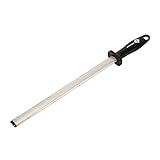
- TAR Score8.8
TAR Score is a ranking system developed by TopAppliancesReviews.com. TAR score has no relationship or impact from any manufacturers or sales agent websites. Learn more
- BrandKota Japan

- TAR Score8.8
TAR Score is a ranking system developed by TopAppliancesReviews.com. TAR score has no relationship or impact from any manufacturers or sales agent websites. Learn more
- BrandMOLINALIA

- TAR Score8.8
TAR Score is a ranking system developed by TopAppliancesReviews.com. TAR score has no relationship or impact from any manufacturers or sales agent websites. Learn more
- BrandSteel Force

- TAR Score8.8
TAR Score is a ranking system developed by TopAppliancesReviews.com. TAR score has no relationship or impact from any manufacturers or sales agent websites. Learn more
- BrandALLWIN-HOUSEWARE W

- TAR Score8.0
TAR Score is a ranking system developed by TopAppliancesReviews.com. TAR score has no relationship or impact from any manufacturers or sales agent websites. Learn more
- BrandGeneric
Last update on 2026-10-02 / Affiliate links / Images, Product Titles, and Product Highlights from Amazon Product Advertising API


Top Rated Best Quality Range Hoods: 2026 Expert Picks

The 12 Best Small Solar Generators 2026

10 Best Quality Semi Automatic Washing Machine of 2026 For Leak-Free Laundry

11 Best Small Washer Machine of 2026 For Everyday Laundry

12 Best Vibration Pads For Washing Machine of 2026 To Stop Walking and Shaking

11 Best Selling Front Load Washing Machine of 2026 For Quiet Odor-Free Laundry

11 Best Washing Machine For King Size Bedding of 2026 To Prevent Cycle Errors

10 Best Small Front Loader Washing Machine of 2026 For Tight Closets






