
How To Repair Washer With Mold Or Odor Issue Fast

How To Repair Washer With Mold Or Odor Issue starts with paying attention to the little warning signs most people brush aside. A funky smell sneaking out every time the washer lid opens usually points to trapped moisture, detergent residue, or hidden grime buried around rubber seals and drain components. That sour, damp scent doesn’t magically disappear on its own either. Left untreated, the buildup keeps spreading quietly behind the scenes, turning simple laundry days into a frustrating mess.
Front-load and top-load machines both run into this headache, though the causes can vary a bit. Front-load washers often trap moisture around the door gasket, while older top-load models may collect mildew under the agitator or inside hidden corners near the tub. Thick fabric softener residue also creates a sticky film that mold absolutely loves. Once that grime settles in, clothes can come out smelling worse than before the wash cycle even started.
Cleaning the visible areas helps, sure, but stubborn washer odors usually need a deeper fix. The drain hose, detergent tray, filter, and internal tub areas commonly hold onto bacteria and moisture long after the machine stops spinning. Warm water cycles mixed with excess soap make things even worse over time. That’s why washer maintenance isn’t just about appearance. It directly affects how fresh clothing smells and how efficiently the appliance runs.
People often overload the washer or shut the door immediately after a cycle without realizing the damage that habit causes. Moisture gets trapped inside like a sealed greenhouse, creating the perfect breeding ground for mildew. Yikes, that stale odor can spread through towels, gym clothes, and bedding before anyone notices the source. Simple airflow changes and better cleaning routines can dramatically reduce recurring mold issues.
Deep cleaning solutions matter too, especially for machines already dealing with heavy odor buildup. Vinegar rinses, baking soda treatments, and specialized washer cleaners help break apart residue that ordinary cycles leave behind. Some washers also need clogged filters cleared or drain lines flushed to fully eliminate the smell. Skipping those hidden areas usually means the odor returns within days, which drives plenty of homeowners nuts.
Repairing odor issues also protects the washer from long-term wear. Mold buildup can weaken rubber seals, clog drainage systems, and strain internal components if ignored too long. Small maintenance habits, like wiping the gasket dry or running occasional hot-water cycles, help prevent larger repair bills down the road. Fresh-smelling laundry depends just as much on machine care as detergent choice.
Some cleaning tricks floating around online sound helpful but create more trouble than they solve. Harsh chemicals may damage seals or leave behind overpowering fumes inside enclosed laundry spaces. Gentle but consistent cleaning methods tend to work better over time. A washer doesn’t need complicated routines. It just needs regular attention in the right places before mold gets comfortable.

- TAR Score9.6
TAR Score is a ranking system developed by TopAppliancesReviews.com. TAR score has no relationship or impact from any manufacturers or sales agent websites. Learn more
- BrandHZEVERO

- TAR Score9.2
TAR Score is a ranking system developed by TopAppliancesReviews.com. TAR score has no relationship or impact from any manufacturers or sales agent websites. Learn more
- BrandDoor-Doc
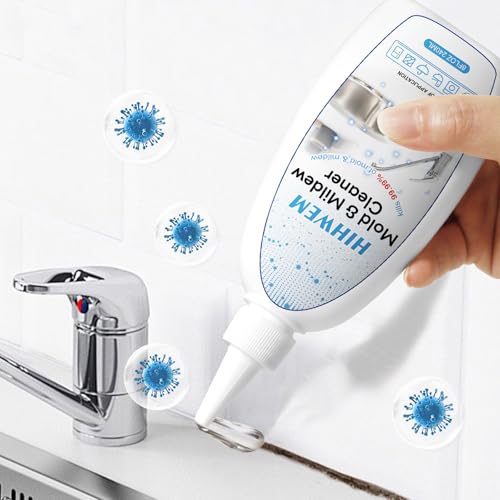
- TAR Score8.8
TAR Score is a ranking system developed by TopAppliancesReviews.com. TAR score has no relationship or impact from any manufacturers or sales agent websites. Learn more
- BrandHIHWEM

- TAR Score8.6
TAR Score is a ranking system developed by TopAppliancesReviews.com. TAR score has no relationship or impact from any manufacturers or sales agent websites. Learn more
- BrandBalldanlu

- TAR Score8.6
TAR Score is a ranking system developed by TopAppliancesReviews.com. TAR score has no relationship or impact from any manufacturers or sales agent websites. Learn more
- BrandGleamGlee

- TAR Score8.4
TAR Score is a ranking system developed by TopAppliancesReviews.com. TAR score has no relationship or impact from any manufacturers or sales agent websites. Learn more
- BrandMold Armor

- TAR Score8.2
TAR Score is a ranking system developed by TopAppliancesReviews.com. TAR score has no relationship or impact from any manufacturers or sales agent websites. Learn more
- BrandACTIVE
Last update on 2026-07-25 / Affiliate links / Images, Product Titles, and Product Highlights from Amazon Product Advertising API
How To Repair Washer With Mold Or Odor Issue
A clean shirt shouldn’t come out smelling like a wet basement, yet plenty of laundry routines go sideways because the machine itself is holding onto grime. That sour puff of air after opening the lid or door usually means moisture, detergent residue, and mildew have settled into places a quick wipe never reaches. The real fix behind how to repair washer with mold or odor issue starts with tracking where the smell hides, then breaking the cycle that lets it keep coming back.
Why Washer Odor Keeps Coming Back
Washer odor usually starts small. A faint musty smell shows up after a load of towels, then a few weeks later, even clean clothes feel questionable. That’s not bad luck. It’s often the result of trapped moisture sitting inside the drum, gasket, dispenser, drain hose, or filter after every cycle.
Mold and mildew don’t need much to settle in. Warmth, dampness, lint, body oil, and leftover detergent create a cozy little mess inside the machine. Front-load washers are especially prone to this because the tight door seal holds water around the rubber gasket. Top-load washers can still stink too, especially around the agitator, tub ring, and hidden splash zones.
Too much detergent is one of the sneakiest causes. More soap feels like it should mean cleaner clothes, but washers need the right amount to rinse properly. Extra detergent leaves behind a sticky film that grabs dirt and bacteria. Over time, that film turns into a smelly layer that plain cold-water cycles can’t wash away.
Low-temperature washing can add to the problem as well. Cold cycles save energy and protect fabrics, but they don’t always loosen oily residue inside the washer. A hot maintenance cycle now and then helps clear buildup before it hardens into gunk. Think of it like rinsing a coffee mug instead of scrubbing it once the stains have dried.
Start With The Door Gasket And Lid Area
The door gasket is the first place to check on a front-load washer. Pull the rubber fold back gently and look for gray slime, black specks, lint, hair, or trapped socks. Yep, tiny clothing items can wedge in there and hold moisture for days. That hidden damp pocket is one of the biggest reasons fresh laundry smells musty.
Use a soft cloth with warm water and a mild cleaning solution to wipe every fold of the gasket. For stubborn buildup, a small brush helps loosen grime without tearing the rubber. Keep the pressure gentle because damaged seals can lead to leaks. Dry the area fully afterward, since leaving it wet just resets the problem.
Top-load washers need attention around the lid, rim, and detergent splash zones. The area under the lid can collect soap film that looks harmless until it starts smelling sour. Wipe the lid hinges, tub edge, and any groove where water sits. Moisture control matters just as much as cleaning because mildew loves quiet corners.
After every wash, leave the door or lid slightly open so air can move through the drum. This tiny habit makes a bigger difference than people expect. A closed washer traps humidity like a sealed lunchbox. Airflow helps the drum dry faster and makes it harder for mold to settle back in.
Clean The Detergent Tray Before It Turns Slimy
The detergent dispenser can become a mold hotel if it stays damp between washes. Liquid detergent, softener, and scent boosters leave residue behind, especially if they’re poured past the recommended line. Pull the tray out if your machine allows it. Look underneath too, because the cavity behind the tray often hides black mildew and sticky sludge.
Soak removable dispenser parts in warm water, then scrub the corners with an old toothbrush. Avoid rushing this step because dried fabric softener can cling like glue. Rinse until the surface feels clean, not slick. Residue-free dispensers help detergent flow properly into the drum instead of feeding odor-causing buildup.
The dispenser housing needs cleaning as well. A damp cloth wrapped around your finger can reach into the opening, though a bottle brush works better for narrow channels. Keep an eye out for orange, gray, or black film. Those stains usually mean moisture and bacteria have been sitting there too long.
Cut back on fabric softener if the smell keeps returning. It can coat washer parts and fabrics with a waxy layer that traps odor. White vinegar is sometimes used as a rinse aid, but it should be used carefully and not mixed with bleach. For mineral buildup around the tray or tub, compare a practical washer-cleaning option like best descaler washing machine to help reduce residue that feeds stale smells.
Run A Hot Cleaning Cycle The Right Way
A hot cleaning cycle helps loosen the grime that regular laundry loads leave behind. Many modern washers have a “clean washer” or “tub clean” setting, and that cycle is built for this exact job. Use it with a washer cleaner, oxygen-based cleaner, or a manufacturer-approved product. The goal is to flush out soap scum, body oils, and mildew residue from inside the tub.
Don’t toss clothes into the machine during a maintenance cycle. The washer needs empty space so hot water and cleaning agents can reach the drum walls, drain path, and internal surfaces. Running a cleaning cycle with laundry inside weakens the process. Empty-drum cleaning gives the machine a better shot at breaking down odor at the source.
Bleach can help with mold in some washers, but it isn’t always the first move. Strong chemicals may irritate sensitive noses, damage certain materials if overused, or leave fumes in small laundry rooms. Never mix bleach with vinegar, ammonia, or other cleaners. Safe cleaning habits matter because a washer repair routine should fix the smell, not create a new headache.
After the hot cycle finishes, wipe the drum, gasket, lid area, and dispenser again. Cleaning cycles loosen grime, but some residue may still sit on reachable surfaces. Dry everything with a clean towel and leave the door open. Dry surfaces are the enemy of mildew, plain and simple.
Check The Drain Filter And Hose For Hidden Gunk
The drain filter is easy to forget because it’s usually tucked behind a small panel near the bottom of front-load washers. Coins, lint, hair, pet fur, and fabric threads can clog it slowly. Once water drains poorly, odor gets stronger because dirty water lingers inside the machine. That lingering water is a prime suspect in washer mold odor.
Before opening the filter, place towels and a shallow tray nearby. Some water will likely come out, and it may smell pretty rough. Turn the filter slowly, remove debris, and wipe the filter housing. Better drainage helps the washer empty fully instead of leaving a damp sludge pocket behind.
The drain hose deserves a look too. A hose pushed too far into the standpipe can cause siphoning or drainage trouble. A kinked hose may also leave dirty water trapped after cycles. Keeping the hose positioned correctly supports proper water flow and reduces the stale smell that creeps back after cleaning.
Semi-automatic washers can have simpler drainage systems, but they still collect lint and soap film. Their separate wash and spin tubs need regular rinsing because water can sit in corners after use. For laundry spaces where drainage control and manual rinsing matter, explore a practical setup like washing machine semi automatic before choosing a replacement machine. A simpler machine can still smell bad, though, if leftover water sits inside after every wash.
Fix Habits That Feed Mold Growth
Washer repair isn’t only about scrubbing parts. Daily habits can undo all the cleaning work if the machine stays damp and overloaded. Leaving wet clothes inside for hours is a big one. The drum becomes humid, fabrics start smelling sour, and that odor transfers back into the washer walls.
Move laundry out soon after the cycle ends. Even thirty extra minutes in a sealed drum can make towels smell off, especially in warm or humid rooms. Crack the door open and pull the dispenser tray out slightly after washing. Air circulation helps the machine dry instead of trapping moisture in every seam.
Use high-efficiency detergent if the washer requires it, and keep the amount modest. HE washers use less water, so regular detergent can create too many suds. Excess suds leave residue behind, and residue feeds odor. Correct detergent use is one of the cheapest fixes for recurring washer smell.
Overloading the drum can also cause trouble. Packed laundry doesn’t tumble or rinse well, so detergent and body soil stay trapped in fabrics and inside the washer. Leave enough room for clothes to move freely. Balanced loads clean better, rinse cleaner, and reduce the damp funk that makes laundry feel unfinished.
Deal With Mold In The Rubber Seal
Rubber seals are sneaky little troublemakers because they look clean from the outside while hiding grime in the folds. Pull the gasket back slowly and check for black spots, gray sludge, hair, lint, or trapped fabric. That damp pocket can hold mold long after the cycle ends. A washer can smell freshly cleaned for one day, then stink again if this area gets skipped.
Warm water and mild dish soap can handle light residue, but heavier buildup may need a washer-safe mold cleaner. Use a soft brush, not anything sharp, because a scratched gasket can turn into a leak later. Work around the full circle of the seal instead of wiping only the visible front edge. The deeper fold is usually where odor-causing moisture sits and gets comfortable.
Drying the gasket after cleaning matters just as much as scrubbing it. A dry cloth helps remove leftover moisture from the rubber lip, the glass door, and the lower drain holes. Leave the door cracked open after each wash so air can move through the drum. That one habit helps protect the washer seal from turning into a damp little cave again.
Replace the gasket if it stays stained, cracked, sticky, or warped after repeated cleaning. Deep mold inside damaged rubber can keep releasing odor even after the surface looks better. A replacement seal costs less than dealing with water damage from a leaking door. Seal condition directly affects odor control, leak prevention, and long-term washer performance.
Remove Odor From The Drum And Tub
The washer drum can hold a thin film of detergent, soil, and mineral residue even if it looks shiny. That invisible layer grabs odors from sweaty clothes, towels, pet blankets, and bedding. Running normal wash cycles won’t always clear it because the machine keeps using the same damp spaces. A proper tub-cleaning routine targets the hidden buildup behind the smell.
Run the hottest cleaning cycle your washer allows, using a cleaner that matches the machine’s manual. Don’t add clothes, towels, or laundry pods during this cycle. The cleaning water needs full contact with the drum and internal tub surfaces. For homes ready to replace an older odor-prone unit, compare a practical upgrade like fully automatic washing machine before deciding whether repair or replacement makes more sense.
Baking soda can help neutralize mild smells, while vinegar may loosen certain residues, but both should be used carefully. Never mix vinegar with bleach or other chemical cleaners. That combo can create harmful fumes, and nobody needs a laundry room science experiment gone wrong. Stick with one safe cleaning method at a time to protect washer parts and indoor air.
After the cleaning cycle, wipe the drum with a dry cloth and smell the inside before closing the door. A clean washer should smell neutral, not perfumed, sour, or bleach-heavy. If the odor remains, the issue may be hiding in the drain filter, hose, or dispenser instead of the tub. Odor repair works best when each likely source gets checked, not guessed.
Stop Detergent And Softener Buildup
Too much detergent is a classic laundry mistake because it feels logical. More soap sounds like more cleaning power, right? Nope, washers often struggle to rinse the extra suds away, especially high-efficiency models that use less water. That leftover film becomes food for mildew, bacteria, and stale odors.
Use the detergent line as a limit, not a challenge. Small loads need less detergent than large loads, and lightly worn clothes don’t need a heavy pour. Thick liquid detergent can cling to dispenser channels and drum walls if overused. Proper dosing keeps clothes cleaner and helps the washer rinse itself more effectively.
Fabric softener can create a waxy coating inside the washer over time. That coating traps body oils and lint, especially on towels and workout clothes. Cutting back or switching to occasional use can reduce that slick residue. Cleaner rinsing usually beats heavy fragrance because perfume only masks the stink for a little while.
Pods can also cause trouble in short or cold cycles if they don’t dissolve fully. A half-dissolved pod may leave sticky residue in the drum or on clothing. Use warmer water when the fabric allows it, and avoid overstuffing the machine. Good water movement gives detergent room to dissolve, clean, and rinse away properly.
Improve Laundry Room Airflow
Laundry room humidity can make washer odors worse, even after a solid cleaning routine. A small closet-style laundry area traps damp air around the machine after every load. That moisture settles into the gasket, dispenser, lid, and nearby walls. Better airflow helps the washer dry faster and makes mold growth less likely.
Keep the washer door open between cycles, but also leave the laundry room door open when possible. Run a fan nearby if the space feels muggy or smells stale after washing. In damp homes, a dehumidifier can help control moisture around appliances. Dry air is boring in the best way because mold has fewer places to thrive.
Odor can travel beyond the washer too. A laundry room beside a kitchen, hallway, or small apartment living area can spread musty smells fast. If cooking fumes or indoor odors are also a concern, improve nearby ventilation with a fitting solution like unique range hoods so stale air doesn’t keep bouncing around the home. Better airflow supports fresher laundry spaces, not just cleaner machines.
Check behind the washer for damp flooring, slow leaks, or poor wall clearance. A machine pushed tightly against the wall can limit air movement around hoses and the rear panel. Leave enough space for hoses to sit naturally without kinks. Ventilation and drainage work together, and both affect how often odor comes back.
Know When Cleaning Becomes Repair
Recurring washer odor after deep cleaning usually means something mechanical or drainage-related needs attention. A clogged pump filter, blocked drain hose, cracked gasket, or failing drain pump can leave dirty water inside the machine. That water turns sour quickly, especially in warm laundry rooms. Cleaning helps, but it won’t fix a washer that can’t drain properly.
Listen for strange sounds during the drain cycle. Humming, grinding, or repeated pauses may point to a pump struggling with debris or wear. Watch the drum after the cycle ends too. Standing water, soggy clothes, or a swampy smell near the bottom are clues that drainage problems are feeding the odor.
Leaks near the door, under the machine, or around the hose connections need quick attention. Moisture outside the washer can lead to floor damage and mildew around the appliance. Tighten loose hose connections, replace cracked hoses, and check the gasket for tears. Small water leaks can turn a simple odor issue into a bigger repair bill.
Call a technician if the washer smells like sewage, electrical burning, or strong chemicals. Sewer-like smells may involve the standpipe, drain trap, or plumbing vent rather than the washer itself. Burning smells are a stop-now problem, not a wait-and-see situation. Safe repair choices protect the machine, the laundry room, and everyone using it.
Build A Simple Prevention Routine
Odor prevention works best as a simple rhythm, not a complicated chore list. Wipe the gasket, leave the door open, and pull the dispenser tray out slightly after laundry day. Those steps take very little effort but reduce trapped moisture. Small habits keep mold from getting the upper hand again.
Run a washer cleaning cycle about once a month if the machine sees regular use. Homes washing towels, pet bedding, uniforms, gym clothes, or cloth diapers may need cleaning more often. Heavy soil leaves more residue behind, even with good detergent habits. Maintenance frequency should match real laundry life, not a random calendar rule.
Keep loads balanced and avoid packing the drum tight. Clothes need space to move, rinse, and spin properly. Overloading leaves detergent trapped in fabric and moisture trapped inside the washer. Better load habits reduce odor, improve cleaning, and help the machine work with less strain.
Leave the washer dry, empty, and open after the last load of the day. Clean the dispenser before it gets slimy, clear the filter before drainage slows, and check the gasket before black spots spread. This steady routine keeps how to repair washer with mold or odor issue from becoming a repeat headache. A washer that dries between cycles has a much better shot at staying fresh.


10 Best Quality Semi Automatic Washing Machine of 2026 For Leak-Free Laundry

11 Best Small Washer Machine of 2026 For Everyday Laundry

12 Best Vibration Pads For Washing Machine of 2026 To Stop Walking and Shaking

11 Best Selling Front Load Washing Machine of 2026 For Quiet Odor-Free Laundry

11 Best Washing Machine For King Size Bedding of 2026 To Prevent Cycle Errors

10 Best Small Front Loader Washing Machine of 2026 For Tight Closets

12 Best Side Load Washing Machine of 2026 For Low Vibration

11 Best Single Tub Washing Machine of 2026 For Apartments Without Hookups






